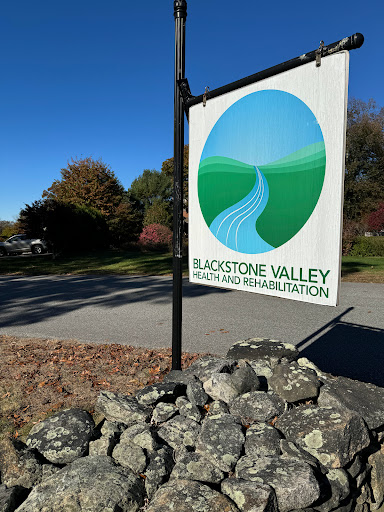
447 Hill Street, Whitinsville, MA 01588
For more information about senior living options: (866) 208-4318
Overall Review of St Camillus Health Center
Pros
 The facility, staff, and administration are fabulous.
- The staff were friendly and caring.
- The stay was top notch.
- The family regarded the staff as angels on earth.
- The staff in his neighborhood made his journey easier.
- The CNAs are exceptional and the staff is great.
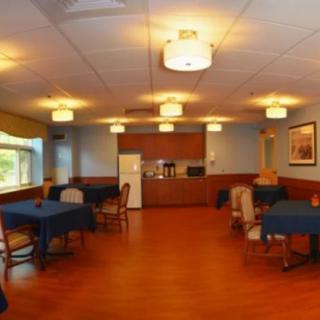
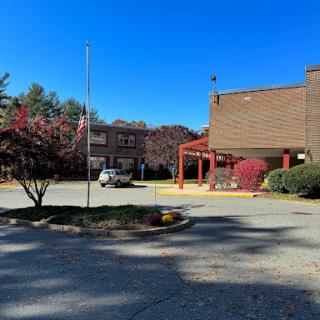
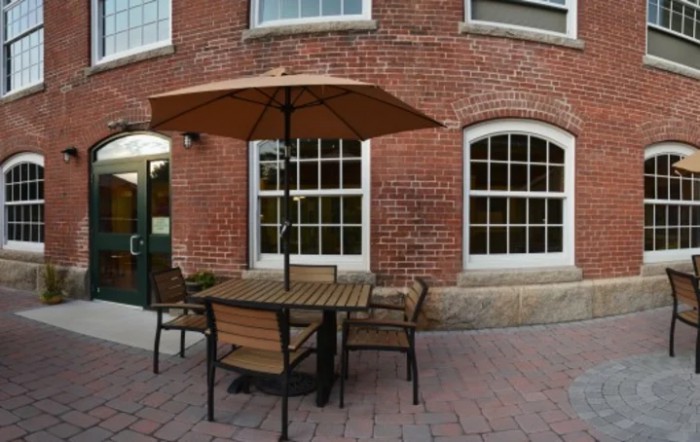
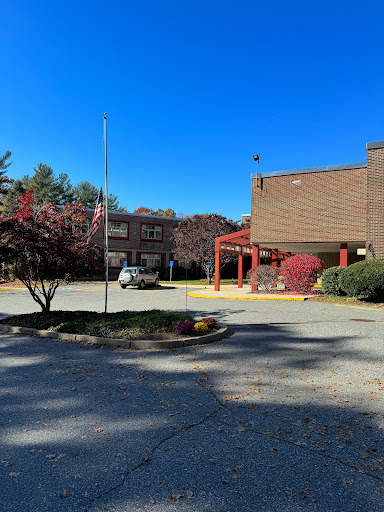
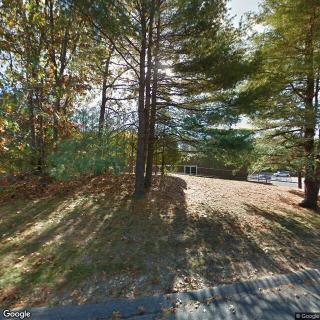
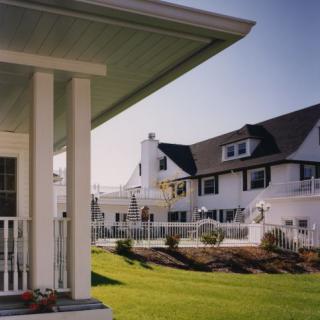
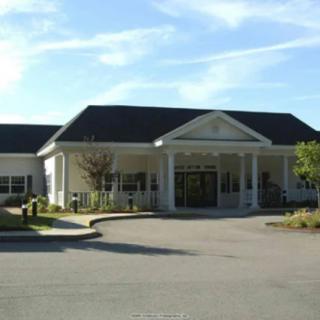
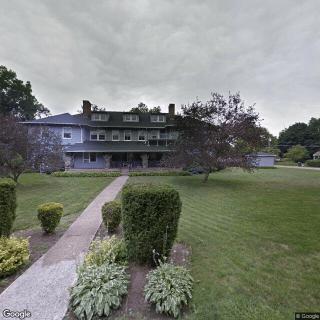
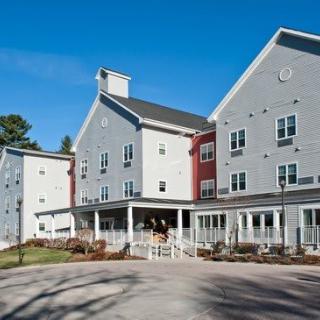
- The facility is consistently clean and in a nice country setting.
- The mother is getting the best possible care and is safe.
Cons
 The facility is understaffed in the nursing, housekeeping, and sometimes the food departments.
- There are many falls among residents due to understaffing.
- Residents do not receive the quality of care they need, and there are safety issues concerning the quality of care.
- There is never enough staff, and residents wait long hours to use the bathroom.
- Some residents go a week without showers due to understaffing.
- There are many skin tears on residents, and the 11 PM–7 AM shift does only one set of rounds.
- There is no communication between nurses and CNAs; CNAs are not informed about how to take care of residents.
- The facility is run down and dirty, with broken side rails, tiny rooms, and unsanitary conditions.
Review
St Camillus Health Center in Whitinsville, MA is best suited for families seeking a small-town, personable atmosphere with a consistently clean campus and a caregiving team that can deliver attentive daytime support. The strongest fit is for residents with moderate care needs who value direct, friendly engagement from aides and nurses who greet residents by name and respond promptly during the day. The setting and routine feel welcoming, and for families who place a premium on warmth, genuine kindness, and everyday reliability, this community delivers a reassuring, home-like experience.
Those weighing alternatives should consider options for residents with higher safety requirements or dementia-specific needs. Multiple voices flag persistent staffing gaps, particularly on nursing, housekeeping, and dining, which can translate into longer waits for assistance, delays in bathroom needs, and infrequent showers. Night-time coverage is a recurring concern, with reports of limited rounds on overnight shifts. Families whose priorities include robust 24/7 supervision, consistent caregiver-to-resident ratios, or a dementia program with specialized training may find other facilities better aligned with those expectations.
The upside centers on the frontline caregivers and the facility’s overall upkeep. Several reviews praise the majority of CNAs as exceptional and note quick, respectful responses from staff. The campus is described as consistently clean and well maintained, with a calm, country-like ambiance that supports a peaceful daily rhythm. Personal connections matter here; anecdotes recount staff courtesy, faith-based encouragement, and everyday gestures that contribute to a sense of safety and belonging for residents and their families.
Nevertheless, the most serious concerns revolve around staffing sufficiency and its ripple effects. Understaffing is tied to falls, skin issues like tears, and sanitation lapses, including routine cleaning and laundry challenges. Communication gaps between nurses and CNAs compound the problem, with reports of unclear handoffs and insufficient information sharing. Physical maintenance issues, such as broken side rails and cramped rooms, surface as additional risk factors when staffing is stretched thin. These factors collectively temper the otherwise positive impressions and warrant careful scrutiny by prospective residents and their families.
The reality here is a careful balancing act: a warm, supportive daytime staff culture and a tidy, pleasant environment versus occasional gaps in 24/7 safety and dementia-specific care. For residents who can rely primarily on the daytime team and whose needs align with the facility’s standard level of supervision, the positives may outweigh the negatives. For those confronting dementia progression or requiring rigorous nocturnal monitoring, the reviews suggest a closer examination of dementia programming, staff consistency, and night-shift procedures. The presence of mixed experiences, even within praise, means decisions should hinge on exact care requirements and how well the team can tailor support accordingly.
Practical next steps point toward an in-person assessment with a focused lens on staffing, safety, and day-to-day routines. Prospective families should observe real-time interactions between CNAs, nurses, and residents; request current staffing ratios by shift; inquire about night coverage and how late-evening needs are managed; and verify the cadence for showers, bowel and bladder assistance, and skin care. Inspect the cleanliness of rooms, bathrooms, and laundry, and ask about maintenance responses to safety concerns like rail integrity. Crucially, review the dementia program details and social work support to determine whether the facility’s approach matches the resident’s cognitive care needs. The conclusion is clear: St Camillus Health Center offers a credible, family-friendly option with warmth and cleanliness, but it may not be the best fit for those requiring unwavering 24/7 oversight or advanced dementia care; for such priorities, exploring facilities with stronger staffing reliability and dementia-focused programs is a prudent course.
 123 resident community capacity
 Skilled Nursing Facility
 Air-conditioning
 Beauty salon
 Cable or satellite TV
 Computer center
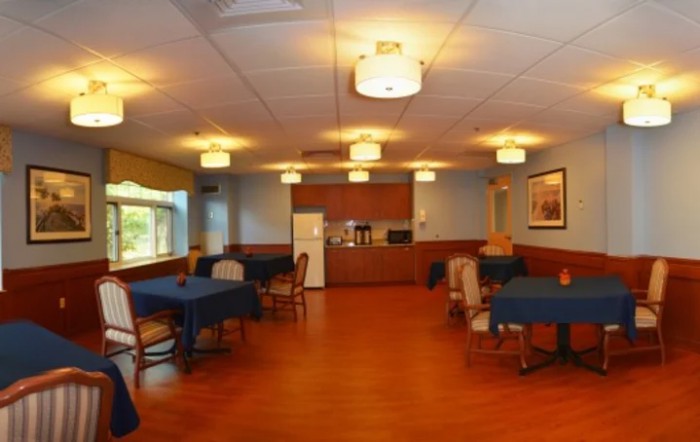
 Dining room
 Fitness room
 Fully furnished
 Gaming room
 Garden
 Housekeeping services
 Kitchenette
 Move-in coordination
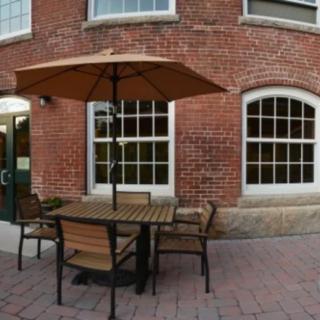
 Outdoor space
 Private bathrooms
 Restaurant-style dining
 Small library
 Telephone
 Wellness center
 Wi-Fi/high-speed internet available
 Worcester Regional (15 miles away)
 Community operated transportation
 12-16 hour nursing
 24-hour call system
 Activities of daily living assistance
 Assistance with bathing
 Assistance with dressing
 Assistance with transfers
 Diabetes diet
 Medication management
 Mental wellness program
 Special dietary restrictions
 Concierge services
 Planned day trips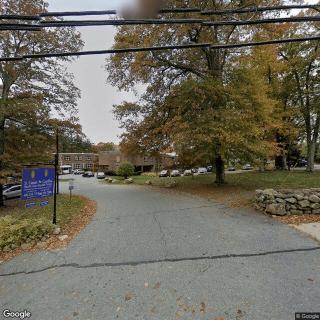
 Comprehensive Look at Senior Blood Pressure Charts: Normal and Elevated Levels by Age
 Top Canine Companions for Older Adults
 Comprehensive Guide to Blood Pressure Charts for Older Adults: Understanding Normal and High Readings by Age