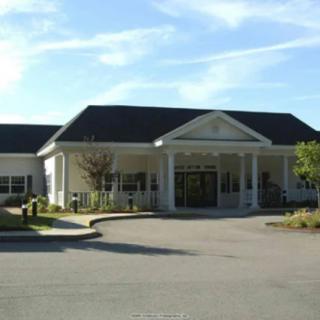
The Friendly Home - Woonsocket

Save

  • Interior

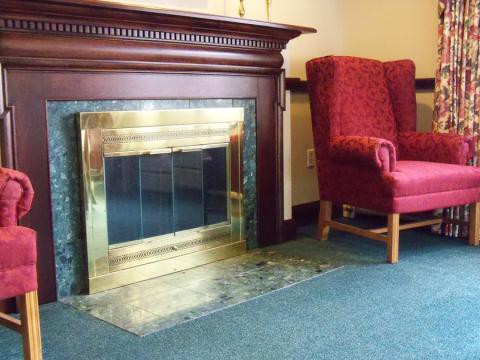
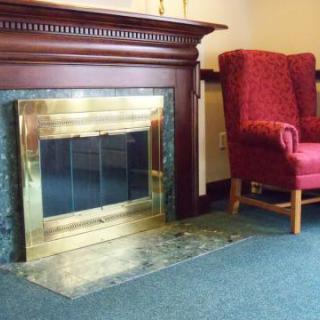
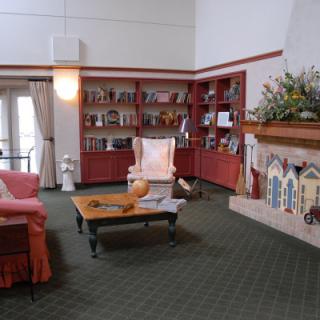
    A cozy interior space featuring a classic fireplace with a wooden mantel and brass frame, accompanied by a red upholstered chair.
  • Decor

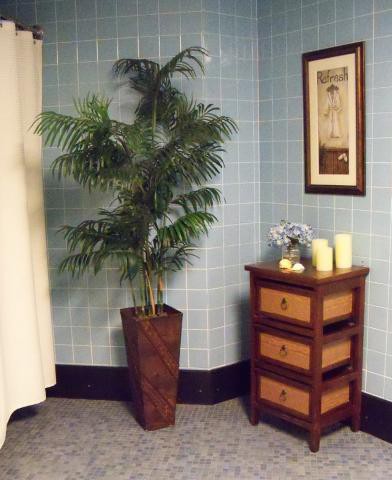
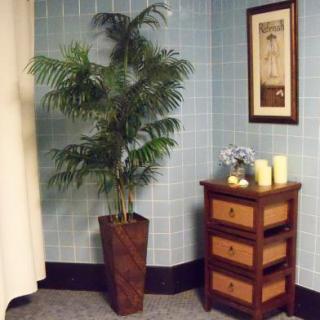
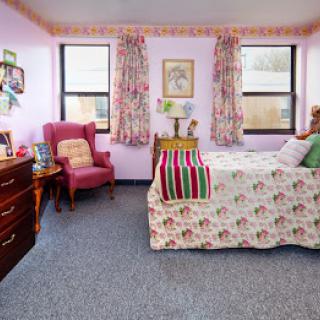
    A stylish room corner with a potted plant, small dresser, candles, and wall art.
  • Building

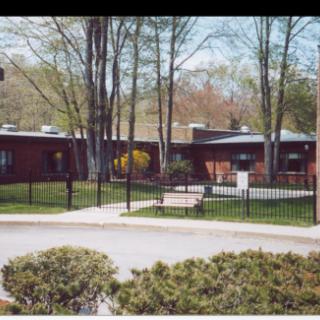
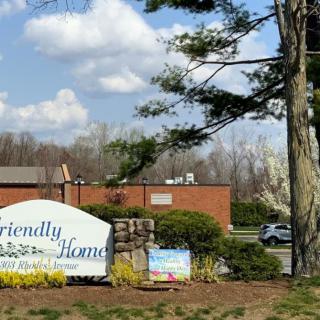
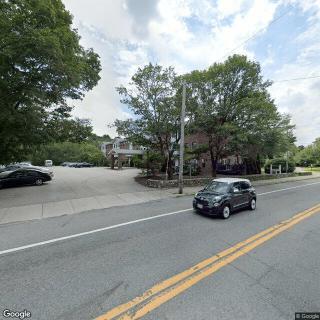
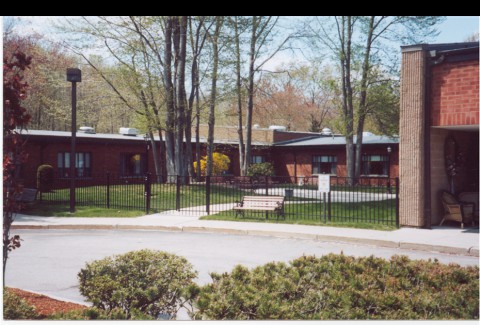
    A view of a single-story brick building surrounded by trees and a fence, with bushes lining the driveway.
  • Windows

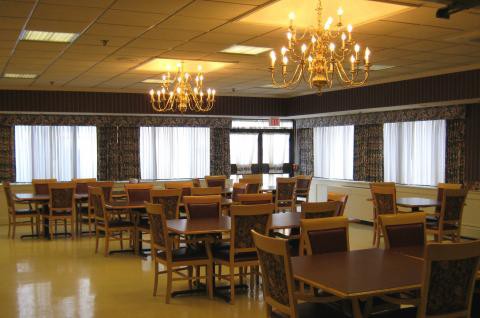
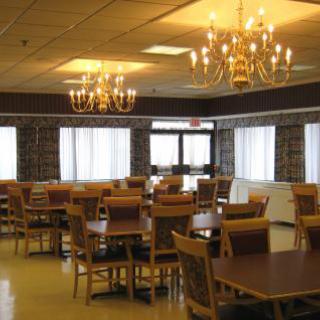
    A well-lit dining room with multiple tables and chairs, featuring elegant chandeliers and large windows.
  • Dining

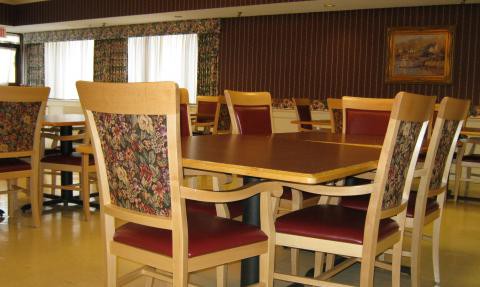
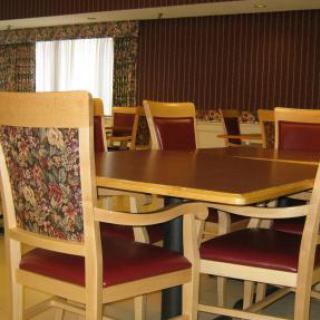
    A dining area with wooden tables and chairs featuring patterned upholstery.
  • Bathroom

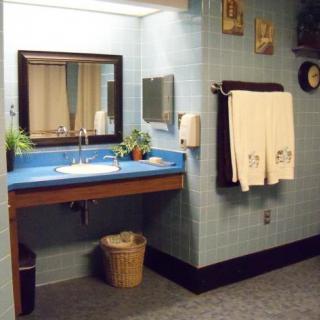
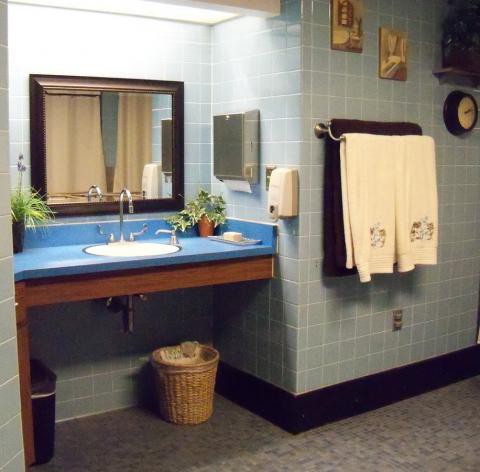
    A vintage-style bathroom with blue tiles, featuring a sink, mirror, and neatly hung towels.
  • Painting

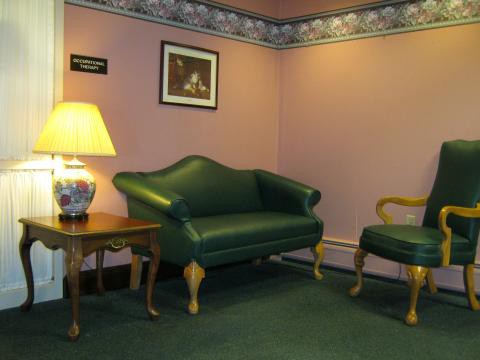
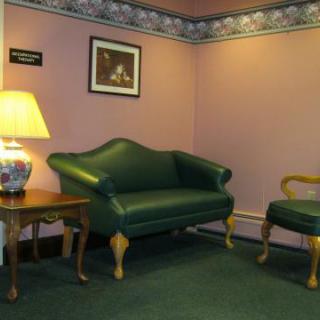
    A cozy lounge area with a green sofa and chair, accompanied by a side table with a lamp.

The Friendly Home - Woonsocket

Information last verified:

303 Rhodes Avenue, Woonsocket, RI 02895

For more information about senior living options: (844) 490-3973

4.5 from 112 reviews
5 stars
87
4 stars
11
3 stars
3
2 stars
0
1 stars
11

Overall Review of The Friendly Home - Woonsocket

Pros

  • pro The staff at The Friendly Home are amazing and respond quickly to calls.
  • pro Most of the staff are great and treat residents with kindness and patience.
  • pro The nurses and CNAs are sweet, patient, and very supportive.
  • pro Nurse Tim is excellent and consistently available for questions.
  • pro The front office and accounting staff are pleasant, helpful, and easy to work with.
  • pro The rehabilitation team sets meaningful goals and helps residents achieve them daily.
  • pro The environment is clean, welcoming, and well-maintained.
  • pro The food is excellent and residents can choose their meals, with attentive service.

Cons

  • pro One reviewer felt the rehab/physical therapy could be better and that residents should be exercised more consistently.
  • pro A reviewer described the care as substandard and criticized the administration as fake and uncaring.
  • pro A complaint called the facility horrifically traumatic with terrible food and staff who did not seem to care.
  • pro They reported nurses and CNAs who were rude, mean, sarcastic, and showed no compassion.
  • pro There were reports of short-staffing and delayed responses to calls, including nights when help did not come.
  • pro A reviewer claimed a patient fell twice under staff care and later died, calling the experience absolutely horrendous and advising others to stay away.
  • pro There were logistical issues like items getting lost, mislabeling, and entry doors not being automatic, hindering wheelchair access.

Review

The Friendly Home in Woonsocket is best suited for seniors who need hands-on post-acute rehabilitation or long-term care wrapped in a welcoming, intimate, family-like setting. This community shines for residents who respond well to highly visible, compassionate staffing and who value strong therapist-led programs, regular interaction with nurses and CNAs, and a facility that feels smaller and more personal. The reviews consistently highlight a caring, approachable staff across nurses, aides, and rehabilitation therapists, plus practical advantages like in-house salon services, a well-tended outdoor area, good meal options, and reliable discharge coordination. For families seeking a place where caregivers know the resident’s name, remember preferences, and coordinate closely with family members, The Friendly Home delivers–especially for those prioritizing meaningful daily engagement and steady progress in rehab.

Those exploring alternatives should consider options if the priorities include cutting-edge amenities at a large campus, expansive social programs, or highly specialized memory-care environments. A couple of reviews point to moments of concern around consistency in care or communication, and some passages reference issues that feel inconsistent or episodic rather than systemic. For prospective residents whose needs skew toward top-tier medical technology, around-the-clock intensive monitoring, or a highly modern aesthetic, a larger, more specialized facility may be preferable. Likewise, families seeking a facility with uniformly flawless daily operations across every shift may want to compare staffing patterns, governance, and responsiveness at other communities. The Friendly Home performs best when care teams are stable and engaged; those seeking broader scale or more uniform modernization may want to weigh other options.

The strongest pros, caring, responsive staff; robust rehabilitation programs; and family-centric operations, tend to offset several common downsides. Nursing and CNA teams are repeatedly praised for patience and kindness, with therapists pushing toward achievable goals and daily activity, an experience that translates into real gains for rehab patients. The ability to interact with staff across departments, coordinated discharge planning, and accessible administrative support (HR, finance, and DON-level engagement) create a seamless continuity of care for families. Cleanliness and a pleasant, home-like ambiance contribute to a sense of safety and comfort, while amenities like in-house hair services and outdoor spaces add practical quality-of-life value. Even where minor hiccups occur, lost items, occasional requests not being immediate, or a few outdated elements, the overarching pattern is a high level of compassion, competence, and communication that reassures families during stressful transitions.

However, some reviews illuminate gaps that could influence decision-making. On occasion, care quality appears variable, with a handful of experiences describing less-than-ideal staff interactions, delays in attention, or disagreements about medical handling. Incidents of lost belongings, questions about wheelchair-accessible entry points, and comments about outdated decor signal that maintenance, accessibility, and day-to-day logistics can differ by shift or area of the building. There is also at least one highly negative account highlighting perceived neglect and poor communication, underscoring that no facility is immune to serious missteps. Prospective residents should, therefore, personally verify established protocols for incident reporting, care plans, meal accommodations, and the specific care standards on the wing where their loved one will reside, and should insist on meeting with nursing leadership to review expectations and safeguards.

To make the most of a tour, families should zero in on how care teams coordinate around an individualized plan. Ask to meet with the director of nursing and a unit supervisor to understand daily routines, PT/OT scheduling, and how patient goals are tracked and adjusted. Trace a resident’s path from hospital discharge to ongoing care, including medication management, communication with family, and the availability of therapies that match the resident’s current needs. Inquire about accessibility features (automatic doors, signage, room labeling, and assistive devices), as well as environmental aspects such as noise levels, scent, and cleanliness. Request a clear walk-through of dining services, including meal variety, texture-modified options, and staff responsiveness to hydration and nutrition needs outside mealtimes. These details strongly influence whether the community’s strengths translate into reliable, day-to-day satisfaction for the resident.

The bottom-line verdict is that The Friendly Home represents a compelling choice for families seeking a warm, hands-on, rehab-forward environment with a proven track record of compassionate care. The blend of devoted nursing staff, dynamic PT/OT teams, and a family-oriented atmosphere often yields meaningful gains for rehab residents and durable comfort for long-term residents. The thoughtful discharge coordination and easy access to ancillary services, haircare, daily housekeeping, and a tidy, well-maintained setting, further strengthen its appeal as a practical, liveable home rather than a clinical facility. Potential drawbacks exist, mainly around the occasional variability in day-to-day experiences and a few accessibility or modernization gaps that warrant careful verification during a visit. For families prioritizing intimate, attentive care with evident staff investment, The Friendly Home stands out as a strong, reliable option; for others, especially those chasing broader amenities or highly specialized care niches, alternatives should be explored with a discerning eye. A structured tour, candid conversations with nursing leadership, and a clear plan for monitoring care will determine whether this community becomes a trusted home or a place worth broader comparison.

Features

Housing

  • 126 resident community capacity 126 resident community capacity

Types of Care

  • Skilled Nursing Facility Skilled Nursing FacilitySkilled Nursing Facilities are crucial for seniors as they provide round-the-clock medical care, rehabilitation services, and assistance with daily activities. These facilities ensure that seniors receive the specialized care they need to maintain their health and well-being as they age.

Amenities

  • Air-conditioning Air-conditioningAir conditioning is important for seniors as they are more vulnerable to heat-related illnesses and may have underlying health conditions that make it difficult for them to regulate their body temperature. It helps to keep them comfortable, safe, and healthy in hot weather.
  • Beauty salon Beauty salonBeauty salons are important for seniors because they provide a space for them to feel pampered, socialize, and maintain their personal grooming and hygiene. Regular visits to a beauty salon can help boost seniors' self-esteem and overall well-being.
  • Cable or satellite TV Cable or satellite TVCable or satellite TV is important for seniors because it provides entertainment, news, and companionship, helping to combat loneliness and boredom. It also offers a wide range of programming options tailored to different interests and preferences.
  • Computer center Computer centerA computer center is essential for seniors as it provides access to technology, communication tools, and resources that can enhance their daily lives. It allows them to stay connected with loved ones, engage in online activities, and learn new skills, ultimately promoting socialization and mental stimulation.
  • Dining room Dining roomDining rooms are important for seniors as they provide a space for socialization, connection, and nutritious meals. They offer opportunities for residents to bond over shared meals, foster a sense of community, and promote healthy eating habits. Dining rooms also ensure that seniors have access to well-balanced meals tailored to their dietary needs and preferences.
  • Fitness room Fitness roomHaving a fitness room in a senior living community is essential for seniors to stay active, maintain their physical health, and improve their overall well-being. Regular exercise can help prevent falls, reduce the risk of chronic diseases, and promote mental sharpness. It also provides social opportunities for residents to connect with others and enjoy a sense of community.
  • Fully furnished Fully furnishedFully furnished senior living communities are important for seniors because they provide convenience, comfort, and a hassle-free moving experience. Seniors can easily settle into their new living space without the stress of having to buy and move furniture. This allows them to focus on enjoying their new home and community.
  • Gaming room Gaming roomGaming rooms are important for seniors as they provide a fun and engaging environment for socializing, cognitive stimulation, and physical activity. Games can improve memory, problem-solving skills, and overall mental well-being while fostering friendships and reducing feelings of isolation.
  • Garden GardenGardens are important for seniors as they provide a peaceful and therapeutic environment for relaxation, physical activity, and socialization. Being in nature has been shown to reduce stress, improve mood, and promote overall well-being. Gardens also offer opportunities for seniors to engage in gardening activities, which can improve mobility, flexibility, and cognitive function. Additionally, gardens create a sense of community and connection with others who share a passion for plants and outdoor spaces.
  • Housekeeping services Housekeeping servicesHousekeeping services are important for seniors because they help maintain a clean and safe living environment, promote independence, and reduce the risk of accidents or illnesses. Additionally, having assistance with household chores can alleviate physical strain and allow seniors to focus on other aspects of their well-being.
  • Kitchenette KitchenetteKitchenettes are important for seniors living in senior living communities because they provide the convenience and independence of being able to prepare simple meals and snacks in the comfort of their own living space. This can help promote a sense of autonomy and well-being for seniors, allowing them to maintain some level of control over their dietary choices and daily routines.
  • Move-in coordination Move-in coordinationMove-in coordination is important for seniors because it helps ease the transition into their new living environment. It ensures that all logistics, such as packing, organizing movers, and setting up utilities are taken care of, allowing seniors to focus on settling in and adjusting to their new home. Having a smooth move-in process can alleviate stress and anxiety, making the transition smoother and more enjoyable for seniors.
  • Outdoor space Outdoor spaceOutdoor spaces are important for seniors as they provide opportunities for physical activity, social interaction, exposure to natural light and fresh air, and a sense of connection to nature. Having access to outdoor spaces can improve overall well-being and quality of life for older adults living in senior communities.
  • Private bathrooms Private bathroomsPrivate bathrooms are important for seniors in senior living communities because they provide independence, dignity, and comfort. Having a private bathroom allows seniors to maintain their personal hygiene routines without the need for assistance, promoting a sense of autonomy and privacy. Additionally, private bathrooms help prevent the spread of infections and provide a safe and clean environment for seniors to navigate safely.
  • Restaurant-style dining Restaurant-style diningRestaurant-style dining is important for seniors because it allows them to enjoy delicious, nutritious meals in a social and upscale setting. This enhances their dining experience, promotes healthy eating habits, and fosters socialization with fellow residents, ultimately contributing to their overall well-being and quality of life.
  • Small library Small librarySmall libraries are important for seniors as they provide access to a variety of reading materials, including books, newspapers, and magazines. This can help stimulate their minds, keep them engaged, and provide a sense of community through book clubs and other social activities. Additionally, reading has been shown to improve cognitive function and overall mental well-being in older adults.
  • Telephone TelephoneTelephones are important for seniors as they provide a lifeline for communication with loved ones, emergency services, and healthcare providers. They offer a sense of security and independence, enabling seniors to stay connected and access assistance when needed.
  • Wellness center Wellness centerWellness centers are important for seniors because they offer a variety of programs and services that promote physical, mental, and emotional well-being. These centers provide opportunities for exercise, socialization, education, and relaxation, helping seniors maintain their overall health and quality of life.
  • Wi-Fi/high-speed internet available Wi-Fi/high-speed internet availableWi-Fi/high-speed internet is important for seniors to stay connected with loved ones, access online resources, and participate in virtual activities to combat feelings of loneliness and isolation. It also allows them to easily manage healthcare needs, access entertainment, and engage in lifelong learning opportunities.

Transportation

  • Theodore F Green State (20 miles away) Theodore F Green State (20 miles away)
  • Community operated transportation Community operated transportationCommunity operated transportation is crucial for seniors as it provides them with the means to access essential services, social activities, and medical appointments. It allows seniors to maintain their independence and quality of life by ensuring they can participate in activities outside of their homes. Additionally, community-operated transportation services offer a safe and reliable way for seniors to travel without having to rely on family or friends for assistance.
  • Transportation arrangement Transportation arrangementTransportation arrangements are crucial for seniors as they may face challenges with driving, mobility, or access to public transportation. Having reliable transportation services ensures that seniors can easily attend appointments, social activities, and maintain their independence and quality of life.
  • Transportation arrangement (non-medical) Transportation arrangement (non-medical)Transportation arrangements are essential for seniors as they provide access to essential services, activities, and social interactions outside the home. This service helps maintain independence, mobility, and overall well-being for seniors who may have limited transportation options.
  • Transportation to doctors appointments Transportation to doctors appointmentsTransportation to doctors appointments is crucial for seniors as it ensures they have access to necessary medical care and support, promoting their health and well-being. It allows them to receive timely treatment, monitor existing conditions, and address any new health concerns efficiently. Additionally, transportation services can help seniors maintain their independence and quality of life by enabling them to stay connected with their healthcare providers.

Care Services

  • 12-16 hour nursing 12-16 hour nursing12-16 hour nursing care is crucial for seniors in order to ensure around-the-clock monitoring, timely medication administration, and prompt response to any health concerns or emergencies. This level of care helps to promote the overall well-being and safety of seniors living in senior living communities.
  • 24-hour call system 24-hour call system24-hour call systems are important for seniors because they provide peace of mind and immediate assistance in case of emergencies. This technology ensures that help is always available, promoting safety and security for elderly individuals living alone or in assisted living facilities.
  • 24-hour supervision 24-hour supervision24-hour supervision is important for seniors to ensure their safety, well-being, and access to immediate assistance in case of emergencies or health issues. This constant support provides peace of mind for both seniors and their loved ones, allowing them to age in place with dignity and security.
  • Activities of daily living assistance Activities of daily living assistanceActivities of daily living assistance are important for seniors because they provide essential support with tasks such as eating, bathing, dressing, and mobility. This assistance helps seniors maintain their independence, dignity, and overall quality of life as they age.
  • Assistance with bathing Assistance with bathingAssistance with bathing is crucial for seniors as it helps maintain personal hygiene, prevents infections, and ensures their overall well-being and comfort. It also provides a sense of dignity and independence for seniors who may struggle with this task on their own.
  • Assistance with dressing Assistance with dressingAssistance with dressing is important for seniors because it helps maintain their independence, promotes personal hygiene, prevents accidents and injuries, and improves overall quality of life. This service ensures that seniors can continue to dress comfortably and confidently, despite any physical limitations they may have.
  • Assistance with transfers Assistance with transfersAssistance with transfers is crucial for seniors as it helps prevent falls and injuries, maintains their independence, and ensures they can safely navigate their living environment. It also provides peace of mind for both seniors and their loved ones.
  • Diabetes diet Diabetes dietA diabetes diet is crucial for seniors as it helps manage blood sugar levels, reduce risks of complications, and improve overall health and well-being. By following a balanced and nutritious diet tailored to their specific needs, seniors can better control their diabetes and enhance their quality of life.
  • Meal preparation and service Meal preparation and serviceMeal preparation and service are crucial for seniors as they may have limited mobility or energy to cook nutritious meals. Having access to healthy and convenient food options can ensure they are getting the proper nutrition needed to maintain their overall health and well-being.
  • Medication management Medication managementMedication management is crucial for seniors to ensure they are taking the right medications at the correct dosages and times. This helps prevent adverse drug interactions, reduces the risk of medication errors, and promotes overall health and well-being. Proactive management also allows for adjustments as needed based on changing health conditions or new prescriptions.
  • Mental wellness program Mental wellness programMental wellness programs are essential for seniors as they promote cognitive stimulation, emotional support, and social engagement. These programs help prevent isolation, depression, and cognitive decline, ultimately enhancing the overall quality of life for older adults.
  • Special dietary restrictions Special dietary restrictionsSpecial dietary restrictions are important for seniors because age-related changes in metabolism and health conditions can make it difficult for their bodies to process certain foods. By following a diet tailored to their specific needs, seniors can maintain their overall health and well-being, manage chronic conditions, and reduce the risk of complications such as malnutrition or food interactions with medications.

Dining

  • Diabetes diet Diabetes dietA diabetes diet is crucial for seniors as it helps manage blood sugar levels, reduce risks of complications, and improve overall health and well-being. By following a balanced and nutritious diet tailored to their specific needs, seniors can better control their diabetes and enhance their quality of life.
  • Special dietary restrictions Special dietary restrictionsSpecial dietary restrictions are important for seniors because age-related changes in metabolism and health conditions can make it difficult for their bodies to process certain foods. By following a diet tailored to their specific needs, seniors can maintain their overall health and well-being, manage chronic conditions, and reduce the risk of complications such as malnutrition or food interactions with medications.

Activities

  • Community-sponsored activities Community-sponsored activitiesCommunity-sponsored activities are important for seniors as they provide opportunities for social interaction, mental stimulation, and physical activity. These activities can help improve overall well-being, combat loneliness and isolation, and promote a sense of belonging and purpose among older adults.
  • Concierge services Concierge servicesConcierge services are essential for seniors as they provide assistance with daily tasks and errands, enhance their quality of life by offering convenience and personalized care, and promote a sense of safety and security.
  • Fitness programs Fitness programsFitness programs are crucial for seniors as they help improve strength, flexibility, balance, and overall well-being. Staying active can reduce the risk of chronic diseases, improve mental health, and enhance quality of life in older adults.
  • Planned day trips Planned day tripsPlanned day trips are important for seniors because they offer opportunities for socialization, mental stimulation, and physical activity. They provide a change of scenery and help seniors stay engaged and connected to their community, promoting overall well-being and quality of life.
  • Resident-run activities Resident-run activitiesResident-run activities are important for seniors as they encourage social interaction, creativity, and a sense of autonomy. These activities empower seniors to stay engaged and active in their community while fostering meaningful connections with their peers.
  • Scheduled daily activities Scheduled daily activitiesScheduled daily activities are important for seniors because they provide structure, socialization, mental stimulation, and physical activity. Engaging in regular activities can improve overall well-being and quality of life for seniors living in a community setting.

Description

The Friendly Home in Woonsocket, RI is a warm and welcoming assisted living community that offers a variety of amenities and care services to ensure the comfort and well-being of its residents.

Residents can enjoy the convenience of an on-site beauty salon, where they can receive haircuts and styling services. The community also offers cable or satellite TV in each resident's room for their entertainment. For transportation needs, there is community-operated transportation available for non-medical purposes, as well as transportation arrangements to doctors' appointments.

The Friendly Home features a computer center for residents to stay connected with loved ones and surf the internet. Meals are served in a dining room with restaurant-style dining, providing delicious and nutritious options prepared by the staff. Special dietary restrictions are accommodated to meet individual needs.

There are numerous recreational areas within the community such as a fitness room, gaming room, garden, outdoor space, and a small library. Residents can engage in various activities to keep them active and socially engaged. The wellness center promotes mental wellness through specialized programs.

Care services offered at The Friendly Home include 24-hour call system and supervision to ensure the safety of residents at all times. Assistance with daily living tasks such as bathing, dressing, and transfers is available when needed. Highly trained staff members administer medication management and provide diabetes diets for those who require it. Special dietary restrictions are also taken into consideration.

The community takes pride in arranging scheduled daily activities including fitness programs, planned day trips, resident-run activities, and concierge services. There are also several nearby parks, pharmacies, physicians' offices, and restaurants for residents' convenience.

With its array of amenities and care services tailored to meet individual needs, The Friendly Home provides a comfortable and enriching assisted living experience for seniors in Woonsocket.

Nearby Places of Interest

Parks

  • Dunn Memorial Park (0.6 miles)
  • Fletcher Field (8.5 miles)
  • Lincoln Woods State Park (9.3 miles)
  • Hauser Field & Playground (9.5 miles)
  • Choate Park (11.2 miles)

Pharmacies

  • CVS Pharmacy (0.8 miles)
  • Walgreens (1.5 miles)
  • CVS Pharmacy (2.1 miles)
  • Walgreens (2.7 miles)
  • Cvs Caremark (3.1 miles)
  • CVS Pharmacy (6.2 miles)
  • Walgreens (6.3 miles)

Physicians

  • Emily Ackerman (1 miles)
  • Pulmonary & Sleep Office of New England (1.5 miles)
  • Attleboro-Cumberland Oral Surg (4.4 miles)
  • Physicians of Ri Medical Enterprises (4.8 miles)
  • Lincoln Primary Care (5.8 miles)
  • Rhode Island Dermatology & Cosmetic Center (5.9 miles)
  • Orthopaedic Associates (6 miles)

Restaurants

  • Wright's Dairy Farm (1.6 miles)
  • McDonald's (1.9 miles)
  • Patriots Diner (2.7 miles)
  • Popeyes Louisiana Kitchen (2.9 miles)
  • McDonald's (3.3 miles)
  • McDonald's (3.8 miles)
  • McDonald's (5.7 miles)

Places of Worship

  • New Life Worship Center (6.6 miles)
  • Church Of The Nazarene (7.3 miles)
  • Our Lady of Grace Church (11.8 miles)

Cafes

  • Muffin House Cafe (6.8 miles)
  • Starbucks (8.1 miles)
  • Starbucks (9.5 miles)
  • Honey Dew Donuts (10.7 miles)
  • Starbucks (10.8 miles)
  • Panera Bread (11.6 miles)

Transportation

  • Ryder Truck Rental (10.5 miles)

Hospitals

  • Eleanor Slater Hospital (11.7 miles)

Frequently Asked Questions

Where is The Friendly Home - Woonsocket?
What photos are available for The Friendly Home - Woonsocket in Woonsocket, Rhode Island?

Nearby Communities

  • Friendly Home Inc

    Friendly Home Inc

    Woonsocket, RI

    4.4 from 102 reviews
     

    pro Beautiful outdoor spaces with active programs and friendly, cooperative staff.

  • Fairmount Heights

    Fairmount Heights

    Woonsocket, RI

    3.7 from 37 reviews
     

    pro Proximity to a nearby park, multiple pharmacies and physicians, and a variety of dining options.

  • The Villa At Saint Antoine

    The Villa At Saint Antoine

    North Smithfield, RI

    4.4 from 16 reviews
     

    pro Strong, well-trained staff delivering attentive care in a clean, modern facility with engaging activities.

  • St Antoine Residence

    St Antoine Residence

    North Smithfield, RI

    4.3 from 78 reviews
     

    pro Strong reputation with comprehensive care and engaging activities.

  • Du Charme Estates Ltd.

    Du Charme Estates Ltd.

    Blackstone, MA


    pro Intimate, small-community setting with personalized care and comprehensive services.

  • Oak Ledge Terrace

    Oak Ledge Terrace

    Blackstone, MA

     
    $1,800 / month

    pro Very affordable private rooms ($1,800/mo) with comprehensive care in an intimate eight-resident setting.

  • Wyndemere Woods

    Wyndemere Woods

    Woonsocket, RI

    4.8 from 30 reviews
    $2,355 to $2,755 / month

  • Holiday Retirement Home

    Holiday Retirement Home

    Manville, RI

    3.9 from 30 reviews
     

    pro Caring staff in a clean, home-like environment with engaging activities.

  • Lydia Taft House

    Lydia Taft House

    Uxbridge, MA

    3.8 from 19 reviews
     

    pro Home-like, small community with attentive staff and engaging activities.

Related Resources

  • geriatric care managerIs a Geriatric Care Manager the Right Choice for Your Family?

    Geriatric care managers create personalized care plans for older adults, addressing their medical, social, financial, and psychological needs while coordinating services and advocating for their well-being. They help families navigate caregiving challenges but may be hindered by high costs and a shortage of qualified professionals.

  • what to say to someone who is grievingCompassionate Conversations: How to Comfort Someone Who Is Grieving

    The article highlights the importance of empathy and open communication when comforting someone who is grieving, noting that grief is unique to each individual and emphasizing the need for sincere expressions of condolence, active listening, and ongoing support. It also addresses cultural differences in mourning practices and encourages tailored approaches to provide effective comfort.

  • home care aideHome Health Care Aides: Understanding Their Role and Supporting Your Family
    Home health care aides provide vital medical and non-medical support to individuals at home, assisting with daily living activities and promoting emotional well-being, while the demand for these services increases due to an aging population. Families benefit from in-home care's flexibility and cost-effectiveness but face challenges like scheduling consistency and caregiver turnover.