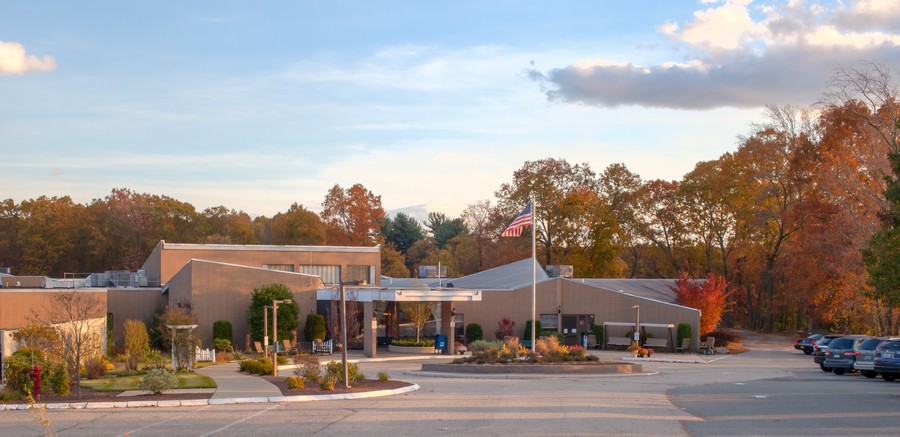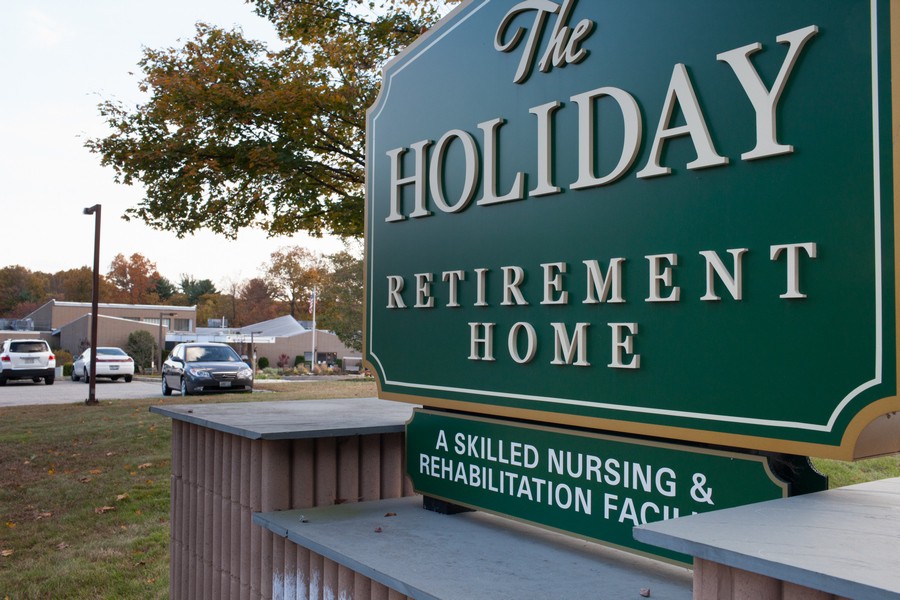







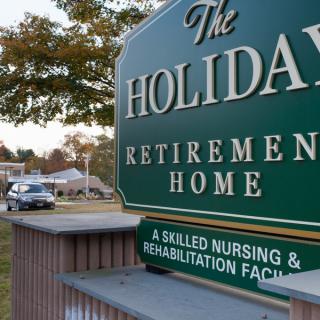


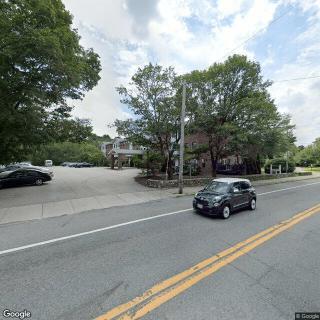
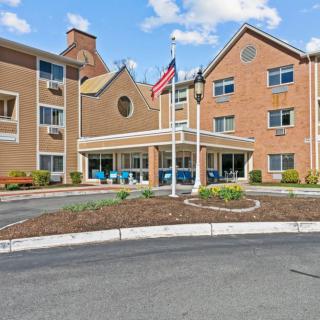
30 Sayles Hill Road, Manville, RI 02838
For more information about senior living options: (866) 208-4318
Overall Review of Holiday Retirement Home
Pros
 The Holiday Retirement Residence has been an absolute blessing for the resident, who is consistently happy there.
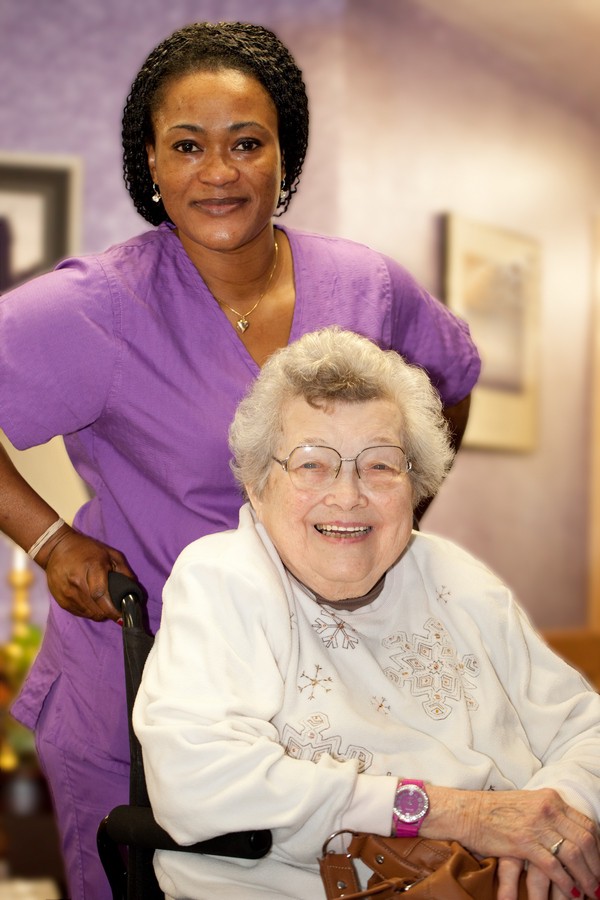
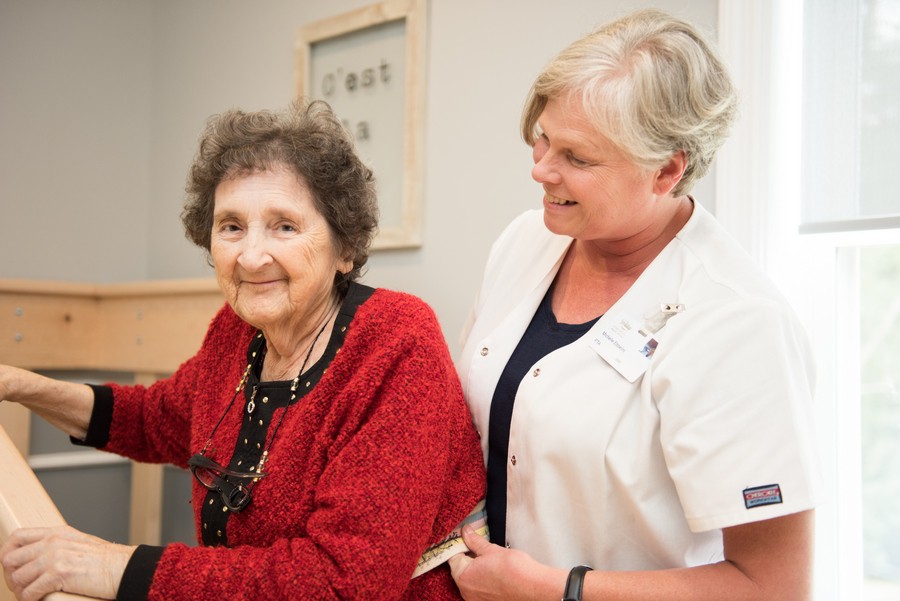
- Abu is described as a treasure, a highly proficient CNA, and a mentor to younger CNAs.
- The staff and the Hope Hospice team showed genuine kindness, compassion, and professionalism during the resident's final days.
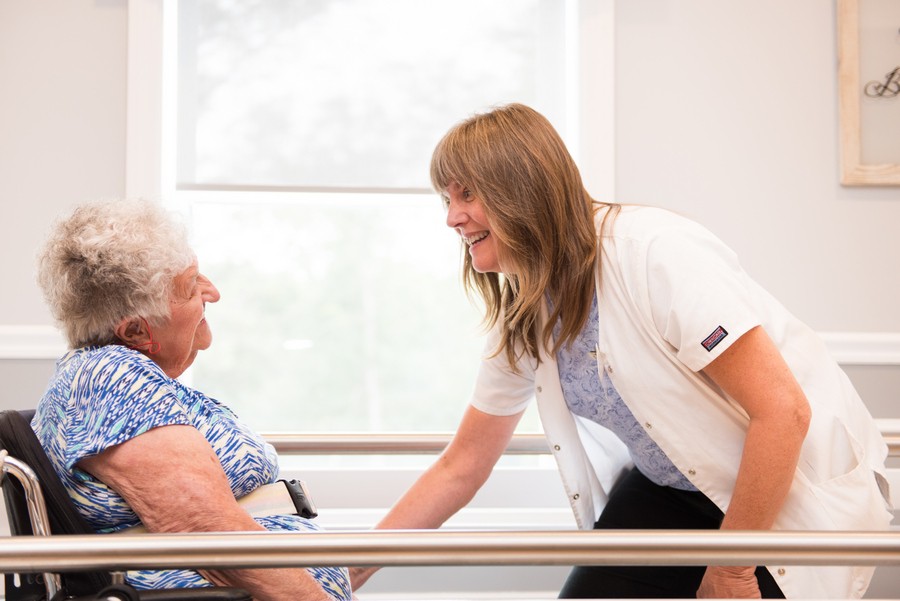
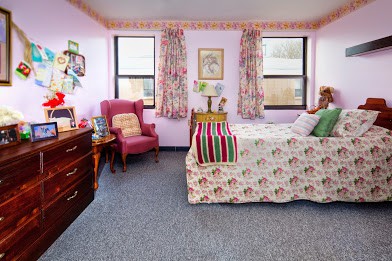
- The facility is warm, clean, and cozy, offering a true home where residents feel comfortable.
- The staff are living angels who ensure every resident receives dignity, care, and attention.
- The final days were peaceful and comfortable thanks to the dedicated care team.
- The staff make the resident feel at home, and the overall care is outstanding.
- The environment is warm and inviting, with friendly staff and happy residents.
Cons
 The CNA Abu is verbally abusive toward staff and residents.
- They warn that families should keep cameras in their loved ones’ rooms.
- The reviewers give zero stars and say the nurse staff does not know what they are doing, including overdosing prescriptions, misdiagnosing as strokes, and delaying rescue.
- The place is described as the absolute worst, with the staff labeled as horrible and unreliable.
- They urge others not to bring their loved ones here.
- There are countless records from local rescue detailing malpractice.
Review
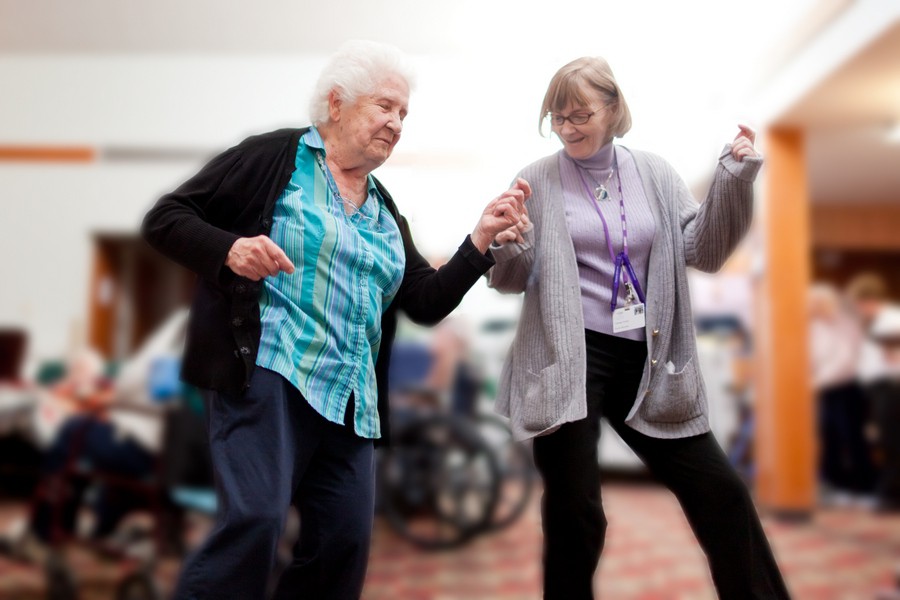
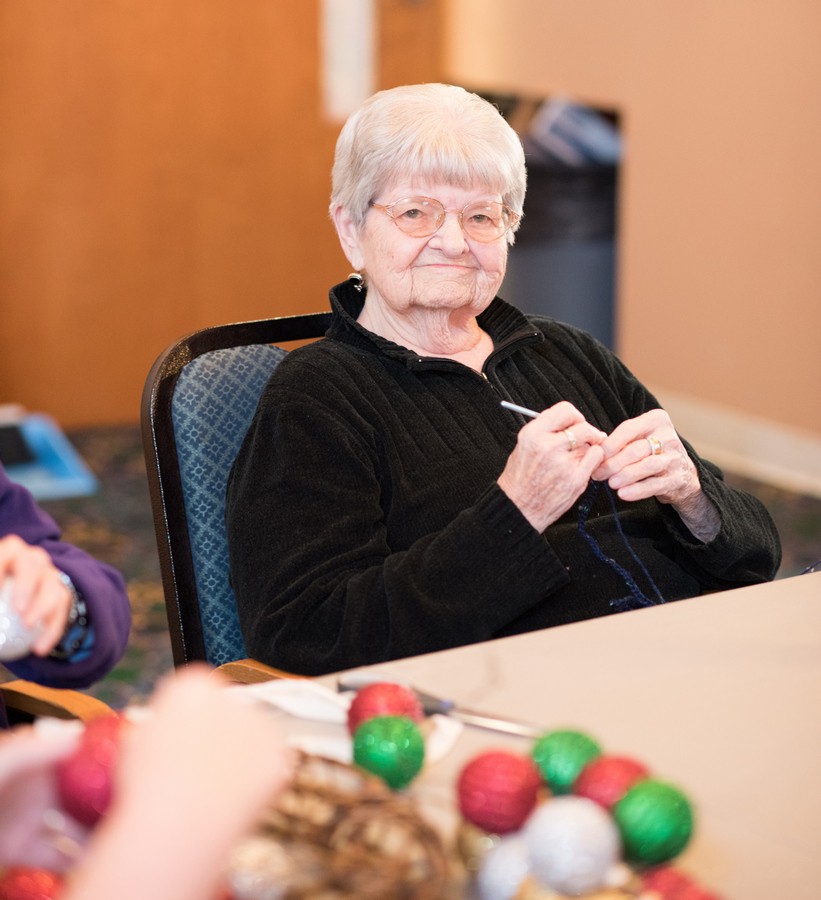
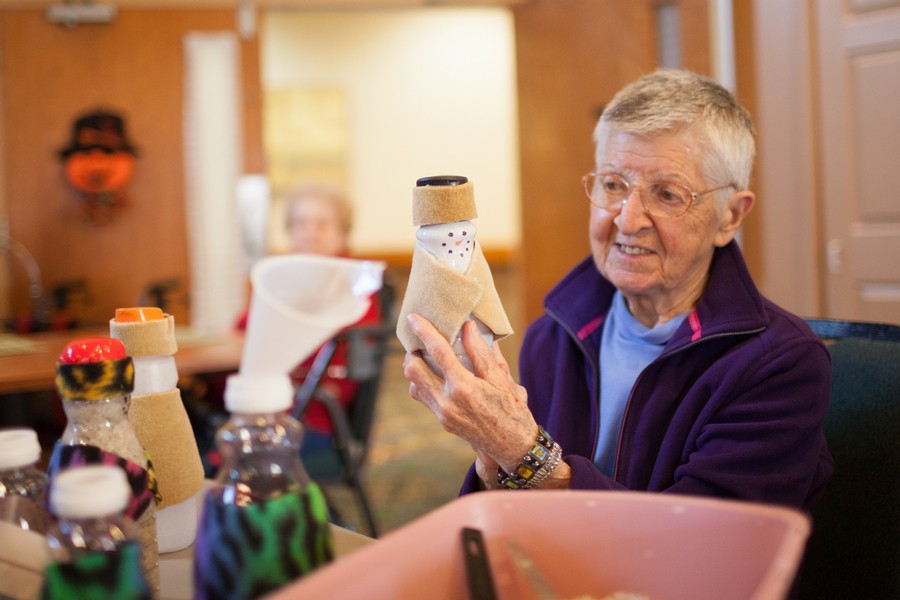
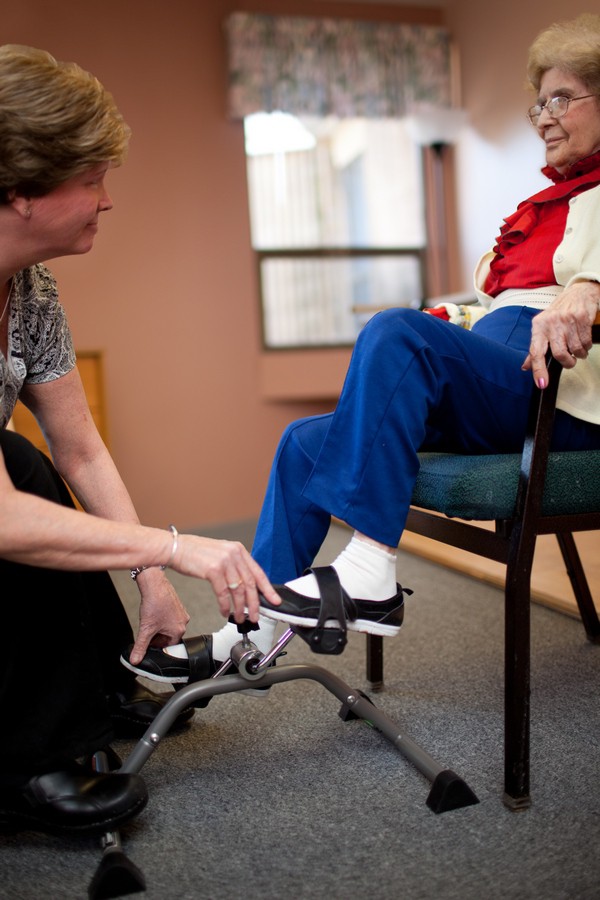
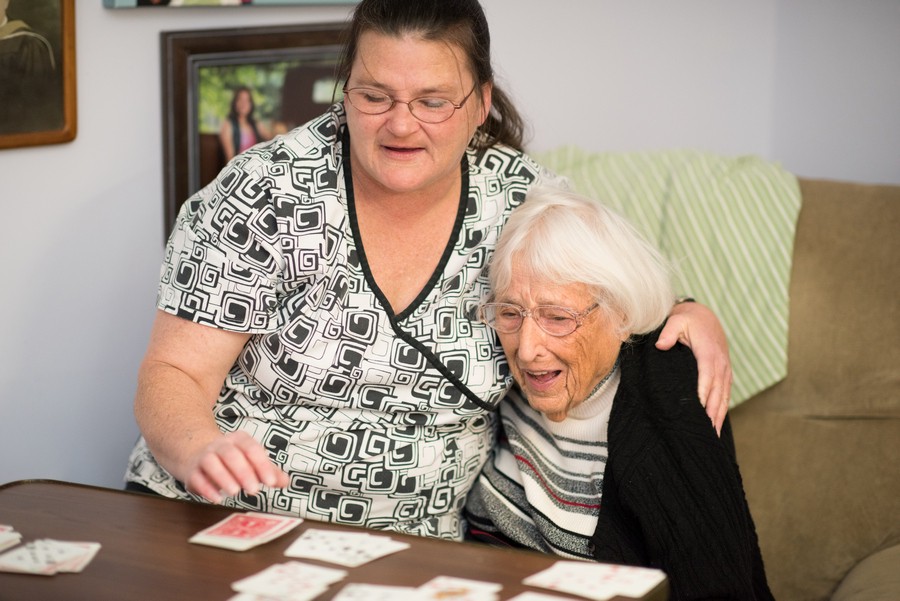
This community is best suited for seniors who want a warm, home‑like environment in Manville, Rhode Island, where staff foster genuine relationships and daily routines feel human and familiar. It fits residents who value a family‑oriented atmosphere, clean and cozy surroundings, and ongoing social programming that keeps life meaningful even as needs evolve. The layout and staff engagement create a sense of belonging that can translate into steadier moods and easier transitions for those moving from independent living into supportive care, especially when hospice or end‑of‑life considerations may arise.
Those considering alternatives should weigh the facility against residents with higher medical acuity or tighter safety requirements. Several reviews highlight potential red flags around medication management, triage, and emergency responsiveness, including claims of misdiagnoses or delayed calls for help. For families needing rigorous, consistently-medical oversight with transparent incident handling and zero tolerance for lapses, this may not be the first choice. A more clinical setting with a stable, fully licensed nursing staff and formalized risk management processes could offer greater reassurance to those with complex chronic conditions or a history of hospital‑level needs.
On the upside, the strongest prospective advantage is the atmosphere: a warm, clean, and inviting home that residents often describe as comforting and non‑clinical. Positive accounts emphasize staff who connect with residents personally, maintain a hospitable tone, and treat daily life, meals, activities, and routines, with care. The facility’s home‑like vibe is amplified by a family feel among staff and residents, with independent living units and a sense of continuity that supports wellbeing. When care partners align with residents’ preferences, this can translate into meaningful improvements in mood, engagement, and overall satisfaction.
Yet the darker notes cannot be ignored. A handful of reviews allege serious lapses in nursing practice, including claims of verbal abuse in some staff–resident interactions and, more gravely, accusations of medication errors and misdiagnoses. There are also complaints about abrupt or poorly explained discharges and inconsistent communication, which undermine trust during transitions. These reports, while not universal in the feedback, indicate a real variability in day‑to‑day safety and reliability. They signal the need for rigorous due diligence and direct verification of current practices before committing to this setting.
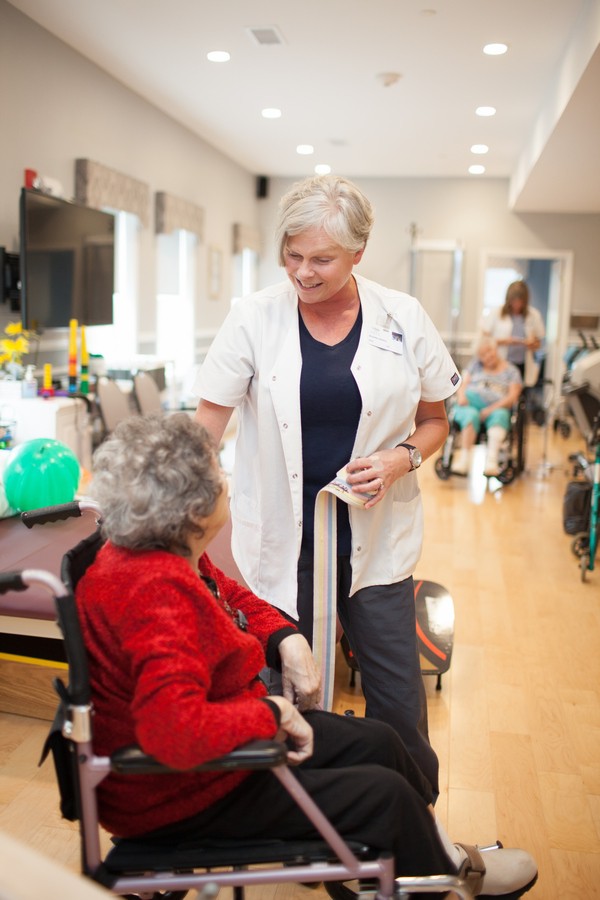
Practical due‑diligence steps should guide any decision: request the latest state inspection and any corrective action plans, and speak with multiple staff members during a tour to gauge consistency in care standards. Review how medication administration is handled, how emergencies are escalated, and what the formal channels are for family involvement and issue resolution. Ask to observe a shift, particularly CNA–resident interactions, and query the facility’s approach to hospice and palliative care coordination. Family members should also probe resident privacy, quality of life programming, and the availability of timely transportation and discharge planning.
In the end, this community presents a compelling case for families who prize a genuine home atmosphere, personal connections, and a care team that becomes part of the extended family. When the priority is warmth, daily liveliness, and approachable staff who treat residents with dignity, the positives can outweigh the concerns. However, for those who demand unwavering medical rigor, transparent safeguarding of medications, and consistently documented safety protocols, alternatives with stronger clinical governance may be wiser. The choice hinges on balancing the comfort of a homey, person‑centered culture against the imperative of dependable, error‑free medical oversight.
 170 resident community capacity
 Skilled Nursing Facility
 Air-conditioning
 Beauty salon
 Cable or satellite TV
 Computer center
 Dining room
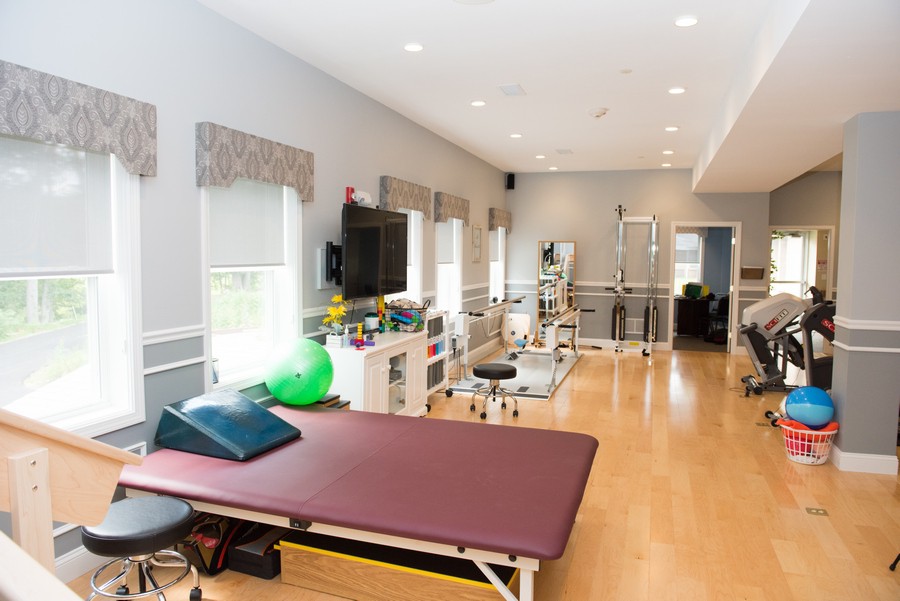
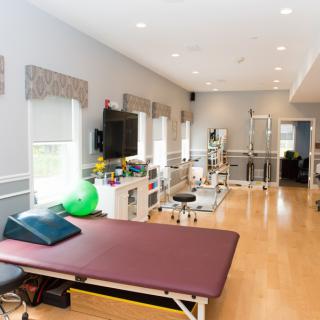
 Fitness room
 Fully furnished
 Gaming room
 Garden
 Housekeeping services
 Kitchenette
 Move-in coordination
 Outdoor space
 Private bathrooms
 Restaurant-style dining
 Small library
 Telephone
 Wellness center
 Wi-Fi/high-speed internet available
 Theodore F Green State (17 miles away)
 Community operated transportation
 12-16 hour nursing
 24-hour call system
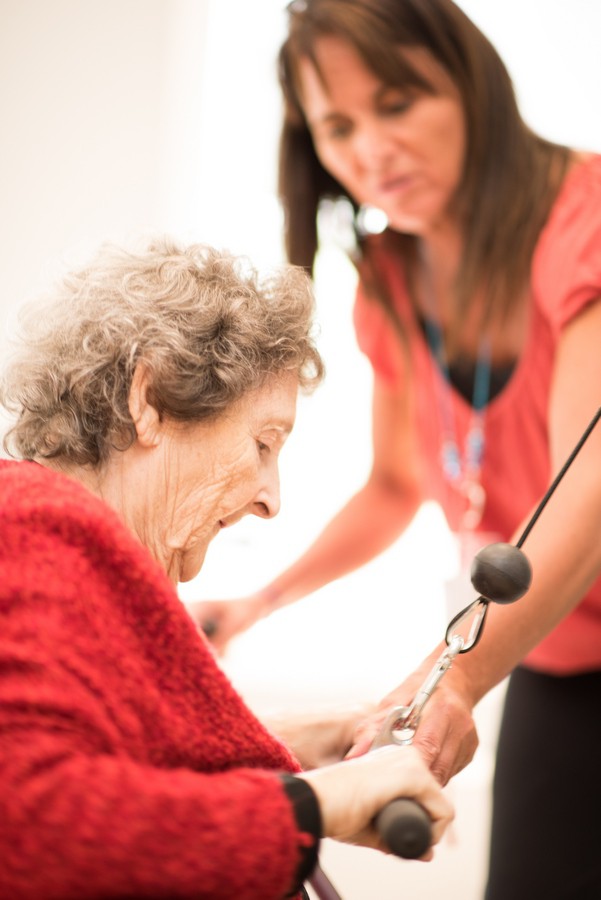
 Activities of daily living assistance
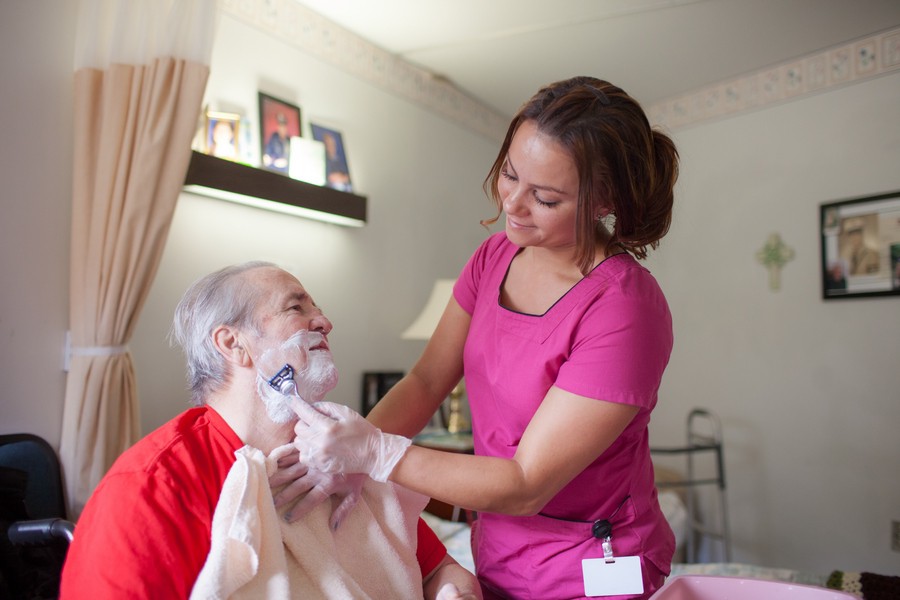
 Assistance with bathing
 Assistance with dressing
 Assistance with transfers
 Diabetes diet
 Medication management
 Mental wellness program
 Special dietary restrictions
 Concierge services
 Planned day trips



 Top Cars for Senior Drivers and Essential Safety Innovations
 A Closer Look at Private Pay Home Care
 Comprehensive Approaches for Arthritis: A Detailed Guide to Symptoms, Causes, and Care