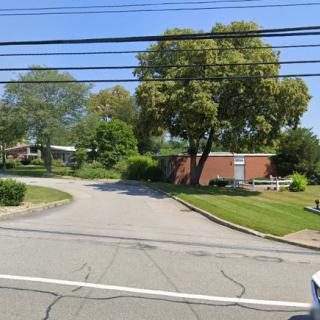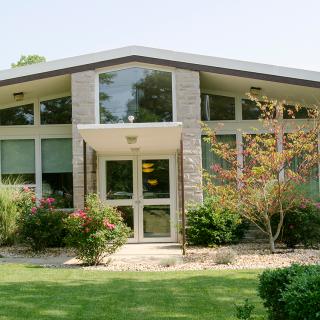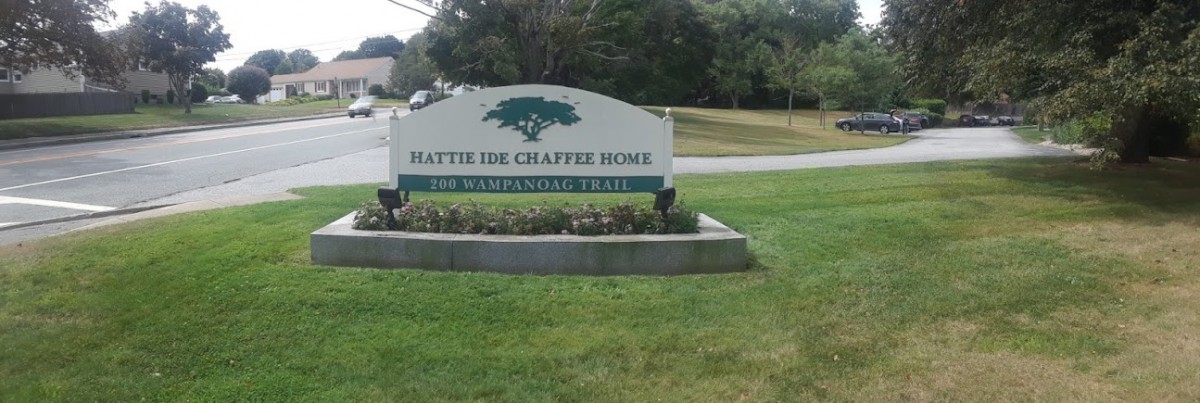
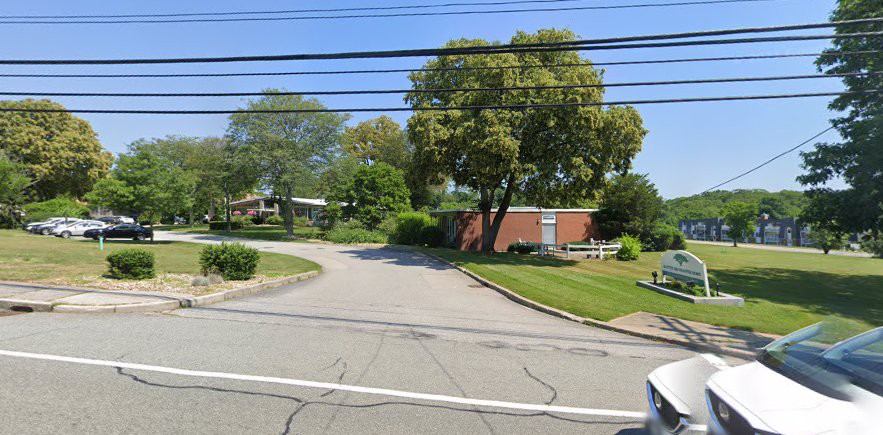
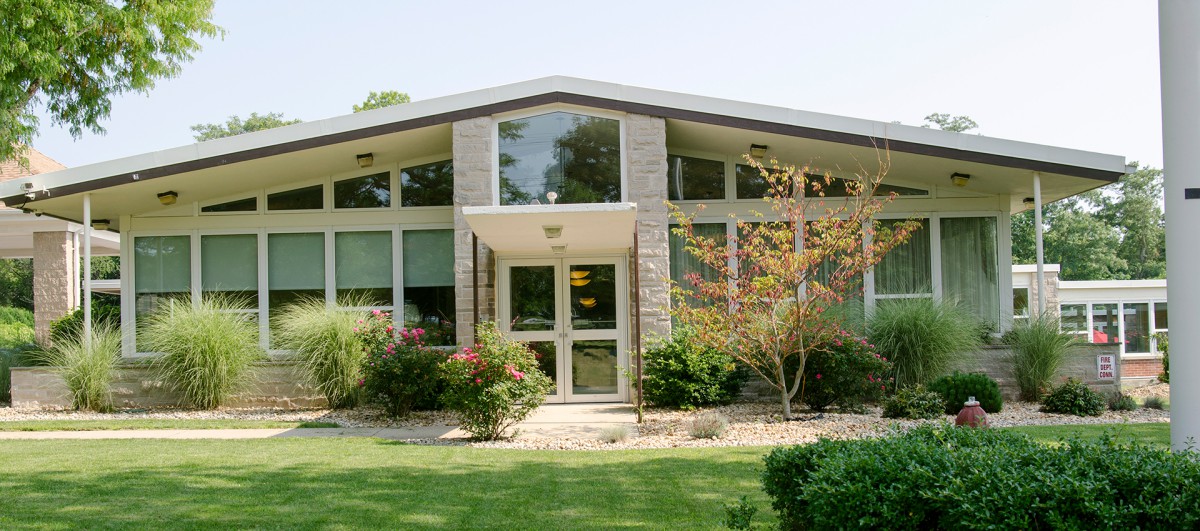
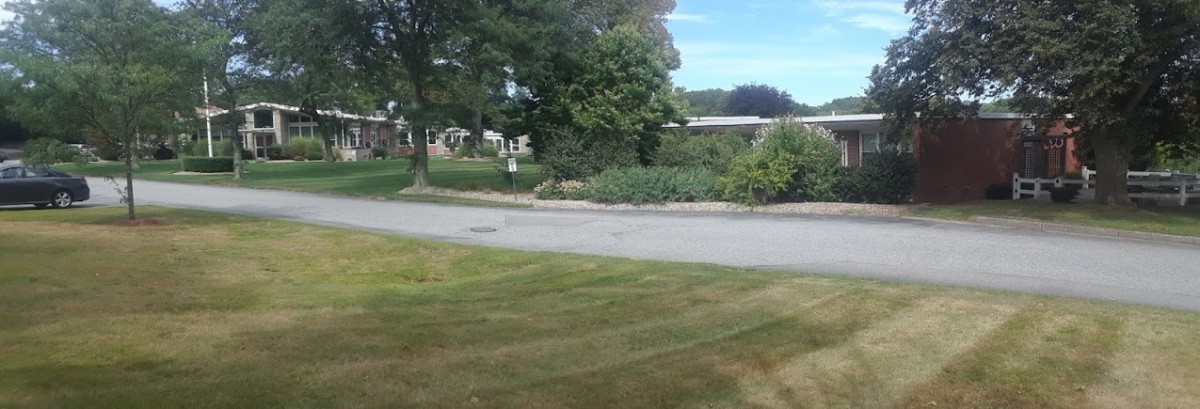
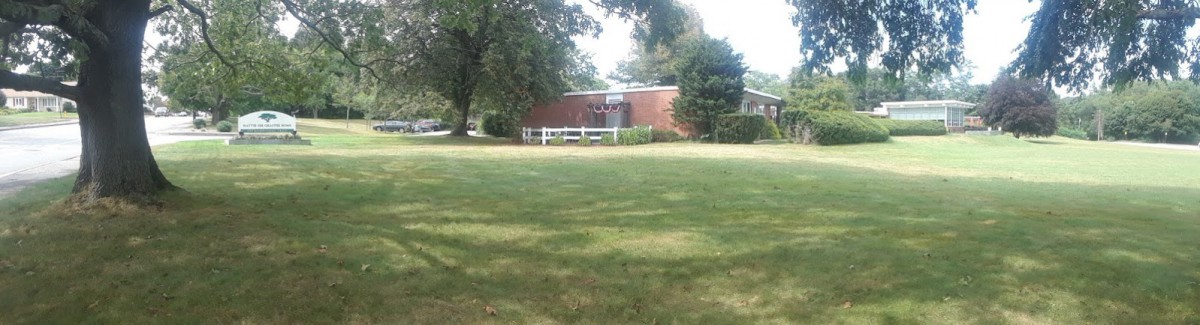
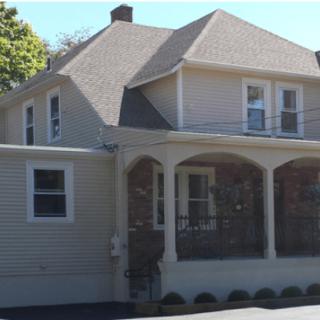
200 Wampanoag Trail, East Providence, RI 02914
For more information about senior living options: (866) 208-4318
Overall Review of Hattie Ide Chaffee Home
Pros
 The Hattie Ide Chaffee Home is a great place.
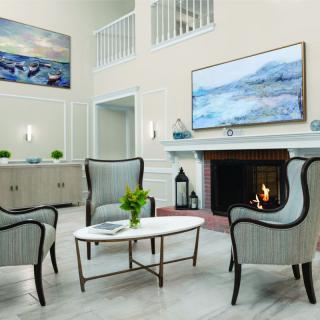
- The facility is clean and welcoming, and the staff treat residents like family.
- The care is amazing and the staff are kind.
- Nurse Sue stands out for her patience and calming presence.
- The team makes tough times easier for families.
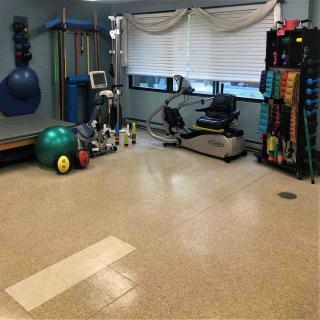
- The PT and OT departments are wonderful and help residents get back on their feet.
- The Thanksgiving Dinner in the dining hall felt like being in a restaurant, with families able to join.
- The facility is very clean, with friendly and helpful staff.
Cons
 The reviewer says employees are treated as “just another body,” not valued.
- A nurse allegedly told the family that the patient was 97 (almost 98) and had just about outlived everybody.
- The family claims there were catheterizations and medication actions done without their knowledge or notification.
- The facility was cited by the Department of Health for giving nine doses of trazodone without informing the family.
- The reviewer describes Human Resources as very rude.
- The reviewer observed the patient becoming increasingly tired and wanting to be back in bed by noon, indicating inadequate care.
- A floor nurse allegedly admitted that staff sometimes ignore restrictions unless authorities are present.
- The reviewer criticizes the food quality as not great and in need of improvement.
Review
This community is best suited for seniors who need post-acute rehab and steady daily support, especially after orthopedic procedures, and for families who prize a warm, home-like atmosphere where caregivers are consistently introduced as part of the resident’s extended family. The strongest case rests on clean spaces, a welcoming vibe, and a rehab-ready team that can make a tangible difference in mood and mobility. Notably, standouts like Nurse Sue illustrate the level of individualized attention that can tilt recovery in the right direction. When the goal is to have a resident come home stronger and more independent, this setting consistently delivers on that dimension, with therapists who partner with families to keep progress moving.
Nevertheless, potential entrants should consider alternatives if dependable, transparent medical governance is non-negotiable. Those who require meticulous medication management, regular family updates, or a consistently respectful, administration-wide culture may want to compare options. Families that prioritize seamless communication about care plans, timely escalation of concerns, and strict adherence to physician orders will want to evaluate whether the resident’s needs can be met without gaps. Likewise, families seeking a dementia-focused environment with relentlessly stable staffing and a track record of zero-ware concerns may find other facilities more consistently aligned with those expectations.
On the upside, the positives are concrete and actionable. The facility’s cleanliness and general upkeep create a calm, predictable milieu that makes daily routines feel manageable. The staff approach is frequently described as friendly and accommodating, with care teams that genuinely aim to treat residents like family. Rehab services, physical and occupational therapy, receive repeated praise for helping people regain mobility and return home. Social elements, such as a well-regarded Thanksgiving gathering and other communal touches, reinforce a sense of belonging that supports emotional well-being during recovery. In short, the core care experience can be warm, competent, and genuinely reassuring when the rehab phase is front and center.
The most serious concerns center on communication and oversight. Several reviews recount troubling encounters with staff behavior or management choices, including allegations that human resources decisions affected staff who faced personal life challenges, and reports of dismissive or insensitive responses to family inquiries. There are also specific care-episode red flags: a post-acute resident described possible catheterization issues and gaps in family notification, and a separate report details a troubling dosing pattern for a sedative that prompted a state health citation. Food quality is criticised by some residents and families, and there are strands of frustration around routine transparency and proactive notice when plans shift. Taken together, these elements do not just dim prospects; they undermine confidence in day-to-day governance.
How the positives stack up against the negatives will hinge on priorities. For families prioritizing robust rehab outcomes, a clean, friendly environment, and a personal touch from clinicians who remember a resident’s story, the pros can meaningfully offset a few lingering gaps in administration or communication. The care team’s ability to move a resident toward independence, plus the homey atmosphere, can generate meaningful relief during a stressful recovery window. However, for those who cannot tolerate uncertain communication, perceived lapses in medication oversight, or a culture where administrative responses feel inconsistent, the cons may far outweigh the benefits. In such cases, it is prudent to explore options with stronger, more transparent care governance.
In sum, Hattie Ide Chaffee Home represents a practical, capable choice for short-term rehab and gradual reintroduction to independent living when the priority is warmth, hands-on nursing attention, and solid rehabilitative momentum. It is less ideal for families needing flawless, 24/7 medical oversight and perfectly predictable communication, or for those who demand a dementia specialty with unwavering staffing stability. Prospective families should schedule a focused tour, request to speak with the director of nursing, and probe specific policies on medication management, family updates, and staff training. If those conversations confirm alignment on expectations and safeguards, this community can be a strong partner in the recovery journey.
 60 resident community capacity
 Skilled Nursing Facility
 Air-conditioning
 Beauty salon
 Cable or satellite TV
 Computer center
 Dining room
 Fitness room
 Fully furnished
 Gaming room
 Garden
 Housekeeping services
 Kitchenette
 Move-in coordination
 Outdoor space
 Private bathrooms
 Restaurant-style dining
 Small library
 Telephone
 Wellness center
 Wi-Fi/high-speed internet available
 Theodore F Green State (6 miles away)
 Community operated transportation
 12-16 hour nursing
 24-hour call system
 Activities of daily living assistance
 Assistance with bathing
 Assistance with dressing
 Assistance with transfers
 Diabetes diet
 Medication management
 Mental wellness program
 Special dietary restrictions
 Concierge services
 Planned day trips

 Weight Training for Seniors: Building Strength and Vitality
 Understanding the Sandwich Generation: Stress and Responsibilities for Multigenerational Caregivers
 8 Essential Assistive Devices for Older Adults