At Pennypack Center, the monthly cost for a private room is $6,600, which notably exceeds both the average costs in Philadelphia County at $4,448 and the statewide average in Pennsylvania of $4,890. This pricing may reflect the center's specialized services or higher quality amenities offered to residents. While it sits at a premium compared to its local and state counterparts, prospective residents and their families might consider this investment as a reflection of enhanced care and an enriched living environment tailored to individual needs.
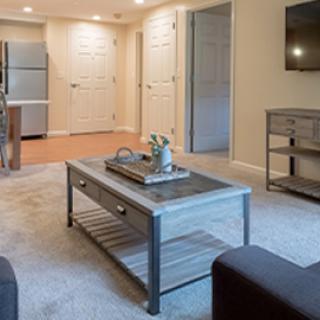
Floor plans
Pennypack Center
Philadelphia County
Pennsylvania
Private
$6,600
$4,448
$4,890
Skilled Nursing Facilities with a similar price nearby
Residents and families repeatedly describe staff who care and follow through.
Across many reviews, families say the staff treats residents well and stays engaged with questions and day-to-day needs. Multiple reviewers also highlight friendly, helpful communication from people at the front desk, nursing, and therapy. A few negative reviews mention lapses—like slow call-bell response or a lack of updates—so responsiveness is not consistently described for every visit.
differentiator20 reviews mention this
Therapy helps residents regain strength
Rehabilitation therapy is a frequent reason families recommend Pennypack.
Many reviews focus on physical therapy support, including help getting stronger and improving mobility after injury or surgery. Several families also mention therapy being tailored to the resident’s condition and highlight coordination with the care team. A minority of reviews criticize the depth or consistency of therapy and outcomes, but the overall theme is that rehab support is a major part of the experience.
common18 reviews mention this
Facility cleanliness is repeatedly noted
Cleanliness is one of the most consistently mentioned positives.
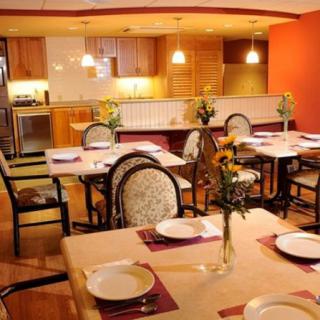
Reviewers frequently describe the building and rooms as clean, well-maintained, and orderly. Some mention cleanliness along with courteous day-to-day care, reinforcing the feeling of a well-run environment. There are also a few strongly negative reviews that describe the facility as dirty or cramped, which shows cleanliness can be a dividing point across residents’ experiences.
common6 reviews mention this
Activities keep residents engaged
Residents mention activities and engagement as part of everyday life.
Several reviews say there are activities to keep residents occupied and that recreation staff are attentive. Families also describe a more welcoming, home-like atmosphere that includes social engagement beyond therapy sessions. Not every reviewer comments on activities, but when they do, they describe it as a meaningful part of staying comfortable while recovering.
caveat4 reviews mention this
Food quality and timing vary
Meals and meal service quality are not consistently described the same way.
Some reviewers say the food is fine or even good during rehab, while others report issues like limited options or not matching dietary needs. A separate concern in a negative review is meal timing or how food temperature is served. Overall, dining shows a wider split than topics like staff kindness and cleanliness.
How we summarize
Counts show how many written reviews mention each theme; a review can touch several themes, and only frequently mentioned themes are displayed.
Features
Types of Care
Skilled Nursing Facility
Amenities
Private
Transportation
Philadelphia International (16 miles away)
Trenton-Mercer County (20 miles away)
Nearby Places of Interest
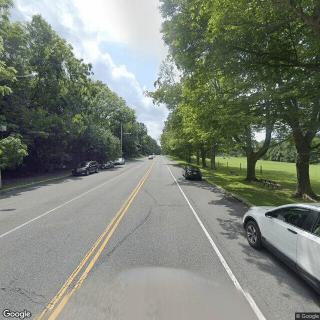
This part of Philadelphia, Pennsylvania, offers a convenient and accessible location for seniors looking to settle in a vibrant community. With several pharmacies nearby, medical facilities such as the Fox Chase Cancer Center and Holy Redeemer Hospital within close proximity, and various dining options ranging from fast food chains to cafes and restaurants, seniors can easily access essential services and enjoy a variety of culinary experiences. The area also boasts multiple parks for outdoor recreation, including Champion Park Playground and Palmer Doggie Depot, providing opportunities for leisurely walks or picnics. Additionally, transportation options like SEPTA stations ensure ease of travel within the city. Overall, this neighborhood offers a blend of convenience, healthcare resources, dining establishments, recreational spaces, and transportation access that may appeal to seniors seeking a comfortable and well-rounded living environment in Philadelphia.
Pharmacies
Url Pharma (0.5 miles)
Rite Aid (1 miles)
Rite Aid (2.1 miles)
Rite Aid (2.1 miles)
CVS Pharmacy (2.6 miles)
Walgreens (3.3 miles)
CVS Pharmacy (3.4 miles)
Parks
Champion Park Playground (0.6 miles)
Womrath Park (4.5 miles)
Palmer Doggie Depot (7.4 miles)
Palmer Park Farmers Market (7.4 miles)
Piazza Dog Park (8.1 miles)
Race Street Pier (8.9 miles)
Franklin Square (9 miles)
Hospitals
Fox Chase Cancer Center (1.1 miles)
Holy Redeemer Hospital (2.7 miles)
Aria Health (3.6 miles)
Abington Hospital, Widener Building (4.2 miles)
Abington Memorial Hospital (4.2 miles)
Albert Einstein Employee Health Center (4.4 miles)
Jefferson Torresdale Hospital (4.6 miles)
Cafes
Starbucks (1.7 miles)
ReAnimator Coffee (7.2 miles)
La Colombe Coffee Roasters (7.7 miles)
Starbucks (8.1 miles)
The Landing Kitchen (8.5 miles)
Pilgrim Roasters (8.6 miles)
Panera Bread (8.6 miles)
Restaurants
Chick-Fil-A (3.3 miles)
McDonald's (3.5 miles)
Point After (4.3 miles)
Chick-Fil-A (4.5 miles)
Texas Chicken & Burgers (4.7 miles)
McDonald's (4.7 miles)
Taco Bell (5.7 miles)
Transportation
SEPTA Jenkintown-Wyncote Station (3.8 miles)
Stenton Station (5.8 miles)
Septa Wayne Junction Station (5.8 miles)
Septa Warminster Train Stn (8.6 miles)
Physicians
Frankford Avenue Health Center (4 miles)
Simms Hank Md Albert Einstein Medical Center Philadelphia (4.6 miles)
At Pennypack Center, the monthly cost for a private room is $6,600, which notably exceeds both the average costs in Philadelphia County at $4,448 and the statewide average in Pennsylvania of $4,890. This pricing may reflect the center's specialized services or higher quality amenities offered to residents. While it sits at a premium compared to its local and state counterparts, prospective residents and their families might consider this investment as a reflection of enhanced care and an enriched living environment tailored to individual needs.
Elder abuse affects many older adults worldwide and includes physical, emotional, neglectful, and financial harm, with about one in six individuals over 60 experiencing abuse annually. Prevention and intervention strategies focus on awareness, support for caregivers, and mandatory reporting, while recovery necessitates comprehensive support for both physical and emotional needs.
The guide details ten essential responsibilities of senior caregivers, including personal care, mobility assistance, medication management, and emotional support, while emphasizing the importance of safety, nutrition, and maintaining a safe living environment to enhance seniors' quality of life and independence.
The article highlights nine memory-boosting activities for seniors that enhance cognitive health and social interaction, including puzzles, trivia quizzes, and storytelling, while emphasizing the importance of adapting these activities to individual preferences to maximize enjoyment and engagement. Consistent mental engagement is linked to improved cognitive function and emotional well-being in older adults.
Get PricingAsk A QuestionSchedule A TourContact Senior Advisor
By clicking submit, you agree to our Partner's Terms of Use. You
also consent to receive calls and texts, which may be autodialed, from our Partner. Your consent is not a condition to
using our Partner's service. Please visit our Partner's Privacy Policy for information about their privacy practices.

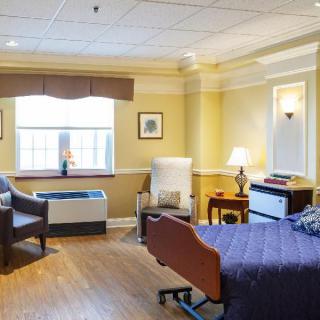

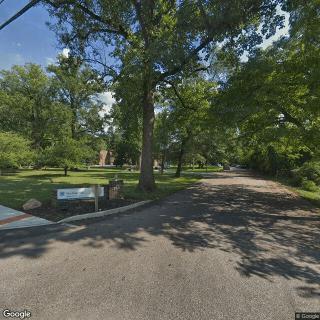
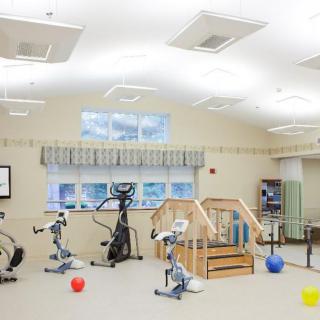
 Skilled Nursing Facility
 Private
 Philadelphia International (16 miles away)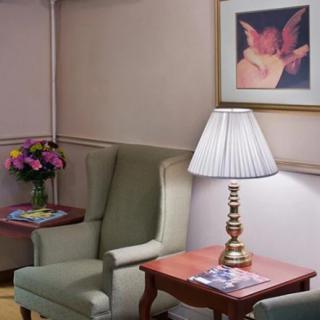
 Comprehensive amenities and 24/7 supervision.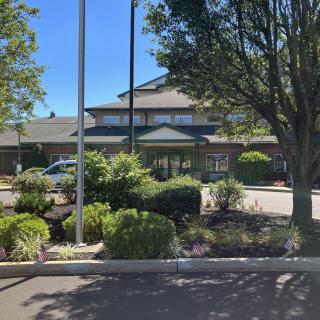

 Powerful Realities of Elder Abuse and the Most Effective Ways to Report It
 Ten Vital Duties of a Senior Caregiver: A Comprehensive Guide
 9 Stimulating Memory Activities for Seniors: Puzzles, Cards, and Much More