Kearsley Rehabilitation and Nursing Center in Philadelphia, PA

Save

Kearsley Rehabilitation and Nursing Center in Philadelphia, PA

Information last verified:

2100 N 49th St, Philadelphia, PA 19131

For more information about senior living options: (844) 490-3973

4.2 from 157 reviews
5 stars
103
4 stars
24
3 stars
6
2 stars
3
1 stars
21

Overall Review of Kearsley Rehabilitation and Nursing Center

Pros

  • pro The staff are friendly, attentive, and professional.
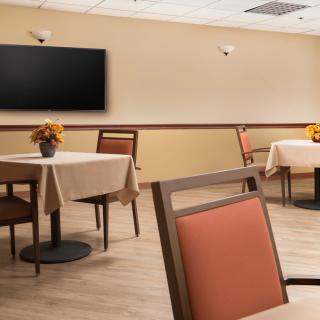
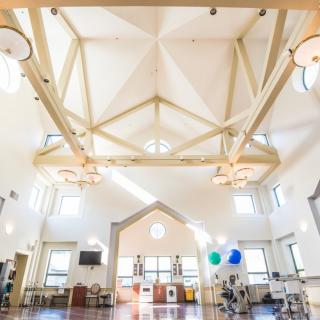
  • pro The facility is clean, well maintained, and welcoming.
  • pro The nursing and rehabilitation teams are outstanding and patient.
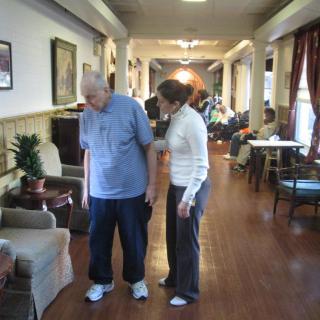
  • pro Therapy services help residents regain mobility and confidence.
  • pro Families appreciate open communication and timely updates.
  • pro Residents feel comfortable, safe, and well cared for.
  • pro Many reviewers would recommend Kearsley to others.
  • pro The administration and leadership are caring and responsive.

Cons

  • pro The facility is described as filthy and poorly cleaned, with rooms and bathrooms that look neglected.
  • pro Care is described as neglectful, with residents left without timely assistance and at risk of bedsores.
  • pro Staffing is described as chronically short, leaving aides overworked and care delays.
  • pro The front desk staff is described as rude and unprofessional.
  • pro Residents are reported to be left sitting in feces or urine for hours.
  • pro There are heating issues, including nights with no heat.
  • pro There are shortages of supplies and linens.
  • pro The food is described as dreadful with very small portions.

Review

Kearsley Rehabilitation and Nursing Center in Philadelphia is best suited for families seeking a rehab-forward option where intensive therapy and hands-on staff support can drive concrete improvements in mobility and daily functioning. This community shines for short-term stays after hospitalization, particularly when cardiac or general physical therapy is central to the plan, and when a resident benefits from a well-staffed rehab unit, accessible admissions support, and a clean, welcoming environment. For someone who values a facility that prioritizes therapy outcomes, attentive nursing care, and a transparent care process that includes family involvement, Kearsley is a compelling choice.

At the same time, certain families should consider alternatives. If the top priority is long-term custodial care with near-constant, highly vigilant staffing, or if a loved one requires uncompromising infection control and isolation procedures, the record here warrants caution. Several reviews note variability in staffing levels and in daily attention, particularly after hours, with concerns about responsiveness and consistent supervision. If dependable housekeeping, flawless cleanliness, and consistently exemplary communication are non-negotiable, exploring other options may be prudent. Also, for residents who prize consistently excellent nutrition and meal service, some feedback points to room for improvement in food quality and portion size.

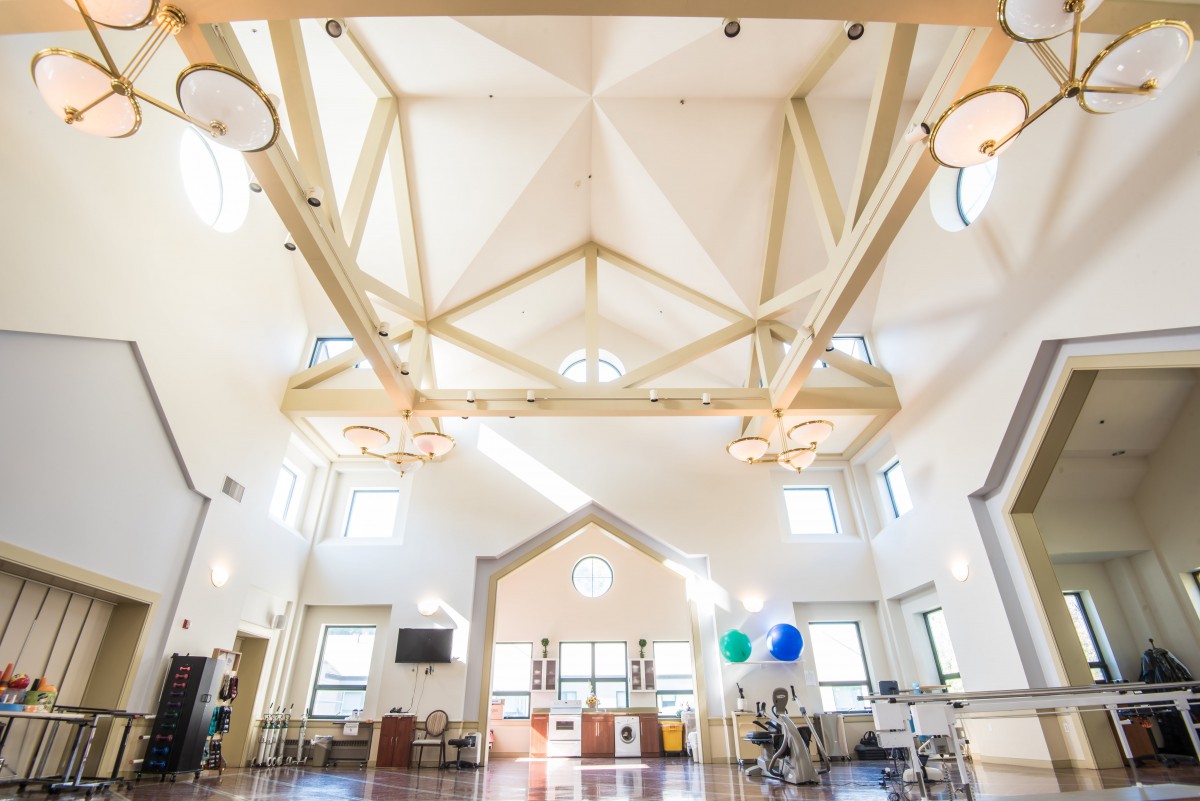
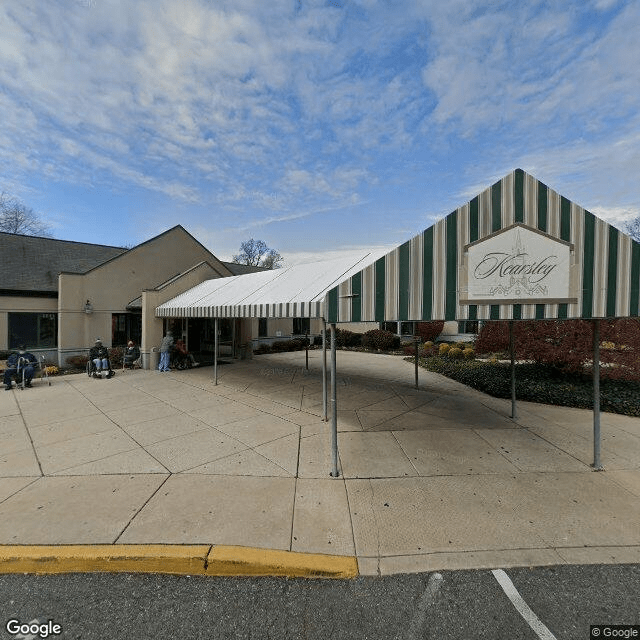
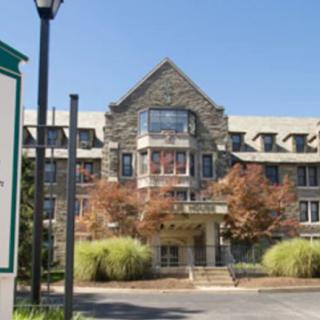
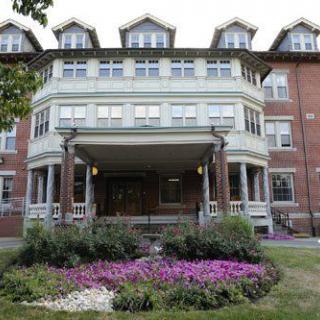
The strongest, repeatable positives come from therapy and overall clinical responsiveness. Residents and families repeatedly praise the rehab team for tailoring exercises to individual needs, progressing mobility, and providing practical tips that translate into real independence. Nursing staff are frequently described as responsive and professional, with many aides who are patient, kind, and attentive. The administration and social work teams are highlighted for accessibility and ongoing communication, helping families stay informed and engaged throughout transitions. The physical plant and ambience, the attractive exterior, clean rooms, and peaceful environment, round out a credible case that Kearsley supports recovery in a tangible, patient-centered way.

Those clinical and operational strengths, however, sit beside a spectrum of concerns that cannot be dismissed. Several reviews report experiences that range from satisfactory to severely deficient, painting a picture of inconsistent care delivery. Complaints about heat issues, delayed or mismanaged medications, and gaps in housekeeping or linen supply recur enough to warrant serious attention. Accusations from some families describe situations in which patients were left unattended, fed improperly, or subjected to neglectful handling. While many residents’ stays are described as positive and even outstanding, these outlier experiences suggest that reliability may hinge on shift coverage, administrative responsiveness, and the particular staff on duty. For families weighing options, these are meaningful risk signals to explore during tours and conversations with leadership.

The key pros offset the main cons most meaningfully for prospective rehab-focused users who can structure a setup that mitigates risk. When therapy is the centerpiece, the facility can deliver superior functional gains that expedite return to daily life or work. Strong admissions support, proactive social work, and a generally clean, well-kept environment provide a trustworthy framework for recovery. Conversely, for long-term residents or those with complex medical needs requiring constant, flawless execution, the reported inconsistencies, especially around staffing levels, after-hours coverage, and some care controls, mean the perceived benefits may not fully offset the risk. In short, Kearsley is a strong match where rehab momentum and family collaboration are central; it is less reliable as a guarantee of uniform safety and seamless daily living across all shifts.

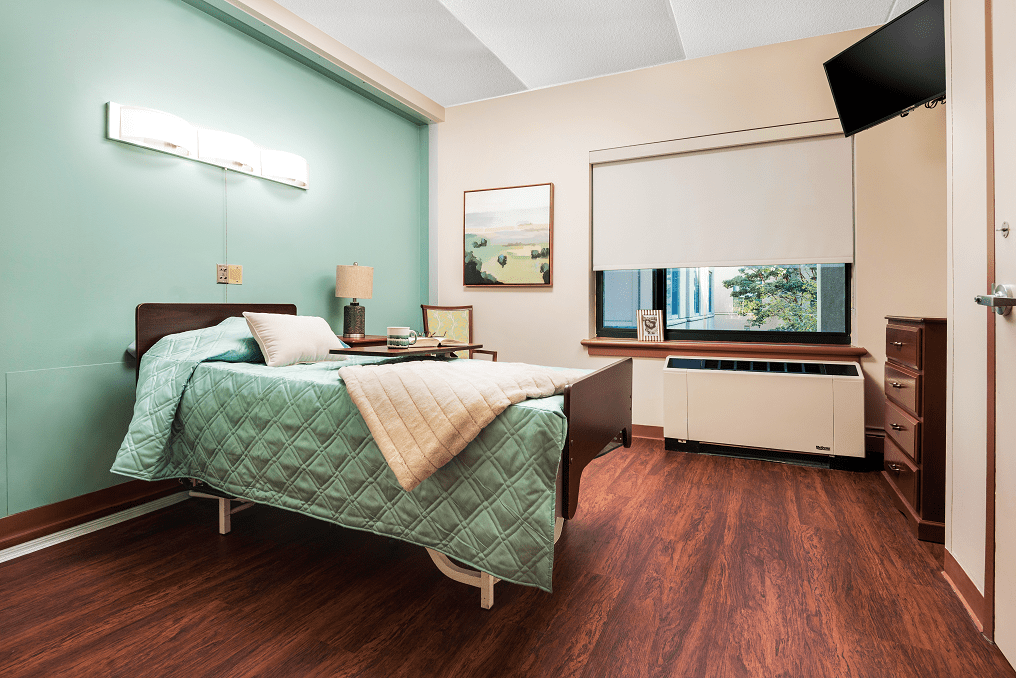
For families evaluating, concrete steps make the difference. Ask about current staffing ratios on the rehab and medical floors, especially overnight and weekend coverage; request specific examples of how call lights are handled during peak times; review the most recent state inspections and any open deficiencies; tour during several shifts to observe how meals, hygiene, and medication administration are actually performed; and speak candidly with the director and DON about how adverse events are investigated and addressed. Additionally, inquire into room options, including single-occupancy accommodations and isolation capabilities if infection control is a concern, and confirm how family communication is structured, who will be the primary point of contact, and how promptly are updates provided after therapy sessions or medical changes.

Ultimately, Kearsley Rehabilitation and Nursing Center presents a practical, capable choice for families prioritizing rehabilitation outcomes and a supportive, patient-centered atmosphere. The facility’s therapy team and nursing staff frequently deliver the high-quality care essential to meaningful recovery, and the environment is consistently described as clean, welcoming, and conducive to healing. Yet the decision cannot ignore the variances in experience noted across reviews: concerns about staffing sufficiency, care consistency, and some important cleanliness and scheduling issues. Prospective residents should enter with clear expectations, a plan for active family involvement, and a readiness to readdress concerns quickly if the care routine diverges from the desired standard. For families who can anchor a stay with vigilant oversight and a focus on therapy-driven progress, Kearsley is a strong, workable choice. For those whose criteria tilt toward ironclad daily safety, sustained oversight, and uniformly exceptional day-to-day operations, it would be wise to compare other nearby options before committing.

Features

Housing

  • 84 resident community capacity 84 resident community capacity

Types of Care

  • Skilled Nursing Facility Skilled Nursing FacilitySkilled Nursing Facilities are crucial for seniors as they provide round-the-clock medical care, rehabilitation services, and assistance with daily activities. These facilities ensure that seniors receive the specialized care they need to maintain their health and well-being as they age.

Amenities

  • Activities on-site Activities on-siteActivities on-site are important for seniors because they provide opportunities for socialization, mental stimulation, physical activity, and overall well-being. Engaging in activities can help seniors stay active, maintain their independence, and improve their quality of life.
  • Air-conditioning Air-conditioningAir conditioning is important for seniors as they are more vulnerable to heat-related illnesses and may have underlying health conditions that make it difficult for them to regulate their body temperature. It helps to keep them comfortable, safe, and healthy in hot weather.
  • Beautician on-site Beautician on-siteHaving a beautician on-site at a senior living community is important for seniors as it allows them to easily access grooming and personal care services, boosting their self-esteem and overall well-being. It also provides convenience and helps seniors maintain their sense of independence and personal style.
  • Beauty salon Beauty salonBeauty salons are important for seniors because they provide a space for them to feel pampered, socialize, and maintain their personal grooming and hygiene. Regular visits to a beauty salon can help boost seniors' self-esteem and overall well-being.
  • Cable or satellite TV Cable or satellite TVCable or satellite TV is important for seniors because it provides entertainment, news, and companionship, helping to combat loneliness and boredom. It also offers a wide range of programming options tailored to different interests and preferences.
  • Computer center Computer centerA computer center is essential for seniors as it provides access to technology, communication tools, and resources that can enhance their daily lives. It allows them to stay connected with loved ones, engage in online activities, and learn new skills, ultimately promoting socialization and mental stimulation.
  • Devotional services off-site Devotional services off-siteDevotional services off-site are important for seniors as they provide spiritual nourishment, social engagement, and a sense of community outside of the senior living facility. This can enhance overall well-being and help combat feelings of isolation and loneliness often experienced by older adults.
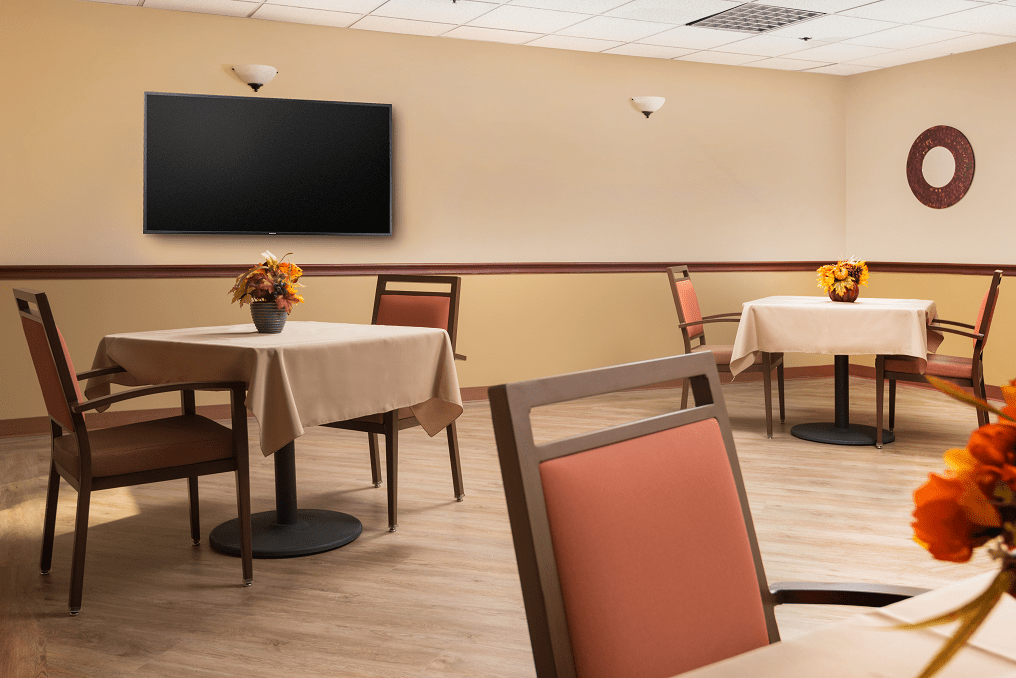
  • Dining room Dining roomDining rooms are important for seniors as they provide a space for socialization, connection, and nutritious meals. They offer opportunities for residents to bond over shared meals, foster a sense of community, and promote healthy eating habits. Dining rooms also ensure that seniors have access to well-balanced meals tailored to their dietary needs and preferences.
  • Fitness room Fitness roomHaving a fitness room in a senior living community is essential for seniors to stay active, maintain their physical health, and improve their overall well-being. Regular exercise can help prevent falls, reduce the risk of chronic diseases, and promote mental sharpness. It also provides social opportunities for residents to connect with others and enjoy a sense of community.
  • Fully furnished Fully furnishedFully furnished senior living communities are important for seniors because they provide convenience, comfort, and a hassle-free moving experience. Seniors can easily settle into their new living space without the stress of having to buy and move furniture. This allows them to focus on enjoying their new home and community.
  • Gaming room Gaming roomGaming rooms are important for seniors as they provide a fun and engaging environment for socializing, cognitive stimulation, and physical activity. Games can improve memory, problem-solving skills, and overall mental well-being while fostering friendships and reducing feelings of isolation.
  • Garden GardenGardens are important for seniors as they provide a peaceful and therapeutic environment for relaxation, physical activity, and socialization. Being in nature has been shown to reduce stress, improve mood, and promote overall well-being. Gardens also offer opportunities for seniors to engage in gardening activities, which can improve mobility, flexibility, and cognitive function. Additionally, gardens create a sense of community and connection with others who share a passion for plants and outdoor spaces.
  • Housekeeping services Housekeeping servicesHousekeeping services are important for seniors because they help maintain a clean and safe living environment, promote independence, and reduce the risk of accidents or illnesses. Additionally, having assistance with household chores can alleviate physical strain and allow seniors to focus on other aspects of their well-being.
  • Indoor common areas Indoor common areasIndoor common areas are crucial for seniors as they provide a space for socialization, recreation, and community engagement, promoting overall well-being and reducing feelings of isolation and loneliness.
  • Kitchenette KitchenetteKitchenettes are important for seniors living in senior living communities because they provide the convenience and independence of being able to prepare simple meals and snacks in the comfort of their own living space. This can help promote a sense of autonomy and well-being for seniors, allowing them to maintain some level of control over their dietary choices and daily routines.
  • Move-in coordination Move-in coordinationMove-in coordination is important for seniors because it helps ease the transition into their new living environment. It ensures that all logistics, such as packing, organizing movers, and setting up utilities are taken care of, allowing seniors to focus on settling in and adjusting to their new home. Having a smooth move-in process can alleviate stress and anxiety, making the transition smoother and more enjoyable for seniors.
  • Outdoor space Outdoor spaceOutdoor spaces are important for seniors as they provide opportunities for physical activity, social interaction, exposure to natural light and fresh air, and a sense of connection to nature. Having access to outdoor spaces can improve overall well-being and quality of life for older adults living in senior communities.
  • Private bathrooms Private bathroomsPrivate bathrooms are important for seniors in senior living communities because they provide independence, dignity, and comfort. Having a private bathroom allows seniors to maintain their personal hygiene routines without the need for assistance, promoting a sense of autonomy and privacy. Additionally, private bathrooms help prevent the spread of infections and provide a safe and clean environment for seniors to navigate safely.
  • Respite or short term stays offered Respite or short term stays offeredRespite or short term stays provide seniors with a temporary solution when their regular caregiver is unavailable, offering them the opportunity to receive additional care and support during times of need, while also giving caregivers a chance to rest and recharge.
  • Restaurant-style dining Restaurant-style diningRestaurant-style dining is important for seniors because it allows them to enjoy delicious, nutritious meals in a social and upscale setting. This enhances their dining experience, promotes healthy eating habits, and fosters socialization with fellow residents, ultimately contributing to their overall well-being and quality of life.
  • Small library Small librarySmall libraries are important for seniors as they provide access to a variety of reading materials, including books, newspapers, and magazines. This can help stimulate their minds, keep them engaged, and provide a sense of community through book clubs and other social activities. Additionally, reading has been shown to improve cognitive function and overall mental well-being in older adults.
  • Telephone TelephoneTelephones are important for seniors as they provide a lifeline for communication with loved ones, emergency services, and healthcare providers. They offer a sense of security and independence, enabling seniors to stay connected and access assistance when needed.
  • Wellness center Wellness centerWellness centers are important for seniors because they offer a variety of programs and services that promote physical, mental, and emotional well-being. These centers provide opportunities for exercise, socialization, education, and relaxation, helping seniors maintain their overall health and quality of life.
  • Wi-Fi/high-speed internet available Wi-Fi/high-speed internet availableWi-Fi/high-speed internet is important for seniors to stay connected with loved ones, access online resources, and participate in virtual activities to combat feelings of loneliness and isolation. It also allows them to easily manage healthcare needs, access entertainment, and engage in lifelong learning opportunities.

Transportation

  • Philadelphia International (8 miles away) Philadelphia International (8 miles away)
  • Community operated transportation Community operated transportationCommunity operated transportation is crucial for seniors as it provides them with the means to access essential services, social activities, and medical appointments. It allows seniors to maintain their independence and quality of life by ensuring they can participate in activities outside of their homes. Additionally, community-operated transportation services offer a safe and reliable way for seniors to travel without having to rely on family or friends for assistance.
  • Transportation arrangement Transportation arrangementTransportation arrangements are crucial for seniors as they may face challenges with driving, mobility, or access to public transportation. Having reliable transportation services ensures that seniors can easily attend appointments, social activities, and maintain their independence and quality of life.
  • Transportation arrangement (non-medical) Transportation arrangement (non-medical)Transportation arrangements are essential for seniors as they provide access to essential services, activities, and social interactions outside the home. This service helps maintain independence, mobility, and overall well-being for seniors who may have limited transportation options.
  • Transportation to doctors appointments Transportation to doctors appointmentsTransportation to doctors appointments is crucial for seniors as it ensures they have access to necessary medical care and support, promoting their health and well-being. It allows them to receive timely treatment, monitor existing conditions, and address any new health concerns efficiently. Additionally, transportation services can help seniors maintain their independence and quality of life by enabling them to stay connected with their healthcare providers.

Care Services

  • 12-16 hour nursing 12-16 hour nursing12-16 hour nursing care is crucial for seniors in order to ensure around-the-clock monitoring, timely medication administration, and prompt response to any health concerns or emergencies. This level of care helps to promote the overall well-being and safety of seniors living in senior living communities.
  • 24-hour call system 24-hour call system24-hour call systems are important for seniors because they provide peace of mind and immediate assistance in case of emergencies. This technology ensures that help is always available, promoting safety and security for elderly individuals living alone or in assisted living facilities.
  • 24-hour supervision 24-hour supervision24-hour supervision is important for seniors to ensure their safety, well-being, and access to immediate assistance in case of emergencies or health issues. This constant support provides peace of mind for both seniors and their loved ones, allowing them to age in place with dignity and security.
  • Activities of daily living assistance Activities of daily living assistanceActivities of daily living assistance are important for seniors because they provide essential support with tasks such as eating, bathing, dressing, and mobility. This assistance helps seniors maintain their independence, dignity, and overall quality of life as they age.
  • Ambulatory care Ambulatory care"Ambulatory care services provide essential medical support and treatment to seniors without requiring hospitalization, allowing them to maintain their independence and quality of life while managing chronic conditions or receiving routine medical care."
  • Assistance with bathing Assistance with bathingAssistance with bathing is crucial for seniors as it helps maintain personal hygiene, prevents infections, and ensures their overall well-being and comfort. It also provides a sense of dignity and independence for seniors who may struggle with this task on their own.
  • Assistance with dressing Assistance with dressingAssistance with dressing is important for seniors because it helps maintain their independence, promotes personal hygiene, prevents accidents and injuries, and improves overall quality of life. This service ensures that seniors can continue to dress comfortably and confidently, despite any physical limitations they may have.
  • Assistance with transfers Assistance with transfersAssistance with transfers is crucial for seniors as it helps prevent falls and injuries, maintains their independence, and ensures they can safely navigate their living environment. It also provides peace of mind for both seniors and their loved ones.
  • Diabetes diet Diabetes dietA diabetes diet is crucial for seniors as it helps manage blood sugar levels, reduce risks of complications, and improve overall health and well-being. By following a balanced and nutritious diet tailored to their specific needs, seniors can better control their diabetes and enhance their quality of life.
  • Diabetic care Diabetic careDiabetic care is crucial for seniors as they are more susceptible to developing diabetes due to aging and other health conditions. Proper management of diabetes can help prevent complications such as heart disease, vision loss, and nerve damage, improving the overall quality of life for seniors in senior living communities.
  • High acuity care High acuity careHigh acuity care is important for seniors because it provides specialized medical attention and support for individuals with complex medical needs. This level of care ensures that seniors receive the appropriate treatment and assistance to maintain their health and quality of life as they age.
  • Meal preparation and service Meal preparation and serviceMeal preparation and service are crucial for seniors as they may have limited mobility or energy to cook nutritious meals. Having access to healthy and convenient food options can ensure they are getting the proper nutrition needed to maintain their overall health and well-being.
  • Medication management Medication managementMedication management is crucial for seniors to ensure they are taking the right medications at the correct dosages and times. This helps prevent adverse drug interactions, reduces the risk of medication errors, and promotes overall health and well-being. Proactive management also allows for adjustments as needed based on changing health conditions or new prescriptions.
  • Mental wellness program Mental wellness programMental wellness programs are essential for seniors as they promote cognitive stimulation, emotional support, and social engagement. These programs help prevent isolation, depression, and cognitive decline, ultimately enhancing the overall quality of life for older adults.
  • Special dietary restrictions Special dietary restrictionsSpecial dietary restrictions are important for seniors because age-related changes in metabolism and health conditions can make it difficult for their bodies to process certain foods. By following a diet tailored to their specific needs, seniors can maintain their overall health and well-being, manage chronic conditions, and reduce the risk of complications such as malnutrition or food interactions with medications.

Dining

  • Diabetes diet Diabetes dietA diabetes diet is crucial for seniors as it helps manage blood sugar levels, reduce risks of complications, and improve overall health and well-being. By following a balanced and nutritious diet tailored to their specific needs, seniors can better control their diabetes and enhance their quality of life.
  • Meals provided Meals provided"Meals provided" are crucial for seniors in assisted living communities as it ensures they have access to nutritious, balanced meals without the stress of meal planning and preparation. This can help promote overall health and well-being for seniors who may have limited mobility or cognitive abilities.
  • Special dietary restrictions Special dietary restrictionsSpecial dietary restrictions are important for seniors because age-related changes in metabolism and health conditions can make it difficult for their bodies to process certain foods. By following a diet tailored to their specific needs, seniors can maintain their overall health and well-being, manage chronic conditions, and reduce the risk of complications such as malnutrition or food interactions with medications.

Activities

  • Activities on-site Activities on-siteActivities on-site are important for seniors because they provide opportunities for socialization, mental stimulation, physical activity, and overall well-being. Engaging in activities can help seniors stay active, maintain their independence, and improve their quality of life.
  • Community-sponsored activities Community-sponsored activitiesCommunity-sponsored activities are important for seniors as they provide opportunities for social interaction, mental stimulation, and physical activity. These activities can help improve overall well-being, combat loneliness and isolation, and promote a sense of belonging and purpose among older adults.
  • Concierge services Concierge servicesConcierge services are essential for seniors as they provide assistance with daily tasks and errands, enhance their quality of life by offering convenience and personalized care, and promote a sense of safety and security.
  • Devotional activities offsite Devotional activities offsiteDevotional activities offsite are important for seniors because they provide social engagement, spiritual growth, and a sense of community outside of their living environment. This can improve overall well-being, mental health, and combat feelings of isolation or loneliness.
  • Fitness programs Fitness programsFitness programs are crucial for seniors as they help improve strength, flexibility, balance, and overall well-being. Staying active can reduce the risk of chronic diseases, improve mental health, and enhance quality of life in older adults.
  • Planned day trips Planned day tripsPlanned day trips are important for seniors because they offer opportunities for socialization, mental stimulation, and physical activity. They provide a change of scenery and help seniors stay engaged and connected to their community, promoting overall well-being and quality of life.
  • Resident-run activities Resident-run activitiesResident-run activities are important for seniors as they encourage social interaction, creativity, and a sense of autonomy. These activities empower seniors to stay engaged and active in their community while fostering meaningful connections with their peers.
  • Scheduled daily activities Scheduled daily activitiesScheduled daily activities are important for seniors because they provide structure, socialization, mental stimulation, and physical activity. Engaging in regular activities can improve overall well-being and quality of life for seniors living in a community setting.

Description

Kearsley Rehabilitation and Nursing Center in Philadelphia, PA is an assisted living community that offers a variety of amenities and care services to meet the needs of its residents. The facility boasts a beautician on-site, allowing residents to maintain their personal grooming with ease. Devotional services are available off-site, providing spiritual support and guidance for those who desire it. Indoor common areas promote socialization and offer comfortable spaces for relaxation and engagement.

For individuals in need of short-term stays or respite care, Kearsley Rehabilitation and Nursing Center accommodates these needs as well. Wi-Fi and high-speed internet are available throughout the community, ensuring connectivity and convenience for all residents.

The care services provided at Kearsley Rehabilitation and Nursing Center include specialized diabetic care for those managing this condition. Additionally, high acuity care is offered to cater to individuals with complex medical needs. Medication management is provided to ensure proper administration of medications for each resident.

Residents can engage in devotional activities offsite, allowing them to practice their faith in a supportive environment outside the community.

Furthermore, the location of Kearsley Rehabilitation and Nursing Center offers convenient access to various amenities nearby. With 10 cafes, 8 parks, 38 pharmacies, 3 physicians, 13 restaurants, 5 transportation options, and 6 hospitals within close proximity, residents have easy access to dining options, recreational spaces, medical support, transportation services, and healthcare facilities.

Overall, Kearsley Rehabilitation and Nursing Center provides a comprehensive range of amenities and care services in a location that offers convenience and accessibility for its residents' diverse needs.

Nearby Places of Interest

This area of Philadelphia, Pennsylvania offers a variety of amenities and services that cater to seniors looking for convenient and accessible living options. With several pharmacies, hospitals, and physicians in close proximity, residents have easy access to healthcare services. In addition, there are plenty of dining options ranging from casual eateries like Pizza Hut and Larry's Steaks to more upscale cafes like Starbucks and Panera Bread. For recreational activities, the parks nearby offer opportunities for outdoor enjoyment and relaxation. The availability of public transportation at 30th Street Station provides convenience for those without personal vehicles. Overall, this neighborhood provides a mix of practicality and leisure for seniors seeking a comfortable and convenient living environment.

Restaurants

  • Pizza Hut (0.6 miles)
  • Larry's Steaks (0.6 miles)
  • Custard & Cakes Creamery (2.2 miles)
  • Dalessandro's Steaks (2.6 miles)
  • Jack McShea's (3.6 miles)
  • Rosy's Taco Bar (3.8 miles)
  • McDonald's (3.9 miles)

Pharmacies

  • CVS Pharmacy (0.6 miles)
  • CVS Pharmacy (2 miles)
  • Rite Aid (2.1 miles)
  • CVS Pharmacy (2.4 miles)
  • Rite Aid (2.5 miles)
  • Rite Aid (2.6 miles)
  • GIANT Pharmacy (2.6 miles)

Cafes

  • Starbucks (0.6 miles)
  • Starbucks (0.6 miles)
  • Starbucks (1.1 miles)
  • Panera Bread (1.2 miles)
  • The Landing Kitchen (1.6 miles)
  • Pilgrim Roasters (2 miles)
  • Starbucks (2.7 miles)

Parks

  • Fairmount Park (0.7 miles)
  • Schuylkill River Park (3.8 miles)
  • Rittenhouse Square (4.1 miles)
  • Franklin Square (4.7 miles)
  • Piazza Dog Park (4.9 miles)
  • Palmer Doggie Depot (4.9 miles)
  • Independence National Historical Park (5 miles)

Hospitals

  • Lankenau Medical Center (2.1 miles)
  • Philadelphia VA Medical Center (3.4 miles)
  • Veterans Administration Community Living Center (3.5 miles)
  • The Pavilion (3.5 miles)
  • Temple University Hospital (3.9 miles)
  • Episcopal Hospital (5 miles)
  • Albert Einstein Employee Health Center (5.3 miles)

Transportation

  • 30th Street Station (3.4 miles)
  • SEPTA: MFL/TRL 30th Street Station (3.4 miles)
  • Septa Wayne Junction Station (3.9 miles)
  • SEPTA: 101/102 Lansdowne Avenue Station (4.3 miles)
  • Jefferson Station (4.5 miles)
  • Stenton Station (5.2 miles)

Physicians

  • Children's Hospital of Philadelphia (3.5 miles)
  • CHOP Buerger Center for Advanced Pediatric Care - Raymond G. Perelman Campus (3.6 miles)
  • Dr Madonna's Family Practice (4.5 miles)
  • Simms Hank Md Albert Einstein Medical Center Philadelphia (5.1 miles)

Theaters

  • Landmark Theatres - Ritz Five (5.2 miles)

Frequently Asked Questions

Where is Kearsley Rehabilitation and Nursing Center?
What photos are available for Kearsley Rehabilitation and Nursing Center in Philadelphia, Pennsylvania?

Nearby Communities

  • Bala Home

    Bala Home

    Philadelphia, PA

    4.5 from 2 reviews
     

    pro Excellent nearby access to healthcare, pharmacies, parks, and dining.


  • Parkside Manor

    Parkside Manor

    Philadelphia, PA


    pro Comprehensive care with 24/7 supervision and diabetes-friendly dining.

  • Simpson House,  a CCRC

    Simpson House, a CCRC

    Philadelphia, PA

    3.6 from 65 reviews
    $2,400 to $3,319 / month

    pro Clean, well-maintained facilities with diverse activities, friendly staff, and on-site health services in a close-knit community.

  • Hayes Manor Retirement Residence

    Hayes Manor Retirement Residence

    Philadelphia, PA

    4 from 34 reviews
    $2,000 to $2,600 / month

  • Hayes Manor

    Hayes Manor

    Philadelphia, PA

    4.2 from 10 reviews
     

    pro Friendly, attentive staff; clean facilities; engaging activities and amenities.

  • Simpson House

    Simpson House

    Philadelphia, PA

    3.8 from 68 reviews
     

    pro Warm community with friendly staff and extensive amenities.

  • Inglis House

    Inglis House

    Philadelphia, PA

    3.3 from 23 reviews
     

    pro Clean facility with caring staff and engaging activities.

  • The Hearth at Drexel

    The Hearth at Drexel

    Bala Cynwyd, PA

    4.4 from 51 reviews
    $6,750 to $9,000 / month

    pro Caring, attentive staff in a clean, engaging environment.

  • Wesley Enhanced Living at Stapeley

    Wesley Enhanced Living at Stapeley

    Philadelphia, PA

    4.1 from 138 reviews
    $2,460 to $4,331 / month

    pro Warm, welcoming community with attentive staff, clean facilities, good dining, and engaging activities.

Related Resources

  • what to do for arthritisComprehensive Approaches for Arthritis: A Detailed Guide to Symptoms, Causes, and Care

    Arthritis encompasses over 100 joint disorders affecting people of all ages, leading to symptoms like pain and stiffness that impair mobility and quality of life. Effective management involves early diagnosis, lifestyle changes, medical treatments, emotional support, and ongoing monitoring with healthcare professionals.

  • elderly fall preventionComprehensive Insights and Practical Strategies to Help Older Adults Avoid Falls

    The article highlights the high risk of falls among older adults due to factors like muscle weakness, vision issues, and environmental hazards, with one in four experiencing a fall annually. It advocates for a comprehensive prevention approach that includes exercise, home safety modifications, medication management, social support, and caregiver involvement.

  • what does an elder law attorney do6 Crucial Ways an Elder Law Attorney Assists Families

    Elder law attorneys assist older adults and their families with legal matters such as estate planning, Medicaid eligibility, and guardianships, while also providing protection against elder abuse. They help navigate complex regulations to safeguard financial resources, ensure well-being, and maintain autonomy for seniors.