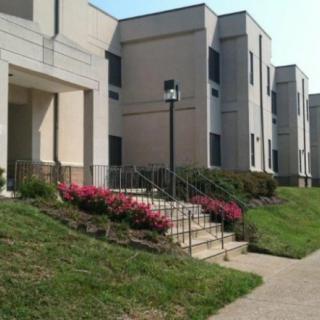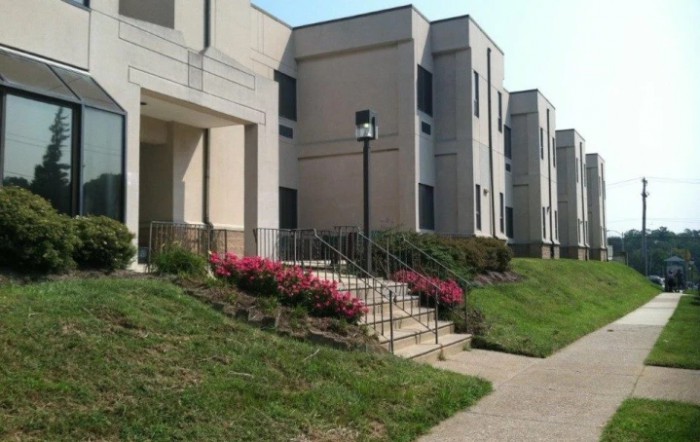
4001 Ford Road, Philadelphia, PA 19131
For more information about senior living options: (866) 208-4318
Overall Review of Bala Nursing And Retirement Center
Pros
 The facility is a great place for therapy services.
- Healthcare is coordinated at its best.
- The staff really care about each patient and resident.
Cons
 The facility is dirty and infested with mice that run around during the day, leaving feces in residents’ rooms.
- The housekeeping staff is horrible.
- The place is the most ghetto and unprofessional in the medical field, with little care for patients and frequent finger-pointing among staff.
- Nursing care is inadequate, with residents left unattended and ending up on the floor.
- The social worker is condescending and rude, and the charge nurse is fake.
- The doctor avoids speaking with patients, walking back and forth in the hallway instead of entering the room.
- There is no concern shown for family members, and only a few staff (PT/OT and Speech) seem to care.
Review
Bala Nursing and Retirement Center in Philadelphia is best suited for seniors whose top priority is rehabilitation through therapy, especially physical, occupational, and speech services, rather than a pristine, upscale living environment. The emphasis here is on structured rehab programs, daily routines designed to support progress, and a therapy-heavy approach that can yield tangible mobility gains for post-acute residents. For families, Bala represents a niche choice: a facility where rehab access and coordinated therapy matter most, and where residents who can tolerate a work-in-progress setting may still make meaningful strides.
Those who should seriously consider alternatives are families for whom reliable nursing care, impeccable cleanliness, and consistently professional staff conduct are non-negotiables. Reviews portray persistent dirt, possible infestations, and housekeeping failures, which raise legitimate safety and comfort concerns. Add to that reports of staff discord, finger-pointing, and a doctor who avoids face-to-face conversations, and the overall trust in daily care erodes. For elders who rely on steady supervision, responsive bedside care, and a consistently respectful atmosphere, other communities with stronger care cultures are likely a safer long-term fit.
On the upside, therapy services stand out as Bala’s clearest strength. When rehab is the goal, residents can benefit from coordinated care among PTs, OTs, and speech-language pathologists, with some staff clearly demonstrated to care about each patient’s progress. This alignment can translate into practical gains in strength, balance, and functional independence, and it can help families feel that meaningful improvement is within reach despite the facility’s rough edges. For post-acute needs where successful rehab milestones influence discharge planning, Bala’s therapy-forward model remains a credible option.
Yet the drawbacks carry meaningful weight and cannot be overlooked. Nursing care gaps, residents left unattended at times, and a general sense of care fragmentation undermine safety and confidence, especially for those with complex medical needs. The reported interpersonal dynamics, defensiveness, condescension from some staff, and inconsistent communication with families, further undermine trust in the day-to-day experience. In this climate, even robust therapy sessions may fail to offset the risk that essential daily support and timely medical attention could be inconsistent or slow.
Ultimately, the positives do not fully offset the core concerns for most prospective residents. Infestations and cleanliness issues create ongoing hazards and stigma, while uncertain bedside care raises concerns about falls, timely medication administration, and prompt response to emergencies. Families must decide whether the potential rehab gains justify living with a broader care culture that feels unsettled. If safety, dignity, and dependable daily support are non-negotiable, Bala is unlikely to be the first choice; if rehab outcomes and a motivated therapy team are paramount, it remains a defensible option to evaluate with a thorough on-site tour.
Prudent next steps center on a rigorous, in-person assessment. Arrange conversations with the therapy director to understand exact rehab schedules, equipment availability, and discharge planning supports. Seek candid feedback from current residents about cleanliness, housekeeping reliability, and how often bedside assistance is delivered. Request clarity on staffing patterns, nurse-to-resident ratios, and documented incident and follow-up processes to gauge ongoing risk. If these checks confirm solid accountability and workable routines, Bala can serve as a targeted rehab-focused option. If not, steer toward communities with proven nursing excellence, consistently clean environments, and a more cohesive, resident-centered staff culture.
 180 resident community capacity
 Skilled Nursing Facility
 Air-conditioning
 Beauty salon
 Cable or satellite TV
 Computer center
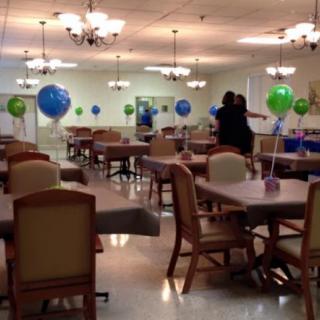
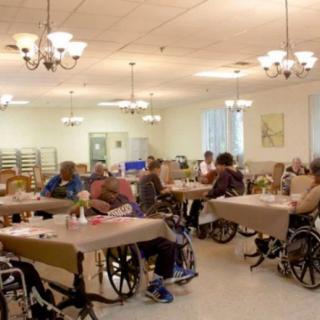
 Dining room
 Fitness room
 Fully furnished
 Gaming room
 Garden
 Housekeeping services
 Kitchenette
 Move-in coordination
 Outdoor space
 Private bathrooms
 Restaurant-style dining
 Small library
 Telephone
 Wellness center
 Wi-Fi/high-speed internet available
 Philadelphia International (9 miles away)
 Community operated transportation
 12-16 hour nursing
 24-hour call system
 Activities of daily living assistance
 Assistance with bathing
 Assistance with dressing
 Assistance with transfers
 Diabetes diet
 Medication management
 Mental wellness program
 Special dietary restrictions
 Concierge services
 Planned day trips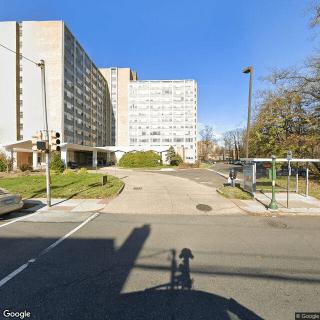



 Comprehensive Look at Senior Blood Pressure Charts: Normal and Elevated Levels by Age
 Top Canine Companions for Older Adults
 Comprehensive Guide to Blood Pressure Charts for Older Adults: Understanding Normal and High Readings by Age