


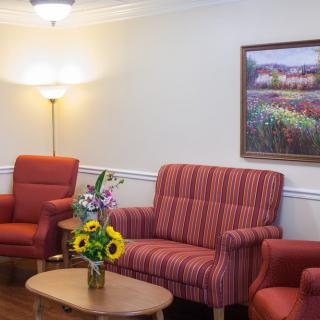
146 Edge Hill Road, Glenside, PA 19038
For more information about senior living options: (866) 208-4318
Overall Review of Edgehill Nursing and Rehabilitation Center
Pros
 The staff at Edgehill are very attentive and caring.
- Edgehill staff respond promptly to inquiries regarding loved ones.
- The setting is a small, intimate facility where residents are treated like family.
- The care provided is compassionate and delivered by a dedicated team of aides, nurses, and therapists.
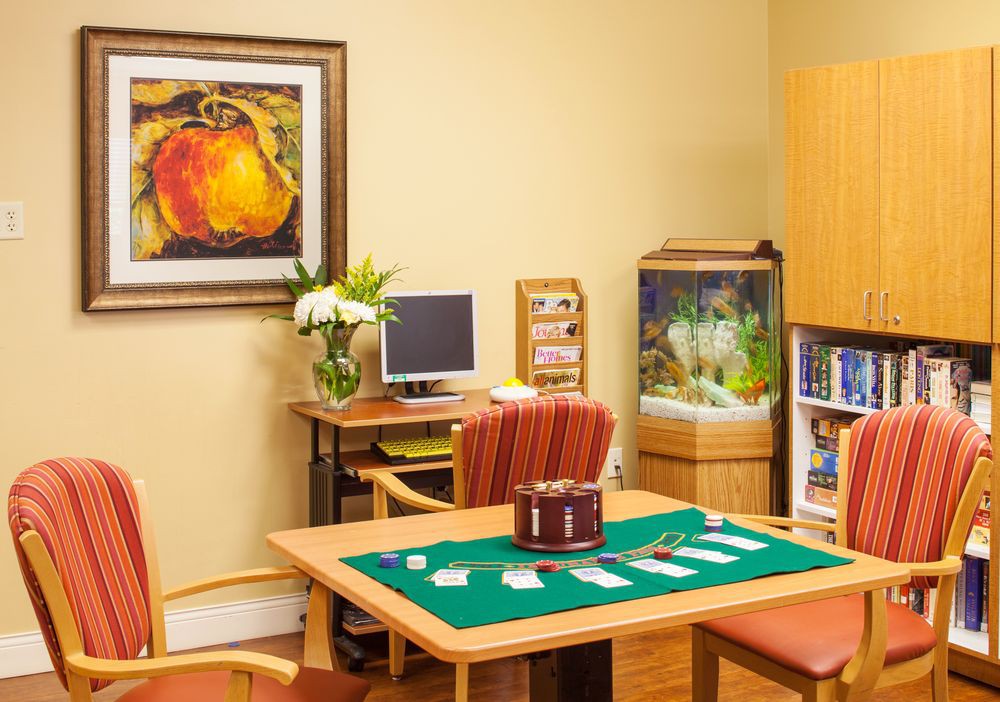
- The activities program is engaging, with weekly bingo, holidays, music, and dog therapy.
- The facility is clean and free of unpleasant odors, with residents well cared for.
- The staff communicates openly and keeps families informed about medical status and care.
Cons
 They imprisoned their patients during Covid-19.
- They claimed there were not enough nurses to walk with each patient.
- Elderly residents lose leg muscles and are forced to wear diapers.
- Signing up for this place is foolish and it is described as a trap.
- The setup appears strange and poorly thought out, with psychiatric residents integrated with non-psychiatric ones.
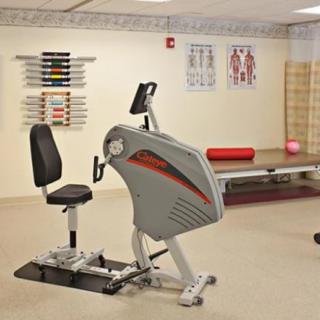
- It is not suitable for people needing physical and occupational therapy because it lacks on-staff therapists and relies on outside vendors.
- Edgehill mixes nursing and rehab patients, creating problems providing appropriate rehab care.
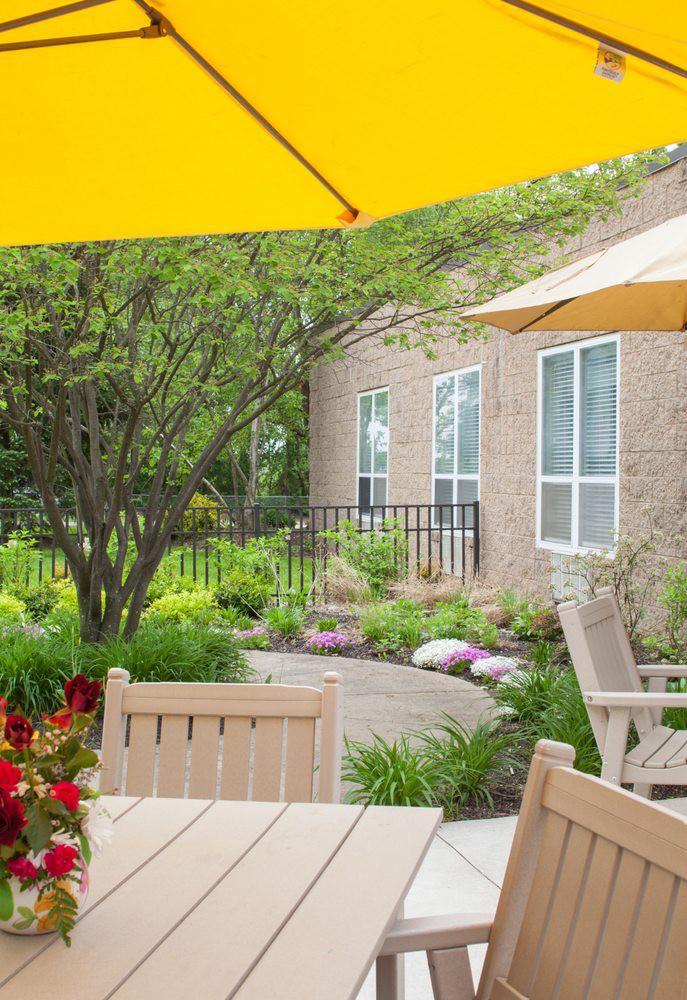
- There are no outdoor activities or walking exercises, and strict policies and liability issues make it hard to live there.
Review
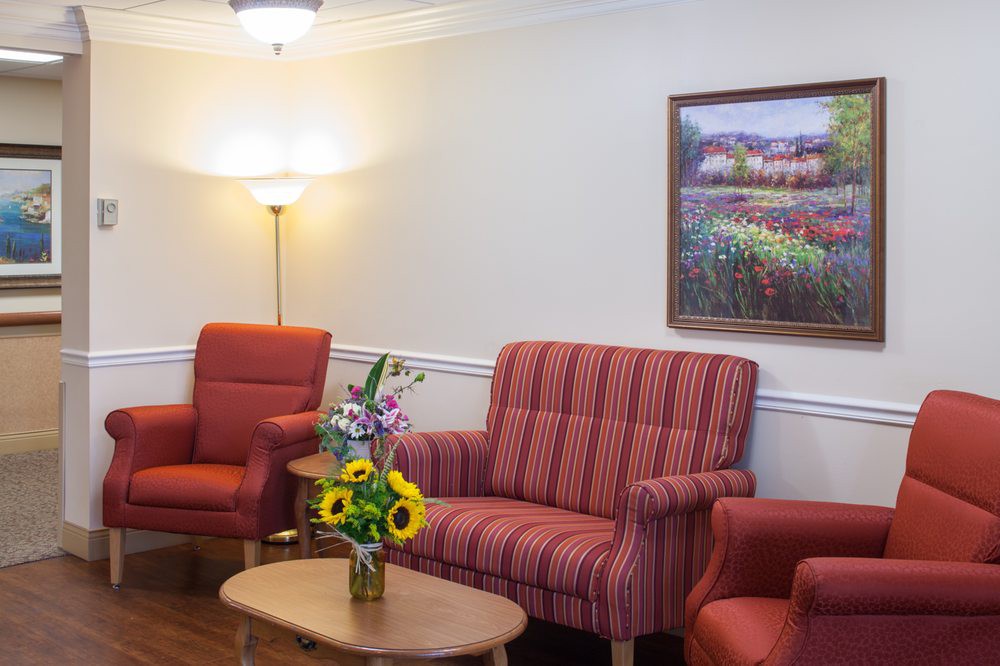
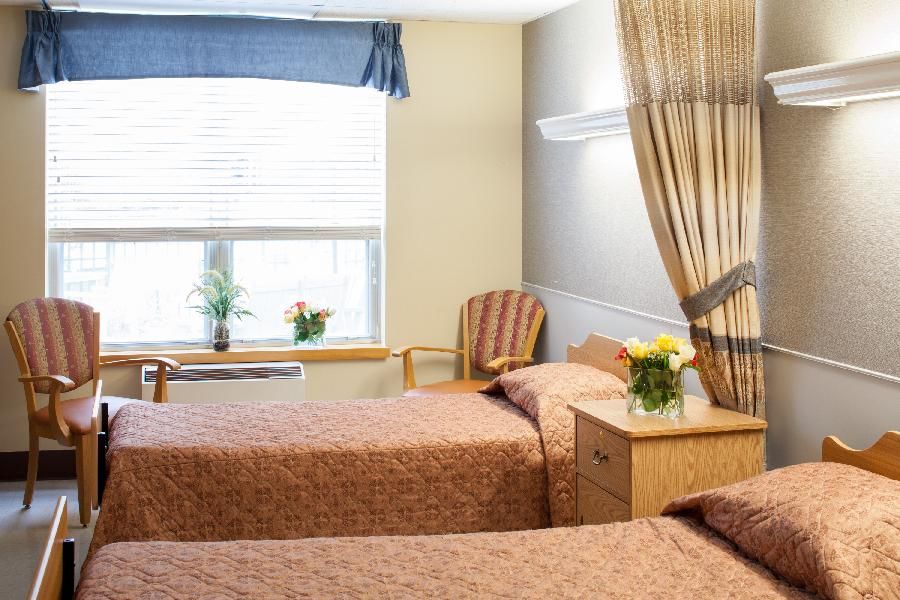
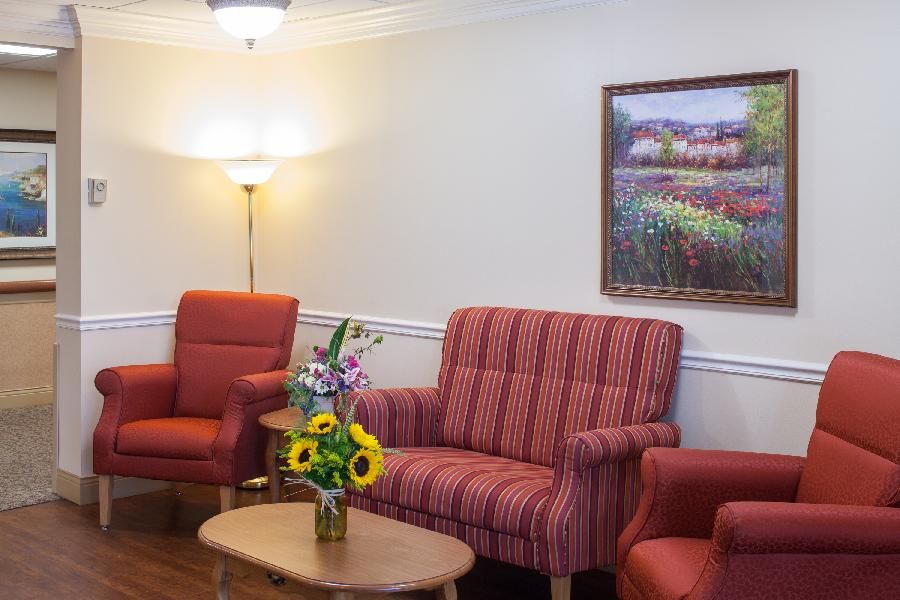
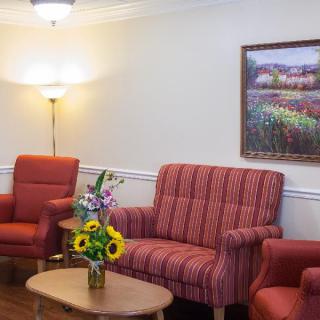
Edgehill Nursing and Rehabilitation Center in Glenside is best suited for seniors who want a small, intimate setting where staff know residents by name and care feels personal, not procedural. The 60-bed, single-floor layout cultivates a home-like atmosphere, with a high-touch approach from aides, nurses, therapists, and front-desk staff. Families facing long-term Medicaid placement will find a dependable, steady environment where daily routines, safety, and social engagement are prioritized over flashy amenities. This community excels when the priority is consistent, compassionate care delivered with genuine warmth and a sense of belonging.
That said, alternatives should be considered for residents whose needs center on aggressive rehabilitation, expansive outdoor programming, or a facility with clearly delineated psychiatric and non-psychiatric units. Edgehill’s rehabilitative footprint is inconsistent across reviews: some say up-front therapy is limited or vendor-based, while others praise on-site programs. For seniors who require robust, structured physical and occupational therapy with dedicated therapists and a spacious rehab gym, other communities may deliver a more predictable rehab trajectory and scheduling. In short, Edgehill is robust for daily care and social vitality, but not a first choice for rehab-intensive recovery.
The key pros, tender staff, strong family communication, and a lively activities calendar, often offset the potential downsides. Families repeatedly describe attentive care across all staff roles, from the director of nursing to aides and dietary and social work teams. The atmosphere is consistently described as welcoming, with residents engaged in weekly bingo, holiday celebrations, music, dog therapy, and a visible commitment from an activities director who builds meaningful moments. This combination yields tangible quality-of-life gains: residents appear cleaner, better supervised, and more connected to family and peers, which can substantially offset modest facility amenities.
Operationally, Edgehill earns credibility from its size and its care philosophy. The smaller scale enables more individualized attention, while staff turnover and responsiveness are commonly cited as strengths. Families feel informed and supported, with admissions and front-desk teams that respond promptly to inquiries. For families navigating Medicaid, Edgehill often emerges as a trustworthy, down-to-earth option where care plans emphasize daily functioning, dignity, and ongoing social engagement. The overall impression is of a well-maintained, consistently managed home whose value rests on human connection rather than architectural polish.
Nevertheless, practical tradeoffs exist and should not be overlooked. Several reviews raise concerns about mobility policies and liability-driven restrictions that can dampen walking and outdoor activity; other comments point to a hybrid population mixture that requires careful oversight. The blend of psychiatric and non-psychiatric residents can necessitate heightened staff coordination, and some readers question the sufficiency of on-site therapy for rehab-focused goals. Prospective families should ask pointed questions about current therapy staffing, whether rehab is provided in-house or through outside vendors, and the exact caregiver-to-resident ratios. A firsthand tour should include observing a therapy or activity session and discussing daily schedules with the activities director to gauge how mobility and engagement are actually nurtured.
In the final assessment, Edgehill stands out as a practical, compassionate option for families seeking a warm, community-driven environment with reliable staff and an active social program. It is particularly well-suited for long-term, Medicaid-supported care where consistency, safety, and dignity take precedence over grandiose facilities. For those requiring intensive rehabilitation, extensive outdoor activity, or a clear separation of care types, other communities may align more closely with those priorities. The prudent path is to visit, convene with the director of nursing and social services, review the activity calendar, and confirm current therapy capabilities and staffing levels before committing, ensuring the choice aligns with the resident’s rehab needs, daily living goals, and family expectations.
 21 resident community capacity
 Skilled Nursing Facility
 Beauty salon
 Cable or satellite TV
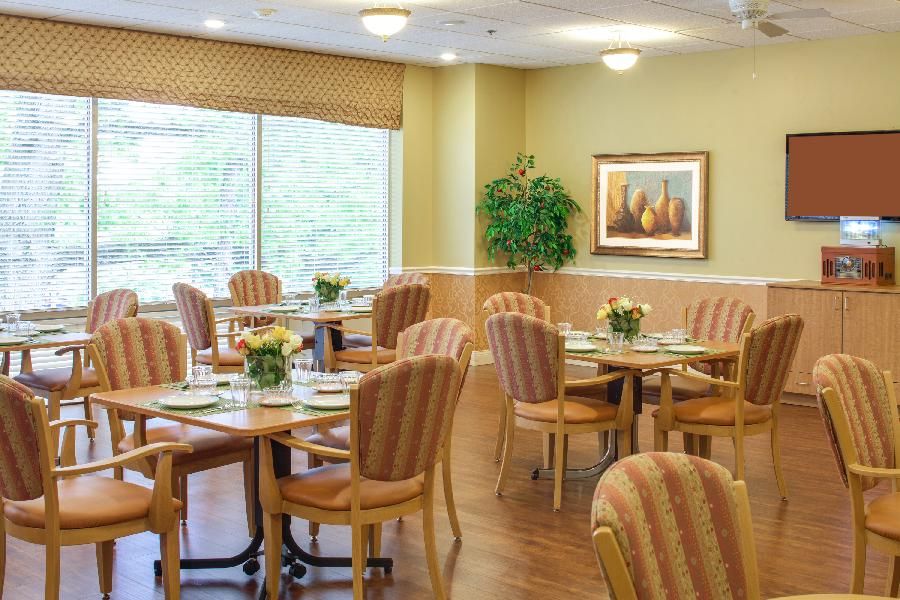
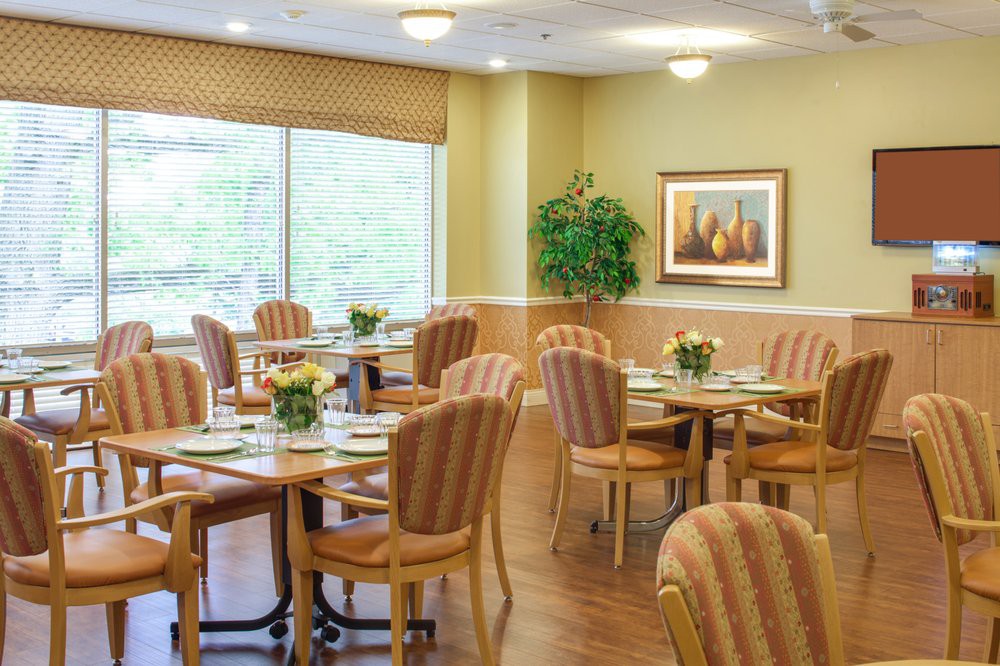
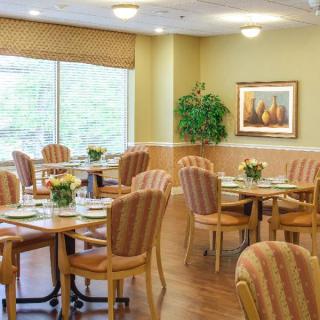
 Dining room
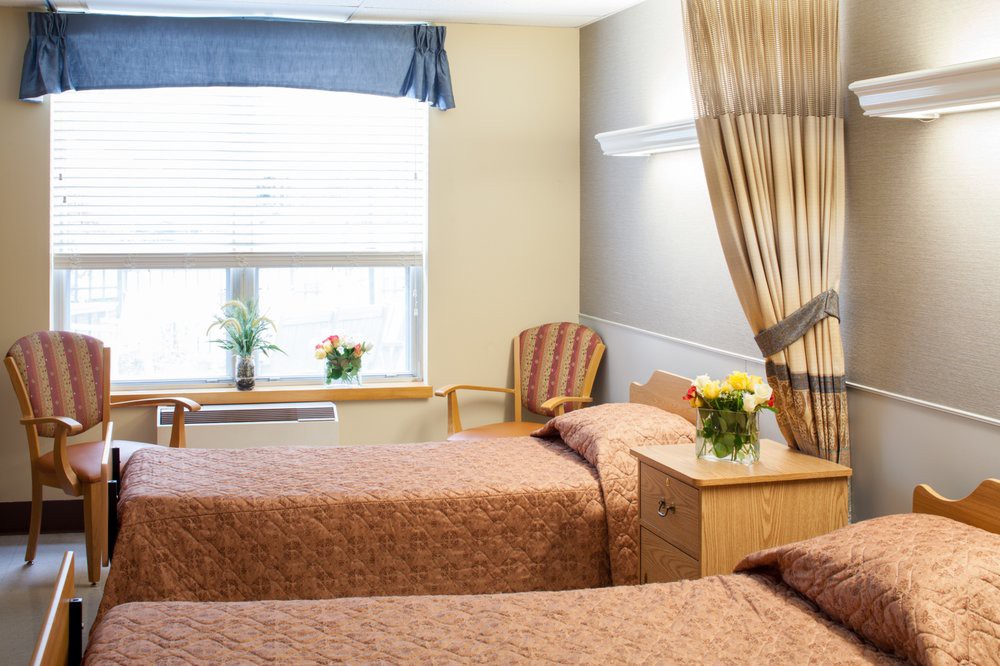
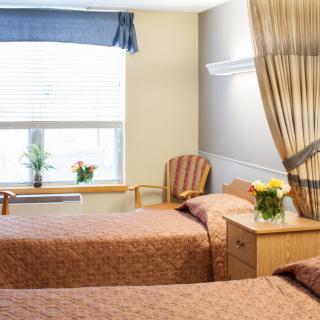
 Fully furnished
 Garden
 Housekeeping services
 Kitchenette
 Move-in coordination
 Outdoor space
 Telephone
 Wi-Fi/high-speed internet available
 Philadelphia International (17 miles away)
 24-hour call system
 Activities of daily living assistance
 Assistance with bathing
 Assistance with dressing
 Assistance with transfers
 Diabetes diet
 Meal preparation and service
 Medication management
 Mental wellness program
 Special dietary restrictions
 Transportation arrangement (medical)
 Transportation to doctors appointments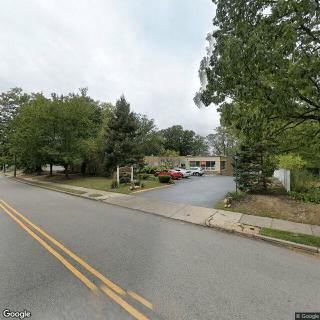


 Home Health Care Aides: Understanding Their Role and Supporting Your Family
 Urinary Tract Infections in Older Adults: Comprehensive Insights on Symptoms, Treatment, and Prevention
 California's Form 602A: An In-Depth Examination of Senior Care Assessment