
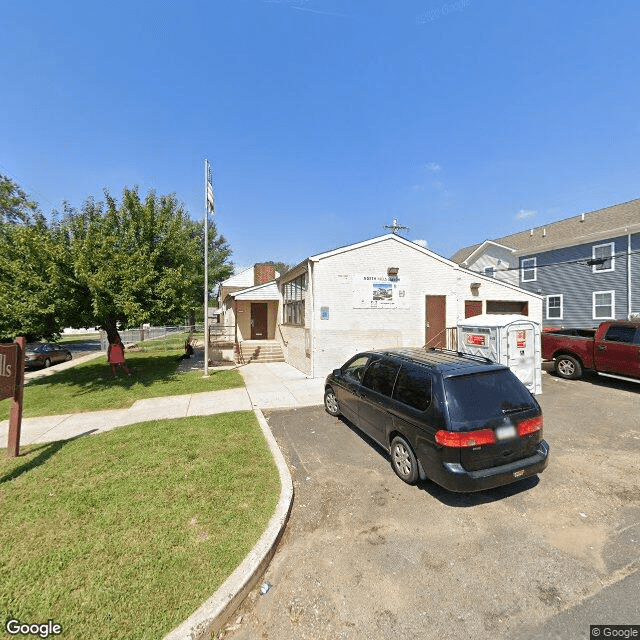
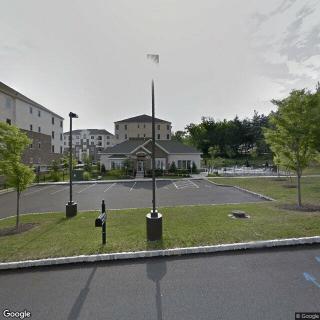
300 Linden Ave, Glenside, PA 19038
To contact a resident: (215) 884-2624
For more information about senior living options: (866) 208-4318
Overall Review of North Hills Homes
Pros
 The neighborhood is nice.
- Everyone is cool.
- It is a great place to work.
- It is a nice place to live.
Cons
 The property management lets tenants do whatever they please, creating a lawless community where destruction of property is treated as funny.
- The management allows lousy residents to stay, regardless of what they do to others.
- Littering is pervasive, occurring in yards, on the street, the sidewalk, and other areas.
- Daily street parties with drunken adults let the kids do whatever they want, including throwing rocks at cars.
- Trash is widespread, indicating poor upkeep of the area.
Review
North Hills Homes in Glenside, PA is best suited for adults who want a casual, neighborhood-driven living experience and can tolerate looser management and a lively social scene. It appeals to those who value a pleasant exterior and a sense of community more than a tightly controlled routine or formalized services. For seniors or families prioritizing safety, predictability, and consistent oversight, alternatives with stricter governance and on-site support should be seriously considered. This is a setting where independence and neighborly vibes can shine, but only if a resident accepts a less regulated environment as part of daily life.
On the upside, the property earns its favorable tone from a friendly, walkable neighborhood feel and a basic allure that many residents simply enjoy. Descriptions of the area as a nice place to live point to easy social interaction, approachable neighbors, and a ambiance that supports casual living. Staff culture comes up as a positive signal in several accounts, hinting at a work environment where team members are engaged and willing to contribute to a comfortable atmosphere. In short, the daily experience can be pleasant if the surrounding conditions align with a residentā€™s tolerance for informality and social activity.
The flip side is hard to ignore: the core drawback centers on governance and safety. The strongest warnings describe a system where property management does not enforce boundaries, allowing behaviors that undermine safety and civility. Reports of litter throughout yards and streets, loud street parties, intoxicated adults, and even objects being thrown toward vehicles paint a picture of a community where disruption is common and oversight is limited. For seniors or families seeking reliable safety, predictable noise levels, and clean, well-maintained common areas, these issues are meaningful red flags that tend to outweigh the surface appeal.
When weighing positives against the main drawbacks, the advantages can feel fragile. A pleasant neighborhood vibe and a motivated staff can contribute to moments of ease and enjoyment, but they do not neutralize the risk created by lax enforcement and disruptive activity. The contrast between a friendly, supportive staffing impression and the reality of ongoing property disturbances creates a tension that highly practical families cannot ignore. In decision-making terms, the pleasant optics are not a substitute for the dependable safeguards many dependents require.
Alternatives should be on the radar for anyone who cannot tolerate the level of disorder described. Look for communities with clear, consistently applied rules, on-site management with visible oversight, and activities designed to minimize street-level disruption. Key indicators include timely maintenance response, documented incident management, robust security or check-in protocols, and a culture that prioritizes quiet, safe living environments. Prospective residents should demand candid conversations about enforcement, supervising staff presence, and how problems are resolved when disturbances arise.
In the end, North Hills Homes may serve a niche segment: those who prize neighborhood charm and a generally welcoming environment and can overlook or adapt to ongoing, unmanaged behavior. For anyone whose priority is safety, order, and predictable daily life, brighter options exist that offer stronger supervision and clearer boundaries. The prudent course is a rigorous visit, at different times of day, to observe upkeep, speak with current residents, and press for concrete answers on enforcement, maintenance cycles, and safety protocols. If those answers satisfy, the community can be a fit; if not, the search should continue elsewhere.
 Active Adult Communities (55+)
 Philadelphia International (17 miles away)

 Skilled Nursing Facilities vs. Nursing Homes: Making Sense of the Differences
 A Detailed Examination of Nursing Home Costs Across the U.S.
 Exploring Nonmedical Home Care: Understanding Services, Costs, and Financial Approaches