

Kadima Rehabilitation & Nursing At Luzerne

Save

  • Interior

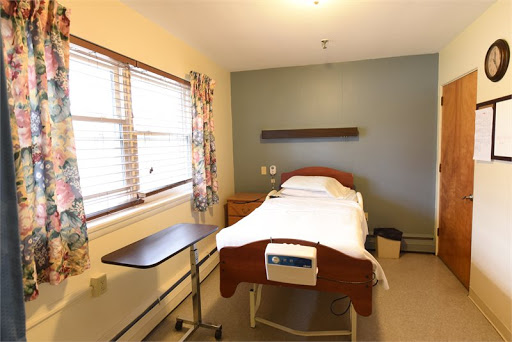
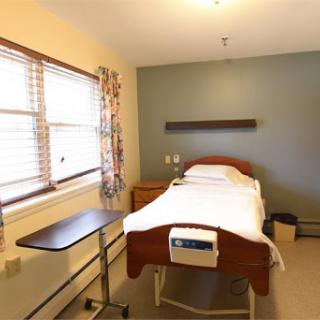
    A simple and clean hospital patient room designed for comfort and recovery.
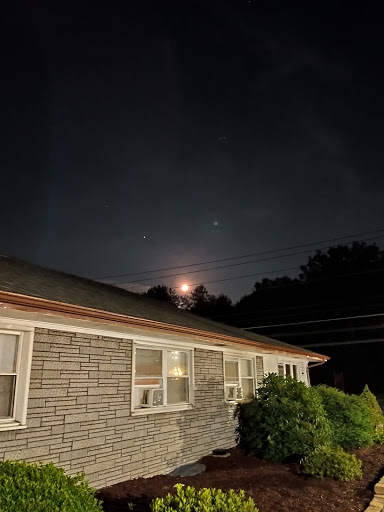
  • Outdoors

    A serene night view featuring the moon rising behind a building.
  • Decor

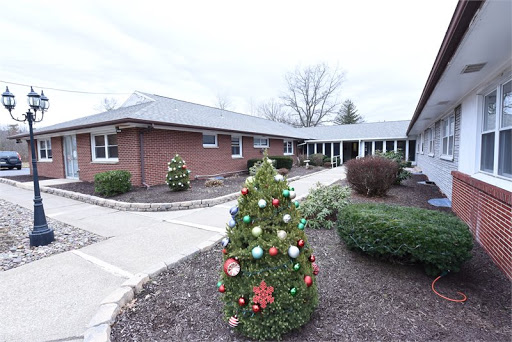
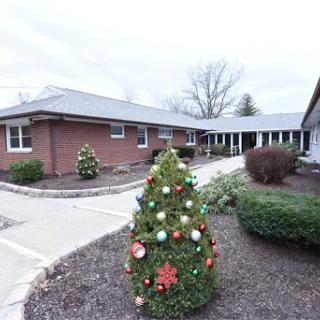
    A view of a building decorated for Christmas, featuring festive trees and a winding pathway.
  • Building

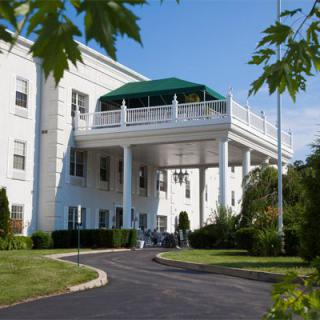
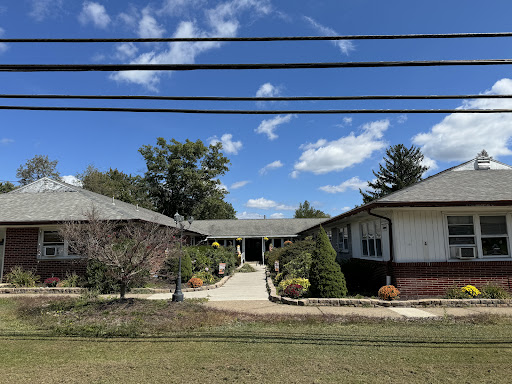
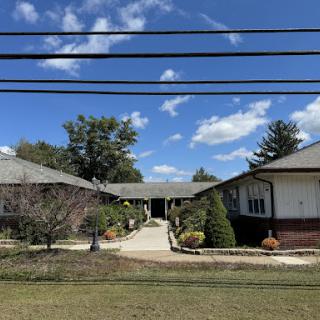
    A picturesque view of a residential building under a clear blue sky.
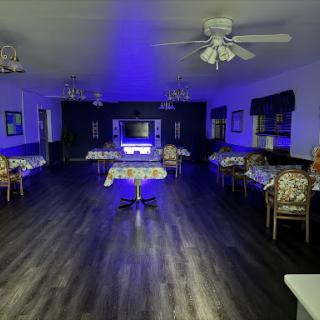
  • Dining

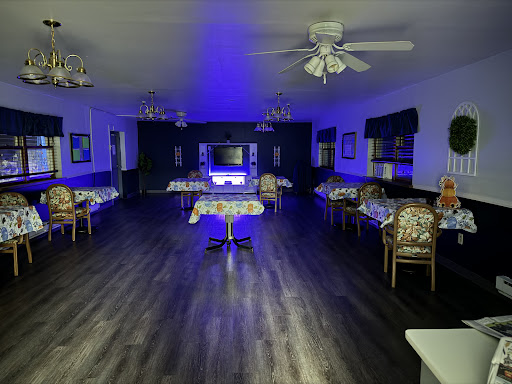
    A spacious dining area illuminated with blue lighting, featuring decorative furniture and ceiling fans.
  • Kitchen

    A chef is skillfully piping frosting onto cupcakes in a busy kitchen.
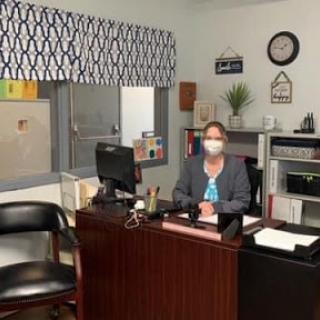
  • Office

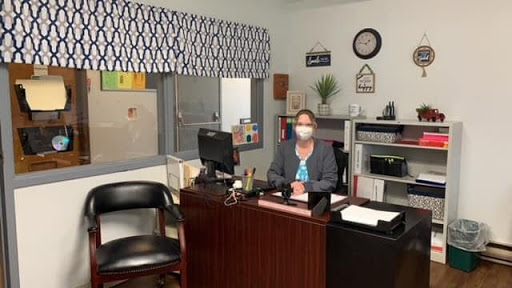
    An individual wearing a mask sitting at their desk in an office setting.
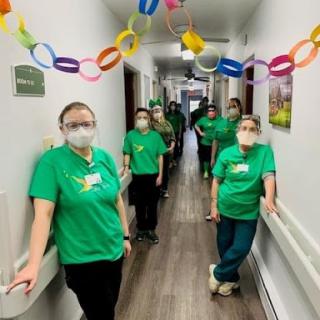
  • Healthcare

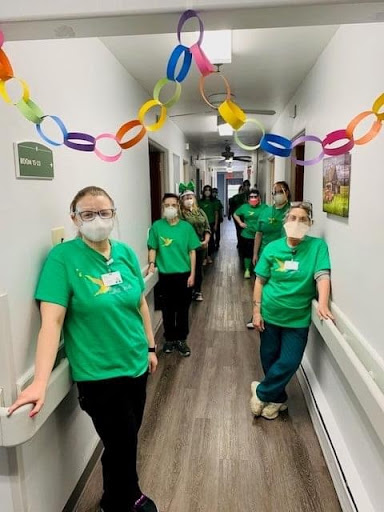
    Healthcare staff posing in a decorated hallway.

Kadima Rehabilitation & Nursing At Luzerne

463 North Hunter Highway, Drums, PA 18222

For more information about senior living options: (844) 490-3973

3.5 from 17 reviews
5 stars
9
4 stars
2
3 stars
0
2 stars
1
1 stars
5

Skilled Nursing Facility

Overall Review of Kadima Rehabilitation & Nursing At Luzerne

Pros

  • pro Kadima's staff are amazing, highly professional, and genuinely care for patients, making visitors feel like family.
  • pro Kadima treats residents with respect and dignity, with staff going above and beyond to meet their needs.
  • pro The nursing staff at Kadima is great, friendly, and compassionate.
  • pro Kadima is a cozy, friendly facility with devoted, caring staff that make a meaningful difference in residents' lives.
  • pro Alicia, Kadima's social worker, goes above and beyond with empathy and care for families and patients.
  • pro Kadima boasts amazing coworkers and a strong administration team, with interactions with residents described as a highlight.
  • pro Kadima is highly regarded for its physical and occupational therapy, helping residents regain mobility.

Cons

  • pro The reviewer described the facility as filthy and outdated, with crooked beds in the rooms.
  • pro The curtain did not open.
  • pro There were no matching blankets on the beds.
  • pro The bathrooms were filthy, and the hallway paint was peeling.
  • pro The TV had not been hooked up for days.
  • pro The nurse's aides frowned when asked to assist to the bathroom.
  • pro The nursing staff seemed miserable.
  • pro There were four Directors of Nursing in six months, a serious red flag.
  • pro Management was described as focusing on firing staff and discussing layoffs.
  • pro Diabetics had no snack options and there was no special menu for cardiac/diabetic residents.
  • pro Bed-bound residents were not encouraged to attend activities.
  • pro The visiting room was cramped with barred windows and harsh lighting.

Review

The collection of experiences paints a vivid picture of elder care through the eyes of families, patients, and staff. On one end of the spectrum, Kadima emerges in many accounts as a place where therapy can restore a measure of independence and where the people who work there strive to create a sense of belonging. In a story of hopeful progress, a partner in physical and occupational therapy went to Kadima for a six-day stretch and, though initially unable to walk, was seen up and walking with encouragement and support. The care team is repeatedly described as professional, attentive, and genuinely invested in each resident's well-being. The family members who visit report feeling welcomed and included, with staff making them feel as though they are part of a larger, caring family. The sentiment is unmistakable: when a loved one is in therapy, Kadima's staff can be a reassuring presence, and several accounts end with heartfelt gratitude and blessings for the team.

Across multiple accounts, Kadima is consistently praised for the people who work there. Families and residents alike mention that the staff do more than their jobs; they go above and beyond to meet needs and to make daily life more manageable and pleasant. Specific staff members are singled out for exceptional efforts. A social worker named Alicia earns repeated compliments for going above and beyond, often working off hours and on days off to help a family navigate the process with empathy and professionalism. Others, like Carrie, Maggie, and Shelly, are highlighted for their kindness and effectiveness in dealing with residents and families. An environmental services worker shares pride in their role, saying the best part of the job is the daily interactions with residents and the joy those small conversations can bring. And for those who feel Kadima is truly a home away from home, the sense of dignity and respect extended to residents becomes the defining feature.

Several reviews emphasize Kadima as a place where residents feel supported and valued, not just medically cared for. One commenter notes that Kadima is "our resident's home," with staff who make sure every need is met and who treat the environment as a place where people can thrive rather than merely exist. The tone throughout is consistently warm, with many statements about staff treating residents with respect and dignity and about the facility functioning as a community where people look out for one another. The gratitude is palpable, with remarks about how Kadima would be a top choice for someone who wants a humane, compassionate setting for aging or recovering loved ones.

In stark contrast to these positive memories, there are several harrowing, strongly negative accounts about another facility in Lititz, PA, where a family describes a different experience with alarming deterioration and mismanagement. The uncle's care is depicted as dirty and neglected: filthy, outdated conditions; crooked beds; curtains that don't operate; torn or absent blankets; a bathroom in disrepair; paint peeling from walls; a TV that wasn't connected after days; and aides who appeared unhappy or unhelpful when asked to assist with basic needs. The reviewer laments the absence of dignity and basic hospitality, expressing heartbreak over a loved one who seems forgotten and left to struggle in a facility that feels more like a liability than a haven. The overarching message is one of disappointment and hurt, reinforced by the sense that the environment and staff did not honor the residents' humanity.

Other parts of the critique dive deeper into leadership and culture within that same facility. The narrative shifts to a sense that, while the nursing staff could be competent and caring, the higher-ups and management left something to be desired. The reviewer describes frequent turnover among directors of nursing (DONs), a troubling degree of internal politics, and a relentless focus on Medicare/Medicaid numbers rather than on residents' daily experiences. The facility is painted as dirty despite attempts to improve, with no diabetic-friendly snacks or special menus for cardiac or diabetes residents, and a lack of meaningful activities for bedbound residents. The atmosphere is said to resemble a hostile environment - descriptions such as "hell on earth," "Nurse Rats" dispensing medications to keep residents asleep, and a pervasive sense of being treated as numbers rather than people appear in the accounts. The reviewer even recounts a disturbing scene where a parent witnessed a family member with dementia isolated behind bars of a windowed area, an impression reinforced by complaints about limited visiting and restricted activities. The rhetoric is strong, painting a landscape of neglect that stands in stark opposition to Kadima's described approach.

Even as these harsh experiences are recounted, the later portions of the shared stories circle back to Kadima's strengths. Another voice affirms that Kadima's commitment to dignity and respect remains strong over time. The speaker notes more than two years with Kadima, praising the consistent message that residents are treated with care and that their needs are met. The same thread of appreciation continues with newer staff, such as those serving as environmental service workers, who describe a supportive, collaborative environment and meaningful daily interactions with residents. Compliments extend to the administrative team, with comments about a well-run operation where coworkers support one another and where small acts of kindness - like staff sharing snacks or engaging residents in conversation - make a tangible difference in daily life.

In sum, the collection presents a nuanced landscape of elder care experiences. Kadima is celebrated for its patient outcomes in therapy, its compassionate and professional staff, and its sense of community and dignity for residents. Families and residents repeatedly testify to the importance of feeling seen, heard, and cared for - attributes that Kadima reportedly delivers in abundance. By contrast, the negative accounts describe a different setting where concerns about cleanliness, leadership, and the overall culture of care overshadow patient well-being, leaving family members grieving what could have been and warning others to proceed with caution. Taken together, the narratives underscore a central truth: the quality of elder care hinges as much on the people who show up daily with empathy and integrity as it does on the medical services provided.

Features

Housing

  • 37 resident community capacity 37 resident community capacity

Types of Care

  • Skilled Nursing Facility Skilled Nursing FacilitySkilled Nursing Facilities are crucial for seniors as they provide round-the-clock medical care, rehabilitation services, and assistance with daily activities. These facilities ensure that seniors receive the specialized care they need to maintain their health and well-being as they age.

Amenities

  • Beauty salon Beauty salonBeauty salons are important for seniors because they provide a space for them to feel pampered, socialize, and maintain their personal grooming and hygiene. Regular visits to a beauty salon can help boost seniors' self-esteem and overall well-being.
  • Cable or satellite TV Cable or satellite TVCable or satellite TV is important for seniors because it provides entertainment, news, and companionship, helping to combat loneliness and boredom. It also offers a wide range of programming options tailored to different interests and preferences.
  • Dining room Dining roomDining rooms are important for seniors as they provide a space for socialization, connection, and nutritious meals. They offer opportunities for residents to bond over shared meals, foster a sense of community, and promote healthy eating habits. Dining rooms also ensure that seniors have access to well-balanced meals tailored to their dietary needs and preferences.
  • Fully furnished Fully furnishedFully furnished senior living communities are important for seniors because they provide convenience, comfort, and a hassle-free moving experience. Seniors can easily settle into their new living space without the stress of having to buy and move furniture. This allows them to focus on enjoying their new home and community.
  • Garden GardenGardens are important for seniors as they provide a peaceful and therapeutic environment for relaxation, physical activity, and socialization. Being in nature has been shown to reduce stress, improve mood, and promote overall well-being. Gardens also offer opportunities for seniors to engage in gardening activities, which can improve mobility, flexibility, and cognitive function. Additionally, gardens create a sense of community and connection with others who share a passion for plants and outdoor spaces.
  • Housekeeping services Housekeeping servicesHousekeeping services are important for seniors because they help maintain a clean and safe living environment, promote independence, and reduce the risk of accidents or illnesses. Additionally, having assistance with household chores can alleviate physical strain and allow seniors to focus on other aspects of their well-being.
  • Kitchenette KitchenetteKitchenettes are important for seniors living in senior living communities because they provide the convenience and independence of being able to prepare simple meals and snacks in the comfort of their own living space. This can help promote a sense of autonomy and well-being for seniors, allowing them to maintain some level of control over their dietary choices and daily routines.
  • Move-in coordination Move-in coordinationMove-in coordination is important for seniors because it helps ease the transition into their new living environment. It ensures that all logistics, such as packing, organizing movers, and setting up utilities are taken care of, allowing seniors to focus on settling in and adjusting to their new home. Having a smooth move-in process can alleviate stress and anxiety, making the transition smoother and more enjoyable for seniors.
  • Outdoor space Outdoor spaceOutdoor spaces are important for seniors as they provide opportunities for physical activity, social interaction, exposure to natural light and fresh air, and a sense of connection to nature. Having access to outdoor spaces can improve overall well-being and quality of life for older adults living in senior communities.
  • Restaurant-style dining Restaurant-style diningRestaurant-style dining is important for seniors because it allows them to enjoy delicious, nutritious meals in a social and upscale setting. This enhances their dining experience, promotes healthy eating habits, and fosters socialization with fellow residents, ultimately contributing to their overall well-being and quality of life.
  • Small library Small librarySmall libraries are important for seniors as they provide access to a variety of reading materials, including books, newspapers, and magazines. This can help stimulate their minds, keep them engaged, and provide a sense of community through book clubs and other social activities. Additionally, reading has been shown to improve cognitive function and overall mental well-being in older adults.
  • Telephone TelephoneTelephones are important for seniors as they provide a lifeline for communication with loved ones, emergency services, and healthcare providers. They offer a sense of security and independence, enabling seniors to stay connected and access assistance when needed.
  • Wi-Fi/high-speed internet available Wi-Fi/high-speed internet availableWi-Fi/high-speed internet is important for seniors to stay connected with loved ones, access online resources, and participate in virtual activities to combat feelings of loneliness and isolation. It also allows them to easily manage healthcare needs, access entertainment, and engage in lifelong learning opportunities.

Transportation

  • Wilkes-Barre Scranton International (23 miles away) Wilkes-Barre Scranton International (23 miles away)

Care Services

  • 24-hour call system 24-hour call system24-hour call systems are important for seniors because they provide peace of mind and immediate assistance in case of emergencies. This technology ensures that help is always available, promoting safety and security for elderly individuals living alone or in assisted living facilities.
  • 24-hour supervision 24-hour supervision24-hour supervision is important for seniors to ensure their safety, well-being, and access to immediate assistance in case of emergencies or health issues. This constant support provides peace of mind for both seniors and their loved ones, allowing them to age in place with dignity and security.
  • Activities of daily living assistance Activities of daily living assistanceActivities of daily living assistance are important for seniors because they provide essential support with tasks such as eating, bathing, dressing, and mobility. This assistance helps seniors maintain their independence, dignity, and overall quality of life as they age.
  • Assistance with bathing Assistance with bathingAssistance with bathing is crucial for seniors as it helps maintain personal hygiene, prevents infections, and ensures their overall well-being and comfort. It also provides a sense of dignity and independence for seniors who may struggle with this task on their own.
  • Assistance with dressing Assistance with dressingAssistance with dressing is important for seniors because it helps maintain their independence, promotes personal hygiene, prevents accidents and injuries, and improves overall quality of life. This service ensures that seniors can continue to dress comfortably and confidently, despite any physical limitations they may have.
  • Assistance with transfers Assistance with transfersAssistance with transfers is crucial for seniors as it helps prevent falls and injuries, maintains their independence, and ensures they can safely navigate their living environment. It also provides peace of mind for both seniors and their loved ones.
  • Diabetes diet Diabetes dietA diabetes diet is crucial for seniors as it helps manage blood sugar levels, reduce risks of complications, and improve overall health and well-being. By following a balanced and nutritious diet tailored to their specific needs, seniors can better control their diabetes and enhance their quality of life.
  • Meal preparation and service Meal preparation and serviceMeal preparation and service are crucial for seniors as they may have limited mobility or energy to cook nutritious meals. Having access to healthy and convenient food options can ensure they are getting the proper nutrition needed to maintain their overall health and well-being.
  • Medication management Medication managementMedication management is crucial for seniors to ensure they are taking the right medications at the correct dosages and times. This helps prevent adverse drug interactions, reduces the risk of medication errors, and promotes overall health and well-being. Proactive management also allows for adjustments as needed based on changing health conditions or new prescriptions.
  • Mental wellness program Mental wellness programMental wellness programs are essential for seniors as they promote cognitive stimulation, emotional support, and social engagement. These programs help prevent isolation, depression, and cognitive decline, ultimately enhancing the overall quality of life for older adults.
  • Special dietary restrictions Special dietary restrictionsSpecial dietary restrictions are important for seniors because age-related changes in metabolism and health conditions can make it difficult for their bodies to process certain foods. By following a diet tailored to their specific needs, seniors can maintain their overall health and well-being, manage chronic conditions, and reduce the risk of complications such as malnutrition or food interactions with medications.

Dining

  • Diabetes diet Diabetes dietA diabetes diet is crucial for seniors as it helps manage blood sugar levels, reduce risks of complications, and improve overall health and well-being. By following a balanced and nutritious diet tailored to their specific needs, seniors can better control their diabetes and enhance their quality of life.
  • Special dietary restrictions Special dietary restrictionsSpecial dietary restrictions are important for seniors because age-related changes in metabolism and health conditions can make it difficult for their bodies to process certain foods. By following a diet tailored to their specific needs, seniors can maintain their overall health and well-being, manage chronic conditions, and reduce the risk of complications such as malnutrition or food interactions with medications.

Activities

  • Community-sponsored activities Community-sponsored activitiesCommunity-sponsored activities are important for seniors as they provide opportunities for social interaction, mental stimulation, and physical activity. These activities can help improve overall well-being, combat loneliness and isolation, and promote a sense of belonging and purpose among older adults.
  • Resident-run activities Resident-run activitiesResident-run activities are important for seniors as they encourage social interaction, creativity, and a sense of autonomy. These activities empower seniors to stay engaged and active in their community while fostering meaningful connections with their peers.
  • Scheduled daily activities Scheduled daily activitiesScheduled daily activities are important for seniors because they provide structure, socialization, mental stimulation, and physical activity. Engaging in regular activities can improve overall well-being and quality of life for seniors living in a community setting.

Description

Kadima Rehabilitation & Nursing At Luzerne in Drums, PA is an assisted living community that offers a wide range of amenities and care services to its residents. The community features fully furnished accommodations, including cable or satellite TV and Wi-Fi/high-speed internet for entertainment and connectivity. Residents can enjoy delicious meals in the dining room with restaurant-style dining options and special dietary restrictions catered to.

For recreation and relaxation, Kadima Rehabilitation & Nursing At Luzerne provides outdoor spaces and a small library for residents to unwind or engage in leisurely activities. The community also offers move-in coordination assistance to ensure a smooth transition for new residents. Housekeeping services are available to maintain cleanliness and tidiness in the living spaces.

Care services at this assisted living community include 24-hour supervision for added safety and security. Trained staff members are available to provide assistance with activities of daily living such as bathing, dressing, transfers, as well as medication management. A mental wellness program is also offered to support the overall well-being of residents.

The surrounding area provides easy access to essential amenities with two pharmacies and one physician's office located nearby. Additionally, there are multiple dining options available within close proximity.

At Kadima Rehabilitation & Nursing At Luzerne, residents can enjoy a comfortable and supportive environment that promotes their independence while providing necessary care and services.

Nearby Places of Interest

Restaurants

  • Wendy's (0.4 miles)
  • Beech Mountain Lakes Association (2 miles)
  • The Meating House (2.1 miles)
  • Garden Chen (3.9 miles)
  • Burger King (4.8 miles)
  • Breakfast World Family Restaurant (4.9 miles)
  • Subway (5 miles)

Pharmacies

  • Private Rx (0.6 miles)
  • CVS Pharmacy (4.9 miles)
  • Rite Aid (5.4 miles)
  • Johnson's Pharmacy (6 miles)
  • Johnson's Pharmacy (6.2 miles)
  • Hazle Drugs (6.7 miles)
  • Hazle Compounding (6.7 miles)

Physicians

  • Kathleen S Veglia (4.7 miles)
  • Coordinated Health (5.2 miles)
  • Ent Surgical Associates (5.2 miles)
  • Internal Medicine Associates of Hazleton (5.2 miles)
  • Eye Care Specialists (5.3 miles)
  • Shaina A. Grego, PA-C (5.3 miles)
  • Dr Barna Professional Building (5.3 miles)

Hospitals

  • Occupational Health (5.3 miles)
  • Hazleton General Hospital (6 miles)
  • Center City Medical Group (6.6 miles)
  • Northeastern Pennsylvania Health Corporation (6.9 miles)
  • Lehigh Valley Hospital–Hazleton (7 miles)
  • Hazleton General Hospital (7 miles)
  • Geisinger Health System (8.6 miles)

Transportation

  • East Coast Institute Taxidermy (5.4 miles)

Cafes

  • Panera Bread (5.7 miles)
  • Cusat's Cafe (5.9 miles)
  • Starbucks (6.1 miles)
  • The Poppy Press Coffee Company (6.7 miles)

Places of Worship

  • Transfiguration Church (6.6 miles)
  • Holy Rosary Church (7.2 miles)
  • Jehovah's Witnesses (7.9 miles)
  • SS Peter & Paul's Byzantine Catholic Church (8.5 miles)
  • Shepherding the Heart Ministries (8.5 miles)
  • Saint John's UCC (9.2 miles)
  • Mount Zion Church (10.5 miles)

Parks

  • Alfred Mitcho Memorial Park (8.6 miles)
  • PPL Susquehanna Riverlands (10 miles)
  • Eurana Park (10.3 miles)

Frequently Asked Questions

Where is Kadima Rehabilitation & Nursing At Luzerne?
What photos are available for Kadima Rehabilitation & Nursing At Luzerne in Drums, Pennsylvania?

Nearby Communities

  • Conyngham Care Center

    Conyngham Care Center

    Drums, PA

    4.5 from 42 reviews
     

    pro Small, intimate setting with 24/7 supervision

  • Providence Place of Drums

    Providence Place of Drums

    Drums, PA

    3.6 from 13 reviews
     

    pro Comprehensive care options with 24/7 supervision.

  • Providence Place Retirement Co

    Providence Place Retirement Co

    Drums, PA

    3.6 from 13 reviews
    $6,303 / month

    pro Specialized diabetic care and convenient, amenity-rich location.

  • Fritzingertown Senior Living Center

    Fritzingertown Senior Living Center

    Drums, PA

    3.8 from 18 reviews
    $2,185 to $5,742 / month

    pro Attentive staff with strong communication and a clear, multi-level care structure.

  • The Laurels Senior Living Community

    The Laurels Senior Living Community

    Hazleton, PA

    4.7 from 12 reviews
    $2,400 to $3,450 / month

    pro Friendly staff and quality meals.

  • Hazlewood Apartments

    Hazlewood Apartments

    Hazleton, PA

    4.7 from 29 reviews
     

    pro Assisted and independent living options with diabetic care and on-site social spaces.

  • The Corrigan House

    The Corrigan House

    Hazleton, PA

    4.7 from 12 reviews
     

    pro Family-owned, well-staffed, and warmly inviting.

  • The Manor & Pavilion at St. Luke Village

    The Manor & Pavilion at St. Luke Village

    Hazleton, PA


    pro Specialized diabetic care with on-site activities and social spaces.

  • Pavilion At St Luke Village

    Pavilion At St Luke Village

    Hazleton, PA

    4.1 from 36 reviews
     

    pro Compassionate staff, engaging activities, and a well-kept, welcoming environment.

Related Resources

  • caregiver dutiesTen Vital Duties of a Senior Caregiver: A Comprehensive Guide

    The guide details ten essential responsibilities of senior caregivers, including personal care, mobility assistance, medication management, and emotional support, while emphasizing the importance of safety, nutrition, and maintaining a safe living environment to enhance seniors' quality of life and independence.

  • memory games for seniors9 Stimulating Memory Activities for Seniors: Puzzles, Cards, and Much More

    The article highlights nine memory-boosting activities for seniors that enhance cognitive health and social interaction, including puzzles, trivia quizzes, and storytelling, while emphasizing the importance of adapting these activities to individual preferences to maximize enjoyment and engagement. Consistent mental engagement is linked to improved cognitive function and emotional well-being in older adults.

  • what happens when medicare stops paying for nursing home careManaging Nursing Home Expenses After Medicare Coverage Ends

    Medicare provides limited coverage for skilled nursing home care, covering full benefits for the first 20 days and partial benefits up to 100 days under certain conditions, after which families must explore alternative funding options like Medicaid or long-term care insurance to manage potentially high costs. Proactive planning is essential to navigate the complexities of financing ongoing care once Medicare coverage ends.