
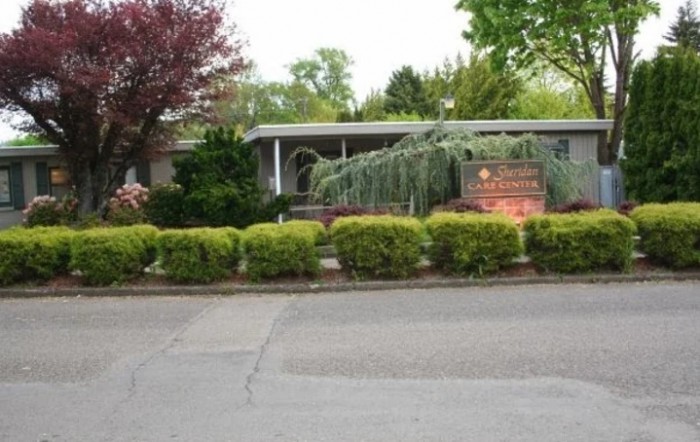
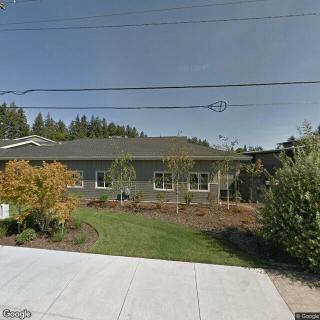
411 South East Sheridan Road, Sheridan, OR 97378
For more information about senior living options: (866) 208-4318
Overall Review of Sheridan Care Center
Pros
 This place cares about people.
- Patients and staff are good.
- The staff are professional and attentive, and the facility is nicely kept.
- There are lots of activities for residents, and the staff are good.
- The staff on duty are helpful and friendly to visitors, showing a genuine interest in assisting residents.
Cons
 The facility is very run down.
- It is the worst establishment the reviewer has ever seen.
- The place should be closed down.
- The walls have mold.
- There is no indoor air conditioning.
- The smells are terrible.
- The outside looks like a ghetto.
- There is no signage for parking or entrances.
- The COVID station was a joke and there were no masks or face shields provided.
- The building is dark and dreary inside.
- Residents look unkempt and disheveled.
- The staff are horribly incompetent and the doctors do not care.
Review
Sheridan Care Center in Sheridan, Oregon is best suited for families seeking a small, hands-on environment where caregivers can form steady routines with residents. It tends to work for seniors who do not require high-acuity medical intervention, appreciate a slower, calmer pace, and can tolerate an aging building with basic upkeep realities. The community’s strength lies in a staff-centric approach in a quiet country town, where a favorable patient-to-staff ratio can translate into meaningful daily attention and more personalized interactions.
However, this is not the place for families prioritizing pristine cleanliness, modern amenities, or aggressive safety oversight. Consider alternatives if environmental quality matters: multiple reviews describe mold, persistent odors, and limited climate control, all signaling ongoing maintenance and facility concerns. Administrative inconsistencies and episodes that suggest slower crisis response further raise questions for residents with complex medical or behavioral needs. Prospective families should be wary of the risk that environmental and governance gaps will overshadow any daily kindness from staff.
The upside shows through in the caregiving core. Several accounts praise professional, attentive staff and a favorable patient-to-staff ratio, with caregivers who appear genuinely engaged and capable of building trust with residents. There are mentions of helpful attendants and a steady stream of activities that promote social interaction and routine. In practice, these elements can make daily life feel supported and person-centered, especially in a setting where the building itself is aging and not always aesthetically appealing.
Yet the negatives are persistent and substantial. The facility is repeatedly described as run down, with dark, dreary interiors and, in some cases, unwelcoming smells. Outside aesthetics lag behind, and maintenance lapses are portrayed as ongoing rather than isolated incidents. More troubling are reports of safety and crisis-management lapses, including a high-profile incident involving a brain-injury patient and another where a resident was left with limited assistance until authorities intervened. Such episodes erode trust and create real worry for families evaluating risk and dignity of care.
Do the positives offset the drawbacks? In the short term, caring staff and the sense of individualized attention can soften the sting of aging surroundings. However, the environmental quality and inconsistent safety reach a tipping point that makes the overall value questionable for many families. For seniors who require steady medical oversight, rapid crisis response, or a consistently clean, well-maintained environment, Sheridan Care Center is unlikely to meet expectations. For those willing to accept imperfect infrastructure in exchange for personal, compassionate caregiving in a rural setting, it remains a viable, if flawed, option, provided strong due diligence and frequent, hands-on oversight are part of the plan.
The practical verdict is clear. Sheridan Care Center serves a niche audience: families who prize direct staff relationships in a quiet, rural context and can tolerate an aging facility’s upkeep gaps. It is not a fit for those expecting pristine cleanliness, robust maintenance, or consistently high safety standards. For those evaluating options, consider nearby facilities with stronger governance, better environmental conditions, and proven outpatient or inpatient safety metrics. When touring, press for a transparent update on maintenance schedules, infection-control practices in public areas, and clear emergency-response protocols, then weigh these realities against the undeniable care ethic some staff members bring to daily life.
 51 resident community capacity
 Skilled Nursing Facility
 Air-conditioning
 Beauty salon
 Cable or satellite TV
 Computer center
 Dining room
 Fitness room
 Fully furnished
 Gaming room
 Garden
 Housekeeping services
 Kitchenette
 Move-in coordination
 Outdoor space
 Private bathrooms
 Restaurant-style dining
 Small library
 Telephone
 Wellness center
 Wi-Fi/high-speed internet available
 Community operated transportation
 12-16 hour nursing
 24-hour call system
 Activities of daily living assistance
 Assistance with bathing
 Assistance with dressing
 Assistance with transfers
 Diabetes diet
 Medication management
 Mental wellness program
 Special dietary restrictions
 Concierge services
 Planned day trips




 Powerful Realities of Elder Abuse and the Most Effective Ways to Report It
 Ten Vital Duties of a Senior Caregiver: A Comprehensive Guide
 9 Stimulating Memory Activities for Seniors: Puzzles, Cards, and Much More