
1350 West Main Street, Sheridan, OR 97378
For more information about senior living options: (866) 208-4318
Overall Review of Deer Meadow Assisted Living Community
Pros
 Deer Meadows Assisted Living earns kudos for its button-operated doors.
- Staff greet visitors warmly and make them feel important.
- There were happy, smiling people everywhere, indicating residents enjoyed living there.
- The tour of the location was very pleasant.
- Prices for the services offered were very reasonable.
- It was noted that Medicaid would pay for everything for residents on Medicaid, which was viewed positively.
Cons
 The reviewer notes that what was promised as available was not available due to staffing shortages.
- The reviewer characterizes the management as very poor and claims residents are not adequately cared for.
- The reviewer alleges that staff steal residents' narcotics and give residents illegal drugs.
- The reviewer warns potential families not to send their loved ones there.
Review
Deer Meadow Assisted Living Community in Sheridan is best suited for budget-conscious seniors who qualify for Medicaid and have modest care needs, with family or caregiver oversight available to supervise day-to-day realities. The layout and some on-site features offer practical accessibility (button-operated doors and a generally welcoming early impression), which can ease mobility challenges for residents who do not require intensive, around-the-clock nursing support. For decision-makers, the facility represents a low-to-mid tier option on cost, but only if care expectations can be kept modest and oversight remains consistent.
Those considering alternatives should weigh the most serious red flags first: volatile staffing levels, questions about management effectiveness, and explicit concerns about medication safety and staff conduct. The reports of staffing shortages and management breakdowns are not minor annoyances, they strike at the core of daily reliability and resident safety. If safety, predictable staffing, and rigorous oversight are non-negotiables, screening other communities with verifiable licensing records, stronger incident histories, and transparent governance is essential. In short, this is a facility to evaluate with a clear plan for ongoing family involvement or formal oversight.
The pros in this setting do offer practical advantages that can ease some decisions, particularly when viewed against the backdrop of cost. Front-desk interactions and the initial tour leave a positive, almost hopeful impression, with staff who appear courteous and welcoming. The physical environment includes accessible elements that can help residents who use walkers or have limited mobility. Pricing clarity at the point of inquiry is another practical plus; while not uniformly inclusive of care services, the option to compare private pay versus Medicaid arrangements is a meaningful aid for budgeting. In a carefully monitored choice process, these factors can yield a reasonable baseline for daily life if care needs remain modest and external oversight remains robust.
However, the main cons substantially temper those positives. The most consequential concern is the reported shortage of qualified staff paired with poor management. When staffing is inconsistent, tasks like assistance with bathing, supervision, and basic daily care can deteriorate quickly. Even more alarming are serious accusations of medication-related misconduct, narcotics theft and the suggestion of illegal drug use among residents. Such claims, whether fully substantiated or not, create a risk profile that overwhelms the otherwise affordable rent and pleasant first impression. Families must treat these as non-negotiables to verify, not optional considerations, because they dictate whether residents receive safe, dignified care on a consistent basis.
Budgeting and care expectations intersect in telling ways at Deer Meadow. The quoted rents, Studio around $2,965 and a one-bedroom around $3,585, underscore that base housing costs can be competitive, but additional fees for assistance can push monthly expenses higher quickly. The assertion that Medicaid pays for everything is attractive in principle, yet potential residents should confirm what is truly covered, what level of care qualifies, and how long any subsidy remains reliable. Private-pay residents face a markedly steeper ongoing financial commitment, which means the decision hinges on accurate assessments of needed services and the likelihood of ongoing support. The bottom line: cost transparency exists, but it does not eliminate the risk calculus created by staffing and governance concerns.
For decision-makers willing to proceed with caution, concrete next steps are essential. Schedule multiple, in-depth tours with questions about staffing ratios, shift coverage, and supervision protocols during peak hours. Request written responses to inquiries about past licensing inspections, any formal complaints, and the facility’s corrective actions. Speak with current residents and families about day-to-day experiences, especially around medication handling and personal care tasks. Confirm with the admissions team what level of care is included in base rents, what triggers additional charges, and how Medicaid eligibility actually translates to benefits in this community. If the answers reveal stable staffing, transparent governance, and solid safety practices, Deer Meadow can be a viable, cost-conscious option; if not, alternatives with stronger operational track records should be pursued without delay.
 68 resident community capacity
 Assisted Living
 Continuing Care Retirement Community (CCRC)
 Skilled Nursing Facility
 Air-conditioning
 Beauty salon
 Cable or satellite TV
 Computer center
 Dining room
 Fitness room
 Fully furnished
 Gaming room
 Garden
 Housekeeping services
 Kitchenette
 Move-in coordination
 Outdoor space
 Private bathrooms
 Restaurant-style dining
 Small library
 Telephone
 Wellness center
 Wi-Fi/high-speed internet available
 Community operated transportation
 12-16 hour nursing
 24-hour call system
 Activities of daily living assistance
 Assistance with bathing
 Assistance with dressing
 Assistance with transfers
 Diabetes diet
 Medication management
 Mental wellness program
 Special dietary restrictions
 Concierge services
 Planned day trips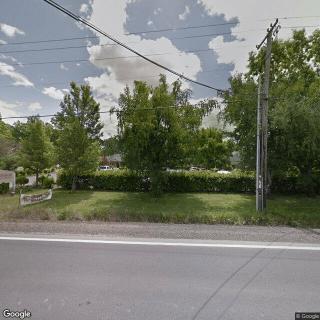







 A Detailed Exploration of Assisted Living Medicaid Waivers Across the United States
 Comprehensive Residential Support and Assisted Living Solutions for Individuals with Disabilities
 Comprehensive Supportive Living Arrangements for Adults with Disabilities