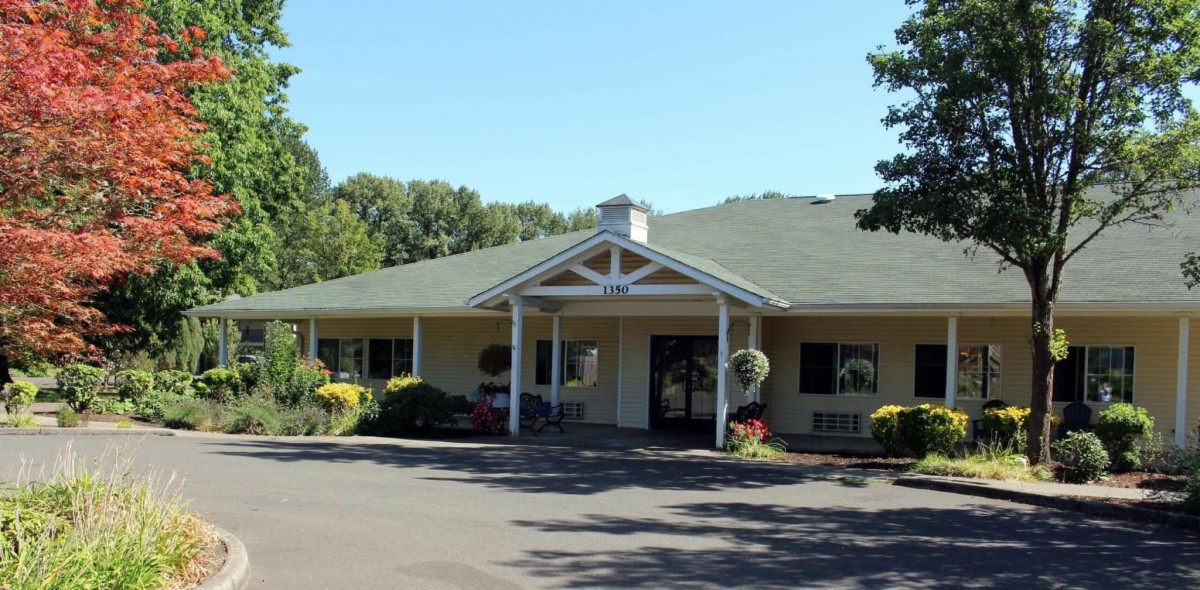
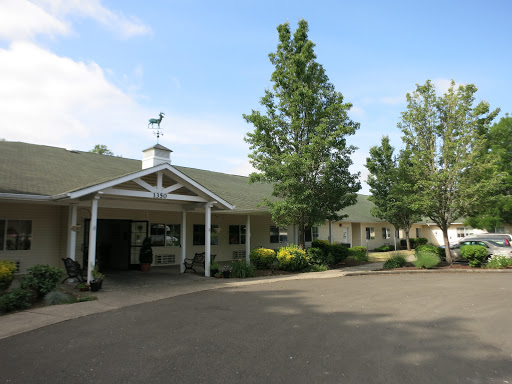

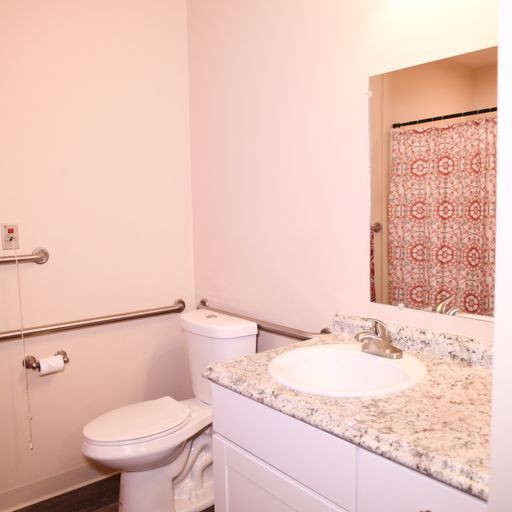

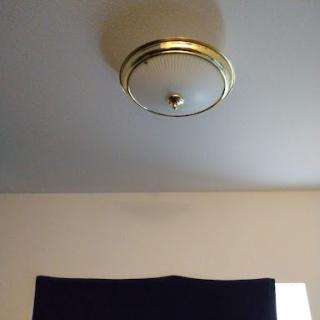
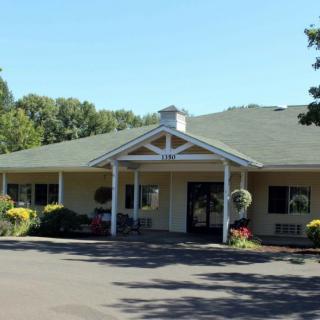
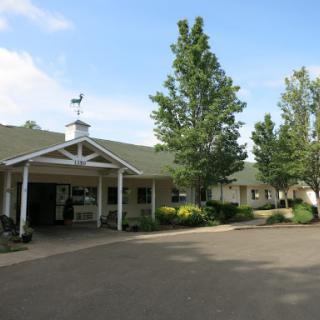






1350 W Main St. Sheridan, Sheridan, OR 97378
For more information about senior living options: (866) 208-4318
Overall Review of River Park Senior Living
Pros
 The current management is turning things around, with workers who are kind, caring, and helpful.
- The staff are friendly, professional, and genuinely care for the residents, and the food is great.
- River Park is a beautiful community with caring staff and strong executive team support.
- The staff go above and beyond to take care of residents and their families.
- The new ownership improved residents' well-being and emotional health.
- River Park has built a good reputation in the community due to the positive differences made by management and staff.
- The move-in process was smooth, with staff assisting families and keeping the space welcoming.
Cons
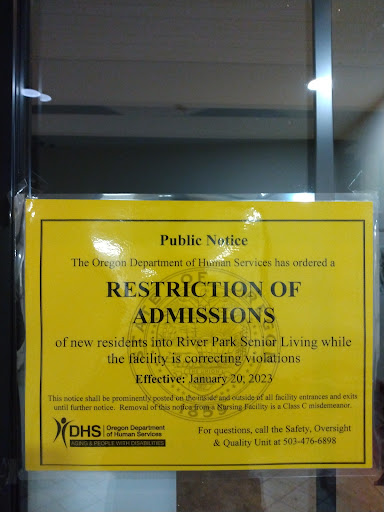
 Lenity management continues to run River Park into the ground.
- The new administrator is a joke; he has no clue what he is doing.
- The seniors who live there do not feel safe.
- It’s like a prison with no activities for them, and drugs and violence happening there.
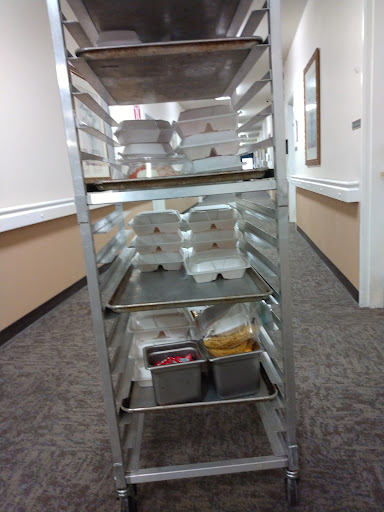
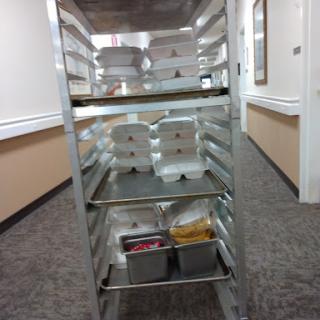
- The food is trash, all premade and processed, tastes like a TV dinner.
- The police are out there almost daily and they are constantly under investigation by the state for wrongdoing.
- That facility will end up being shut down or sold again.
- Almost every resident has been verbally harassed by another resident, and the place is understaffed.
- There is only one staff member who actually helps.
- The new nurse has no clue what she’s doing.
- No one listens to him when he talks of concerns.
- It didn't have a good reputation and things were really bad.
Review
River Park Senior Living in Sheridan, Oregon is best suited for families that prize a warm, neighborly atmosphere and genuinely caring staff, and are prepared to actively monitor safety and leadership stability. The community has shown that when the right people are at the helm and teams are engaged, residents can feel welcomed, transitions can be streamlined, and day-to-day care can be attentive. It is not a hands-off option; it requires active family involvement to ensure that ongoing improvements stick and that the environment remains person-centered. For families that can tolerate a degree of operational fluctuation while prioritizing interpersonal warmth, River Park offers a real, tangible sense of community.
However, this is a facility where alternatives should be seriously considered for anyone whose nonnegotiables include airtight safety, unwavering administrative competence, and consistently polished operations. The reviews paint a fragmented picture: episodes of effective care and kindness sit alongside persistent concerns about safety, communication gaps, and leadership turnover. Potential residents who need predictable governance, robust activity programming, and reliable responsiveness may find River Park lacking in the consistency demanded by more demanding care scenarios. In short, River Park is not a guaranteed safeguard for every senior’s needs; it demands vigilant, ongoing oversight from families.
The strongest offset to the downsides rests in the proven, caring staff and the moments when the culture of the community shines through. Multiple accounts describe staff as kind, patient, and genuinely devoted to residents, with transitions handled smoothly and families feeling supported during move-in. The engagement from the executive team and the visible effort to create a welcoming atmosphere are repeatedly cited as turning-point factors that improve the resident experience. When administrators and front-line caregivers are aligned, residents sense the difference, care feels personalized, and families experience fewer post-move stresses. Those positives are meaningful, especially for residents who respond well to a warm, relational caregiving style and to facilities that prioritize resident comfort.
Yet the central concerns cannot be dismissed. The most persistent alarms relate to safety and governance: claims that safety is compromised, that the facility can resemble a monitored environment more than a secure haven, and that state-level investigations or frequent police interactions create a risky backdrop. Reports of understaffing, with too few aides on duty, translate directly into slower response times and heightened frustration for both residents and families. Communication lapses, difficulties reaching the right person, delayed crisis responses, and inconsistent information, amplify these safety worries. The combination of management instability and safety concerns means families must go beyond a visit to assess current practices, policies, and staffing levels before committing.
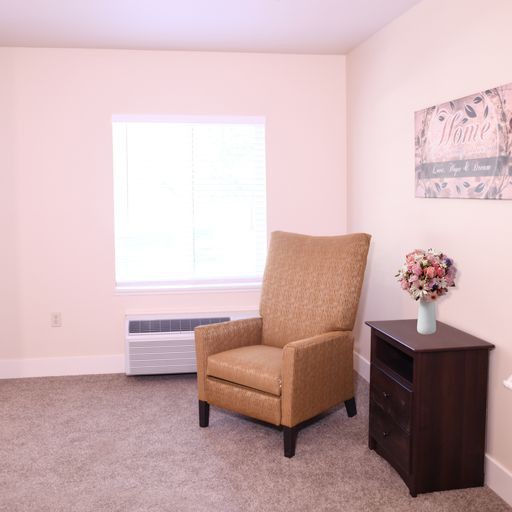
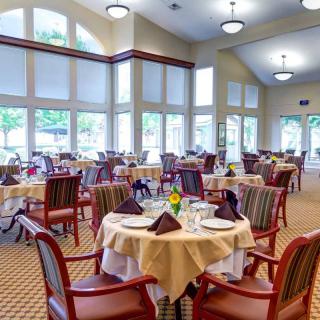
The resident experience presents a paradox. On one hand, the setting is described as beautiful and inviting, with clean apartments and the ability to customize spaces, which helps residents feel at home from day one. On the other hand, there are sharp discrepancies in food quality, activity offerings, and daily protocol. Some residents and families praise the food and the seamless support during transition, while others report premade meals and inconsistent dining experiences. The same facility celebrated for hospitality by some becomes a focal point for frustration for others when issues like food quality, specialist staff attention, or allergy management surface. The dichotomy underscores a fundamental truth: River Park can deliver warmth and competence, but only if leadership and staffing are stable and reliably directed toward resident-centered routines.
In making a decision, families should weigh River Park as a care option that rewards proactive oversight and values a genuine, compassionate staff culture, but requires tolerance for variability in administration, safety practices, and daily operations. The best-fit profile includes those who can commit to regular check-ins, demand transparent communication, and insist on visible accountability from the administrative team. For others, particularly those requiring consistent safety protocol, predictable programming, and a track record of steady leadership, alternatives may offer greater reassurance. Prospective residents should request a candid meeting with the administrator, review recent licensing inspections, observe staffing levels during peak hours, and speak directly with current residents about safety, meal quality, and responsiveness. They should also probe whether improvements under recent ownership have stabilized and become lasting.
River Park is a practical choice for families who blend trust with oversight: they are willing to engage with caregivers, advocate for clear communication, and monitor ongoing safety improvements. It is less suitable for those who cannot tolerate leadership turnover, inconsistent staffing, or gaps in safety and responsiveness. In the Sheridan market, the decision hinges on a clear-eyed assessment of current governance and the ability to maintain an active, evaluative partnership with the facility. Where River Park demonstrates consistent accountability and sustained improvements, the warmth and quality of care can be compelling. Where governance falters, those gains evaporate, and the risk calculus shifts decisively toward alternatives that offer steadier leadership, stronger safety records, and more predictable day-to-day operations.
 Assisted Living
 Beauty salon
 Cable or satellite TV
 Fully furnished
 Garden
 Housekeeping services
 Move-in coordination
 Outdoor space
 24-hour call system
 Activities of daily living assistance
 Assistance with bathing
 Assistance with dressing
 Assistance with transfers
 Diabetes diet
 Meal preparation and service
 Medication management
 Special dietary restrictions




 Choosing the Right Senior Care: A Detailed Exploration of Assisted Living and Nursing Homes
 Understanding the True Cost of Assisted Living in 2025: A Comprehensive Guide
 Understanding Medicaid Coverage for Assisted Living: A Comprehensive Guide