
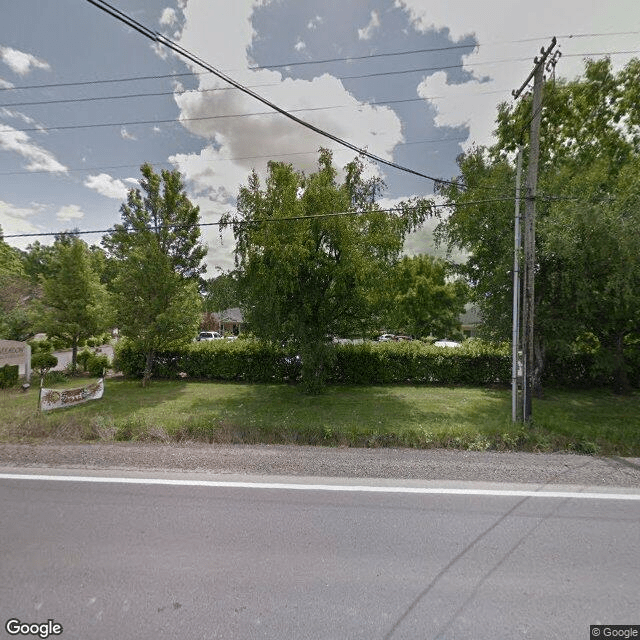
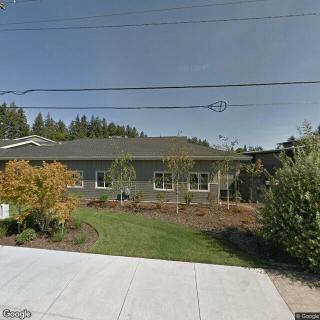
1350 W Main St, Sheridan, OR 97378
To contact a resident: (503) 843-7799
For more information about senior living options: (866) 208-4318
Deer Meadow Costs & Pricing
At Deer Meadow, the monthly costs for housing reflect a competitive positioning within the local and state market. For instance, a studio apartment is priced at $2,965, which significantly undercuts both Yamhill County's average of $4,837 and the state average of $3,815. Similarly, one-bedroom units at Deer Meadow are available for $3,585, again presenting a more affordable option compared to Yamhill County's rate of $4,069 and Oregon's statewide average of $3,904. These pricing strategies not only make Deer Meadow an attractive choice for potential residents but also underscore its commitment to providing value in an increasingly challenging housing landscape.
| Floor plans | Deer Meadow | Yamhill County | Oregon |
|---|---|---|---|
| Studio | $2,965 | $4,837 | $3,815 |
| 1 Bedroom | $3,585 | $4,069 | $3,904 |
Assisted Living communities with a similar price nearby
-
from -$210 / mo
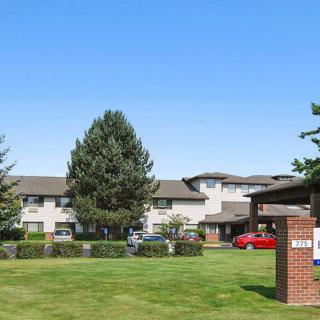
Brookdale McMinnville Town Center
$2,755 to $4,195 / month14.5 miles away -
from +$470 / mo

The Village at Keizer Ridge
$3,435 to $4,775 / month20.5 miles away -
from +$415 / mo

The Springs at Willowcreek
$3,380 to $4,965 / month24.1 miles away -
from +$205 / mo

Bonaventure at Keizer Station
$3,170 to $5,550 / month20.7 miles away -
from -$192 / mo
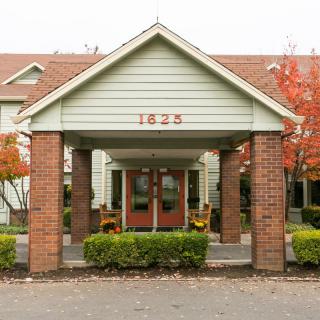
Willson House
$2,773 to $5,370 / month22.4 miles away
Overall Review of Deer Meadow
Pros
 The reviewer praises Deer Meadows for its button-operated doors, which they appreciated, especially while walking with a walker.
- The reviewer notes that Deer Meadows’ staff greeted them warmly and made them feel important.
- The reviewer describes touring Deer Meadows as a very pleasant experience.
- The reviewer mentions that the services offered at Deer Meadows are very reasonably priced.
- The reviewer observed happy, smiling residents, suggesting they enjoyed living there.
Cons
 The reviewer cannot recommend the place under the current administration.
- The staff are overworked and stressed out.
- There is doubt that it is legal for the facility to operate with such a small staff.
- The atmosphere is distinctly unloving.
- The reviewer fears that family members would have to endure them.
- There was a staffing shortage, and the care was inadequate.
- The management is very poor.
- The staff fail to take proper care of the residents.
- Employees steal residents' narcotics.
- Employees give residents illegal drugs.
- The reviewer cautions others not to send their loved ones there.
Review
Deer Meadow in Sheridan, Oregon is best suited for seniors who are largely independent and can operate with limited, intermittently available staffing. It may work for families willing to provide day-to-day oversight or to supplement care with outside help, and for those who are price-conscious and able to navigate a pay structure that can hinge on Medicaid eligibility. The community can feel familiar to residents who value a straightforward tour experience and a stable, home-like atmosphere in a setting where basic housing and light assistance are the core offerings. In short, this is a practical option for someone who can accept the trade-off between modest amenities and a workforce that may be stretched thin, rather than a destination for high-touch, continuous care.
That practicality becomes the clearest reason families should consider alternatives. Seniors needing reliable daily care, timely help with bathing, medication management, or memory support will likely find Deer Meadow wanting. The ownership change and rebranding to River Park, coupled with persistent reports of understaffing and disengaged leadership, raise red flags about consistency, safety, and day-to-day responsiveness. Those who cannot tolerate a tense front-line atmosphere or who require around-the-clock monitoring should look elsewhere. For decision-makers seeking high-touch certainty, this community does not deliver a dependable safety net or predictable quality of care.
On the upside, certain features can enhance everyday life in small, tangible ways. Button-operated doors aid mobility for walkers, a detail that matters for residents with limited movement. Tour experiences in the past have presented a courteous, welcoming front desk and a generally pleasant first impression. Some residents report base prices that feel reasonable for the service mix offered, and the atmosphere during visits can project a resident-centered intent. These contrasts matter, since comfort and initial trust influence the initial decision; however, they do not eliminate the core concerns about staffing and management that modern families must weigh.
The most consequential drawbacks are substantial and recurring. Chronic understaffing, oftentimes described as a single assistant for fifty residents, creates real risks around timely assistance, safety, and consistent quality of care. Management quality is repeatedly criticized, with allegations of poor oversight and troubling claims about how medications and narcotics are handled. Reports of residents being exposed to or receiving illegal drugs, whether firsthand or through staff, amplify grave safety concerns. An atmosphere described as unloving or disorganized further undermines confidence that loved ones will receive attentive, compassionate care. Cost discussions can be confusing, and at times inconsistent, leaving families unsure about true monthly commitments.
When evaluating Deer Meadow, proactive due diligence is essential. Verify current ownership and management stability, request up-to-date staffing data, and arrange on-floor tours at different times to observe real-time dynamics. Speak with multiple residents and their families about response times, care quality, and how concerns are handled. Review the latest licensing records and any complaint histories, and confirm which services are included in base rates and what remains billable. Clarify care levels, triggers for escalated services, and the process for requesting staffing adjustments if needs evolve. Where possible, obtain a written, short-term care plan and a clear grievance pathway to gauge how issues are resolved as conditions change.
In sum, Deer Meadow presents a high-stakes choice. It can serve as a budget-conscious option for relatively independent seniors who can tolerate limited hands-on care and active family involvement, but it is not a default safe harbor for those needing reliable, constant support. The cumulative concerns around staffing instability and management performance should push families toward careful comparison with other communities that offer steadier caregiver ratios, transparent pricing, and demonstrably reliable care. For most decision-makers, pursuing options with stronger leadership and a proven track record of consistent, compassionate care will yield greater peace of mind and a more predictable, safer daily living environment for a loved one.
 Assisted Living
 Activities on-site
 Devotional services off-site
 Indoor common areas
 Ambulatory care
 Diabetic care
 Meals provided






 Medicare Coverage for Assisted Living: An In-Depth Exploration
 Choosing the Right Senior Care: A Detailed Exploration of Assisted Living and Nursing Homes
 Understanding the True Cost of Assisted Living in 2025: A Comprehensive Guide