
Rock of Ages Mennonite Home in McMinnville, OR

Save
Rock of Ages Mennonite Home Rock of Ages Mennonite Home Rock of Ages Mennonite Home Rock of Ages Mennonite Home

Rock of Ages Mennonite Home in McMinnville, OR

15600 SW Rock of Ages Rd, McMinnville, OR 97128

For more information about senior living options: (844) 490-3973

4.3 from 15 reviews
5 stars
11
4 stars
2
3 stars
0
2 stars
0
1 stars
2

Assisted Living Memory Care

What level of care are you interested in?

Assisted Living

Memory Care

Independent Living

Skilled Nursing Facility

Continuing Care Retirement Community (CCRC)CCRC

Other


Request a tour at Rock of Ages Mennonite Home

    Overall Review of Rock of Ages Mennonite Home

    Pros

    • pro Rock of Ages provides quality care through compassionate and understanding staff who support residents and their families.
    • pro The facilities are well-kept, and residents are treated as family and are well-loved.
    • pro The staff are very kind and friendly.
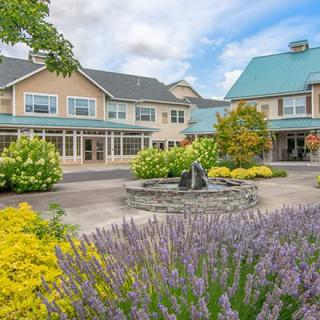
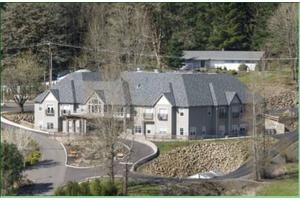
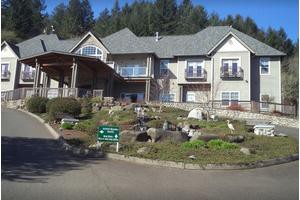
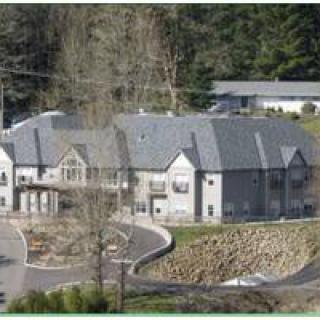
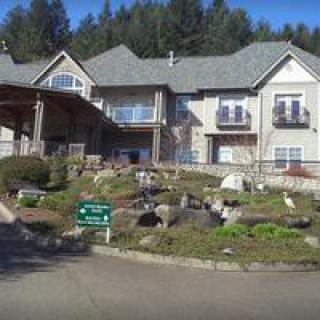
    • pro Valley View is described as "like living in a resort, but better," with beautiful, well-maintained grounds.
    • pro Residents can continue lifelong hobbies and participate in planned community events in a supportive setting with spaces for activities.
    • pro Valley View offers a well-equipped fitness space and easy scheduling of personal services like toenail care, massage, and barber visits.
    • pro The staff at Valley View are exceptional, including caregivers, kitchen helpers, and maintenance personnel.
    • pro The walking track around the main building provides wonderful views and is accessible for all walking levels.
    • pro The community is a close-knit, beautiful setting with extremely friendly and helpful staff.

    Cons

    • pro The bathroom trailer blocked a ton of space in the middle of the venue, and staff refused to move it.
    • pro They didn't want to upset the maintenance guy, so he wasn't asked to move or clean it.
    • pro The situation was described as extremely unprofessional and dirty.

    Review

    Rock of Ages Mennonite Home in McMinnville is best suited for families seeking a warm, community-centered setting that blends real care with a resortlike, serene environment. This community shines for residents who want accessible, compassionate staff, strong personal attention, and a place that feels like home while still offering robust services. It appeals to those who value meaningful activities, outdoor beauty, and the option to stay independent while having dependable support on call. For families prioritizing continuity of care, social connection, and a kitchen-to-dining balance that supports both independence and assistance, this is a compelling fit.

    Those who should consider alternatives are those who place a premium on flawless operational logistics in every corner of the campus. A recent operational hiccup around event space logistics - an unmovable bathroom trailer that blocked space and a maintenance team hesitant to relocate it - signals that occasionally practical execution can lag behind the care culture. For families arranging large gatherings, special events, or who demand uniform, highly predictable facility management on a daily basis, this is a factor to weigh. Additionally, prospective residents with tighter budgets or those seeking a more clinical, streamlined care model may find other communities that better align with budget caps or a crisper, more modern aesthetic.

    The core strength here is the care philosophy demonstrated across staff, residents, and families. Multiple reviews highlight compassionate, knowledgeable staff who treat residents like family, and caregivers who respond quickly and thoughtfully. The care network extends beyond basic assistance: 24/7 in-home healthcare on call, on-site nurse practitioner support, and easy access to services such as meals delivered, personal living assistance, and even private, in-home arrangements when needed. These elements create a safety net that can offset occasional operational rough edges, particularly for families seeking reassurance about long-term, person-centered care and visible, caring engagement from caregivers and administrators alike.

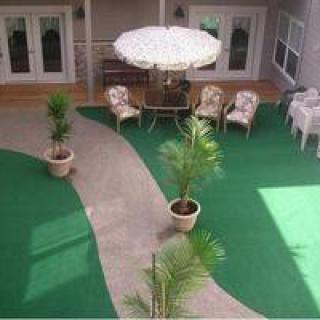
    Environment and amenities amplify the appeal. The grounds are repeatedly described as beautiful, well-maintained, and peaceful, with walkable paths, scenic views, and a strong sense of community. Residents have opportunities to pursue lifelong hobbies - gardening, landscape work, and organized events - without losing access to modern conveniences like a well-equipped fitness space, community buildings for activities, and the option to reserve facilities for private events. For those who prize independence, options like two-bedroom homes with washers, dryers, and full kitchens, plus dining alternatives where meals can be delivered, create a flexible living model that supports autonomy while preserving support networks.

    Care continuity and family-focus round out the practical value. The Transitional Care unit and the reputation for quality care during hospitalization transitions anchor confidence for families facing medical changes. The ability to bring a spouse into a transitional setting, with a nearby private room and family space, is a meaningful, differentiating feature. The community's staff is praised for matching caregivers to individual needs, avoiding long waits for placement, and maintaining clear, responsive communication during evaluation and transition periods. These strengths translate into fewer friction points for families navigating complex elder-care decisions and ongoing caregiving responsibilities.

    In sum, Rock of Ages Mennonite Home represents a strong, practical option for seniors who want a close-knit, caring environment backed by robust services and appealing, activity-rich surroundings. It is less ideal for families prioritizing flawless event logistics and ultra-modern, uniform campus operations, or for those with tighter budget constraints who need the most aggressive pricing. For families who value compassionate care, a welcoming, home-like atmosphere, and reliable access to a full spectrum of support - from 24/7 in-home healthcare to social, recreational, and rehabilitative services - this community deserves careful consideration and, in many cases, a serious look as a top choice.

    Features

    Housing

    • 22 resident community capacity 22 resident community capacity

    Types of Care

    • Assisted Living Assisted LivingAssisted living facilities provide crucial support and care for seniors who may need help with daily tasks such as medication management, bathing, and meal preparation. These communities offer a safe and comfortable environment where seniors can maintain their independence while receiving the assistance they need to thrive in their golden years.
    • Memory Care Memory CareMemory care is crucial for seniors as it provides specialized support and services for individuals with dementia or Alzheimer's disease. These programs offer a safe and secure environment where residents receive personalized care, cognitive stimulation, and help with daily activities. Memory care helps seniors maintain their independence, quality of life, and dignity while also providing peace of mind for their families.

    Amenities

    • Activities on-site Activities on-siteActivities on-site are important for seniors because they provide opportunities for socialization, mental stimulation, physical activity, and overall well-being. Engaging in activities can help seniors stay active, maintain their independence, and improve their quality of life.
    • Beauty salon Beauty salonBeauty salons are important for seniors because they provide a space for them to feel pampered, socialize, and maintain their personal grooming and hygiene. Regular visits to a beauty salon can help boost seniors' self-esteem and overall well-being.
    • Cable or satellite TV Cable or satellite TVCable or satellite TV is important for seniors because it provides entertainment, news, and companionship, helping to combat loneliness and boredom. It also offers a wide range of programming options tailored to different interests and preferences.
    • Devotional services off-site Devotional services off-siteDevotional services off-site are important for seniors as they provide spiritual nourishment, social engagement, and a sense of community outside of the senior living facility. This can enhance overall well-being and help combat feelings of isolation and loneliness often experienced by older adults.
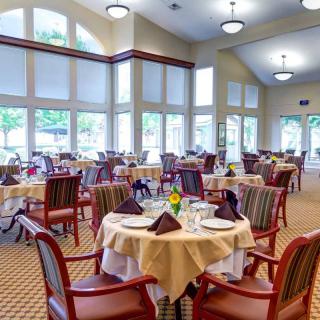
    • Dining room Dining roomDining rooms are important for seniors as they provide a space for socialization, connection, and nutritious meals. They offer opportunities for residents to bond over shared meals, foster a sense of community, and promote healthy eating habits. Dining rooms also ensure that seniors have access to well-balanced meals tailored to their dietary needs and preferences.
    • Fully furnished Fully furnishedFully furnished senior living communities are important for seniors because they provide convenience, comfort, and a hassle-free moving experience. Seniors can easily settle into their new living space without the stress of having to buy and move furniture. This allows them to focus on enjoying their new home and community.
    • Garden GardenGardens are important for seniors as they provide a peaceful and therapeutic environment for relaxation, physical activity, and socialization. Being in nature has been shown to reduce stress, improve mood, and promote overall well-being. Gardens also offer opportunities for seniors to engage in gardening activities, which can improve mobility, flexibility, and cognitive function. Additionally, gardens create a sense of community and connection with others who share a passion for plants and outdoor spaces.
    • Housekeeping services Housekeeping servicesHousekeeping services are important for seniors because they help maintain a clean and safe living environment, promote independence, and reduce the risk of accidents or illnesses. Additionally, having assistance with household chores can alleviate physical strain and allow seniors to focus on other aspects of their well-being.
    • Indoor common areas Indoor common areasIndoor common areas are crucial for seniors as they provide a space for socialization, recreation, and community engagement, promoting overall well-being and reducing feelings of isolation and loneliness.
    • Kitchenette KitchenetteKitchenettes are important for seniors living in senior living communities because they provide the convenience and independence of being able to prepare simple meals and snacks in the comfort of their own living space. This can help promote a sense of autonomy and well-being for seniors, allowing them to maintain some level of control over their dietary choices and daily routines.
    • Move-in coordination Move-in coordinationMove-in coordination is important for seniors because it helps ease the transition into their new living environment. It ensures that all logistics, such as packing, organizing movers, and setting up utilities are taken care of, allowing seniors to focus on settling in and adjusting to their new home. Having a smooth move-in process can alleviate stress and anxiety, making the transition smoother and more enjoyable for seniors.
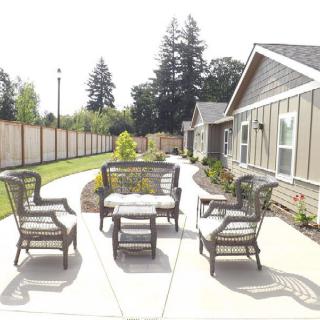
    • Outdoor space Outdoor spaceOutdoor spaces are important for seniors as they provide opportunities for physical activity, social interaction, exposure to natural light and fresh air, and a sense of connection to nature. Having access to outdoor spaces can improve overall well-being and quality of life for older adults living in senior communities.
    • Restaurant-style dining Restaurant-style diningRestaurant-style dining is important for seniors because it allows them to enjoy delicious, nutritious meals in a social and upscale setting. This enhances their dining experience, promotes healthy eating habits, and fosters socialization with fellow residents, ultimately contributing to their overall well-being and quality of life.
    • Small library Small librarySmall libraries are important for seniors as they provide access to a variety of reading materials, including books, newspapers, and magazines. This can help stimulate their minds, keep them engaged, and provide a sense of community through book clubs and other social activities. Additionally, reading has been shown to improve cognitive function and overall mental well-being in older adults.
    • Telephone TelephoneTelephones are important for seniors as they provide a lifeline for communication with loved ones, emergency services, and healthcare providers. They offer a sense of security and independence, enabling seniors to stay connected and access assistance when needed.
    • Wi-Fi/high-speed internet available Wi-Fi/high-speed internet availableWi-Fi/high-speed internet is important for seniors to stay connected with loved ones, access online resources, and participate in virtual activities to combat feelings of loneliness and isolation. It also allows them to easily manage healthcare needs, access entertainment, and engage in lifelong learning opportunities.

    Care Services

    • 24-hour call system 24-hour call system24-hour call systems are important for seniors because they provide peace of mind and immediate assistance in case of emergencies. This technology ensures that help is always available, promoting safety and security for elderly individuals living alone or in assisted living facilities.
    • 24-hour supervision 24-hour supervision24-hour supervision is important for seniors to ensure their safety, well-being, and access to immediate assistance in case of emergencies or health issues. This constant support provides peace of mind for both seniors and their loved ones, allowing them to age in place with dignity and security.
    • Activities of daily living assistance Activities of daily living assistanceActivities of daily living assistance are important for seniors because they provide essential support with tasks such as eating, bathing, dressing, and mobility. This assistance helps seniors maintain their independence, dignity, and overall quality of life as they age.
    • Ambulatory care Ambulatory care"Ambulatory care services provide essential medical support and treatment to seniors without requiring hospitalization, allowing them to maintain their independence and quality of life while managing chronic conditions or receiving routine medical care."
    • Assistance with bathing Assistance with bathingAssistance with bathing is crucial for seniors as it helps maintain personal hygiene, prevents infections, and ensures their overall well-being and comfort. It also provides a sense of dignity and independence for seniors who may struggle with this task on their own.
    • Assistance with dressing Assistance with dressingAssistance with dressing is important for seniors because it helps maintain their independence, promotes personal hygiene, prevents accidents and injuries, and improves overall quality of life. This service ensures that seniors can continue to dress comfortably and confidently, despite any physical limitations they may have.
    • Assistance with transfers Assistance with transfersAssistance with transfers is crucial for seniors as it helps prevent falls and injuries, maintains their independence, and ensures they can safely navigate their living environment. It also provides peace of mind for both seniors and their loved ones.
    • Diabetes diet Diabetes dietA diabetes diet is crucial for seniors as it helps manage blood sugar levels, reduce risks of complications, and improve overall health and well-being. By following a balanced and nutritious diet tailored to their specific needs, seniors can better control their diabetes and enhance their quality of life.
    • Diabetic care Diabetic careDiabetic care is crucial for seniors as they are more susceptible to developing diabetes due to aging and other health conditions. Proper management of diabetes can help prevent complications such as heart disease, vision loss, and nerve damage, improving the overall quality of life for seniors in senior living communities.
    • Meal preparation and service Meal preparation and serviceMeal preparation and service are crucial for seniors as they may have limited mobility or energy to cook nutritious meals. Having access to healthy and convenient food options can ensure they are getting the proper nutrition needed to maintain their overall health and well-being.
    • Medication management Medication managementMedication management is crucial for seniors to ensure they are taking the right medications at the correct dosages and times. This helps prevent adverse drug interactions, reduces the risk of medication errors, and promotes overall health and well-being. Proactive management also allows for adjustments as needed based on changing health conditions or new prescriptions.
    • Mental wellness program Mental wellness programMental wellness programs are essential for seniors as they promote cognitive stimulation, emotional support, and social engagement. These programs help prevent isolation, depression, and cognitive decline, ultimately enhancing the overall quality of life for older adults.
    • Mild cognitive impairment Mild cognitive impairment"Mild cognitive impairment" is important for seniors because it is an early stage of cognitive decline that can potentially progress to more severe conditions such as dementia. Recognizing and addressing mild cognitive impairment can help seniors receive appropriate care and support to maintain their quality of life and independence for as long as possible.
    • Special dietary restrictions Special dietary restrictionsSpecial dietary restrictions are important for seniors because age-related changes in metabolism and health conditions can make it difficult for their bodies to process certain foods. By following a diet tailored to their specific needs, seniors can maintain their overall health and well-being, manage chronic conditions, and reduce the risk of complications such as malnutrition or food interactions with medications.
    • Specialized memory care programming Specialized memory care programmingSpecialized memory care programming is crucial for seniors with cognitive impairments such as dementia or Alzheimer's disease. These programs provide a safe and supportive environment tailored to the unique needs of individuals with memory loss, helping them maintain their independence, dignity, and quality of life.

    Dining

    • Diabetes diet Diabetes dietA diabetes diet is crucial for seniors as it helps manage blood sugar levels, reduce risks of complications, and improve overall health and well-being. By following a balanced and nutritious diet tailored to their specific needs, seniors can better control their diabetes and enhance their quality of life.
    • Meals provided Meals provided"Meals provided" are crucial for seniors in assisted living communities as it ensures they have access to nutritious, balanced meals without the stress of meal planning and preparation. This can help promote overall health and well-being for seniors who may have limited mobility or cognitive abilities.
    • Special dietary restrictions Special dietary restrictionsSpecial dietary restrictions are important for seniors because age-related changes in metabolism and health conditions can make it difficult for their bodies to process certain foods. By following a diet tailored to their specific needs, seniors can maintain their overall health and well-being, manage chronic conditions, and reduce the risk of complications such as malnutrition or food interactions with medications.

    Activities

    • Activities on-site Activities on-siteActivities on-site are important for seniors because they provide opportunities for socialization, mental stimulation, physical activity, and overall well-being. Engaging in activities can help seniors stay active, maintain their independence, and improve their quality of life.
    • Community-sponsored activities Community-sponsored activitiesCommunity-sponsored activities are important for seniors as they provide opportunities for social interaction, mental stimulation, and physical activity. These activities can help improve overall well-being, combat loneliness and isolation, and promote a sense of belonging and purpose among older adults.
    • Devotional activities offsite Devotional activities offsiteDevotional activities offsite are important for seniors because they provide social engagement, spiritual growth, and a sense of community outside of their living environment. This can improve overall well-being, mental health, and combat feelings of isolation or loneliness.
    • Resident-run activities Resident-run activitiesResident-run activities are important for seniors as they encourage social interaction, creativity, and a sense of autonomy. These activities empower seniors to stay engaged and active in their community while fostering meaningful connections with their peers.
    • Scheduled daily activities Scheduled daily activitiesScheduled daily activities are important for seniors because they provide structure, socialization, mental stimulation, and physical activity. Engaging in regular activities can improve overall well-being and quality of life for seniors living in a community setting.

    Description

    Rock of Ages Mennonite Home in McMinnville, OR is an assisted living community that offers a range of amenities and care services to ensure a comfortable and fulfilling lifestyle for its residents. With a focus on providing a nurturing and supportive environment, this community offers devotional services off-site, allowing residents to explore their spiritual needs in a variety of settings.

    Indoor common areas are provided for socializing and engaging with fellow residents, fostering a sense of community and companionship. These areas also offer opportunities for various recreational activities, including games, crafts, and organized events.

    One of the core care services offered at Rock of Ages Mennonite Home is diabetic care. The dedicated staff members are trained to provide personalized assistance and support to individuals managing diabetes, ensuring their health needs are met effectively.

    In addition to the provided amenities and care services, this community benefits from its convenient location. Residents have easy access to four cafes nearby, where they can enjoy social outings or grab a coffee with friends or family. Three parks in close proximity provide ample opportunities for outdoor recreation and relaxation. Five pharmacies within reach ensure that medication management and accessibility are hassle-free for residents.

    Furthermore, the presence of nine physicians nearby guarantees that comprehensive medical care is readily available whenever needed. Residents can confidently rely on quality healthcare services provided by professionals located just moments away.

    For those who love dining out or exploring local cuisine options, the 28 restaurants in the vicinity cater to different tastes and preferences. Whether it's fine dining or casual eateries, residents have the freedom to indulge in diverse culinary experiences.

    Transportation options are conveniently available through two nearby means of transportation. This allows residents the convenience and flexibility to travel as needed for appointments or outings.

    Lastly, having nine places of worship nearby ensures that residents can continue practicing their faith and attending religious services without any barriers or distances hindering them.

    With its array of amenities, attentive care services, and close proximity to various conveniences, Rock of Ages Mennonite Home provides a vibrant and fulfilling assisted living community for seniors in McMinnville, OR.

    Nearby Places of Interest

    Restaurants

    • Krispy Krunchy Chicken (2.4 miles)
    • Green Burrito (3.1 miles)
    • Walnut City Lanes (3.2 miles)
    • China House Restaurant (3.3 miles)
    • Sushi Kyo Express (3.4 miles)
    • Maysara Winery (3.8 miles)
    • Harvest Fresh Grocery & Deli (3.9 miles)

    Physicians

    • West Hills Healthcare Clinic (2.4 miles)
    • A Family Healing Center (3.9 miles)
    • Thrive Integrative Psychiatry (3.9 miles)
    • John Scott Gibson (4 miles)
    • McMinnville Vision Clinic (4 miles)
    • Yamhill Valley Dermatology (4.1 miles)
    • Richard I Ecker (4.1 miles)

    Places of Worship

    • McMinnville Covenant Church (2.5 miles)
    • Calvary Chapel (2.8 miles)
    • General Conference Of Seventh-Day Adventists (2.9 miles)
    • Pacific Baptist Church (3.4 miles)
    • St Barnabas Episcopal Parish (3.5 miles)
    • First Baptist Church (3.9 miles)
    • Creekside Community Church (4 miles)

    Parks

    • Discovery Meadows Community Park (2.9 miles)
    • McMinnville City Park (3.9 miles)
    • Erratic Rock State Natural Site (4.1 miles)
    • Airport Park (6.3 miles)
    • Evergreen Aviation Playground (6.6 miles)
    • Amity City Park (6.6 miles)
    • Sheridan City Park (8.7 miles)

    Cafes

    • Starbucks (3.4 miles)
    • K & F At Union Block Coffee (4 miles)
    • Mac Market (4.6 miles)
    • Ooh La Latte (4.7 miles)

    Pharmacies

    • Albertsons Pharmacy (3.4 miles)
    • Sav-On Pharmacy (3.4 miles)
    • Walgreens (3.8 miles)
    • Mac Prescription Shop (3.9 miles)
    • Rite Aid (4.3 miles)
    • Miller (5.4 miles)
    • Walmart Pharmacy (5.4 miles)

    Transportation

    • MC Minnville Muni Airport-Mmv (3.9 miles)
    • Redline Aviation (4.1 miles)
    • McMinnville Municipal Airport (MMV) (6.7 miles)

    Theaters

    • Mcminnville Cinema (5.5 miles)

    Frequently Asked Questions

    Where is Rock of Ages Mennonite Home?
    Does Rock of Ages Mennonite Home provide care for residents with dementia or Alzheimer's disease?
    What photos are available for Rock of Ages Mennonite Home in McMinnville, Oregon?

    Nearby Communities

    • Vineyard Heights Assisted Living

      Vineyard Heights Assisted Living

      South McMinnville, OR

      4.4 from 46 reviews
       

      pro Bright, clean, and welcoming community with attentive staff and engaging activities.

    • McMinnville Memory Care

      McMinnville Memory Care

      McMinnville, OR

      4.4 from 72 reviews
      $4,010 to $4,910 / month

      pro Caring staff in a warm, home-like setting with engaging activities and quality dining.

    • Hillside

      Hillside

      Mc Minnville, OR

      4.4 from 53 reviews
       

      pro Beautiful grounds, friendly staff, and a wide range of activities with a strong community.

    • Hillside Retirement Communities

      Hillside Retirement Communities

      McMinnville, OR

      4.3 from 44 reviews
      $2,040 to $3,120 / month

      pro Clean and well-maintained facility with friendly staff and engaging activities.

    • Terrace At Hillside Assisted Living

      Terrace At Hillside Assisted Living

      Mcminnville, OR

      4.2 from 24 reviews
       

      pro CCRC with 24/7 supervision and broad care plus dining and transport.

    • Harmony Living

      Harmony Living

      Mcminnville, OR

      3 from 2 reviews
       

      pro Small, intimate community with comprehensive care and on-site amenities.

    • Brookdale McMinnville City Center

      Brookdale McMinnville City Center

      Mc Minnville, OR

      4.2 from 32 reviews
      $4,460 to $6,875 / month

      pro Caring staff, clean environment, and engaging activities.

    • Marjorie House Memory Care

      Marjorie House Memory Care

      McMinnville, OR

      3.7 from 16 reviews
      $5,030 / month

      pro Staff treat residents like family with engaging activities and on-site medical care.

    • Cherrywood Memory Care

      Cherrywood Memory Care

      Mc Minnville, OR

      3.7 from 20 reviews
      $4,100 to $4,900 / month

      pro Caring staff and engaging activities in a welcoming environment.

    Related Resources

    • do dementia patients sleep a lotWhy Do Dementia Patients Sleep So Much? Understanding Oversleeping, Stages, and Care Approaches

      Dementia often results in disrupted sleep patterns, leading to excessive daytime sleeping due to factors like brain damage affecting circadian rhythms, medication side effects, and lack of structure in daily activities. Caregivers must monitor these changes closely, as oversleeping can increase risks such as malnutrition or dehydration, and provide necessary support and routines to enhance patient engagement and well-being.

    • when to move from assisted living to nursing home8 Key Indicators That Suggest It May Be Time to Transition from Assisted Living to Skilled Nursing Care

      The transition from assisted living to skilled nursing care is often prompted by complex medical needs that assisted living cannot meet, with key indicators including frequent health declines, increased falls, severe memory issues, and caregiver burnout. Families should recognize these signs early to discuss options with healthcare providers and prepare for the emotional and logistical aspects of moving to a facility that offers comprehensive medical support.

    • best foods for dementia patients to eatNourishing the Mind: Essential Dietary Approaches for Dementia
      Dementia is characterized by cognitive decline, with nutrition playing a vital role in brain health; while no specific diet can prevent or reverse it, a nutrient-dense diet rich in antioxidants and healthy fats may support cognitive function. The MIND diet, which emphasizes beneficial foods and limits processed items, along with proper hydration and individualized meal strategies, can enhance the well-being of dementia patients.


    Get Pricing Ask A Question Schedule A Tour Contact Senior Advisor