



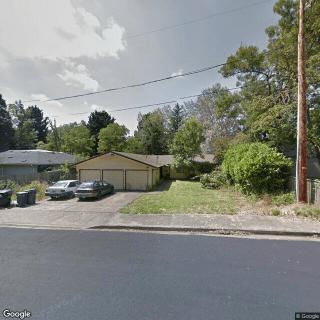
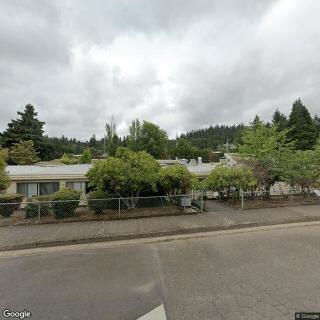
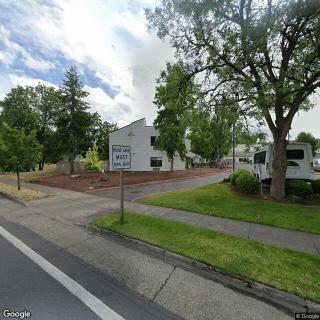
3500 Hilyard Street, Eugene, OR 97405
For more information about senior living options: (866) 208-4318
Overall Review of Good Samaritan Society - Eugene Village
Pros
 The staff are great, caring, and loving.
- The Village staff are always helpful and kind to residents and staff.
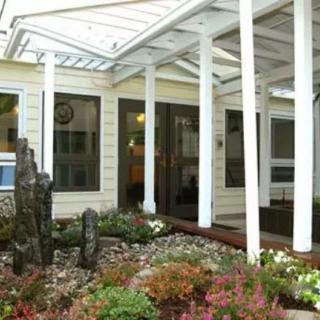
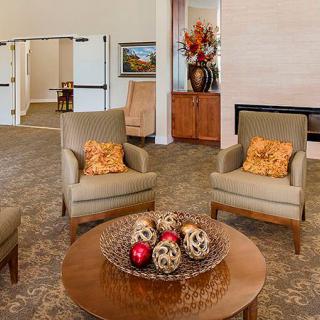
- It feels like a home away from home.
Cons
 They are very understaffed for a 10k-a-month cost.
Review
This community in Eugene is best suited for seniors who prize a warm, home-like atmosphere and staff who are consistently described as caring, patient, and approachable. It works well for residents who want daily life to feel intimate and personal, with a strong emphasis on friendly interactions and a familiar rhythm rather than a clinical, institutional feel. Families seeking reassurance through steady, compassionate caregiving and predictable, emotionally supportive routines will find the strongest alignment here.
Explicitly, those who require more intensive medical oversight, highly structured clinical programming, or rock-solid staffing reliability may want to consider alternatives. A higher level of medical acuity or memory-care specialization may strain this setting if staffing levels cannot be kept consistently robust. The price tag, reported at around ten thousand dollars per month, amplifies the importance of ensuring that care intensity and staffing expectations match what is delivered on a day-to-day basis.
On balance, the standout pros are the staff’s warmth and the home-like vibe. Reviews repeatedly spotlight great, caring, loving staff and a sense that residents are treated like family. This emotional centership translates into meaningful daily interactions, which many families value as a core portion of quality senior living. The human touch is a clear differentiator here, providing comfort, familiarity, and reassurance to both residents and their families. Those factors help to offset some of the logistical friction that can accompany assisted living.
However, the main con, perceived understaffing given the monthly cost, cannot be ignored. If staffing gaps undermine responsiveness, consistency of attention, or availability of activities and individualized support, the otherwise positive atmosphere can fray over time. The financial outlay makes this risk more consequential; families weighing value will want to scrutinize staffing patterns during tours and specifically ask about caregiver ratios, shift coverage, and how care plans are adjusted when demand rises. In other words, the heartening culture helps, but it does not fully neutralize the potential consequences of staffing strain.
Practical decision guidance follows from this balance. Prospective residents and families should prioritize firsthand conversations about daily staffing levels, how often caregivers rotate, and what contingencies exist when there are short-staffed days. A tour that includes time with front-line staff during typical activity periods can illuminate real-world dynamics beyond surface warmth. Consider asking how the community maintains consistent routines for meals, medications, and personal care on busy days, and request recent examples of how staffing changes affected resident schedules. If a resident’s needs are moderate and the emphasis is on companionship and home-like routines, this community offers a compelling match.
The takeaway is decisive: this Eugene village excels where personal warmth, homey ambience, and reliable emotional support are the priority. It remains a strong option for seniors who value a caring, family-like atmosphere and are comfortable with the possibility of occasional staffing pressures in exchange for a lower-key, less clinical environment. Those who cannot accept even intermittent staffing gaps, or who require intensive medical management and highly structured programs, should actively explore alternatives with stronger staffing assurances or greater clinical capacity. In the decision-making process, clarity about staffing expectations and personal care needs will determine whether the fit is right or alternatives are warranted.
 87 resident community capacity
 Skilled Nursing Facility
 Air-conditioning
 Beauty salon
 Cable or satellite TV
 Computer center
 Dining room
 Fitness room
 Fully furnished
 Gaming room
 Garden
 Housekeeping services
 Kitchenette
 Move-in coordination
 Outdoor space
 Private bathrooms
 Restaurant-style dining
 Small library
 Telephone
 Wellness center
 Wi-Fi/high-speed internet available
 Mahlon Sweet (10 miles away)
 Community operated transportation
 12-16 hour nursing
 24-hour call system
 Activities of daily living assistance
 Assistance with bathing
 Assistance with dressing
 Assistance with transfers
 Diabetes diet
 Medication management
 Mental wellness program
 Special dietary restrictions
 Concierge services
 Planned day trips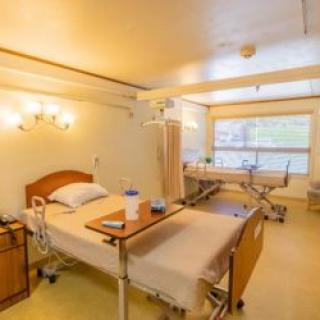



 Understanding the Nuances of Palliative Care and Hospice: A Comprehensive Exploration
 Fecal Incontinence in Older Adults: A Comprehensive Guide
 Nurturing Well-Being Through Gardening: A Detailed Guide for Senior Enthusiasts