

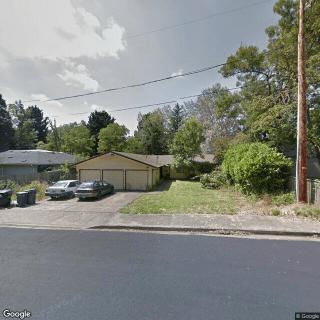
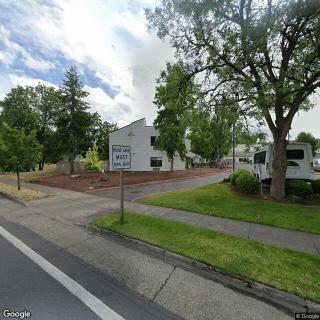
3500 Hilyard St, Eugene, OR 97405
To contact a resident: (541) 687-9211
For more information about senior living options: (866) 208-4318
Overall Review of Eugene Good Samaritan Abby
Pros
 The staff are great, caring, and loving.
- Staff at the Village are always helpful and kind.
- Davis is doing an excellent job taking care of all of them.
- The nursing home staff are friendly and seem to care about the residents.
- Volunteers visit on Wednesdays and paint residents’ nails, which residents love.
Cons
 The facility is very under-staffed for $10k a month.
- There was only one staff member for everybody and everything.
- There is a smell of urine that sometimes drifts down the hallway.
- The food does not seem very good.
Review
Best suited for seniors who want a home‑like, family‑style setting and for families that value steady, compassionate care. This Eugene community tends to resonate with residents who appreciate predictable routines, genuine warmth from staff, and a discernible sense of community rather than glitzy amenities. The operation carries a church‑rooted ethos and a neighborhood feel, helping families stay connected and visitors drop in without fuss. For those who can tolerate a quieter pace and rely on straightforward daily support, this is a welcoming option. It is not pitched as high‑end living or a resort, it's about reliable daily assistance and approachable staff. People seeking boutique dining or aggressively programmed activities should set expectations accordingly.
Alternatives should be on the radar for anyone whose top priorities include higher staffing ratios, more consistent meal quality, or a broader array of daily programming. Reviewers repeatedly flag staffing levels as a concern, suggesting a lean operation that can stretch to cover responsibilities. Residents who require around‑the‑clock assistance or demand executive chef‑level dining will likely want to compare other options. Odor control and a broader menu of services are also important considerations that may push families toward facilities with larger teams or newer layouts. In short, this community serves best for visitors who want warmth and accessibility more than volume of services.
Key pros are palpable in the daily experience: staff are described as caring and attentive, and leadership is viewed as steady and capable. The homey, welcoming atmosphere makes visits feel natural, not clinical. Volunteers add thoughtful touches, such as nails being painted, creating small but meaningful moments of engagement. For families living nearby, easy visitation and visible staff who know residents by name contribute to a sense of security and continuity. While meals are described as acceptable rather than exceptional, the overall climate leans toward comfort, consistency, and personal connection, which matters greatly for residents who thrive on routine and familiar faces.
The drawbacks temper the overall value proposition and deserve close scrutiny. The most persistent concern is staffing levels relative to cost, with accounts of a single staff member juggling multiple duties during peak times. Meal quality tends to be average rather than standout, offering limited culinary distinction for those who place a premium on dining experience. A reported odor issue in one review signals potential cleanliness or odor control challenges that would need to be addressed to sustain comfort. Taken together, the care warmth remains a strong asset, but the practical constraints of staffing and dining quality can undermine perceived value, especially for families comparing cost against the level of care received.
How the positives balance the negatives depends on what families prioritize. The personal warmth and steady caregiving can offset some staffing gaps for residents who value daily kindness and familiar faces, but those seeking robust, resource‑rich care and restaurant‑quality meals may question whether the price aligns with outcomes. For families prioritizing ease of visitation, meaningful staff‑resident relationships, and a community feel, the benefits often outweigh the shortcomings. In this sense, the environment functions as a reliable, homelike option that delivers steady support, yet it may fall short for those with higher acuity needs or a tighter budget looking for more comprehensive care.
Practical next steps: pursue a candid tour and ask pointed questions about staff‑to‑resident ratios by shift, how acuity is managed, and what contingencies exist if more help is needed. Sample a meal and speak with current residents about meal variety and odor control, and confirm how housekeeping and laundry are handled. If memory care or higher‑care needs are anticipated, benchmark against facilities that demonstrate stronger clinical staffing and more dynamic dining programs. Finally, quantify the total monthly cost against the actual level of care received and the ease of visitation, then decide whether the home‑like, compassionate environment justifies the price tag or if a more robust option is warranted.
 Independent Living
 Skilled Nursing Facility
 Mahlon Sweet (10 miles away)






 Comprehensive Guide to Medicare Coverage for Hospice Care
 Caring for Those Who Care: Recognizing, Understanding, and Overcoming Caregiver Burnout
 Caregiver Exhaustion: Recognizing the Signs and Restoring Your Well-Being