
1310 East Cleveland, Sapulpa, OK 74066
For more information about senior living options: (866) 208-4318
Overall Review of Ranch Terrace Nursing Home
Pros
 Ranch Terrace Nursing Home Inc was very clean.
- The person that showed me around was very, very informative.
- the facilities were pretty clean.
- There are a FEW amazing staff that actually care about the care provided...
- Good clean place
Cons
 The facility cares more about money than its patients.
- The place should be shut down.
- It is not advisable to put family members there.
- Some staff are untrained and the owner is described as a sick man who only cares about money.
- The facility is dirty and not cleaned properly, with poor waste disposal.
- Administration and nurses are mean and neglect patients; the health department should have shut it down, and communication is a disaster.
- The hard-working staff are treated like garbage by the administration.
Review
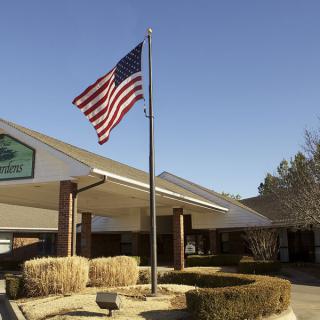
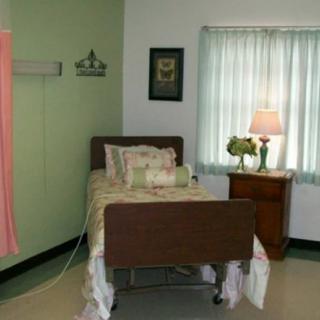
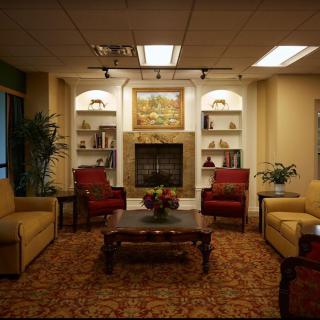
This community is best suited for families that prioritize a clean, straightforward environment with regular social activity and predictable meals. It suits residents who respond well to routine and who value visible cleanliness and a welcoming first impression. The facility’s emphasis on a varied meal program and opportunities for social interaction, such as residents engaging in games and conversation, can make daily life pleasant in the short term. However, it is not the right fit for those who require steady, high-level clinical oversight, consistent staffing, and a transparent, accountable administration.
Those considering alternatives should focus on the core gaps that repeatedly appear in reviews: stability and trust in leadership, reliability of staffing, and sustained cleanliness beyond surface impressions. If staffing turns over quickly, if frontline caregivers are inconsistent or undertrained, or if communication with families becomes inconsistent, the benefits of a clean campus and pleasant dining can quickly fade. Families with residents who need meticulous medication management, timely response to emergencies, or a culture of respectful, supportive staff may find better options elsewhere.
On the plus side, the facility earns some credibility through its visible cleanliness and a meal program that accommodates preferences. A well-informed tour guide can set expectations accurately and give families confidence about day-to-day operations at the intake stage. The presence of social activities points to an environment that encourages interaction, which reduces isolation for residents who thrive on community engagement. These advantages, however, are susceptible to erosion when underlying administrative and staffing issues come to light.
The most significant cautions center on leadership and operations. Several reviewers allege that money takes priority over resident welfare, accompanied by claims that the owner and some administrators fail to model appropriate care. Reports of untrained new staff, chaotic communication, and a climate where staff feel discouraged or even fearful point to a vulnerable care environment. Maintenance concerns, such as leaking during rain and questionable facility upkeep, further erode the sense of safety. When med records appear disorganized and day-to-day processes seem inconsistent, the risk to residents increases, especially for those with complex medical needs.
Given these tensions, many families will want to consider alternatives if the priority is unwavering clinical reliability, transparent governance, and a consistently respectful workplace culture. For residents who require steady nursing presence, rapid problem resolution, and a non-chaotic administrative structure, other communities may deliver more predictable outcomes. The positives can still matter for those who can actively engage in advocacy, demand high standards, and verify that staffing, maintenance, and communication align with promised care.
In forming a decision, one must weigh the visible strengths against persistent weaknesses. The clean campus, appealing dining options, and social activity provide meaningful quality-of-life benefits. Yet those benefits are undermined if staff training is inconsistent, if communication with families is unreliable, and if leadership tolerates or causes a hostile work environment. The prudent course is a thorough, careful comparison with other local options. Prospective families should insist on recent objective indicators: staffing levels, turnover rates, incident reports, maintenance logs, and a clear plan for ongoing quality improvement. Only then can the decision prevail: Ranch Terrace may serve well for some, but many families will find more dependable, respectful care elsewhere.
 85 resident community capacity
 Skilled Nursing Facility
 Air-conditioning
 Beauty salon
 Cable or satellite TV
 Computer center
 Dining room
 Fitness room
 Fully furnished
 Gaming room
 Garden
 Housekeeping services
 Kitchenette
 Move-in coordination
 Outdoor space
 Private bathrooms
 Restaurant-style dining
 Small library
 Telephone
 Wellness center
 Wi-Fi/high-speed internet available
 Tulsa International (18 miles away)
 Community operated transportation
 12-16 hour nursing
 24-hour call system
 Activities of daily living assistance
 Assistance with bathing
 Assistance with dressing
 Assistance with transfers
 Diabetes diet
 Medication management
 Mental wellness program
 Special dietary restrictions
 Concierge services
 Planned day trips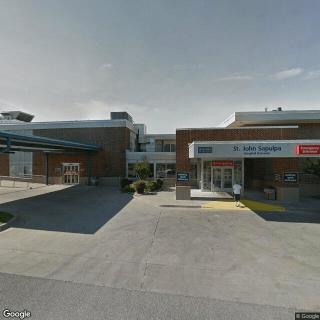




 Comprehensive Insights and Practical Strategies to Help Older Adults Avoid Falls
 6 Crucial Ways an Elder Law Attorney Assists Families
 Navigating the Tax Landscape of Caregiving: Credits, Deductions, and Beyond