
1000 West Field Road, Sapulpa, OK 74066
To contact a resident: (918) 224-8900
For more information about senior living options: (866) 208-4318
Overall Review of Walnut Park Manor
Pros
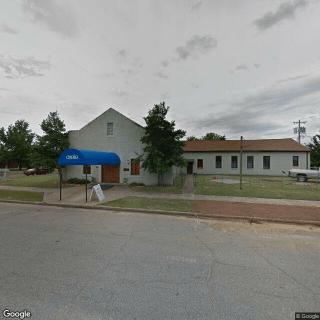
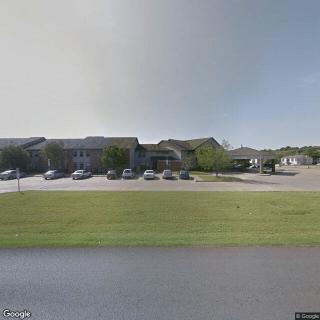
 The property is well-lit and quiet, and each unit has a storm shelter.
- Maintenance was good and pleasant.
- It is a very nice community.
Cons
 The complex looked like a hellhole.
- They tried to contact the office several times, but no one answered.
- They would never place their elderly mother there.
- Walnut Park Manor sounds like an insane asylum.
- Life there was very stressful and felt more like an institution than a home.
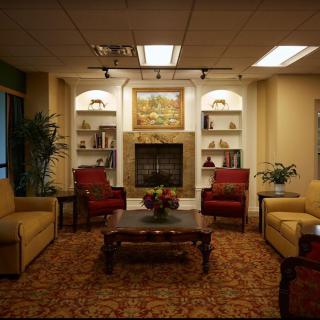
- The common room is monitored by cameras, creating a surveillance atmosphere.
- The manager was abrasive and argumentative.
- Management is on a power trip, making living there a nightmare.
- The staff were aggressive and rude, and families were treated horribly.
- The apartments are unorganized, unprofessional, and poorly built, with rents and deposits far too high.
Review
Walnut Park Manor in Sapulpa is best suited for seniors who want an affordable, apartment-style option with clear safety features and a predictable, if austere, daily rhythm. The complex is described as well lit and quiet, with each unit equipped with a storm shelter, a combination that can provide real peace of mind for residents who prize safety and independence over social bustle. Maintenance is frequently cited as competent and pleasant, making routine fixes less burdensome than in tougher settings. This is not a care-forward community; it is a functional, budget-conscious place where independence can be preserved if a resident accepts a distant, management-driven atmosphere and a campus that can feel institutional rather than homely.
Those who should consider alternatives are families seeking warmth, proactive care, and consistently responsive administration. Across the reviews, the office can be hard to reach and the manager is frequently described as abrasive or overbearing. The impression of surveillance in common spaces, coupled with reports of racism and dismissive handling of resident concerns, erodes trust and signals a culture that may not respect dignity or privacy. Moisture and mold issues, questions about health risks tied to EMF claims, and perceived neglect of essential safety upgrades further sharpen the contrast with communities that emphasize resident advocacy and transparent operations. For families prioritizing social programming and a supportive, transparent environment, alternatives will likely feel safer and more welcoming.
On balance, the practical positives, good lighting, quiet surroundings, and reliable maintenance, do offer a stable baseline for daily life. For a resident who does not rely on robust social programming and who can tolerate a staff culture that feels formal and detached, these fundamentals provide a workable backdrop. The storm shelter in each unit is a tangible, atypical safety feature that can matter in severe weather and adds a degree of comfort absent in more skeletal properties. However, these advantages do not meaningfully offset the pervasive downsides: a sense of living under control rather than care, scant communal activities, and a management style that colors every interaction with tension and constraint. The result is a home environment that often feels more like a monitored facility than a welcoming residence.
Daily life at Walnut Park Manor can devolve into a negotiation with a leadership approach that emphasizes control over comfort. An unannounced maintenance visit to install a promised grab bar, without timely follow-through to ensure it actually meets the residentā€™s needs, illustrates a broader pattern: responses that are inconsistent, slow, or misaligned with resident safety. Complaints about unhelpful or aggressive staff, and occasions where staff behavior has traumatized families, recur across accounts. For mobility-impaired residents, the lack of timely accessibility upgrades and unreliable safety accommodations create real daily friction. The sense of privacy erosion in a common area packed with cameras compounds the feeling that independence is tempered by surveillance.
Decision-makers should approach Walnut Park Manor with concrete, hard-edged questions and a plan for due diligence. Speak to current residents about day-to-day life, confirm the actual scope of social and wellness programming, and insist on precise repair timelines and contractor accountability. Inspect units personally, test accessibility needs, and demand transparent accounting of utilities, deposits, and any service charges. Compare these realities with nearby options that demonstrate proactive management, consistent responsiveness, and robust resident engagement. If budget constraints are the primary filter and the management culture is acceptable, Walnut Park Manor may work; otherwise, a different community with stronger resident advocacy and programming is the wiser long-term choice.
In the end, Walnut Park Manor tilts toward caution for most seniors and families. It can fit those who prize foundational safety features and affordability, where independence remains intact but engagement with staff remains formal rather than warmly supportive. For anyone prioritizing compassionate leadership, meaningful social opportunities, and consistently reliable resident advocacy, alternatives will deliver far more peace of mind. The decisive step is to assess tolerance for a management-driven environment, the willingness to live with inconsistent maintenance, and the ability to demand concrete improvements. With disciplined comparison and clear criteria, the right match, one that aligns with safety, dignity, and genuine resident-centered care, becomes unmistakably clearer.
 Active Adult Communities (55+)
 Tulsa International (19 miles away)


 Nurturing Our Loved Ones: A Daughter's Journey in Caring for Her Mother
 Nurturing Our Elders: Linda's Journey of Supporting Her Mother
 A Comprehensive Exploration of Common Misunderstandings about Powers of Attorney