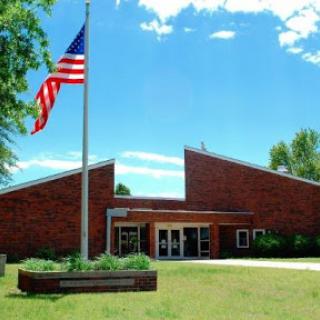
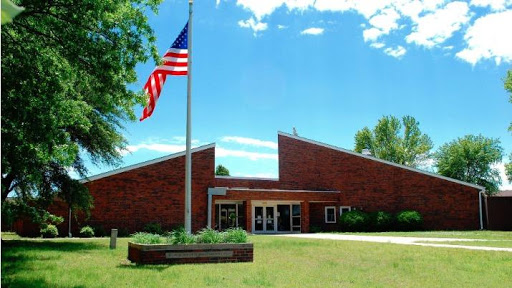
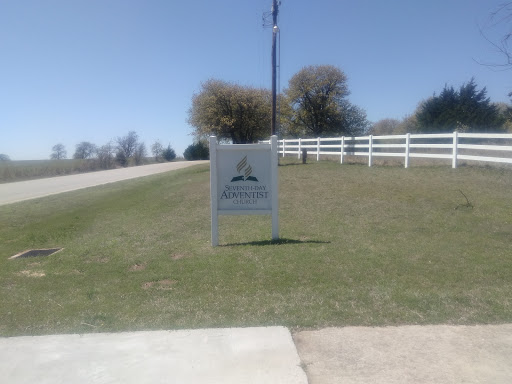

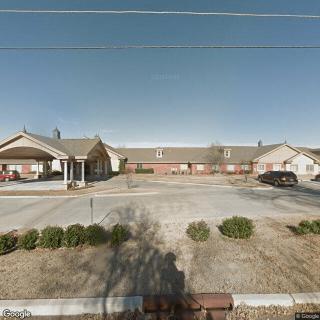
18501 Northeast 63Rd Street, Harrah, OK 73045
For more information about senior living options: (866) 208-4318
Overall Review of The Wolfe Living Center At Summit Ridge
Pros
 They truly made the family feel at peace as their father was placed in their care.
- They were by the family’s side, consoling and loving them throughout the process.
- The Beautiful Aides, especially the “Angel” Dee, offered loving words and kindness that helped the family let go.
- They treated the father with grace, dignity, and respect.
- The staff were phenomenal, kind, and did everything they could to help, making the family comfortable leaving him there.
- Wolfe’s staff demonstrated love and compassion, rose to the task, and ensured the father was not alone in his final moments with respect and dignity.
- The facility has low turnover, so families speak with the same people, and the food is described as the best around.
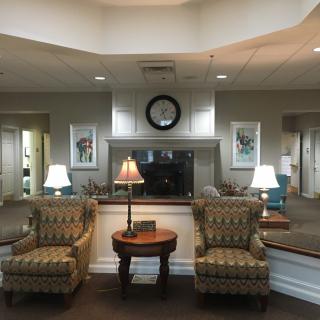
- The environment is great, quiet, and peaceful, and the staff make it feel like home.
Cons
 They never answer their phones when you try to call them, and the resident phone does not work.
Review
The Wolfe Living Center at Summit Ridge in Harrah, Oklahoma is best suited for families seeking a warm, intimate care setting where staff deliver steady, compassionate support through aging in place, skilled rehab, and end-of-life transitions. The community earns trust through long-tenured caregivers and a home-like atmosphere, translating into consistent routines and meaningful relationships for residents who value dignity, quiet, and personalized attention. It is particularly well-matched for loved ones who want caregivers to feel like familiar, trusted faces and who prioritize a respectful, humane approach during difficult health moments.
Those weighing alternatives should consider how critical communication and activity variety are to daily peace of mind. If timely updates and reliable phone access are non-negotiable, Summit Ridge may feel lacking, since one reviewer flagged unanswered calls and non-functional resident lines. Families needing a bustling social calendar or a higher level of clinical staffing for complex medical needs might prefer a larger campus or a facility with more intensive round-the-clock oversight. For residents whose care hinges on rapid, remote updates, a setting with stronger administrative responsiveness could reduce anxiety and improve coordination with family members.
On the upside, the strongest pro is the caregiving team. Descriptions of staff as loving, patient, and consistently present carry substantial weight for families navigating end-of-life care or post-acute recovery. The continuity of care, where the same aides and caregivers interact with residents day after day, creates trust, improves recognition of subtle changes, and minimizes the emotional burden on families. The environment itself reinforces comfort: quiet, peaceful grounds, a sense of home, and meals that families note as among the best around. In practice, these attributes collectively offset many routine frustrations because reliable, compassionate presence often matters more than impersonal efficiency.
Yet the occasional communication gap cannot be ignored. When phone lines fail or messages fail to land, families lose a reliable thread to supervise and participate in care from a distance. Such friction can complicate scheduling, medication updates, or discharge planning, and it tests the resilience of any otherwise strong care model. Prospective residents should verify preferred channels for updates, request a concrete call-back protocol, and observe how staff coordinate with families during tours. It remains essential to confirm that the center’s organizational systems will meet specific needs, especially for those who rely on regular remote contact or urgent information.
In decision-making terms, Summit Ridge earns serious consideration for those prioritizing a compassionate, steady staffing environment and a low-stress transition experience. The combination of low turnover, familiar faces, dignified care, and a peaceful setting provides a reliable baseline that reduces family anxiety and promotes resident comfort. To avoid hidden friction, a practical next step is to meet the care director and several aides, observe a shift, and obtain a written outline of communication expectations, including who will relay updates and expected response times. Clarify how emergencies, changes in condition, or rehab milestones will be communicated and documented, ensuring alignment with family workflows and expectations.
Bottom line: Wolfe Living Center at Summit Ridge is a strong choice for families seeking personalized attention, continuity, and a home-like atmosphere where caregivers are praised for empathy and steadiness. The notable caveat centers on communication reliability; for families requiring frequent, prompt remote updates, exploring alternatives with more robust administrative processes is prudent. The care quality, especially around end-of-life moments and skilled rehab, offers compelling value when the resident’s needs fit the facility’s strengths. A structured visit, direct conversations with caregiving staff, and a clear family-update plan will reveal whether Summit Ridge can meet the specific care goals and peace-of-mind needs for the loved one.
 48 resident community capacity
 Skilled Nursing Facility
 Beauty salon
 Cable or satellite TV
 Dining room
 Fully furnished
 Garden
 Housekeeping services
 Kitchenette
 Move-in coordination
 Outdoor space
 Restaurant-style dining
 Small library
 Telephone
 Wi-Fi/high-speed internet available
 Will Rogers World (25 miles away)
 24-hour call system
 Activities of daily living assistance
 Assistance with bathing
 Assistance with dressing
 Assistance with transfers
 Diabetes diet
 Medication management
 Mental wellness program
 Special dietary restrictions


 6 Crucial Ways an Elder Law Attorney Assists Families
 Navigating the Tax Landscape of Caregiving: Credits, Deductions, and Beyond
 Highly Beneficial Low-Impact Exercises for Senior Living Residents