

18501 NE 63rd St, Harrah, OK 73045
To contact a resident: (405) 454-1400
For more information about senior living options: (866) 208-4318
Overall Review of Wolfe Living Ctr At Summit Rdg
Pros
 The staff is phenomenal and incredibly kind, consistently going above to help residents.
- They provide comfort and support, staying by residents' sides during difficult moments.
- The care is delivered with grace, dignity, and respect for every resident.
- Families feel at peace knowing their loved ones are in compassionate hands.
- The team is described as amazing, bringing warmth and reassurance to those in their care.
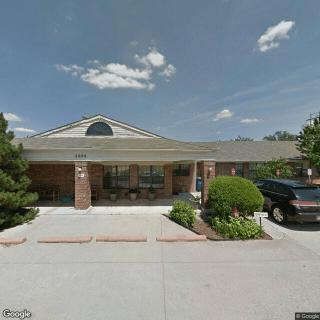
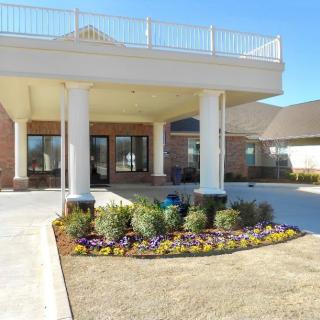
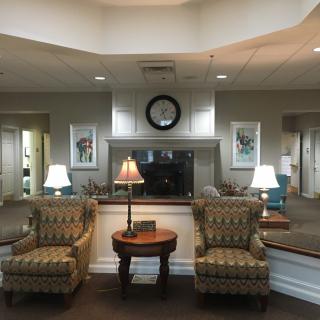
- The environment is quiet, peaceful, and feels like home.
Cons
 They treat families like trash.
- When concerns are raised with the staff, they argue and insist they are right and others are wrong because they are the professionals.
- There is a head nurse described as rude and crude.
- The reviewers consider the service unprofessional.
- They are terrible; they don’t take care of their staff and they treat them badly.
- The phones are never answered, and the resident phone does not work.
Review
Wolfe Living Center at Summit Ridge is best suited for families that prioritize warmth, dignity, and lasting, person-centered caregiving. The setting often feels quiet and home-like, and when the staff establish steady relationships with residents, the care can be deeply compassionate. The strongest impressions come from aides and frontline workers who stay with the same people and approach daily tasks with patience, respect, and a genuine sense of presence. This makes it a compelling option for short-term skilled rehab or end-of-life care where the continuity of caregivers can translate into real emotional and practical support for both residents and families. In short, it is a place where the human connection matters most and can be profoundly meaningful when those connections are reliable.
That said, families should be explicit about alternative options if administrative responsiveness or professional boundaries are non-negotiable requirements. The reviews reveal a split between experiences shaped by frontline care and issues rooted in management and communication. Some families encounter confrontations or what they perceive as unprofessional behavior from certain staff leaders, and others report persistent problems with phones and access to timely answers. For families that prioritize a consistently proactive administration, transparent accountability, and easily reachable staff, alternative communities may offer a smoother, less adversarial path. This is not a place to overlook signals about how concerns are handled or how quickly issues are acknowledged and resolved.
The most compelling pros center on the caregiving quality when it is operating smoothly. Caregivers noted for their kindness, empathy, and steadiness can deliver a sense of safety and solace that makes difficult transitions feel dignified. Several residents benefited from stable, long-term relationships with aides and nurses, which translates into meaningful daily routines, tailored attention, and a comforting familiarity at a vulnerable time. End-of-life moments described as respectful and compassionate show that the facility can honor residents’ dignity when the care team is aligned. The environment is often described as quiet and peaceful, with affirmations about feeling at home and receiving attentive, patient care. Even in a challenging clinical landscape, these elements can define a strongly positive core experience.
Yet the major cons are nontrivial and non-negligible. A subset of reviewers reported sharp, negative interactions with staff leadership, including statements that a head nurse could be rude and dismissive. Communication gaps appear in the form of unanswered phones and malfunctioning resident line systems, leaving families frustrated and feeling out of the loop during critical moments. A recurring caution is that when concerns are raised, some families perceive pushback or argumentative responses rather than collaborative problem-solving. Taken together, these issues threaten the reliability of the overall experience and can undercut the otherwise high-quality, compassionate care that shines through in many everyday interactions.
Those key strengths can offset the downsides if the family plans to actively partner with the care team. When caregivers are consistently available, readily explain care plans, and maintain a calm, respectful demeanor, the facility’s warmth becomes the defining factor. Families can leverage the strongest asset, stable, committed staff, to anchor a positive trajectory, especially during rehab or end-of-life care, where emotional intelligence and continuity matter as much as clinical skill. However, the offsets require vigilance: one must establish clear expectations, insist on a designated point of contact, and push for prompt responsiveness to calls and concerns. Without that advocacy, the cons become magnified and the overall value diminishes.
For families weighing Wolfe against alternatives, the practical path is to conduct thorough, targeted conversations before move-in. Seek to meet the primary caregivers who will be at the bedside, ask about staff turnover, and request a dedicated channel for timely communication. Observe how staff interact with residents in real-time, and ask current families about how concerns were addressed when they arose. If choosing Wolfe, plan to anchor the experience by confirming who will be the main liaison for updates, requesting consistent shifts with key aides, and validating phone and paging capabilities at admission. The verdict is clear: Wolfe Living Center at Summit Ridge can deliver outstanding, dignified care and a genuinely homelike atmosphere for those who are willing to actively engage and advocate; it is less suitable for those seeking flawless administrative precision and friction-free communication without ongoing family involvement.
 Assisted Living
 Activities on-site
 Devotional services off-site
 Indoor common areas
 Will Rogers World (25 miles away)
 Ambulatory care
 Diabetic care
 Meals provided




 Medicare Coverage for Assisted Living: An In-Depth Exploration
 Choosing the Right Senior Care: A Detailed Exploration of Assisted Living and Nursing Homes
 Understanding the True Cost of Assisted Living in 2025: A Comprehensive Guide