Beeghly Oaks Center for Rehabilitation and Healing Costs & Pricing
Beeghly Oaks Center for Rehabilitation and Healing presents a higher cost structure compared to the averages seen in Mahoning County and across Ohio. Specifically, the monthly fee for a one-bedroom unit at Beeghly Oaks is $7,750, which significantly exceeds the county's average of $3,657 and the state average of $3,712. This pricing reflects the center's emphasis on high-quality care and specialized rehabilitation services that may not be available at lower-cost facilities. Potential residents and their families should consider these costs in conjunction with the comprehensive care offerings when evaluating options for long-term care or rehabilitation needs.
Floor plans
Beeghly Oaks Center for Rehabilitation and Healing
Mahoning County
Ohio
1 Bedroom
$7,750
$3,657
$3,712
Overall Review of Beeghly Oaks Center for Rehabilitation and Healing
common28 reviews mention this
Staff kindness is a common theme
Residents and families frequently describe staff as kind, caring, and attentive.
Many reviewers highlight staff behavior as a reason they felt comfortable during visits or stays, including nurses, aides, and reception/front-desk. Several comments mention regular updates, listening to concerns, and being accommodating for visitors or family needs. A few critical reviews also reference staff attitude, but even those complaints are still grounded in how staff treated residents and responded when help was requested.
caveat9 reviews mention this
Nursing responsiveness can vary
Some reviews report slow responses to call buttons and delayed help.
Alongside positive accounts of attentive nursing, other reviewers describe waits for assistance after calling for help. A few comments also describe missed or delayed care steps, including delays around pain medication or scheduled medication. Residents who were dependent on staff are described as being more affected by these response-time issues.
caveat10 reviews mention this
Food quality draws mixed feedback
Food quality is a recurring concern, with multiple reviews saying it disappoints.
Several reviewers call the food bad or even serve as the main complaint, describing meals as unappetizing or not matching what was expected. Others report food as good, including at least a few comments that the meals were fine. A separate set of comments ties concerns to diet preferences and meal tickets, suggesting issues with receiving the requested meals.
common9 reviews mention this
The facility is often described clean
Many reviewers describe the building as clean and well kept.
A consistent thread in the reviews is that the facility feels clean, with multiple comments noting clean rooms and a generally maintained environment. Some reviewers also mention the atmosphere as calming or welcoming when they arrive. Where cleanliness is criticized, reviewers point to specific lapses like rooms not being cleaned or housekeeping not keeping up.
differentiator6 reviews mention this
Rehabilitation support gets praise
Physical therapy and rehab progress are repeatedly mentioned.
Reviews that focus on rehabilitation describe physical therapy as helpful, with some people noting strength or mobility improvements. Families also mention that therapists worked with residents to regain movement and walking ability. Even among more critical reviews, therapy itself is sometimes described more positively than nursing or day-to-day care.
How we summarize
Counts show how many written reviews mention each theme; a review can touch several themes, and only frequently mentioned themes are displayed.
Beeghly Oaks Center for Rehabilitation and Healing presents a higher cost structure compared to the averages seen in Mahoning County and across Ohio. Specifically, the monthly fee for a one-bedroom unit at Beeghly Oaks is $7,750, which significantly exceeds the county's average of $3,657 and the state average of $3,712. This pricing reflects the center's emphasis on high-quality care and specialized rehabilitation services that may not be available at lower-cost facilities. Potential residents and their families should consider these costs in conjunction with the comprehensive care offerings when evaluating options for long-term care or rehabilitation needs.
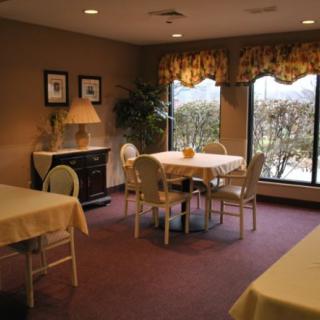
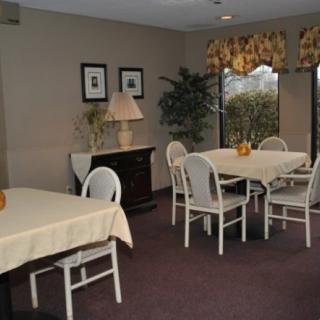
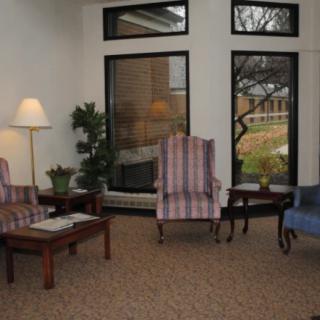
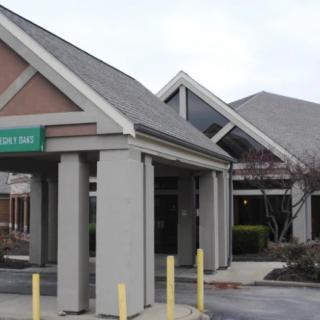
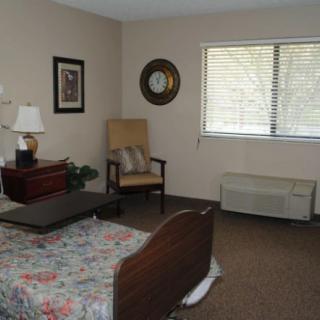
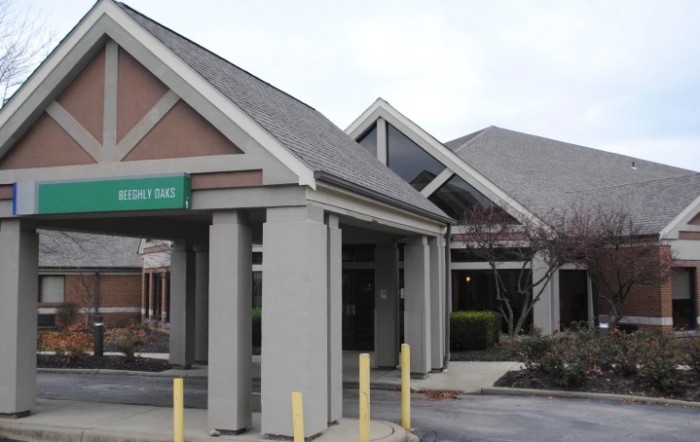
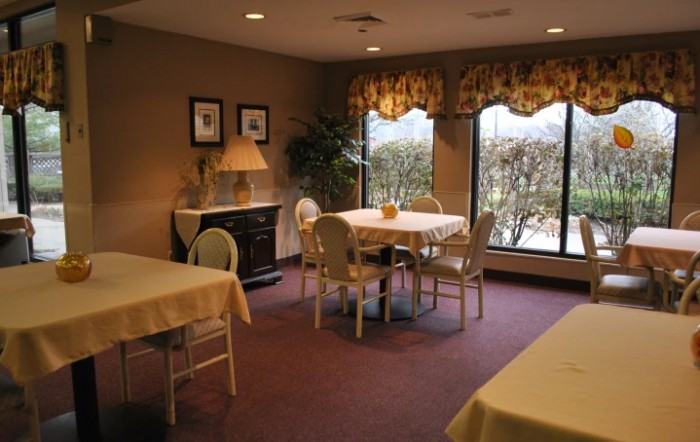
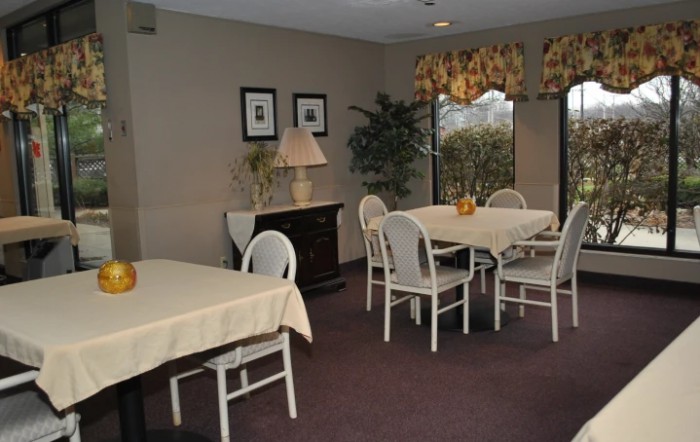
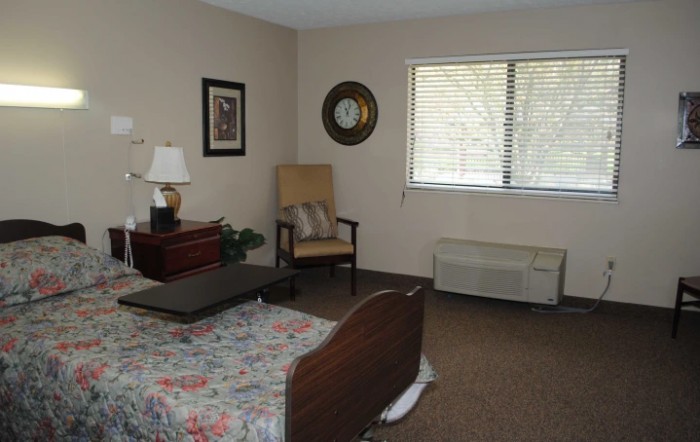
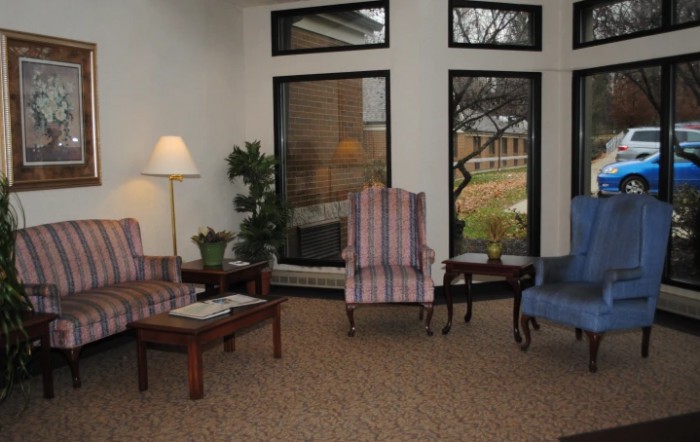
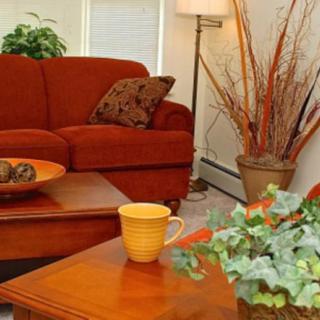
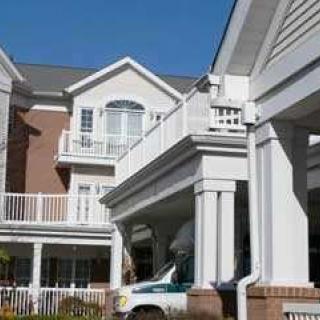
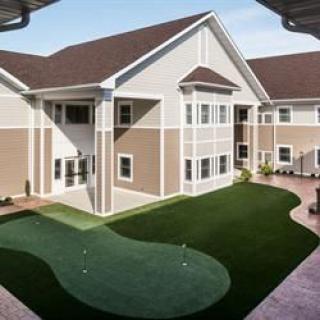
Beeghly Oaks Center for Rehabilitation and Healing on seniors.fyi includes 5 photos including images showing interior, windows, dining, decor, bedroom, architecture, exterior, entrance, and more.
Nearby Communities
Legacy Visiting Health Services
Boardman, OH
$4,890 / month
Personalized care with comprehensive services and easy access to healthcare, dining, and recreation nearby.
Maxim Healthcare
Boardman Township, OH
Excellent access to healthcare and amenities nearby.
The guide outlines the eligibility criteria for home health care services, emphasizing clinical requirements, insurance options, and application processes. It distinguishes between Medicare's strict and Medicaid's flexible qualifications while addressing challenges families may face in securing necessary care at home.
Elder abuse affects many older adults worldwide and includes physical, emotional, neglectful, and financial harm, with about one in six individuals over 60 experiencing abuse annually. Prevention and intervention strategies focus on awareness, support for caregivers, and mandatory reporting, while recovery necessitates comprehensive support for both physical and emotional needs.
The guide details ten essential responsibilities of senior caregivers, including personal care, mobility assistance, medication management, and emotional support, while emphasizing the importance of safety, nutrition, and maintaining a safe living environment to enhance seniors' quality of life and independence.
Beeghly Oaks Center for Rehabilitation and Healing photos
×
Interior
Decor
Living Room
Building
Bedroom
Interior
Decor
Bedroom
Dining
Living Room
Windows
Building, Architecture, Entrance, and Exterior
Get PricingAsk A QuestionSchedule A TourContact Senior Advisor
By clicking submit, you agree to our Partner's Terms of Use. You
also consent to receive calls and texts, which may be autodialed, from our Partner. Your consent is not a condition to
using our Partner's service. Please visit our Partner's Privacy Policy for information about their privacy practices.

 115 resident community capacity
 Studio apartments
 Skilled Nursing Facility
 Activities on-site
 Air-conditioning
 Beautician on-site
 Cable or satellite TV
 Computer center
 Devotional services off-site
 Dining room
 Fitness room
 Fully furnished
 Gaming room
 Garden
 Housekeeping services
 Indoor common areas
 Kitchenette
 Laundry
 Move-in coordination
 Outdoor space
 Overnight guests
 Private bathrooms
 Respite or short term stays offered
 Restaurant-style dining
 Small library
 Telephone
 VA Benefits Consultation
 Wellness center
 Wi-Fi/high-speed internet available
 Community operated transportation
 12-16 hour nursing
 24-hour call system
 Ambulatory care
 Assistance with bathing
 Assistance with dressing
 Assistance with transfers
 Diabetes diet
 Diabetic care
 High acuity care
 Incontinence care
 Medication management
 Mental wellness program
 Physical therapy
 Special dietary restrictions
 Concierge services
 Planned day trips
 English
 Personalized care with comprehensive services and easy access to healthcare, dining, and recreation nearby.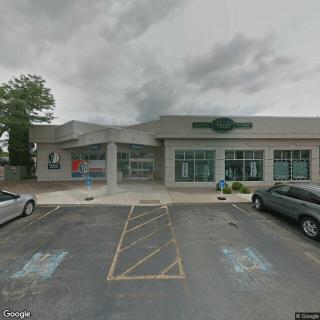


 Comprehensive Guide to Qualifying for Home Health Care Services
 Powerful Realities of Elder Abuse and the Most Effective Ways to Report It
 Ten Vital Duties of a Senior Caregiver: A Comprehensive Guide