7148 West Boulevard, Youngstown, OH 44512
For more information about senior living options: (866) 208-4318
Overall Review of Shepherd Of The Valley-Boardman
Pros
 It is a good place with a smaller setting and more interaction.
- It is the best place ever with the best staff.
- It is super clean with kept grounds, good food, and friendly staff; the nurses and aides are fantastic.
- The staff are very nice and friendly, and they work well with residents.
- The staff provide excellent service.
- It has been a very positive experience for both the resident and their family.
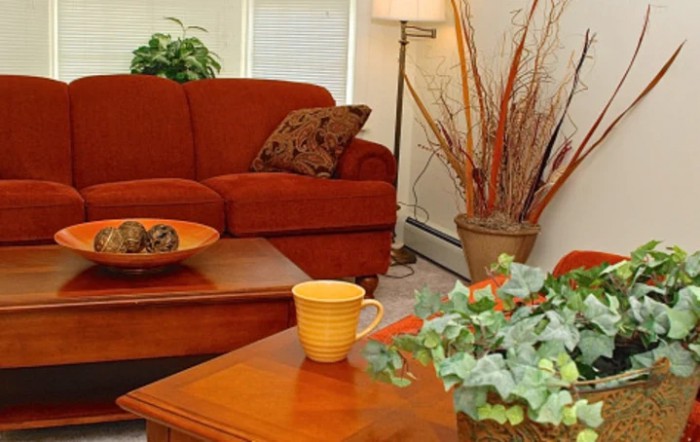
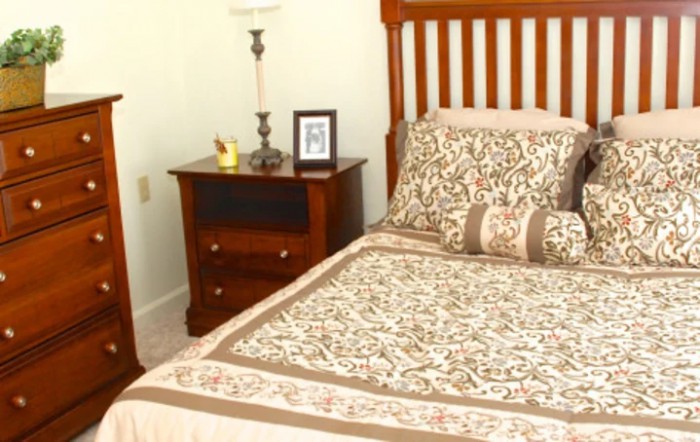
- They focus resources on patient care rather than fancy furnishings, which is appreciated.
Cons
 The administration is the worst; they never return calls until after several attempts and fail to follow through on promises.
- The reviewer cautions readers to keep their loved ones away from this company.
- The facility is terrible: there is no air conditioning for patients, and the staff are completely useless and unhelpful when contacted.
- A mother fell, was belittled and cursed at by an aide, and she wasn’t sent for an x-ray promptly.
- There were several incidents of belittling and missed IV doses causing a relapsed UTI; this is unacceptable.
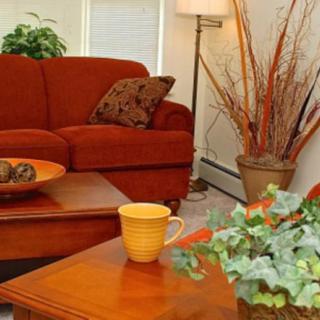
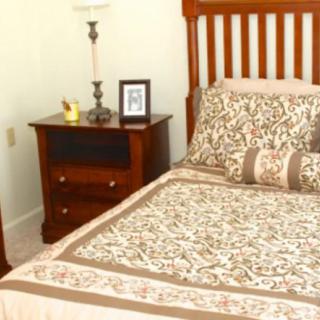
- Residents must share rooms with limited space, making it not homey.
- Some residents with severe conditions were placed on the same floors as those with minor impairments.
Review
Shepherd of the Valley, Boardman is best suited for families seeking a practical, care-first environment where residents engage with a steady, familiar caregiving team and where daily routines, straightforward cleanliness, and timely attention to health changes matter more than showroom décor. The community tends to work best for residents who value consistency in who cares for them, the same group of nurses and aides showing up daily, and who appreciate a modest, home-like atmosphere over high-end amenities. In this setting, small-scale interaction, personal attention, and reliable observation are the core strengths that translate into faster responses to subtle shifts in health status.
Those who should seriously consider alternatives are the families for whom administrative responsiveness and accountability are paramount. Reviews surface multiple concerns about the front-office experience, delayed calls, paperwork delays, and promises that require nagging to be kept. In addition, there are troubling reports about staff behavior and incident handling, including belittling or neglectful responses in some cases, and questions about whether proper incident reporting was always followed up. For families prioritizing airtight communication, transparent incident tracking, and consistently respectful conduct from every staff member, this community may not meet expectations.
On the upside, the strongest pros align closely with best-practice clinical care: residents often have a dedicated, consistent cadre of caregivers who know their patterns, an advantage for early detection and timely treatment of health changes. Cleanliness is repeatedly praised, as are meals and general niceness of staff, with nurses and aides described as capable and engaged. The environment also supports meaningful interaction, quiet, well-maintained spaces, a visible emphasis on daily care rather than flashy furnishings, and reliable routines that help families feel confident about a loved one’s day-to-day wellbeing. For those who value individualized attention over luxury, these are compelling pluses.
Yet the cons cannot be ignored, and they directly affect comfort and trust. Administrative friction, inconsistent follow-through, and specific accounts of staff mistreatment or neglect are serious red flags for any long-term-care decision. When incidents occur, the perception that they may go unreported or unresolved undermines confidence in safety and oversight. Physical comfort can be uneven, too: at times, residents report uncomfortable conditions such as a lack of air conditioning, delays in routine care like bathing, and limitations tied to room-sharing that preclude privacy. While some residents thrive in the private rooms that exist, space constraints and configurations may disappoint those who prize personal autonomy.
These pros and cons interact in a consequential way. The clinical advantages, consistent caregivers, vigilant observation, rapid response to health changes, and a clean, no-fruss atmosphere, often offset the desire for higher-end amenities and can deliver solid, dependable day-to-day care. However, unresolved administrative gaps and the specter of inconsistent treatment experiences can erode trust, especially for families navigating complex medical needs or seeking a strongly accountable governance framework. The decision hinges on whether the daily care quality and caregiver continuity can compensate for less predictable administrative performance and the occasional climate or space limitation.
For families making a choice, a clear playbook emerges. Schedule comprehensive conversations with the director and direct caregivers to understand how incidents are tracked and resolved, and request transparency around any past or ongoing concerns. During visits, assess how comfortable and confident residents appear with caregivers, and probe how often the team rotates or remains consistent. Confirm private-room availability, cost implications, and whether the setting can sustain private space when needed. If the priority is a nursing-forward, relationship-rich environment with dependable daily care, Shepherd of the Valley Boardman delivers, but if administrative speed, formal accountability, or private-room certainty tops the list, it is prudent to explore alternatives before committing.
 57 resident community capacity
 Skilled Nursing Facility
 Air-conditioning
 Beauty salon
 Cable or satellite TV
 Computer center
 Dining room
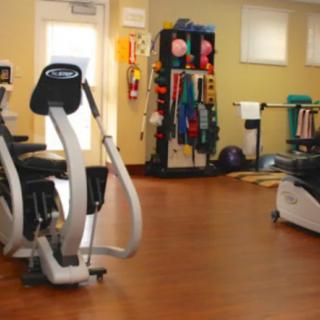
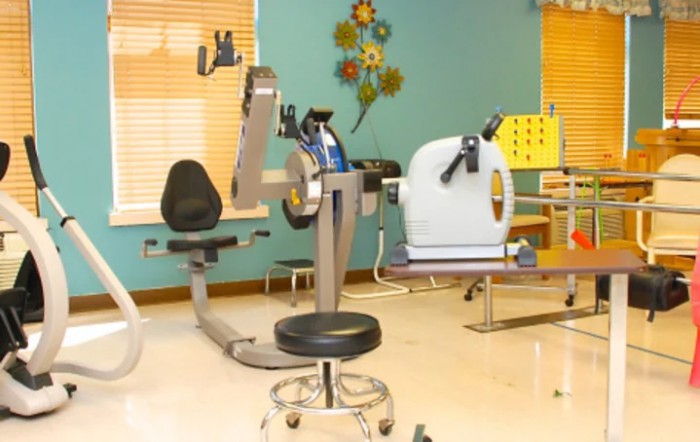
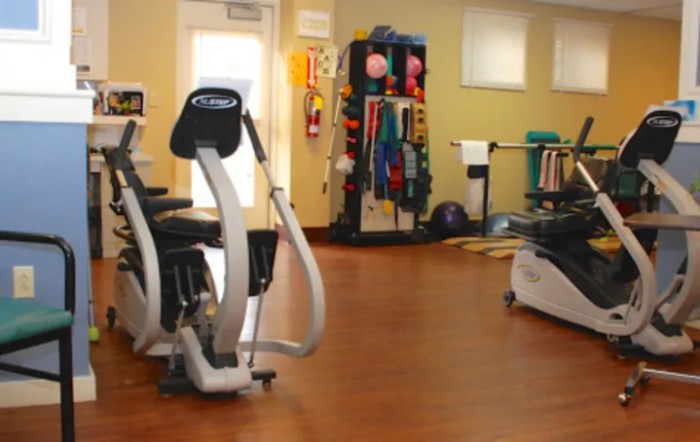
 Fitness room
 Fully furnished
 Gaming room
 Garden
 Housekeeping services
 Kitchenette
 Move-in coordination
 Outdoor space
 Private bathrooms
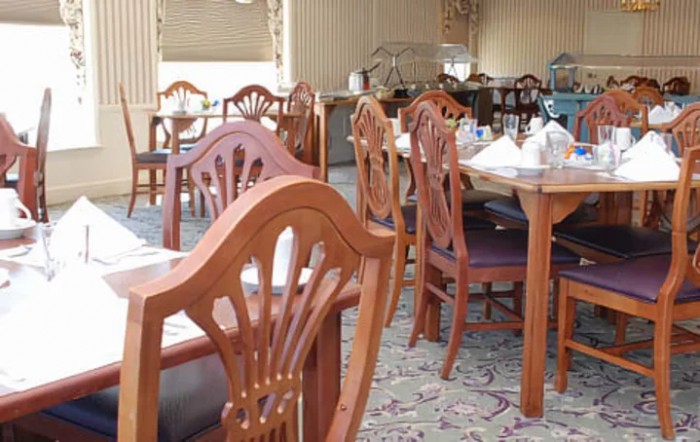
 Restaurant-style dining
 Small library
 Telephone
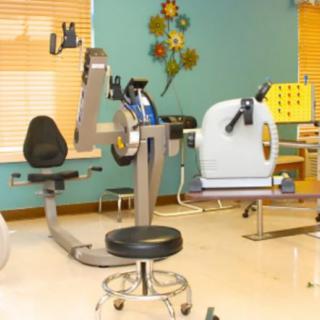
 Wellness center
 Wi-Fi/high-speed internet available
 Community operated transportation
 12-16 hour nursing
 24-hour call system
 Activities of daily living assistance
 Assistance with bathing
 Assistance with dressing
 Assistance with transfers
 Diabetes diet
 Medication management
 Mental wellness program
 Special dietary restrictions
 Concierge services
 Planned day trips
 Engaging Brain Games and Innovative Apps to Keep Senior Minds Active
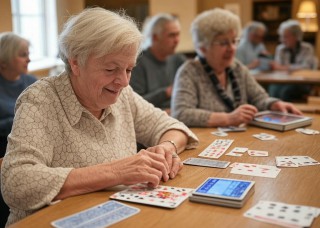 Effective Strategies for Keeping Seniors' Minds Active: A Deep Dive into Brain Games and Apps
 In-Depth Look at the VA Aid and Attendance Program