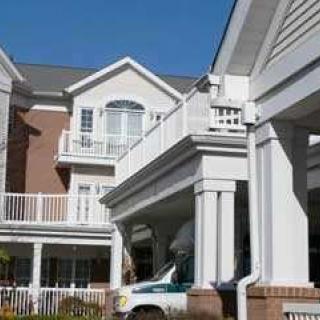
8060 South Avenue, Boardman, OH 44512
For more information about senior living options: (866) 208-4318
The Inn at Walker Mill Costs & Pricing
The Inn at Walker Mill offers competitive pricing for its studio accommodations, with a monthly cost of $3,500. This rate is slightly lower than the average costs in Mahoning County, which stands at $3,570, and even more favorable compared to the state average of $3,727 for similar facilities in Ohio. By opting for The Inn at Walker Mill, residents not only benefit from a comfortable living environment but also enjoy significant savings relative to both county and state averages, making it an appealing choice for those seeking quality care at a reasonable cost.
| Floor plans | The Inn at Walker Mill | Mahoning County | Ohio |
|---|---|---|---|
| Studio | $3,500 | $3,570 | $3,727 |
Memory care communities with a similar price nearby
-
from +$151 / mo
Celebration Villa of Chippewa
$3,651 to $5,090 / month20.7 miles away -
from -$489 / mo
Ohio Living Lake Vista
$3,011 to $4,896 / month23.6 miles away -
from -$290 / mo
Victoria House
$3,210 to $4,050 / month10.1 miles away -
from -$440 / mo
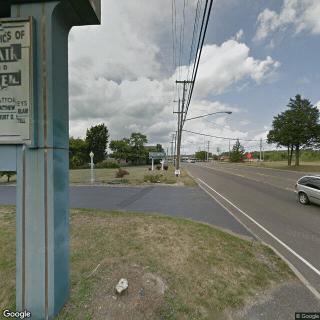
Gracewoods Niles
$3,060 to $4,200 / month14.1 miles away -
from -$650 / mo
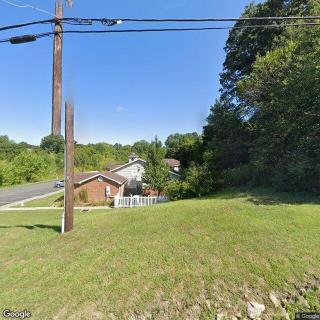
Lawrence County Geri-Care
$2,850 to $3,150 / month13.2 miles away
Overall Review of The Inn at Walker Mill
Pros
 The husband received beautiful care there.
- The staff are helpful and kind.
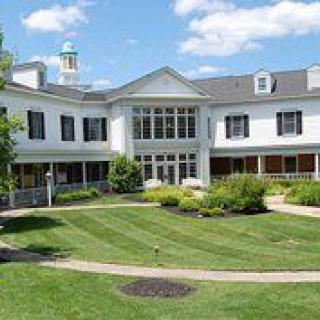
- The Inn at Walker Mill is a beautiful community.
- Everybody seems friendly and pleasant there.
- The residents seem grateful.
- There are all kinds of activities and things going on.
- The food is excellent.
- The facilities are excellent, with exercise spaces, reading areas, and TV rooms.
- Each room includes a free phone and its own shower and bathroom.
- The dad is happy.
- The Commons at Greenbriar is very clean.
- The director is accommodating and helpful with move-in details.
Cons
 They had no availability.
Review
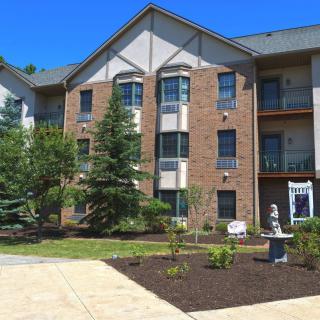
The Inn at Walker Mill in Boardman, OH is best suited for families seeking a lively, community-focused senior living environment where social programming is prolific, dining is a standout feature, and on-site care feels accessible. It works well for residents who want a roomy, apartment-like living space with practical amenities, a private bathroom, a spacious layout, and in-room conveniences, that still reads as a full-service senior community. The impression left by long-standing staff and visible caregiving attention makes this a compelling choice for families who prioritize warmth, regular interaction, and a steady rhythm of activities and events.
Those weighing alternatives should note that availability and consistency are real considerations in this market. While The Inn glows in several areas, some families may want to explore other nearby options if the goal is guaranteed placement within a specific timeframe or a slightly different care tenor. In particular, the comparison with The Commons at Greenbriar suggests that a neighboring community can offer an equally clean, welcoming atmosphere with robust resident involvement, yet with its own distinct approach to move-in logistics and menu variety. For families who prioritize immediate occupancy or a more intimate pace, these dynamics merit careful comparison during tours.
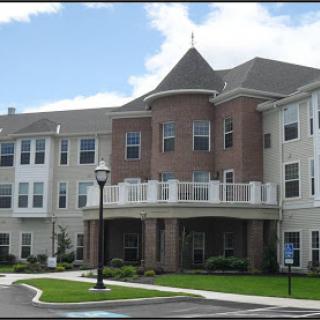
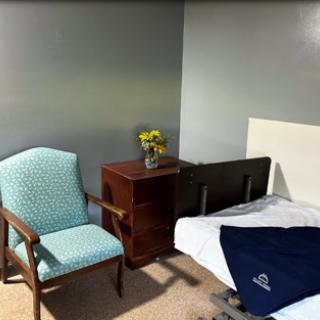
On the strength side, the clearest positives center on staff quality and resident life. Families repeatedly praise the kindness, attentiveness, and reliability of the care team, noting that staff members are on top of needs and genuinely helpful. The social calendar appears expansive, with a breadth of activities that keep residents engaged and connected, which is especially valuable for those who fear isolation or aim to maintain an active routine. Meals receive strong feedback as well, described as excellent and satisfying, with an emphasis on varied options that accommodate different tastes. The physical footprint reinforces the favorable impression: large, well-kept rooms with private baths, a sense of personal space, and accessible amenities that contribute to a comfortable daily living experience.
However, the community must contend with notable caveats reflected in a minority of reviews. The rating mix, several five-star notes paired with multiple one-star experiences, signals that outcomes can be uneven. While the majority impression emphasizes warmth and vitality, the presence of low-rated feedback cannot be dismissed; it points to variability in care or service that potential movers will want to probe directly. Prospective families should approach with structured questions about staffing consistency, response times, care planning, and how daily routines are maintained across shifts. A candid tour should include conversations with staff about turnover, communication with families, and what safeguards exist when immediate attention is needed.
The high-quality elements, engaged programming, restaurant-quality dining, generous private space, and an on-site physician presence, do a meaningful job of offsetting the potential downsides for families who prioritize social immersion and visible medical oversight. For seniors who want a bustling, connected environment and value a strong sense of community, The Inn at Walker Mill delivers substantive value. The offset falters, however, for those who require an uniformly seamless day-to-day experience, relentless consistency, or a quieter, more predictable rhythm without the risk of mixed reviews coloring the overall picture. In short, the upside is substantial for social seniors and engaged families; the risk is that experiences are not guaranteed to look alike from resident to resident.
For families actively narrowing their options, a disciplined, experience-focused approach is essential. Schedule in-depth tours with multiple staffers and current residents, and come prepared with a checklist: ask to see sample activity calendars, request a few weeks of dining menus, verify the specifics of room layouts and what “large” means in practice, and inquire about physician visit frequency and on-site coverage. If immediacy or a more uniformly steady routine matters, the case for exploring alternatives like The Commons at Greenbriar strengthens. The Inn at Walker Mill stands out where vitality, personal attention, and robust amenities matter most, and it warrants careful, firsthand verification to ensure the experience aligns with a family’s exact expectations and care goals.
 65 resident community capacity
 Studio apartments
 Assisted Living
 Memory Care
 Air-conditioning
 Beauty salon
 Cable or satellite TV
 Computer center
 Dining room
 Fitness room
 Fully furnished
 Gaming room
 Garden
 Housekeeping services
 Kitchenette
 Move-in coordination
 Outdoor space
 Private bathrooms
 Restaurant-style dining
 Small library
 Telephone
 Wellness center
 Wi-Fi/high-speed internet available
 Community operated transportation
 12-16 hour nursing
 24-hour call system
 Activities of daily living assistance
 Assistance with bathing
 Assistance with dressing
 Assistance with transfers
 Diabetes diet
 Medication management
 Mental wellness program
 Special dietary restrictions
 Concierge services
 Planned day trips
 English


 When Dementia Sparks Anger and Aggression: Understanding the Connection and Ways to Cope
 Dementia Behaviors: In-Depth Understanding and Effective Coping Strategies
 5 Early Indicators of Dementia and What You Can Do