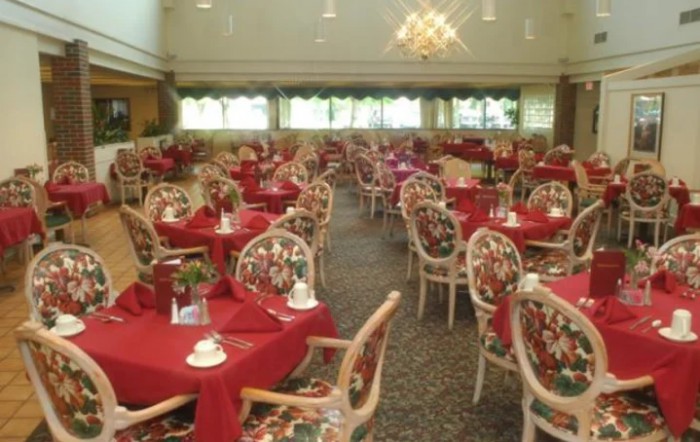
1060 Eastwind Drive, Westerville, OH 43081
For more information about senior living options: (866) 208-4318
Overall Review of Heartland Of Westerville
Pros
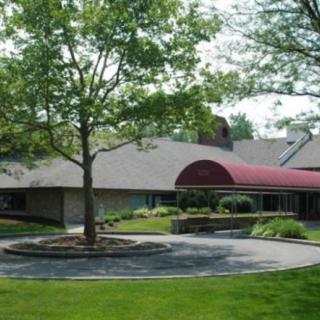
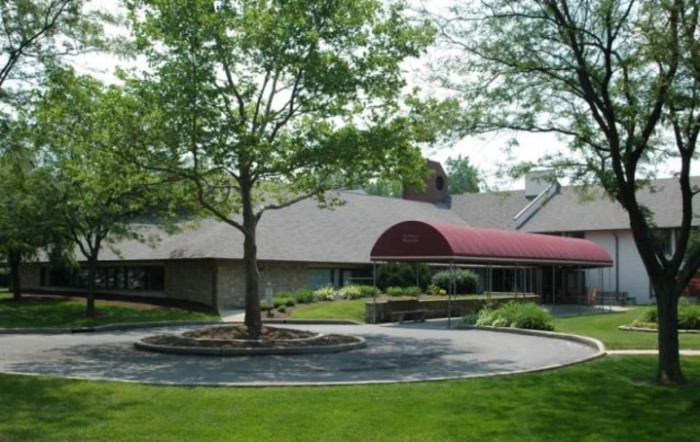
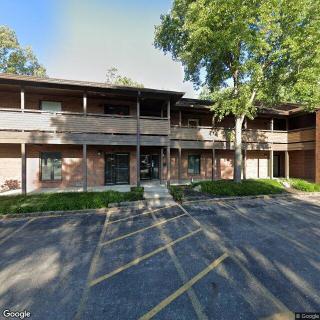
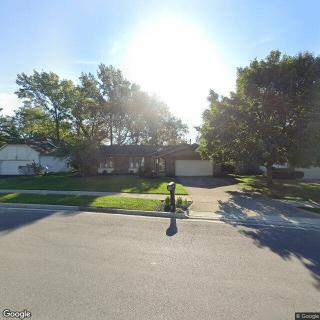
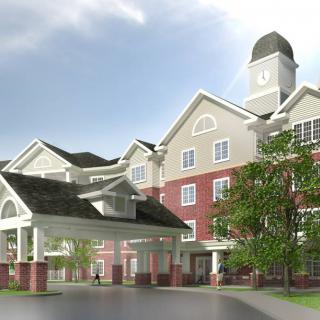
 The exterior of Heartland of Westerville looked nice.
- The Village of Westerville Nursing Center offered wonderful physical therapy delivered by very pleasant therapists.
- The two nurses who were sisters were very good to him, and he enjoyed talking with them.
- The reviewer noted that family involvement can be a positive factor and could lead to recommending the facility.
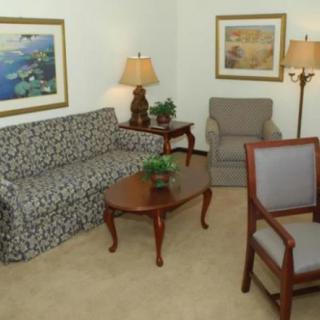
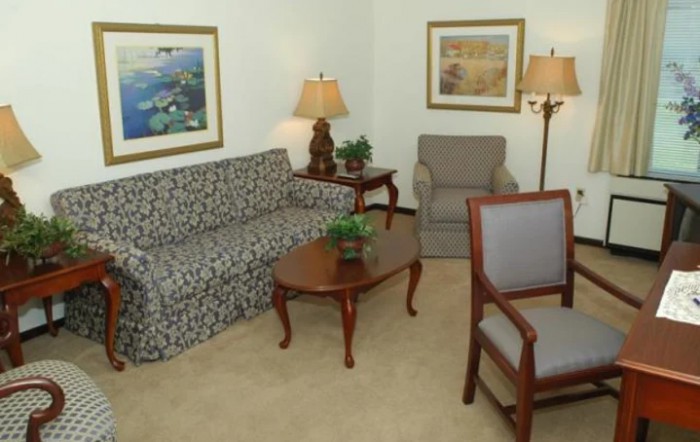
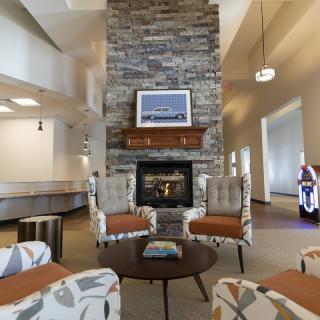
- The facility had a recreation room and therapy spaces, indicating available amenities.
Cons
 He did not receive any care there.
- Memory care was not provided, even though he was supposed to be in it.
- He was left in a room by himself and could be peeped through the window.
- At one point he was on the floor in a hospital gown, crawling around.
- After transfer, he was dehydrated and had a urinary tract, kidney, and liver infection.
- His care was described as “nil.”
- Their lost items (button tees, eyeglasses, cellphone, clothes, and luggage) were never recovered.
- He was transferred in someone else’s clothing.
- The facility was a bad place for him.
- The first days, he did not receive breathing treatments on time and the schedule was mixed up.
- He was woken at midnight because of scheduling errors, which upset the family.
- The menus were frequently incorrect and items missed on his tray.
Review
Heartland of Westerville is best suited for seniors who need skilled nursing care but do not require memory-care services, and for families who can dedicate close, ongoing oversight to daily routines. The campus currently lacks a dedicated memory-care program, which makes it a poor fit for residents with dementia or substantial cognitive needs, or for families who cannot sustain vigilant monitoring. For short-term post-acute rehab or routine custodial care where cognitive impairment is not the central challenge, the setting can work, but the absence of dementia-specific resources should weigh heavily in the decision.
Those evaluating alternatives should place a priority on memory-care capacity, consistent daily oversight, and transparent, reliable treatment delivery. The reviews signal significant red flags for families prioritizing predictable routine, timely medications and procedures, and secure handling of personal belongings. If memory support, strong care coordination, and proven record-keeping matter most, it is prudent to compare other Westerville-area options or nearby communities with dedicated memory-care wings and clearer accountability.
On the upside, the center provides tangible care infrastructure that can support rehabilitation and ongoing activity. Therapy spaces exist, and therapy staff can deliver meaningful treatment during post-hospital recovery or skill-building phases. In some accounts, therapists are described as skilled and approachable, and there are caregivers who communicate with residents in a compassionate way. These strengths indicate that, when administrative systems cooperate, the facility can support rehabilitation goals and daily engagement through properly staffed shifts.
The most troubling reality is that the positive foreground is undermined by serious lapses in safety, consistency, and overall care quality. One family describes a loved one left largely unattended, dehydrated, and suffering infections, ultimately requiring hospital transfer, accompanied by lost personal belongings. Another account highlights scheduling errors for essential treatments and mismatched meal orders. Such gaps reveal systemic weaknesses in routine operations and care handoffs, threatening safety and undermining trust, even when certain staff members perform well in isolation.
A more balanced picture emerges for families focused on rehab with strong hands-on therapy. When oversight is solid, the rehab experience can be productive: dedicated nurses and therapists who engage residents, plus a level of warmth and personal attention that supports progress. The issues are not purely clinical; administrative reliability, consistent treatment schedules, accurate meal planning, and effective cross-shift communication, determines whether the good therapy translates into steady gains. This means progress is possible, but only with rigorous family involvement and proactive facility management.
For families choosing this community, enter with a plan that prioritizes safety, memory-care readiness, and contingency steps. Visit with a checklist aimed at care planning, staffing reliability, and how personal-item losses are addressed. Inquiries should cover whether memory care exists on-site or nearby, the nurse-to-resident ratio across shifts, and the facility’s protocol for urgent changes in condition or hospital transfers. Ask for a documented care plan, a transparent process for tracking meals and therapies, and a clear duty roster that minimizes handoff gaps. If memory support is essential or if dependable daily care is non-negotiable, alternative communities with proven dementia specialization may be the wiser choice; otherwise, insist on explicit commitments and ongoing verification to maximize any rehabilitation or routine living benefits this campus can offer.
 130 resident community capacity
 Skilled Nursing Facility
 Air-conditioning
 Beauty salon
 Cable or satellite TV
 Computer center
 Dining room
 Fitness room
 Fully furnished
 Gaming room
 Garden
 Housekeeping services
 Kitchenette
 Move-in coordination
 Outdoor space
 Private bathrooms
 Restaurant-style dining
 Small library
 Telephone
 Wellness center
 Wi-Fi/high-speed internet available
 John Glenn Columbus International Airport (7 miles away)
 Community operated transportation
 12-16 hour nursing
 24-hour call system
 Activities of daily living assistance
 Assistance with bathing
 Assistance with dressing
 Assistance with transfers
 Diabetes diet
 Medication management
 Mental wellness program
 Special dietary restrictions
 Concierge services
 Planned day trips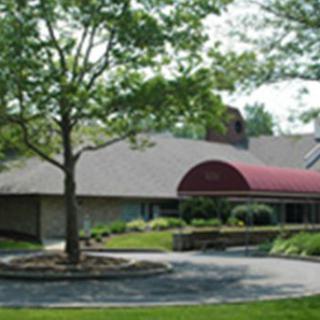


 Comprehensive Guide to Qualifying for Home Health Care Services
 Powerful Realities of Elder Abuse and the Most Effective Ways to Report It
 Ten Vital Duties of a Senior Caregiver: A Comprehensive Guide