
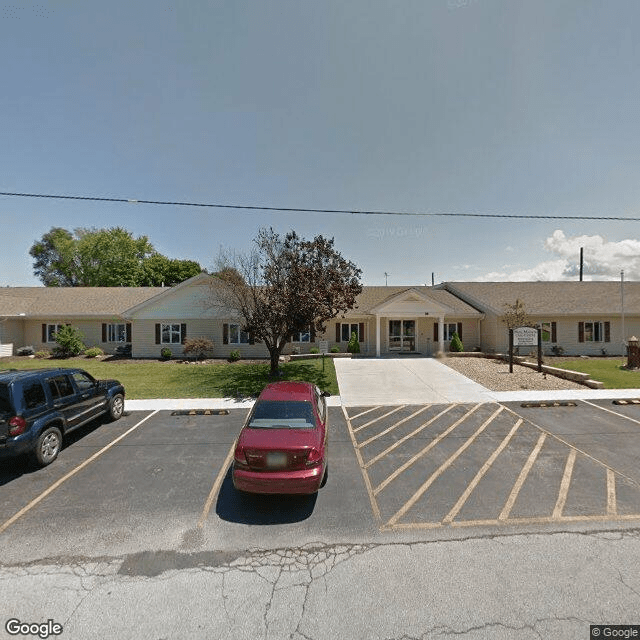
983 Exchange St, Vermilion, OH 44089
To contact a resident: (440) 967-6614
For more information about senior living options: (866) 208-4318
Mill Manor Nursing Home Costs & Pricing
Mill Manor Nursing Home offers a range of room types at competitive rates compared to local and state averages. For a semi-private room, residents can expect to pay $6,500 per month, significantly higher than the Lorain County average of $4,070 and Ohio's average of $3,965. Private rooms at Mill Manor are priced between $8,000 and $9,000 per month, which also exceeds the county's average of $4,229 and the state's average of $4,771. These figures suggest that while Mill Manor provides essential services and care that may justify its higher pricing, prospective residents should carefully consider their options in relation to both local standards and their specific needs.
| Floor plans | Mill Manor Nursing Home | Lorain County | Ohio |
|---|---|---|---|
| Semi-Private | $6,500 | $4,070 | $3,965 |
| Private | $8,000 to $9,000 | $4,229 | $4,771 |
Skilled Nursing Facilities with a similar price nearby
-
from -$641 / mo
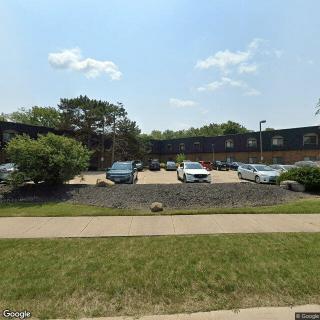
West Bay Care and Rehabilitation Center
$5,859 to $6,869 / month22.9 miles away -
About the same

Providence Care Center - Sandusky
$6,395 to $11,695 / month18.3 miles away -
from -$800 / mo
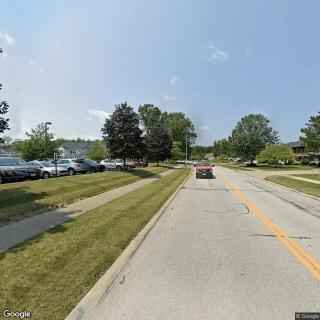
Huntington Woods
$5,700 to $6,000 / month22.9 miles away
Overall Review of Mill Manor Nursing Home
Pros
 Mill Manor makes caring for loved ones easier.
- Mill Manor is clean, odor-free, and well organized.
- Dinners are thoughtfully prepared.
- Rooms are fresh and clean.
- The staff is the best.
- The staff are caring, loving, and go the extra mile to make clients feel special.
- Mill Manor takes great care of residents and treats loved ones with dignity and respect.
- The food is amazing and the facility is very clean.
- The place always smells fresh and clean.
- The administration and nursing staff are very professional, and the facility is smaller, enabling more personal care.
Cons
 The food was mostly offensive and something the owners would not eat.
- They did not feed her what she needed to keep her blood sugar in a healthy range, and her levels remained high.
- They did not cater to her dietary needs, and the reviewer would not recommend the facility.
- Her diabetes was not addressed during recovery, which was troubling.
- She had a bad experience there.
Review
Mill Manor Nursing Home in Vermilion is best suited for families seeking an intimate, family-style environment where residents receive highly attentive, personalized care. The community operates on a small scale, with around 33 residents, which translates into a noticeably closer staff-to-resident relationship. Families report clean, odor-free spaces, well-kept rooms, and a dining experience that feels thoughtful and home-like. The core strength is the caregiving culture: staff cited as caring, efficient, and genuinely invested in each resident’s dignity and daily comfort. For loved ones who value consistency, routine, and a calm, manageable setting over a sprawling campus, Mill Manor delivers on reliability and warmth.
That said, a few clear limits matter when weighing alternatives. For residents with complex medical needs or highly specialized dietary requirements, Mill Manor may not be the optimal fit. One review recounts a diabetes-management failure during a rehab stay, where meal choices and glycemic control were not adequately aligned with a diabetic’s needs, raising concerns about how tightly medical plans are integrated with daily meals. Another account questions the breadth of dietary customization in practice, suggesting that while the facility can cater to common dietary preferences, highly individualized plans may be challenging. Families should be prepared to verify how dietary protocols are implemented in real time before committing.
The strongest positives, the staff’s devotion, the nursing attention, and a clean, orderly environment, do a lot to offset the potential downsides. Residents consistently receive attentive care, and families praise responsiveness and the ability of the small operation to address needs promptly. The environment’s compactness fosters meaningful interactions: personnel know residents well, respond quickly, and maintain a steady routine that reduces confusion and anxiety for both residents and families. Cleanliness standards are high enough that “no odors” and fresh rooms are repeatedly cited, which matters greatly for comfort, morale, and infection control in a long-term setting.
Nevertheless, the facility’s size and scope do create trade-offs. While the intimate setting is a major plus for many, it can limit room size and amenities compared with larger campuses, and a few families note that private rooms or larger living spaces would be preferable for some residents. The care model relies heavily on the dedication of a smaller staff team, which is a strength when it works seamlessly but can pose challenges if a resident develops high acuity or requires intensive rehabilitation therapy beyond what the site routinely provides. In short, Mill Manor excels at steady, compassionate daily care, but it is less evidently equipped to absorb significant medical complexity without external coordination.
For families weighing options, Mill Manor stands out for those prioritizing continuity of care, a warm, nonclinical atmosphere, and active daily routines centered on personal attention. It is less ideal for families whose loved ones need aggressive medical management, complex diets requiring meticulous, physician-supervised customization, or expansive rehab services on-site. Prospective residents should actively confirm the facility’s protocols for dietary customization, diabetes management, wound care, and therapy scheduling, and should request transparent, specific examples of how plans are executed day-to-day. If those elements align with a loved one’s needs, Mill Manor offers a credible, reassuring choice.
The practical next steps are straightforward. Visit with a focus on the resident experience: observe mealtime service, speak with nursing staff about how individual diets are accommodated, and ask to review recent care plans for residents with chronic conditions. Request a tour of the kitchen and dining area to gauge real-world adherence to dietary needs, and discuss therapy availability, what rehabilitation services exist on-site, and how quickly they can be deployed if needed. Finally, talk to several families about staffing consistency, shift coverage, and how the administration handles concerns when they arise. When these factors line up, Mill Manor becomes a solid, well-grounded option for appropriate residents and measured families seeking dependable care in Vermilion.
 Skilled Nursing Facility


 Understanding the Nuances of Palliative Care and Hospice: A Comprehensive Exploration
 Fecal Incontinence in Older Adults: A Comprehensive Guide
 Nurturing Well-Being Through Gardening: A Detailed Guide for Senior Enthusiasts