For more information about senior living options: (866) 208-4318
4.6 from 54 reviews
5 stars
42
4 stars
5
3 stars
5
2 stars
1
1 stars
1
Overall Review of Kendal At Oberlin
differentiator4 reviews mention this
Around-the-clock care access
Residents describe care that’s available when health needs change.
Several residents mention help that feels continuous, including staff being there around the clock. Others describe being able to get checked promptly through an on-site care center when medical issues come up. Residents also say care supports them when they are ill or frail, with assistance tied to day-to-day needs.
common8 reviews mention this
Activities keep residents engaged
A steady slate of activities helps residents stay involved.
Residents point to an active schedule that includes classes, lectures, and performances. Many also highlight on-site engagement like painting classes, a library or book club, and theater programs. A few reviews also connect the community’s location to easy access to local college offerings and cultural events.
common4 reviews mention this
Dining is a frequent highlight
Dining quality and meal service are repeatedly mentioned.
Multiple residents describe meals as delicious, with portions they feel are the right size. One review specifically notes food is made to order, and another praises overall food quality. At the same time, there is at least one dissenting review saying the food has declined and tastes bland.
caveat5 reviews mention this
Cost is a major concern
Price is a recurring drawback for prospective residents.
Several reviews call the community very expensive, including concerns about paying extra for additional items and a high monthly bill. Others say it was more than they could afford even after liking the community during a visit. A separate, strongly negative review also frames the cost as not being worth it, while one review does acknowledge the expense but says it can be worth it for their situation.
How we summarize
Counts show how many written reviews mention each theme; a review can touch several themes, and only frequently mentioned themes are displayed.
Kendal At Oberlin's memory care services are designed to provide comprehensive support tailored to the unique needs of residents with dementia or Alzheimer's disease. Assistance with dressing ensures that individuals maintain their dignity while receiving help in a compassionate manner, promoting independence and self-esteem. Medication management is crucial for ensuring that residents adhere to prescribed treatments, reducing confusion and preventing potential health complications. Meal preparation and service focus on delivering nutritious meals that cater to individual dietary requirements, enhancing both physical health and social interaction during dining. Activities of daily living assistance helps residents engage in essential routines, fostering a sense of normalcy and purpose in their day-to-day lives. Support with bathing not only ensures hygiene but also enhances comfort and well-being, addressing the physical challenges faced by those with cognitive impairments. Assistance with transfers aids mobility, minimizing the risk of falls while encouraging participation in various activities. Finally, 24-hour supervision provides a safe environment where trained staff can respond promptly to any needs or emergencies, offering peace of mind for both residents and their families while promoting an atmosphere of security and care.
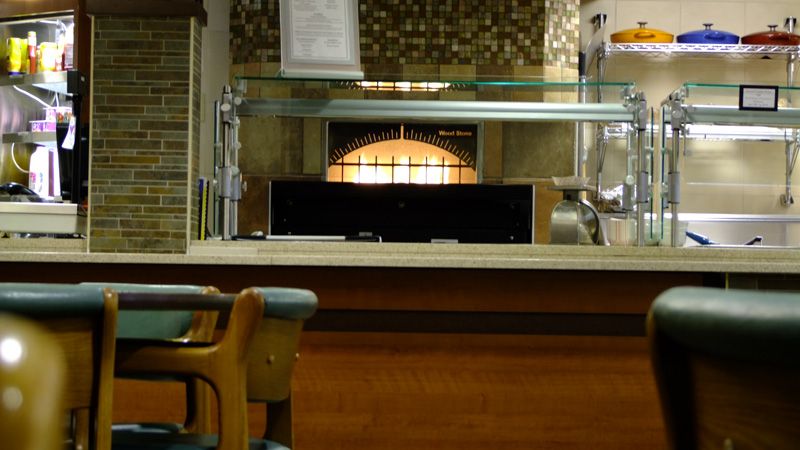
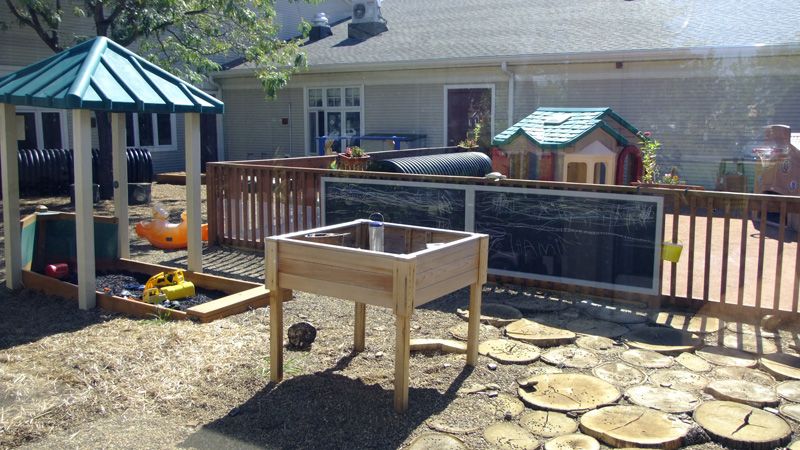
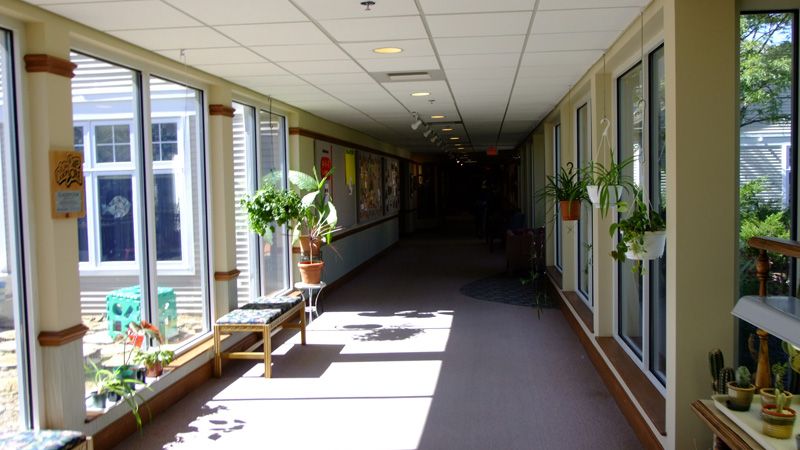
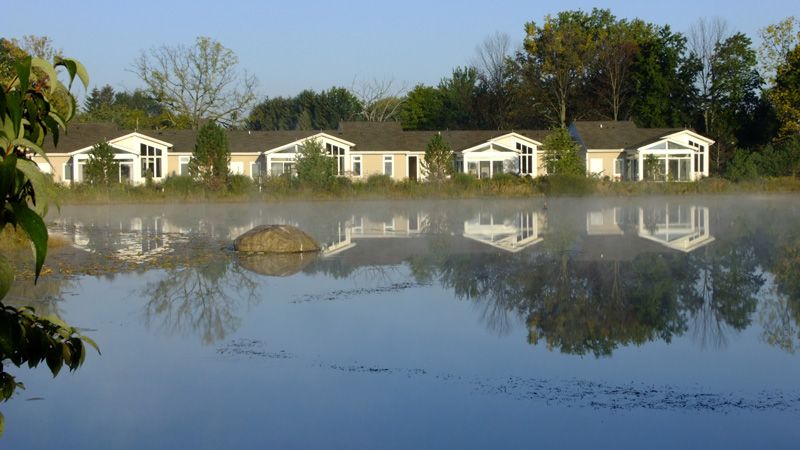
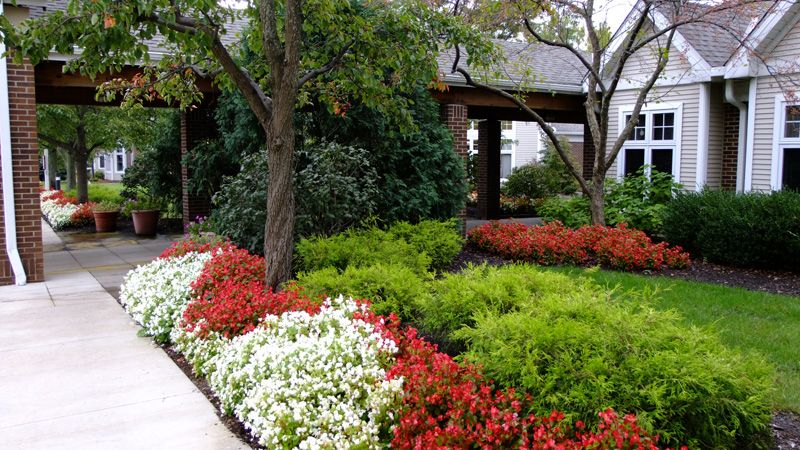
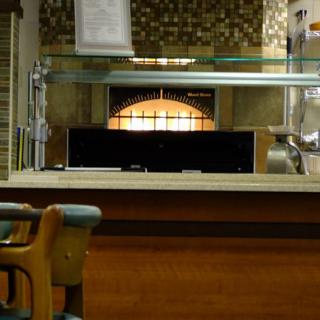
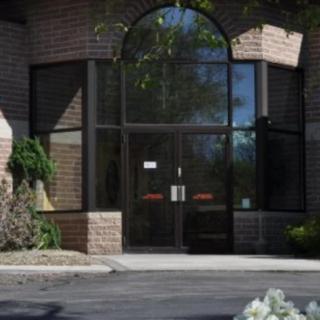
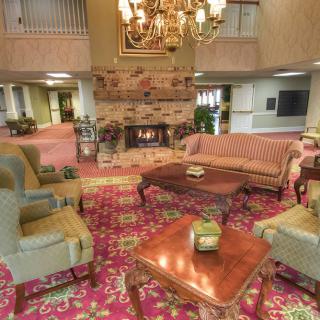
Kendal At Oberlin on seniors.fyi includes 5 photos including images showing landscaping, dining, interior, trees, kitchen, outdoor, hallway, windows, and more.
Nearby Communities
Echoing Lake
Oberlin, OH
4 from 1 review
Diabetes care and active social programs.
Mercy Allen Hospital
Oberlin, OH
3.2 from 115 reviews
Efficient urgent care pathways and clear patient-care processes.
Firelands Retirement Ctr Inc
Oberlin, OH
4.1 from 10 reviews
$4,500 / month
Excellent proximity to healthcare services and local amenities in a peaceful setting.
Welcome Nursing Home
Oberlin, OH
3.6 from 26 reviews
Extensive on-site amenities and 24/7 care support.
Plumbrook
Elyria, OH
Specialized diabetes care with on-site dining and social amenities.
Home Helpers of Central Lorain County OH
Amherst, OH
5 from 26 reviews
Peaceful residential setting with convenient access to healthcare, dining, and parks.
Amherst Manor Assisted Living
Amherst, OH
3.5 from 78 reviews
$3,240 / month
Spacious rooms and Medicaid acceptance with a well-maintained environment observed during visits.
Palm Crest Nursing Homes
Elyria, OH
4.7 from 7 reviews
Prime Elyria location with extensive nearby amenities (cafes, parks, pharmacies, physicians, restaurants, places of worship, and hospital).
The AbbeWood
Elyria, OH
4.8 from 51 reviews
Warm, attentive staff with strong security and a wide range of engaging activities in a well-maintained setting.
Transitioning from assisted living to memory care is driven by an individual's cognitive decline and specific needs, requiring careful evaluation of indicators like increased confusion and wandering. The process involves consulting medical professionals, researching suitable communities, considering financial and legal aspects, and ensuring effective communication for personalized care plans.
The article differentiates between assisted living and memory care, explaining that assisted living supports seniors with daily activities while promoting independence, whereas memory care provides specialized services for individuals with dementia, focusing on secure environments and cognitive support. It also addresses staff training, safety considerations, costs, family involvement, and transition strategies for families navigating these care options.
The article outlines effective communication strategies for interacting with loved ones with dementia, highlighting the need for empathy, patience, and understanding while emphasizing supportive approaches like using simple language, minimizing distractions, and focusing on feelings over facts to maintain dignity and foster connection. It also suggests seeking professional guidance when needed as communication challenges evolve.
Get PricingAsk A QuestionSchedule A TourContact Senior Advisor
By clicking submit, you agree to our Partner's Terms of Use. You
also consent to receive calls and texts, which may be autodialed, from our Partner. Your consent is not a condition to
using our Partner's service. Please visit our Partner's Privacy Policy for information about their privacy practices.

 37 resident community capacity
 Assisted Living
 Continuing Care Retirement Community (CCRC)
 Independent Living
 Memory Care
 Respite Care
 Skilled Nursing Facility
 Activities on-site
 Beauty salon
 Cable or satellite TV
 Devotional services off-site
 Fully furnished
 Garden
 Housekeeping services
 Indoor common areas
 Move-in coordination
 Outdoor space
 Private bathrooms
 Cleveland-Hopkins International (20 miles away)
 Transportation arrangement
 24-hour call system
 Ambulatory care
 Assistance with bathing
 Assistance with dressing
 Assistance with transfers
 Diabetes diet
 Diabetic care
 High acuity care
 Meal preparation and service
 Medication management
 Special dietary restrictions
 Diabetes care and active social programs.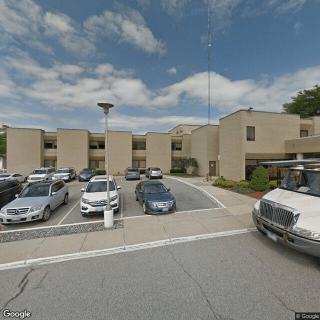


 When to Transition from Assisted Living to Memory Care: Key Indicators, Steps, and Finding the Right Community
 Understanding the Distinctions: Assisted Living and Memory Care Explained
 How to Communicate with a Loved One Living with Dementia: 10 Supportive Strategies