
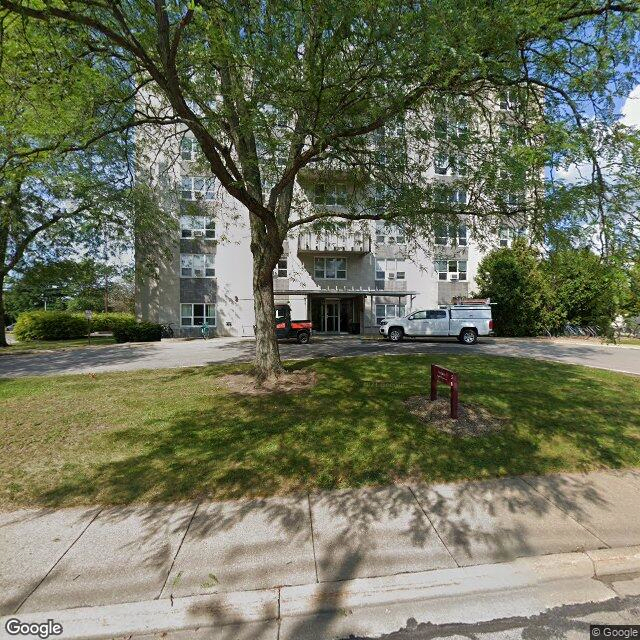
36 S Pleasant St, Oberlin, OH 44074
To contact a resident: (440) 774-2412
For more information about senior living options: (866) 208-4318
Firelands Retirement Ctr Inc Costs & Pricing
At Firelands Retirement Center Inc, the monthly cost for a private room is set at $4,500. This figure is slightly higher than the average in Lorain County, which stands at $4,229, but it remains competitive when compared to the broader state average of $4,771 for Ohio. This pricing reflects the quality of care and amenities offered at Firelands, positioning it as a valuable option within the local market while still being mindful of regional trends in senior living costs.
| Floor plans | Firelands Retirement Ctr Inc | Lorain County | Ohio |
|---|---|---|---|
| Private | $4,500 | $4,229 | $4,771 |
Independent Living communities with a similar price nearby
-
from -$506 / mo

Independence Village Of Avon Lake
$3,994 to $5,080 / month18.5 miles away -
from -$696 / mo
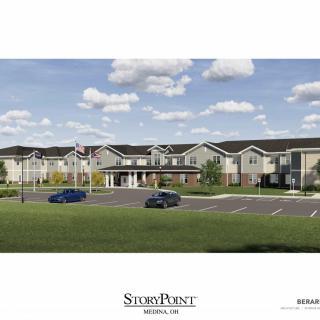
StoryPoint Medina
$3,804 to $4,506 / month21.4 miles away -
from -$565 / mo
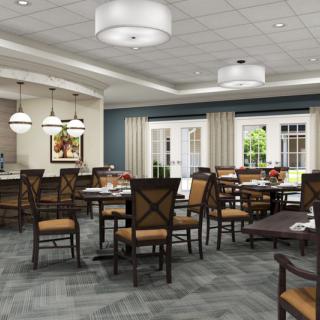
Vitalia Strongsville
$3,935 to $6,065 / month18.4 miles away -
from -$680 / mo
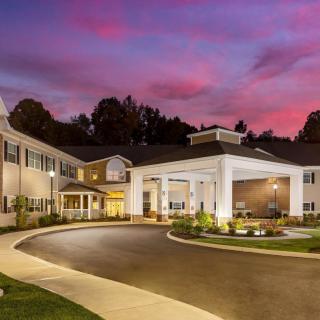
Danbury Brunswick
$3,820 to $6,345 / month20.3 miles away -
from -$540 / mo
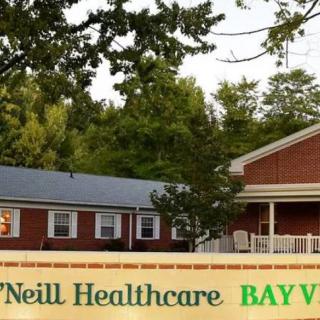
O'neill Healthcare Bay Village
$3,960 / month18.6 miles away
Overall Review of Firelands Retirement Ctr Inc
Pros
 The complex has new owners, and the manager and maintenance crew are awesome.
- The apartment is nice and up to date.
- Improvements are ongoing at the property.
- The residence is great to live in, and the maintenance staff is excellent.
- The place has many updates and looks great.
- Noel, the maintenance man, is great.
Cons
 The reviewer states this is a fraud.
- The reviewer notes there is no air conditioning and downstairs bathrooms are not usable due to drinking, with amenities unavailable and not HUD standard.
- Elevators break several times a month, sometimes preventing residents from getting to doctor appointments.
- Maintenance has not been up for five years, and there is no maintenance staff available.
- Move-in policies are restrictive and, despite doctor notes, attempts to move to a larger unit were futile.
- The manager is described as snoozing and unhelpful, with safety concerns about letting a banned visitor in front of management, causing fear among residents.
- The reviewer warns others not to move here: DONT MOVE HERE, and adds Enter at your own risk.
Review
Firelands Retirement Center in Oberlin is best suited for active seniors who want a refreshed, upgrade-oriented living environment and can tolerate a period of adjustment as the property modernizes under new ownership. The strongest case comes from residents who prize updated apartments, reliable maintenance, and a hands-on maintenance crew. The latest ownership shift is repeatedly framed as a positive signal that upkeep and accountability are improving, making this community a viable option for those who value tangible progress in unit finishes and common areas. It appeals to people who prefer a smaller, community feel and who can tolerate ongoing renovations as part of daily life. This is not a hands-off, turnkey senior living site, but for the right profile the updates and chipping away at older inefficiencies can add meaningful quality of life.
Those who should consider alternatives are precisely the households that demand unwavering operational consistency and unambiguous safety guarantees. The strongest warnings come from residents who describe persistent maintenance gaps, intermittent elevator service, and management decisions that affect access to amenities and routine medical coordination. In a setting where timely help can be critical, questions about response times, reliability of systems, and governance are essential. Families prioritizing predictable routines, strict adherence to policies, and transparent, trackable processes may find the current mix too volatile to rely on long-term without substantial assurances.
The key positives, visible upgrades and a proactive maintenance floor, compete effectively against the most serious drawbacks. Several reviews repeatedly spotlight the maintenance team as a standout, with maintenance personnel delivering practical, prompt service and keeping units up to date. New ownership is presented as a corrective force, signaling clearer accountability and a more deliberate path to ongoing improvements. For residents who care about a current, well-kept apartment and common areas, these factors can compensate for initial hiccups in management and the pace of change, particularly if the resident is comfortable with some ongoing renovation activity.
Yet the negatives cannot be dismissed. A subset of experiences centers on what feels like inconsistent maintenance responsiveness and several reported disruptions to essential services, such as elevators, which complicate daily living and medical access. Claims about restricted movement between floor plans and perceived gaps in upkeep or administrative follow-through contribute to a sense of instability for some residents. While improvements are acknowledged, the overall impression is that reliability and predictable operation still require hard evidence, documented timelines, measurable follow-through, and a governance framework that residents can trust.
For families evaluating options, a practical, return-to-basics approach is essential. Insist on a concrete renovation schedule with milestones and written maintenance protocols that specify response times. Seek direct feedback from multiple residents about how maintenance requests are prioritized and resolved, and verify elevator service schedules and hours of operation. Confirm what happens if mobility needs change and whether there is a clear pathway to larger or smaller units. Ask for transparent governance information, how complaints are tracked, how decisions are communicated, and what safety safeguards are in place to protect residents and their privacy.
Bottom line: Firelands Retirement Center offers meaningful upside for residents who want a refreshed, better-upkeeped living environment and a maintenance team that shows up with practical solutions. For those who require ironclad consistency, guaranteed elevator reliability, and governance with a proven, repeatable track record, it is prudent to explore alternatives or schedule an extended visit during which a series of follow-ups can be completed. If a family is ready to embrace ongoing improvements and a modernized unit, this community can be a solid match; if not, broaden the search to Oberlin options with longer, steadier demonstrations of dependable operations.
 Independent Living
 Cleveland-Hopkins International (21 miles away)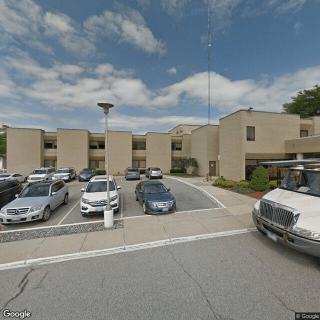

 Senior Move Management: Understanding the Role, Value, and Associated Costs
 Weight Training for Seniors: Building Strength and Vitality
 Understanding the Sandwich Generation: Stress and Responsibilities for Multigenerational Caregivers