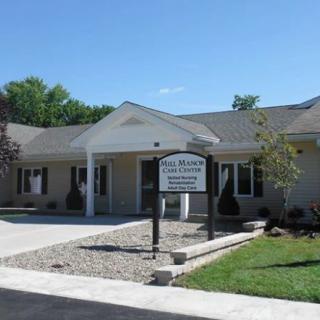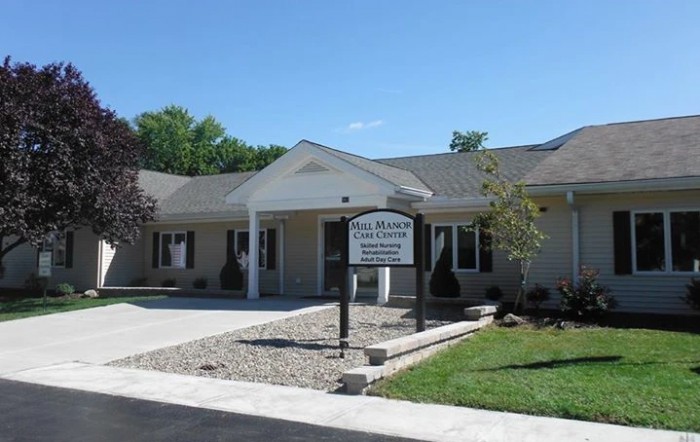
983 Exchange Street, Vermilion, OH 44089
For more information about senior living options: (866) 208-4318
Overall Review of Mill Manor Care Center
Pros
 Mill Manor makes caregiving tasks easy.
- Mill Manor is clean, odor-free, and well organized.
- Dinners at Mill Manor are thoughtfully prepared.
- Rooms at Mill Manor are fresh and clean.
- The staff at Mill Manor are the best.
- The staff are caring, loving, and go the extra mile to make clients feel special.
- Mill Manor takes very good care of its residents and treats them with dignity and respect.
- The food at Mill Manor is amazing, and the facility is very clean.
- Mill Manor is highly recommended by families.
Cons
 The food is mostly offensive, nothing the owners would eat.
- They would not feed her what she needed to keep her blood sugar at a healthy level (between 70 and 120).
- Her blood sugar levels were consistently 200 and over, despite being diabetic.
- There were four other diabetics there as well, and they received the same poor diet.
- The diabetes was not addressed during recovery, which was troubling.
- Her wounds healed much more slowly because of the elevated blood sugar.
- The reviewer would not recommend this facility.
- She had a bad experience there.
- The recording claimed they cater to special dietary needs, but they definitely didn't cater to her needs.
Review
Mill Manor Care Center in Vermilion, OH is best suited for families seeking a warm, intimate, hands‑on care environment where staff know residents well and daily routines feel predictable and personal. The center shines as a small, tightly run operation that emphasizes cleanliness, personal attention, and consistency in caregiving. It is especially well matched for residents who benefit from close nurse and aide contact, daily supervision, and a setting where family members can stay engaged without the impersonal feel of larger campuses. For caregivers who want reassurance that staff will know their loved one by name, notice subtle changes in condition quickly, and maintain a steady, neighborly atmosphere, Mill Manor checks those boxes.
There are clear reasons to consider alternatives. Families facing complex medical needs or strict dietary management, particularly for diabetes, may want a setting with more comprehensive on-site clinical oversight and a broader culinary program tailored to intricate medical plans. The reviews reveal mixed experiences around dietary customization: some residents praise delicious, thoughtfully prepared meals, while others report that dietary restrictions were not adequately addressed and calories or menu plans did not align with medical targets. Additionally, those seeking expansive activity calendars, advanced therapy options, or a larger, more resource‑rich campus may find Mill Manor’s smaller size limiting. A facility with broader programming or a more robust dietary services team could be preferable in such cases.
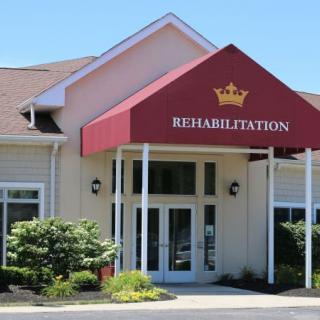
On the pro side, Mill Manor’s strengths are tangible and consistently echoed. The building earns praise for cleanliness, fresh rooms, and a pleasant odor-free environment, qualities that matter daily for residents and visiting families. Staff are repeatedly described as caring, attentive, and genuinely invested in residents’ well‑being, with several accounts labeling the team as “the best” and “personal” in a way that translates into dependable day-to-day care. The small scale itself is a strategic advantage: it enables more individualized attention, tighter caregiver‑resident relationships, and smoother communication with families. Administration and nursing staff are framed as professional, reliable, and accessible, which reinforces a sense of security for loved ones during recovery or ongoing daily care.
Yet, the main cons, chiefly around dietary management and variable experiences, do warrant attention. The most serious concern centers on medical nutrition: when a resident has diabetes or other dietary restrictions, inconsistent or inadequately tailored menus can slow recovery, impair glycemic control, and erode confidence in the care plan. One expressive case narrates a diabetic relative whose meals did not align with health targets, despite frequent monitoring, illustrating a potential risk when dietary needs are not consistently prioritized. Communication hiccups, such as delays in addressing questions or needing to navigate a busy front desk, also surface in some anecdotes. While these drawbacks do not negate the overall quality of care, they underscore the importance of explicit expectations, proactive dietary coordination, and ongoing dialogue with the dietary staff and the administrator.
For families weighing a decision, Mill Manor offers a clear, practical value proposition: a small, well-kept home-like environment with exceptionally dedicated staff, where residents receive attentive, individualized care and families can participate without navigating a maze of departments. The facility’s warmth and cleanliness offset many typical anxieties about moving a loved one into care, particularly for conditions that benefit from stable, predictable routines and close caregiver involvement. The caveats are real but manageable: insist on a frank conversation about diet plans for any resident with diabetes, request a written dietary protocol, and schedule a meal and kitchen tour to assess alignment with health needs. Also, verify the therapy offerings and staffing ratios to ensure expectations match the planned care trajectory.
In the end, Mill Manor stands as a practical, credible choice for Vermilion families prioritizing intimate, attentive care in a clean, neighborly setting. It is especially appealing to residents who value personal relationships with caregivers, simple but reliable daily routines, and close proximity to family. Those whose loved ones require rigorous medical nutrition management, or who crave a broader menu of therapy and activity options, should consider alternatives or push for detailed, written assurances on dietary customization and care coordination before committing. For eligible residents and families willing to engage actively with staff, dietary, therapeutic, and administrative, Mill Manor delivers steady, compassionate care that often feels like a natural extension of home.
 33 resident community capacity
 Skilled Nursing Facility
 Beauty salon
 Cable or satellite TV
 Dining room
 Fully furnished
 Garden
 Housekeeping services
 Kitchenette
 Move-in coordination
 Outdoor space
 Restaurant-style dining
 Small library
 Telephone
 Wi-Fi/high-speed internet available
 24-hour call system
 Activities of daily living assistance
 Assistance with bathing
 Assistance with dressing
 Assistance with transfers
 Diabetes diet
 Medication management
 Mental wellness program
 Special dietary restrictions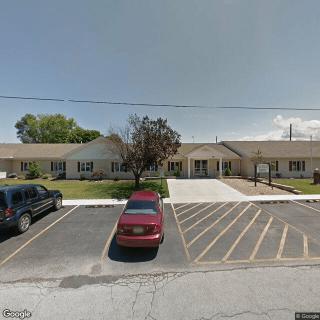





 Home Health Care Aides: Understanding Their Role and Supporting Your Family
 Urinary Tract Infections in Older Adults: Comprehensive Insights on Symptoms, Treatment, and Prevention
 California's Form 602A: An In-Depth Examination of Senior Care Assessment