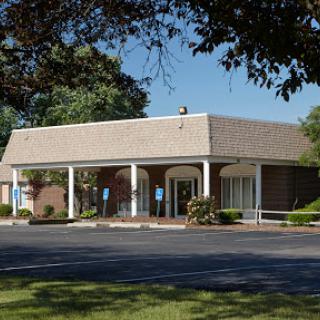
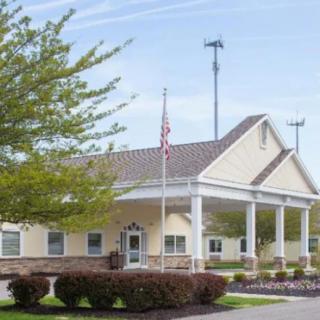
Oregon Healthcare is a nursing home community in Oregon, OH.
Information last verified:
3953 Navarre Avenue, Oregon, OH 43616
For more information about senior living options: (866) 208-4318
3 from 77 reviews
5 stars
31
4 stars
6
3 stars
3
2 stars
6
1 stars
31
Overall Review of Oregon Healthcare
caveat9 reviews mention this
Cleanliness and odor concerns
Several reviews describe strong odor and an unclean environment.
Some residents and visitors describe the facility as smelling strongly of urine or feces and say they noticed trash and visible messes in common areas. A few also mention rooms feeling dirty or run down, including concerns about stains, bugs, or missing cleanliness details. Others note a cleaner smell during a visit, but the overall comments include frequent, concrete cleanliness complaints.
caveat6 reviews mention this
Call lights and phones go unanswered
Residents and families report delayed responses when help is requested.
Multiple reviewers say call buttons or call lights were not answered in a timely way, including examples of long waits for assistance. Some describe equipment or access issues, like a call light unplugged from the wall or a phone that would not get answered. A reviewer also describes needing to call repeatedly because no one answers the main number, reinforcing concerns about access to staff when urgent needs come up.
differentiator5 reviews mention this
Therapy is a bright spot
Reviews frequently praise the rehab therapy for mobility gains.
Several people who went for short-term rehab describe therapy as effective for strengthening and walking progress. Reviews also mention positive experiences with the therapy team specifically, including named therapists or staff who helped with walking and getting more independent. While other parts of care receive criticism, therapy-related comments are consistently positive across multiple reviewers.
caveat7 reviews mention this
Food quality is mixed
Food reviews range from “good” to descriptions of poor quality and wrong diets.
Some reviewers say the food was good or that meals went well for their loved one. Others report dissatisfaction, describing terrible or unpleasant meals and small portions. Several also mention diet-related problems, including concerns about being fed the wrong food for a prescribed diet.
caveat3 reviews mention this
Medication help is questioned
Some reviews raise concerns about receiving medications on time.
A reviewer says they did not receive medication on time, describing nurses as not being useful when help was needed. Another describes diabetic medications being delayed despite high blood sugar, while a separate review alleges a lack of medication for a family member in pain. These comments are consistent in expressing worry about medication timing and availability.
How we summarize
Counts show how many written reviews mention each theme; a review can touch several themes, and only frequently mentioned themes are displayed.
Features
Housing
125 resident community capacity
Types of Care
Skilled Nursing Facility
Amenities
Air-conditioning
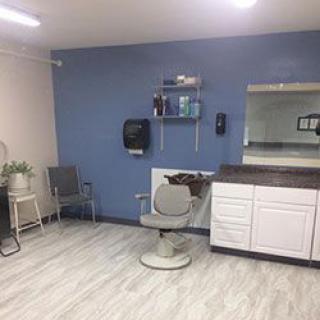
Beauty salon
Cable or satellite TV
Computer center
Dining room
Fitness room
Fully furnished
Gaming room
Garden
Housekeeping services
Kitchenette
Move-in coordination
Outdoor space
Private bathrooms
Restaurant-style dining
Small library
Telephone
Wellness center
Wi-Fi/high-speed internet available
Transportation
Toledo Express (19 miles away)
Community operated transportation
Transportation arrangement
Transportation arrangement (non-medical)
Transportation to doctors appointments
Care Services
12-16 hour nursing
24-hour call system
24-hour supervision
Activities of daily living assistance
Assistance with bathing
Assistance with dressing
Assistance with transfers
Diabetes diet
Meal preparation and service
Medication management
Mental wellness program
Special dietary restrictions
Dining
Diabetes diet
Special dietary restrictions
Activities
Community-sponsored activities
Concierge services
Fitness programs
Planned day trips
Resident-run activities
Scheduled daily activities
Nearby Places of Interest
Physicians
Dr kumar MD (0.1 miles)
Vega Patricia MD (0.6 miles)
Oregon Urgent Care & Family (0.9 miles)
Occupational Care Consultants (1.1 miles)
Bay Meadows Family Medicine (1.4 miles)
Mercy Health (1.6 miles)
Mercy Family Physicians (1.8 miles)
Pharmacies
Walmart Pharmacy (0.3 miles)
Rite Aid (0.8 miles)
Kroger Food and Pharmacy (0.9 miles)
Mercy Outpatient Pharmacies (1.7 miles)
Walgreens (3.3 miles)
Rite Aid (3.6 miles)
Rite Aid (5 miles)
Parks
Pearson Metropark (0.8 miles)
Oak Shade Hall & Picnic Grove (0.9 miles)
Navarre Park (2.9 miles)
Promenade Park (4.2 miles)
Harold Boeschenstein Park (4.3 miles)
Middlegrounds Metropark (4.3 miles)
Maumee Bay State Park (4.9 miles)
Restaurants
Sonic Drive-In (1.3 miles)
Culver's (1.4 miles)
Little Caesars Pizza (1.8 miles)
McDonald's (2.4 miles)
Tony Packo's Restaurant (2.9 miles)
Hamburger Marys (4 miles)
Skillet (4.1 miles)
Hospitals
St Charles Mercy Hospital (1.6 miles)
Mh St Charles Op Pharm (1.7 miles)
ProMedica Bay Park Hospital - Laboratory (1.9 miles)
St Jude Children's Hospital (4.3 miles)
Aims (4.9 miles)
St Luke's Hospital-Starbright Professional Center (6.7 miles)
The article emphasizes the critical role of supportive employee benefits for caregivers, advocating for flexible scheduling, paid leave, and mental health services to ease their challenges while enhancing employee well-being and organizational loyalty. It also highlights the importance of strong leadership in promoting these initiatives to foster a sustainable workplace culture that values caregivers.
Senior drivers prioritize comfort, safety, and ease of use in vehicles due to age-related challenges, seeking features like easy entry, clear visibility, and modern driver-assistance technologies. Recommended models include the Subaru Forester, Honda CR-V, and Toyota Camry, with emphasis on test-driving for personal comfort and evaluating crash-test ratings alongside insurance considerations.
Private pay home care offers a flexible caregiving option for older adults and families who don't qualify for government programs, allowing them to directly fund in-home care services that range from daily assistance to specialized support. This model's customization potential enables aging in place while addressing financial considerations through strategic planning options, though clients must navigate marketplace challenges and ensure quality compliance.
Get PricingAsk A QuestionSchedule A TourContact Senior Advisor
By clicking submit, you agree to our Partner's Terms of Use. You
also consent to receive calls and texts, which may be autodialed, from our Partner. Your consent is not a condition to
using our Partner's service. Please visit our Partner's Privacy Policy for information about their privacy practices.

 125 resident community capacity
 Skilled Nursing Facility
 Air-conditioning
 Beauty salon
 Cable or satellite TV
 Computer center
 Dining room
 Fitness room
 Fully furnished
 Gaming room
 Garden
 Housekeeping services
 Kitchenette
 Move-in coordination
 Outdoor space
 Private bathrooms
 Restaurant-style dining
 Small library
 Telephone
 Wellness center
 Wi-Fi/high-speed internet available
 Toledo Express (19 miles away)
 Community operated transportation
 12-16 hour nursing
 24-hour call system
 Activities of daily living assistance
 Assistance with bathing
 Assistance with dressing
 Assistance with transfers
 Diabetes diet
 Medication management
 Mental wellness program
 Special dietary restrictions
 Concierge services
 Planned day trips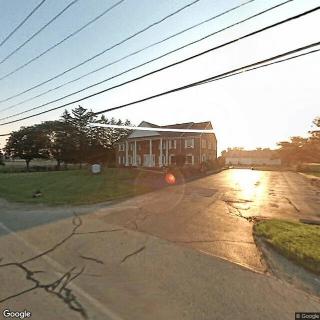
 Close to numerous amenities and healthcare options.



 Supportive Employee Benefits That Help Caregivers Attain Better Work-Life Harmony
 Top Cars for Senior Drivers and Essential Safety Innovations
 A Closer Look at Private Pay Home Care