Orchard Villa

Save

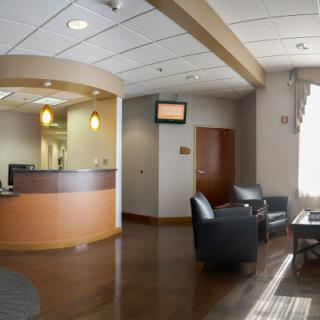
  • Interior

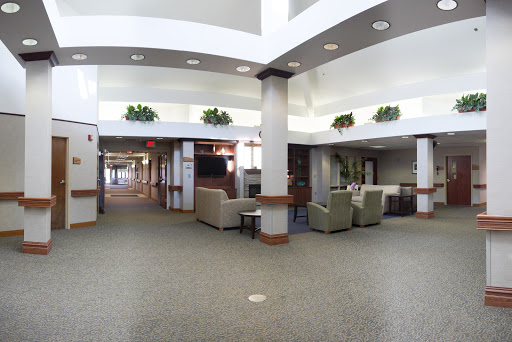
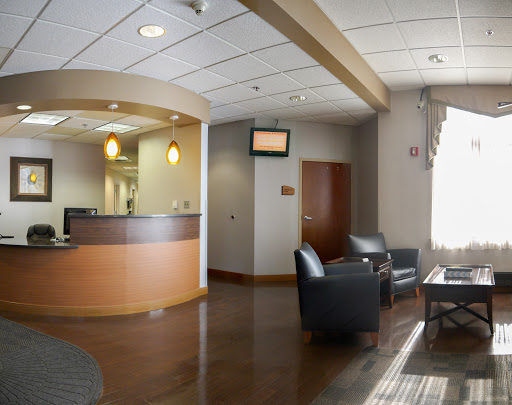
    A spacious and modern lobby featuring comfortable seating areas and decorative plants.
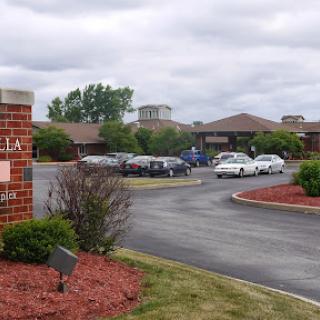
  • Building

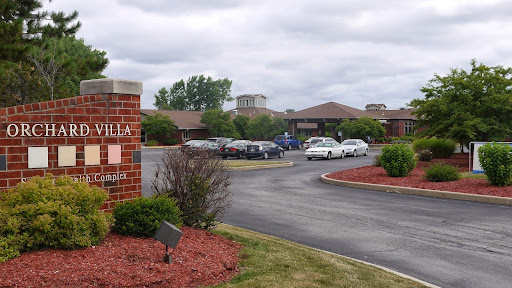
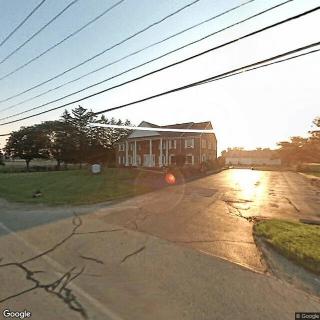
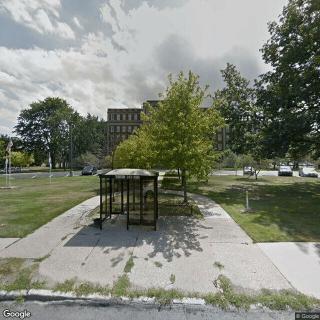
    A parking lot in front of a large building with a cloudy sky overhead.
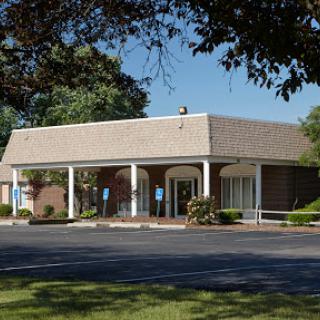
  • Architecture

    A modern brick building with a well-maintained lawn and clear blue sky.
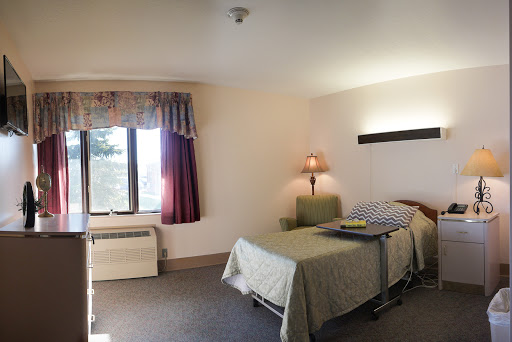
  • Bedroom

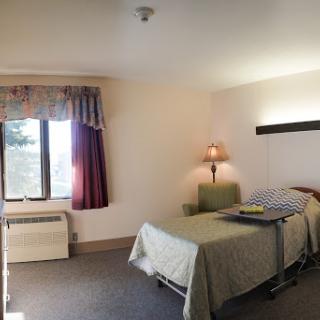
    A simple, well-lit hotel room featuring a bed, window, and lamp.
  • Windows

    A spacious and elegantly furnished meeting room, equipped with a large conference table and comfortable seating.
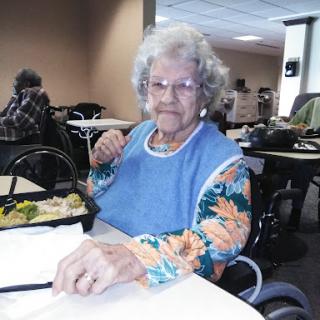
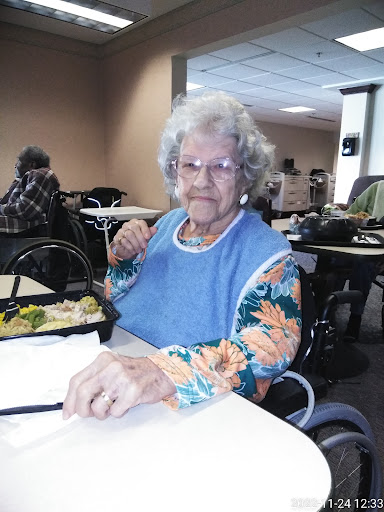
  • Dining

    An elderly woman enjoying her meal in a cozy dining space.
  • Landscaping

    A view of a building surrounded by a parking lot and landscaped areas under a cloudy sky.
  • Lighting

    A well-lit office meeting room featuring a wooden podium, comfortable seating, and minimalist decor.
  • Television

    A modern reception area featuring comfortable seating and a flat-screen TV.

Orchard Villa

2841 Munding Drive, Oregon, OH 43616

For more information about senior living options: (844) 490-3973

3.3 from 107 reviews
5 stars
45
4 stars
17
3 stars
4
2 stars
9
1 stars
32

Assisted Living Skilled Nursing Facility

What level of care are you interested in?

Assisted Living

Memory Care

Independent Living

Skilled Nursing Facility

Continuing Care Retirement Community (CCRC)CCRC

Other


Request a tour at Orchard Villa

    Overall Review of Orchard Villa

    Pros

    • pro Morgan is very intuitive with the patients' needs.
    • pro The nurses and nursing assistants are pleasant and very helpful with questions and care.
    • pro The therapies are effective at restoring strength and achieving goals.
    • pro Tiffany and her team go above and beyond, providing genuine compassion and treating every resident like family.
    • pro The staff treat residents with care and communicate well with families.
    • pro Izzy, the social worker, is exceptional at coordinating discharge and arranging outside care.
    • pro Recreation therapy and activity staff provide engaging, supportive experiences for residents.
    • pro The care at Orchard Villa is heartfelt, thorough, and highly commendable by families.

    Cons

    • pro The food was subpar.
    • pro They seemed grossly understaffed.
    • pro The staff were incompetent and didn't know what others were doing.
    • pro The aides were rude and unsuitable.
    • pro Staff blamed the patient for incidents or complaints and were uncaring from the top administrator down to the aides.
    • pro The physical therapy was inconsistent or inadequate, with days when no therapy was provided and a therapist with a terrible bedside manner.
    • pro The unit could be loud due to other residents.
    • pro Some residents did not receive the same level of care when non-regular staff were providing it.

    Review

    Orchard Villa is a place that inspires a wide range of experiences from its residents and their families. Across short-term and long-term stays, visitors repeatedly encountered a blend of strong, compassionate caregiving and areas that left them frustrated. Several reviewers highlighted the encouraging, person-centered approach of the unit's leadership and frontline staff, while others described challenges they wished were addressed more effectively. Taken together, the impressions form a complex portrait of a facility that can be deeply meaningful to some families while falling short for others.

    On the long-term care side, there are standout moments that left a lasting, positive impression. One family member spoke of Morgan, the manager, whose intuitive understanding of patient needs helped ease anxiety during a tense visit. In that encounter, Morgan even went so far as to bathe a resident before the family headed out to dinner, a gesture that underscored a level of attentiveness that many families value highly. The nurses and nursing assistants were described as pleasant and helpful with questions and care, contributing to a sense that the unit was well-run and focused on residents' well-being. It wasn't all sunshine - there were complaints about noise and times when meals and meds were delayed, and some felt the unit seemed understaffed - but the overarching sentiment was that the environment could be very suitable for recovery and daily life.

    For others who have spent years at Orchard Villa, the experience has been transformative. One reviewer, having stayed for about five years and now preparing to move out, called it a great place to recover from illness and regain strength, to the point that they would recommend it to others. That perspective reflects a long-term trust built up over time and a belief that the facility can support independence and mobility when given enough time and the right care. The sentiment suggests that, for many, Orchard Villa can be a place where you regain your footing and leave with a sense of achievement and readiness for the next chapter.

    There are equally vocal critical voices. Some reviewers described incompetence or lack of coordination among staff, citing situations where "one doesn't know what the other is doing," rude aides, and a pattern of staff blaming patients for incidents or complaints. A number of reviewers alleged uncaring attitudes from leadership and a sense of unprofessionalism that stretched from administrators down to aides. These themes point to real gaps in communication, consistency, and accountability that can undermine a family's confidence in the care being delivered.

    Yet alongside these concerns, the stories praising therapy and discharge planning are plentiful and specific. Several reviewers credited the physical and occupational therapy teams with helping them or their loved ones regain function and set concrete goals. One reviewer's mother-in-law, after a difficult stay, noted that therapists and other staff knew how to "get every process going for success," and that nursing staff ensured medications were given correctly. When a patient wasn't satisfied with a treatment option, staff were described as responsive and willing to offer alternatives. In short, there is a strong current of appreciation for the rehabilitative teams when they align well with a resident's needs.

    Compassion and continuity from individual caregivers are repeated, sometimes with extraordinary warmth. A recurring name in the praise is Tiffany Hawkins, Unit Manager, who is singled out for going above and beyond and for treating residents like family. Families repeatedly expressed relief and gratitude for Tiffany's involvement, noting that her communication and hands-on care brought peace of mind during challenging times. Other staff members - Becky, Sue, Izzy the social worker, and a range of nurses, aides, and therapy staff - also receive frequent compliments for their dedication, accessibility, and the sense that they genuinely care about residents and their families.

    Several reviews focus on specific family experiences that highlight the human side of care. A sister spoke of her mother's time at Orchard Villa, describing the staff as angels who touched her sister's heart and calling out Morgan's management of the long-term unit as a comforting presence. Charles's family offered heartfelt thanks to Steve and David in the skilled units, and to Wendy the social worker, along with a list of team members who provided steady, attentive care over years. These notes emphasize not only clinical care but also the day-to-day support, reassurance, and respectful communication that families value when a loved one is navigating illness, aging, and recovery.

    There are some important cautions embedded in these narratives as well. A particularly troubling account described a negative early encounter with a physical therapist, whose bedside manner reportedly caused extreme distress to an elderly mother and culminated in a medical emergency requiring ICU care. While this is one review among many, it serves as a reminder that quality can vary not only by department but by individual practitioners, and it underscores the need for consistent standards and responsive oversight to prevent harm and preserve trust.

    Overall, what emerges is a facility capable of delivering exceptional, person-centered care under the right circumstances and with the right staff alignment. Many residents and family members celebrate the supportive culture, the responsiveness of key leaders, and the practical outcomes of therapy and discharge planning. Others point to systemic gaps - especially around staffing, communication across shifts, and consistency of care - that can dampen the experience. Despite the mixed reports, a common thread runs through the stories: when the Orchard Villa team connects with a resident's needs, communicates clearly, and shows genuine compassion, the care feels transformative, and families feel a sense of hope and appreciation for the work being done.

    Features

    Housing

    • 136 resident community capacity 136 resident community capacity

    Types of Care

    • Assisted Living Assisted LivingAssisted living facilities provide crucial support and care for seniors who may need help with daily tasks such as medication management, bathing, and meal preparation. These communities offer a safe and comfortable environment where seniors can maintain their independence while receiving the assistance they need to thrive in their golden years.
    • Skilled Nursing Facility Skilled Nursing FacilitySkilled Nursing Facilities are crucial for seniors as they provide round-the-clock medical care, rehabilitation services, and assistance with daily activities. These facilities ensure that seniors receive the specialized care they need to maintain their health and well-being as they age.

    Amenities

    • Activities on-site Activities on-siteActivities on-site are important for seniors because they provide opportunities for socialization, mental stimulation, physical activity, and overall well-being. Engaging in activities can help seniors stay active, maintain their independence, and improve their quality of life.
    • Air-conditioning Air-conditioningAir conditioning is important for seniors as they are more vulnerable to heat-related illnesses and may have underlying health conditions that make it difficult for them to regulate their body temperature. It helps to keep them comfortable, safe, and healthy in hot weather.
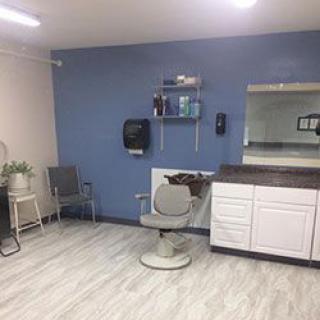
    • Beauty salon Beauty salonBeauty salons are important for seniors because they provide a space for them to feel pampered, socialize, and maintain their personal grooming and hygiene. Regular visits to a beauty salon can help boost seniors' self-esteem and overall well-being.
    • Cable or satellite TV Cable or satellite TVCable or satellite TV is important for seniors because it provides entertainment, news, and companionship, helping to combat loneliness and boredom. It also offers a wide range of programming options tailored to different interests and preferences.
    • Computer center Computer centerA computer center is essential for seniors as it provides access to technology, communication tools, and resources that can enhance their daily lives. It allows them to stay connected with loved ones, engage in online activities, and learn new skills, ultimately promoting socialization and mental stimulation.
    • Devotional services off-site Devotional services off-siteDevotional services off-site are important for seniors as they provide spiritual nourishment, social engagement, and a sense of community outside of the senior living facility. This can enhance overall well-being and help combat feelings of isolation and loneliness often experienced by older adults.
    • Dining room Dining roomDining rooms are important for seniors as they provide a space for socialization, connection, and nutritious meals. They offer opportunities for residents to bond over shared meals, foster a sense of community, and promote healthy eating habits. Dining rooms also ensure that seniors have access to well-balanced meals tailored to their dietary needs and preferences.
    • Fitness room Fitness roomHaving a fitness room in a senior living community is essential for seniors to stay active, maintain their physical health, and improve their overall well-being. Regular exercise can help prevent falls, reduce the risk of chronic diseases, and promote mental sharpness. It also provides social opportunities for residents to connect with others and enjoy a sense of community.
    • Fully furnished Fully furnishedFully furnished senior living communities are important for seniors because they provide convenience, comfort, and a hassle-free moving experience. Seniors can easily settle into their new living space without the stress of having to buy and move furniture. This allows them to focus on enjoying their new home and community.
    • Gaming room Gaming roomGaming rooms are important for seniors as they provide a fun and engaging environment for socializing, cognitive stimulation, and physical activity. Games can improve memory, problem-solving skills, and overall mental well-being while fostering friendships and reducing feelings of isolation.
    • Garden GardenGardens are important for seniors as they provide a peaceful and therapeutic environment for relaxation, physical activity, and socialization. Being in nature has been shown to reduce stress, improve mood, and promote overall well-being. Gardens also offer opportunities for seniors to engage in gardening activities, which can improve mobility, flexibility, and cognitive function. Additionally, gardens create a sense of community and connection with others who share a passion for plants and outdoor spaces.
    • Housekeeping services Housekeeping servicesHousekeeping services are important for seniors because they help maintain a clean and safe living environment, promote independence, and reduce the risk of accidents or illnesses. Additionally, having assistance with household chores can alleviate physical strain and allow seniors to focus on other aspects of their well-being.
    • Indoor common areas Indoor common areasIndoor common areas are crucial for seniors as they provide a space for socialization, recreation, and community engagement, promoting overall well-being and reducing feelings of isolation and loneliness.
    • Kitchenette KitchenetteKitchenettes are important for seniors living in senior living communities because they provide the convenience and independence of being able to prepare simple meals and snacks in the comfort of their own living space. This can help promote a sense of autonomy and well-being for seniors, allowing them to maintain some level of control over their dietary choices and daily routines.
    • Move-in coordination Move-in coordinationMove-in coordination is important for seniors because it helps ease the transition into their new living environment. It ensures that all logistics, such as packing, organizing movers, and setting up utilities are taken care of, allowing seniors to focus on settling in and adjusting to their new home. Having a smooth move-in process can alleviate stress and anxiety, making the transition smoother and more enjoyable for seniors.
    • Outdoor space Outdoor spaceOutdoor spaces are important for seniors as they provide opportunities for physical activity, social interaction, exposure to natural light and fresh air, and a sense of connection to nature. Having access to outdoor spaces can improve overall well-being and quality of life for older adults living in senior communities.
    • Private bathrooms Private bathroomsPrivate bathrooms are important for seniors in senior living communities because they provide independence, dignity, and comfort. Having a private bathroom allows seniors to maintain their personal hygiene routines without the need for assistance, promoting a sense of autonomy and privacy. Additionally, private bathrooms help prevent the spread of infections and provide a safe and clean environment for seniors to navigate safely.
    • Respite or short term stays offered Respite or short term stays offeredRespite or short term stays provide seniors with a temporary solution when their regular caregiver is unavailable, offering them the opportunity to receive additional care and support during times of need, while also giving caregivers a chance to rest and recharge.
    • Restaurant-style dining Restaurant-style diningRestaurant-style dining is important for seniors because it allows them to enjoy delicious, nutritious meals in a social and upscale setting. This enhances their dining experience, promotes healthy eating habits, and fosters socialization with fellow residents, ultimately contributing to their overall well-being and quality of life.
    • Small library Small librarySmall libraries are important for seniors as they provide access to a variety of reading materials, including books, newspapers, and magazines. This can help stimulate their minds, keep them engaged, and provide a sense of community through book clubs and other social activities. Additionally, reading has been shown to improve cognitive function and overall mental well-being in older adults.
    • Telephone TelephoneTelephones are important for seniors as they provide a lifeline for communication with loved ones, emergency services, and healthcare providers. They offer a sense of security and independence, enabling seniors to stay connected and access assistance when needed.
    • Wellness center Wellness centerWellness centers are important for seniors because they offer a variety of programs and services that promote physical, mental, and emotional well-being. These centers provide opportunities for exercise, socialization, education, and relaxation, helping seniors maintain their overall health and quality of life.
    • Wi-Fi/high-speed internet available Wi-Fi/high-speed internet availableWi-Fi/high-speed internet is important for seniors to stay connected with loved ones, access online resources, and participate in virtual activities to combat feelings of loneliness and isolation. It also allows them to easily manage healthcare needs, access entertainment, and engage in lifelong learning opportunities.

    Transportation

    • Toledo Express (17 miles away) Toledo Express (17 miles away)
    • Community operated transportation Community operated transportationCommunity operated transportation is crucial for seniors as it provides them with the means to access essential services, social activities, and medical appointments. It allows seniors to maintain their independence and quality of life by ensuring they can participate in activities outside of their homes. Additionally, community-operated transportation services offer a safe and reliable way for seniors to travel without having to rely on family or friends for assistance.
    • Transportation arrangement Transportation arrangementTransportation arrangements are crucial for seniors as they may face challenges with driving, mobility, or access to public transportation. Having reliable transportation services ensures that seniors can easily attend appointments, social activities, and maintain their independence and quality of life.
    • Transportation arrangement (non-medical) Transportation arrangement (non-medical)Transportation arrangements are essential for seniors as they provide access to essential services, activities, and social interactions outside the home. This service helps maintain independence, mobility, and overall well-being for seniors who may have limited transportation options.
    • Transportation to doctors appointments Transportation to doctors appointmentsTransportation to doctors appointments is crucial for seniors as it ensures they have access to necessary medical care and support, promoting their health and well-being. It allows them to receive timely treatment, monitor existing conditions, and address any new health concerns efficiently. Additionally, transportation services can help seniors maintain their independence and quality of life by enabling them to stay connected with their healthcare providers.

    Care Services

    • 12-16 hour nursing 12-16 hour nursing12-16 hour nursing care is crucial for seniors in order to ensure around-the-clock monitoring, timely medication administration, and prompt response to any health concerns or emergencies. This level of care helps to promote the overall well-being and safety of seniors living in senior living communities.
    • 24-hour call system 24-hour call system24-hour call systems are important for seniors because they provide peace of mind and immediate assistance in case of emergencies. This technology ensures that help is always available, promoting safety and security for elderly individuals living alone or in assisted living facilities.
    • 24-hour supervision 24-hour supervision24-hour supervision is important for seniors to ensure their safety, well-being, and access to immediate assistance in case of emergencies or health issues. This constant support provides peace of mind for both seniors and their loved ones, allowing them to age in place with dignity and security.
    • Activities of daily living assistance Activities of daily living assistanceActivities of daily living assistance are important for seniors because they provide essential support with tasks such as eating, bathing, dressing, and mobility. This assistance helps seniors maintain their independence, dignity, and overall quality of life as they age.
    • Ambulatory care Ambulatory care"Ambulatory care services provide essential medical support and treatment to seniors without requiring hospitalization, allowing them to maintain their independence and quality of life while managing chronic conditions or receiving routine medical care."
    • Assistance with bathing Assistance with bathingAssistance with bathing is crucial for seniors as it helps maintain personal hygiene, prevents infections, and ensures their overall well-being and comfort. It also provides a sense of dignity and independence for seniors who may struggle with this task on their own.
    • Assistance with dressing Assistance with dressingAssistance with dressing is important for seniors because it helps maintain their independence, promotes personal hygiene, prevents accidents and injuries, and improves overall quality of life. This service ensures that seniors can continue to dress comfortably and confidently, despite any physical limitations they may have.
    • Assistance with transfers Assistance with transfersAssistance with transfers is crucial for seniors as it helps prevent falls and injuries, maintains their independence, and ensures they can safely navigate their living environment. It also provides peace of mind for both seniors and their loved ones.
    • Diabetes diet Diabetes dietA diabetes diet is crucial for seniors as it helps manage blood sugar levels, reduce risks of complications, and improve overall health and well-being. By following a balanced and nutritious diet tailored to their specific needs, seniors can better control their diabetes and enhance their quality of life.
    • Diabetic care Diabetic careDiabetic care is crucial for seniors as they are more susceptible to developing diabetes due to aging and other health conditions. Proper management of diabetes can help prevent complications such as heart disease, vision loss, and nerve damage, improving the overall quality of life for seniors in senior living communities.
    • Hospice care Hospice careHospice care is important for seniors as it provides specialized end-of-life support, pain management, and emotional comfort for both the senior and their loved ones. It allows seniors to maintain dignity, receive personalized care, and spend their remaining time in a peaceful and comfortable environment.
    • Meal preparation and service Meal preparation and serviceMeal preparation and service are crucial for seniors as they may have limited mobility or energy to cook nutritious meals. Having access to healthy and convenient food options can ensure they are getting the proper nutrition needed to maintain their overall health and well-being.
    • Medication management Medication managementMedication management is crucial for seniors to ensure they are taking the right medications at the correct dosages and times. This helps prevent adverse drug interactions, reduces the risk of medication errors, and promotes overall health and well-being. Proactive management also allows for adjustments as needed based on changing health conditions or new prescriptions.
    • Mental wellness program Mental wellness programMental wellness programs are essential for seniors as they promote cognitive stimulation, emotional support, and social engagement. These programs help prevent isolation, depression, and cognitive decline, ultimately enhancing the overall quality of life for older adults.
    • Special dietary restrictions Special dietary restrictionsSpecial dietary restrictions are important for seniors because age-related changes in metabolism and health conditions can make it difficult for their bodies to process certain foods. By following a diet tailored to their specific needs, seniors can maintain their overall health and well-being, manage chronic conditions, and reduce the risk of complications such as malnutrition or food interactions with medications.

    Dining

    • Diabetes diet Diabetes dietA diabetes diet is crucial for seniors as it helps manage blood sugar levels, reduce risks of complications, and improve overall health and well-being. By following a balanced and nutritious diet tailored to their specific needs, seniors can better control their diabetes and enhance their quality of life.
    • Meals provided Meals provided"Meals provided" are crucial for seniors in assisted living communities as it ensures they have access to nutritious, balanced meals without the stress of meal planning and preparation. This can help promote overall health and well-being for seniors who may have limited mobility or cognitive abilities.
    • Special dietary restrictions Special dietary restrictionsSpecial dietary restrictions are important for seniors because age-related changes in metabolism and health conditions can make it difficult for their bodies to process certain foods. By following a diet tailored to their specific needs, seniors can maintain their overall health and well-being, manage chronic conditions, and reduce the risk of complications such as malnutrition or food interactions with medications.

    Activities

    • Activities on-site Activities on-siteActivities on-site are important for seniors because they provide opportunities for socialization, mental stimulation, physical activity, and overall well-being. Engaging in activities can help seniors stay active, maintain their independence, and improve their quality of life.
    • Community-sponsored activities Community-sponsored activitiesCommunity-sponsored activities are important for seniors as they provide opportunities for social interaction, mental stimulation, and physical activity. These activities can help improve overall well-being, combat loneliness and isolation, and promote a sense of belonging and purpose among older adults.
    • Concierge services Concierge servicesConcierge services are essential for seniors as they provide assistance with daily tasks and errands, enhance their quality of life by offering convenience and personalized care, and promote a sense of safety and security.
    • Devotional activities offsite Devotional activities offsiteDevotional activities offsite are important for seniors because they provide social engagement, spiritual growth, and a sense of community outside of their living environment. This can improve overall well-being, mental health, and combat feelings of isolation or loneliness.
    • Fitness programs Fitness programsFitness programs are crucial for seniors as they help improve strength, flexibility, balance, and overall well-being. Staying active can reduce the risk of chronic diseases, improve mental health, and enhance quality of life in older adults.
    • Planned day trips Planned day tripsPlanned day trips are important for seniors because they offer opportunities for socialization, mental stimulation, and physical activity. They provide a change of scenery and help seniors stay engaged and connected to their community, promoting overall well-being and quality of life.
    • Resident-run activities Resident-run activitiesResident-run activities are important for seniors as they encourage social interaction, creativity, and a sense of autonomy. These activities empower seniors to stay engaged and active in their community while fostering meaningful connections with their peers.
    • Scheduled daily activities Scheduled daily activitiesScheduled daily activities are important for seniors because they provide structure, socialization, mental stimulation, and physical activity. Engaging in regular activities can improve overall well-being and quality of life for seniors living in a community setting.

    Description

    Orchard Villa in Oregon, OH is a welcoming and comfortable assisted living community that provides exceptional care for seniors. Offering a range of services and amenities, Orchard Villa is dedicated to promoting the well-being and independence of its residents.

    Within this skilled nursing facility, residents can enjoy the convenience of air-conditioned rooms and access to beauty salon services to ensure they feel their best. Cable or satellite TV is available for entertainment, and community-operated transportation is provided for various outings and appointments.

    The community prioritizes the needs of its residents by offering a variety of amenities. A computer center is available for those who wish to stay connected with loved ones, while devotional services off-site cater to spiritual well-being. The dining room offers restaurant-style dining with nutritious meals provided, as well as special dietary options to accommodate individual needs. Housekeeping services keep living spaces clean and tidy.

    Residents can engage in various activities within Orchard Villa's vibrant community. A fitness room allows for physical exercise, while a gaming room and small library offer opportunities for leisurely pursuits. Outdoor spaces including gardens provide serene environments for relaxation. Planned daily activities are scheduled, ensuring residents have opportunities to socialize and participate in stimulating programs.

    Orchard Villa offers an array of care services designed to meet the unique needs of each resident. With 24-hour call systems and supervision, round-the-clock support is readily available. Assistance with daily tasks such as bathing, dressing, and transfers is provided as needed. Medication management ensures proper administration of medications, while special diets are catered to those with specific dietary restrictions.

    The community benefits from its convenient location among 2 cafes, 6 parks, 8 pharmacies, 16 physicians' offices, 15 nearby restaurants, 1 transportation service, 1 place of worship nearby, and easy access to medical facilities such as hospitals.

    Overall, Orchard Villa provides a compassionate environment where seniors can receive quality care while enjoying an engaging and fulfilling lifestyle.

    Nearby Places of Interest

    Physicians

    • Bay Meadows Family Medicine (0.2 miles)
    • Mercy Family Physicians (0.4 miles)
    • Mercy Health (0.4 miles)
    • Occupational Care Consultants (0.4 miles)
    • Oregon Urgent Care & Family (0.6 miles)
    • ProMedica Physicians Bay Park Family Practice (0.7 miles)
    • Narra Ravi ProMedica Bay Park Hospital Surgery (0.7 miles)

    Hospitals

    • Mh St Charles Op Pharm (0.3 miles)
    • St Charles Mercy Hospital (0.4 miles)
    • ProMedica Bay Park Hospital - Laboratory (0.7 miles)
    • St Jude Children's Hospital (3.1 miles)
    • Aims (5.2 miles)
    • St Luke's Hospital-Starbright Professional Center (5.5 miles)
    • Toledo Hospital Labor & Delivery (6.6 miles)

    Restaurants

    • Culver's (0.3 miles)
    • Sonic Drive-In (0.4 miles)
    • Little Caesars Pizza (1 miles)
    • McDonald's (1.1 miles)
    • Tony Packo's Restaurant (2.3 miles)
    • Hamburger Marys (2.8 miles)
    • Skillet (3.1 miles)

    Pharmacies

    • Mercy Outpatient Pharmacies (0.4 miles)
    • Kroger Food and Pharmacy (0.6 miles)
    • Rite Aid (0.7 miles)
    • Walmart Pharmacy (1.2 miles)
    • Walgreens (1.9 miles)
    • Rite Aid (2.4 miles)
    • Rite Aid (4.5 miles)

    Cafes

    • Tim Hortons (0.5 miles)
    • Grindhrs (3.3 miles)
    • BREW coffee bar (7.5 miles)

    Parks

    • Navarre Park (1.5 miles)
    • Oak Shade Hall & Picnic Grove (1.6 miles)
    • Pearson Metropark (2.3 miles)
    • Promenade Park (3 miles)
    • Middlegrounds Metropark (3.1 miles)
    • Harold Boeschenstein Park (3.1 miles)
    • Walbridge Park (5.4 miles)

    Transportation

    • Martin Luther King, Jr Plaza (3.2 miles)

    Places of Worship

    • Immaculate Conception Catholic Church (3.6 miles)
    • Corpus Christi University Parish (7.1 miles)

    Frequently Asked Questions

    Where is Orchard Villa?
    What photos are available for Orchard Villa in Oregon, Ohio?

    Nearby Communities

    Related Resources

    • activities of daily livingComprehensive Insights into Activities of Daily Living (ADLs) and Their Assessment

      Activities of Daily Living (ADLs) are fundamental tasks vital for an individual's independence, particularly in older adults over 85, and include functions like bathing and dressing; assessing ADLs alongside Instrumental Activities of Daily Living (IADLs) helps determine the level of required assistance due to age-related health challenges. Tailored support plans, involving family and community resources, are essential for maintaining dignity and autonomy in assisted living environments.

    • does medicare pay for assisted livingMedicare Coverage for Assisted Living: An In-Depth Exploration

      Medicare does not cover assisted living costs, as it focuses on acute medical needs and short-term care, with exceptions for certain medically necessary services like physical therapy. Individuals must explore other options such as Medicaid, veterans' benefits, or long-term care insurance to manage these expenses effectively.

    • assisted living vs nursing homeChoosing the Right Senior Care: A Detailed Exploration of Assisted Living and Nursing Homes
      Choosing between assisted living and nursing homes involves evaluating emotional and financial factors, with assisted living offering independence and support for daily activities at a lower cost, while nursing homes provide intensive medical care for individuals with significant health needs. The decision is influenced by personal preferences, health status, cognitive function, and varying Medicaid coverage across states.


    Get Pricing Ask A Question Schedule A Tour Contact Senior Advisor