
416 Wooster Road, Mount Vernon, OH 43050
For more information about senior living options: (866) 208-4318
Overall Review of Whispering Hills Rehabilitation And Nursing Center
Pros
 Whispering Hills is a much nicer facility than the previous one.
- He is adapting very well there.
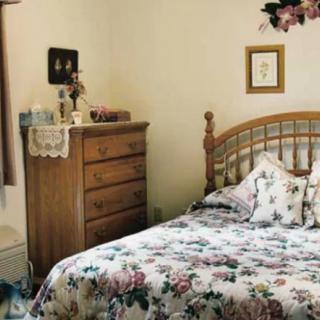
- The room is nice and spacious, with a window that overlooks a wooded area.
- He has a room by himself and is quite happy about it.
- The security and maintenance of the facility are good.
- The staff are very helpful, and the place is described as the friendliest and most helpful in their search.
Cons
 The staff were rude and ignored dietary restrictions and allergies.
- The administration and nursing staff are uneducated and have horrible attitudes.
- They lie to patients and blame the patient.
- The food was terrible.
- The staff do not welcome advocates and do not want to be told they are doing a bad job.
- The administration does not respond to concerns and blames the patient.
- The nursing staff have horrible attitudes and do not want to hear opinions from the family.
- The furniture could be in better shape.
Review
Whispering Hills Rehabilitation and Nursing Center in Mount Vernon is best suited for families seeking a quiet, private-room setting with reliable security and solid maintenance, and who are prepared to advocate assertively on behalf of a loved one. The strongest appeal is the environment itself: rooms described as spacious and, in some cases, offering pleasant views, with a facility that presents as orderly and relatively friendly. For families prioritizing a calm, monitored setting and a place to start from, which can feel easier to supervise from the outside, Whispering Hills can deliver on those basics. Yet the overall care quality and staff experience do not automatically follow the same positive trajectory.
Those evaluating alternatives should pay particular attention if one’s must-haves include consistently responsive administration, high-quality nursing care, and dependable dietary management. The reviews repeatedly flag administration and front-line staff as unresponsive and, at times, disparaging in manner. Allegations of dishonesty, blame-shifting, and reluctance to listen to family input recur, painting a picture of a facility where questions get stonewalled rather than answered. Dietary accommodations and allergy management are cited as mishandled, while the dining experience is described as unappealing. Rehab, meanwhile, is not depicted as a standout, even by one account that calls it merely “ok.”
The practical strength of Whispering Hills rests in elements like secure grounds, consistent maintenance, and a notably courteous transfer-and-settlement process according to one favorable account. The security and upkeep provide a sense of reliability and predictability many families value when navigating the transition to skilled nursing care. A private room with space and a window view contributes to resident comfort and perceived dignity during recovery or long-term care. Those positives, however, are undercut by pervasive concerns about the administrative culture and day-to-day nursing attitudes, which color every interaction and frame expectations about accountability and responsiveness.
Families should approach the evaluation with concrete, job-relevant questions. Observe meal service and request a current menu and a detailed explanation of how dietary restrictions and allergies are tracked and honored. Probe the rehab program’s staffing levels, discharge planning, and success metrics to determine whether actual capabilities meet the resident’s goals. Insist on speaking with clinical leadership about care plans and escalation pathways for concerns. Verify how family input is incorporated into care planning and how quickly issues are acknowledged and addressed. In short, insist on verifiable processes rather than hopeful impressions.
The rating, 1.8 out of four reviews, signals significant risk, with a combination of harsh perceptions about administration and nursing attitude, and a handful of more favorable observations about environment and transition support. The negative consensus suggests the facility can feel unresponsive and opaque, while the rare positive reflection underscores that, under the right conditions, families may experience a semblance of competence and warmth. This divergence makes it essential to gather independent references, review state inspection histories, and compare with peers that demonstrate more consistent praise for care quality and family partnership. Caution is warranted, but not an absolute exclusion.
Bottom line: Whispering Hills is not a universal fit. It may work for families who prize a calm, well-kept setting and are prepared to engage aggressively in advocacy to secure answers and clear care pathways. For those who demand consistently strong nursing care, transparent leadership, and reliably considerate dietary management, alternatives deserve serious consideration. A disciplined on-site visit, frank conversations with staff, and a demand for concrete, trackable metrics will separate those who can make this community work from those who should look elsewhere.
 44 resident community capacity
 Skilled Nursing Facility
 Beauty salon
 Cable or satellite TV
 Dining room
 Fully furnished
 Garden
 Housekeeping services
 Kitchenette
 Move-in coordination
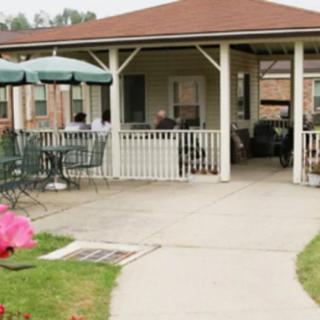
 Outdoor space
 Restaurant-style dining
 Small library
 Telephone
 Wi-Fi/high-speed internet available
 24-hour call system
 Activities of daily living assistance
 Assistance with bathing
 Assistance with dressing
 Assistance with transfers
 Diabetes diet
 Medication management
 Mental wellness program
 Special dietary restrictions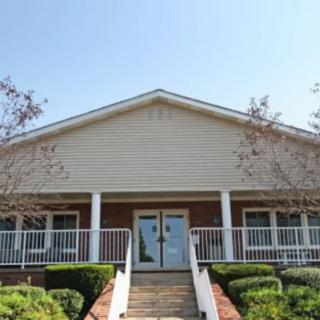

 Caring for Those Who Care: Recognizing, Understanding, and Overcoming Caregiver Burnout
 Caregiver Exhaustion: Recognizing the Signs and Restoring Your Well-Being
 Understanding Hospice Care at Home: Comprehensive Services, Key Benefits, and Eligibility