Call light and phone responsiveness are inconsistent, with long waits reported even when residents need help.
Some reviewers report delays when they pushed for assistance, including long waits for a response after using the call light and trouble getting information by phone. A few residents and families also describe situations where care or follow-up did not happen promptly, which added stress during rehab or day-to-day needs. On the other hand, multiple reviews praise staff as attentive and responsive, but the overall tone includes enough missed-time experiences to be a recurring concern.
caveat4 reviews mention this
Care communication can fall short
Families report communication problems, including missed updates and unclear coordination about a loved one’s status.
Several reviewers describe times when they were not notified when they expected—such as being informed after a change had already happened or receiving unclear information during discharge planning. Others mention not getting answers to questions about care, with staff sometimes saying they did not have the needed details. A smaller number of reviews contrast this by praising frequent updates, but the negative accounts are specific enough to stand out.
caveat6 reviews mention this
Rooms and facility cleanliness split opinions
Cleanliness is a major point of disagreement, with residents describing both well-kept spaces and serious odor or dirt issues.
Many negative reviews focus on the building smelling of urine or mildew, sticky floors, and rooms described as filthy or poorly maintained. Positive reviews also appear, including mentions of clean, odor-free environments, well-kept rooms and bathrooms, and better hygiene during a stay. Because both experiences show up in the reviews, cleanliness seems to vary by unit, time, or situation, and it’s not consistently described the same way across reviewers.
differentiator5 reviews mention this
Therapy and rehab progress stand out
Rehab therapy is one of the most consistently praised parts of the stay, especially physical and occupational therapy.
Multiple reviewers credit the therapy team with real progress after surgery, stroke, or rehab needs, often highlighting physical therapy and occupational therapy sessions happening regularly. A number of reviews also mention therapists who are encouraging, knowledgeable, and focused on recovery, along with improvements week to week. While there are also complaints about care quality from some residents, therapy is one of the areas where positive experiences repeat across different families.
common3 reviews mention this
Dining quality is mentioned often
Food quality and dining support show up in reviews, with both positive impressions and complaints about meals.
Some families praise meals as appetizing and say dietary needs were accommodated. Other reviewers complain about the food, describing it as awful or mentioning issues with what was served. Because dining is mentioned in both directions, it appears to be a noticeable experience during a stay rather than a quiet background detail.
How we summarize
Counts show how many written reviews mention each theme; a review can touch several themes, and only frequently mentioned themes are displayed.
Features
Types of Care
Skilled Nursing Facility
Transportation
John Glenn Columbus International Airport (10 miles away)
Nearby Places of Interest
Restaurants
Roosters (0.4 miles)
BIBIBOP Asian Grill (0.4 miles)
Tensuke Market (0.6 miles)
Arby's (2.1 miles)
Brassica (3.1 miles)
Chick-Fil-A (3.1 miles)
Bonefish Grill (3.2 miles)
Pharmacies
Marc's Stores (0.5 miles)
Walgreens (0.8 miles)
CVS Pharmacy (1.3 miles)
CVS Pharmacy (1.8 miles)
CVS Pharmacy (1.9 miles)
Walgreens (2 miles)
Walgreens (2.5 miles)
Parks
Thompson Park (0.6 miles)
Carriage Place Park (1.9 miles)
Antrim Park (2.4 miles)
Whetstone Park / Park of Roses (2.4 miles)
Quarry Trails Metro Park (3.7 miles)
Coffman Park (5.3 miles)
Places of Worship
St Andrew Church (0.8 miles)
Scioto Ridge United Methodist Church (2.2 miles)
Saint Brendan Catholic Church (2.3 miles)
Holy Name Church (4.1 miles)
St Christopher Church (4.5 miles)
Physicians
Forefront Dermatology Columbus, OH (1 miles)
Riverside Outpatient Surgery Center (1.1 miles)
Jasonway Internal Medicine (1.3 miles)
Columbus Eyecare Associates (1.3 miles)
Ohio ENT Surgeons (1.4 miles)
Central Ohio Primary Care (1.6 miles)
Mid Oh Cardiology & Vascular (1.9 miles)
Transportation
The Ohio State University Airport at Don Scott Field (OSU) (1.8 miles)
Maintaining cognitive fitness through engaging in various brain games, both traditional and digital, is crucial for seniors as it enhances memory retention, problem-solving abilities, and emotional well-being while helping to protect against age-related decline. A holistic approach that includes diverse activities, physical exercise, a balanced diet, and social interaction further supports mental health and cognitive function.
The article outlines strategies for keeping seniors' minds active through brain games and apps, highlighting the importance of cognitive exercises, social engagement, and a healthy lifestyle in combating cognitive decline. It emphasizes the benefits of various types of games and offers practical tips for maintaining mental wellness through enjoyable activities while acknowledging their limitations.
The VA Aid and Attendance program offers financial assistance to veterans needing help with daily activities due to health issues, available through a pension for low-income wartime veterans or an allowance for 100% disabled individuals. Eligibility depends on medical documentation of care needs and navigating guidelines about income and service history, with funds being usable for various healthcare-related expenses.
Get PricingAsk A QuestionSchedule A TourContact Senior Advisor
By clicking submit, you agree to our Partner's Terms of Use. You
also consent to receive calls and texts, which may be autodialed, from our Partner. Your consent is not a condition to
using our Partner's service. Please visit our Partner's Privacy Policy for information about their privacy practices.

 Skilled Nursing Facility
 John Glenn Columbus International Airport (10 miles away)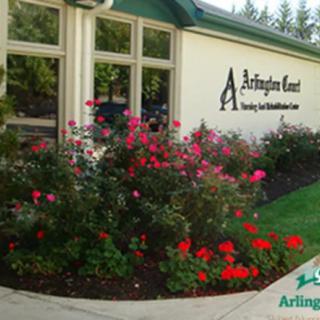
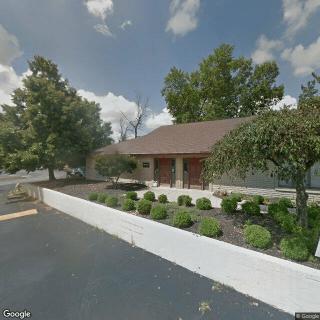
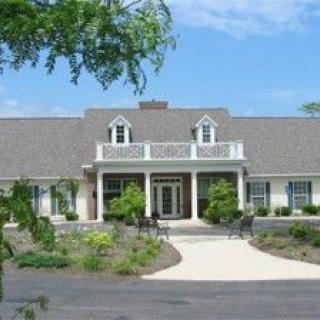
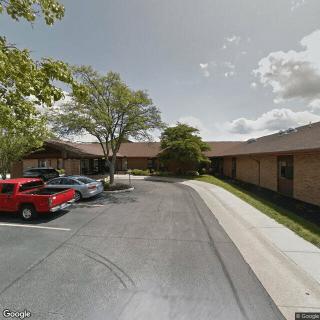
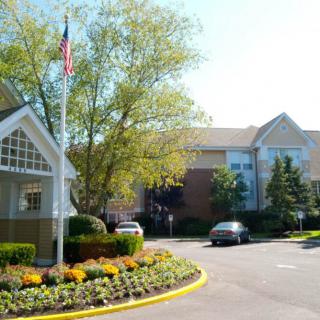
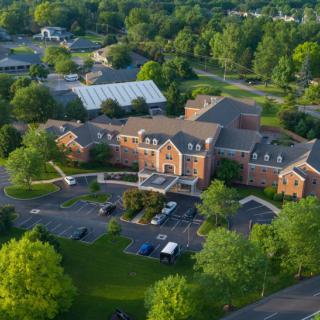
 Clean, well-maintained facility with attentive staff and active rehab.

 Engaging Brain Games and Innovative Apps to Keep Senior Minds Active
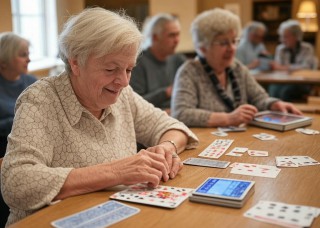 Effective Strategies for Keeping Seniors' Minds Active: A Deep Dive into Brain Games and Apps
 In-Depth Look at the VA Aid and Attendance Program