1605 Northwest Professional Plaza, Columbus, OH 43220
For more information about senior living options: (866) 208-4318
3.4 from 105 reviews
5 stars
53
4 stars
9
3 stars
2
2 stars
7
1 stars
34
Overall Review of Arlington Court Nursing & Rehabilitation Center
caveat22 reviews mention this
Cleanliness is a major split
Many residents and families describe ongoing cleanliness and odor issues.
Several reviews criticize the facility’s condition, including reports of filth, unpleasant urine odors, and dirty bathrooms or floors. Others describe specific breakdowns like water damage, broken fixtures, and areas that still feel run-down. A smaller set of reviews say the building feels clean or odor-free, but the overall sentiment across reviews is inconsistent.
caveat6 reviews mention this
Call response and care delays
Residents and families frequently mention slow or unreliable call-system response.
Some reviews say staff does not respond promptly when residents press the call button, with wait times described as long. There are also complaints that the call setup makes it difficult to communicate a need, including for urgent versus minor requests. While a few reviews describe staff as responsive, multiple accounts point to difficulties getting timely help and pain management.
caveat7 reviews mention this
Staffing levels feel inadequate
Multiple reviews say staffing coverage is insufficient during daily care.
Residents and families describe limited staffing and difficulties getting care tasks done, including changing needs, bathing help, and assistance when residents call. Some reviews specifically mention staffing problems like frequent turnover or reliance on temporary workers. A separate thread of reviews praises staff, but the critical reviews repeatedly come back to coverage and timeliness.
common6 reviews mention this
Therapy and rehabilitation support
Residents often describe physical and occupational therapy as a core part of recovery.
Several reviews connect rehab to better outcomes, describing therapy that happens regularly and teams that engage with patients. Some accounts highlight occupational and physical therapy working together, and a few mention having therapy multiple days per week. At the same time, a minority of reviews complain about inadequate therapy time or therapy that did not support recovery as expected.
common18 reviews mention this
Staff compassion shows up in reviews
Many reviews describe compassionate, caring staff and helpful communication.
A large portion of reviews praise staff for kindness, compassion, and taking time to address concerns. Multiple reviewers mention feeling comfortable that their loved one is in good hands, along with staff that communicates and helps families navigate next steps. However, other reviews sharply disagree, describing rudeness, disrespect, and administrative or medical errors, so the experience appears uneven.
How we summarize
Counts show how many written reviews mention each theme; a review can touch several themes, and only frequently mentioned themes are displayed.
Features
Housing
120 resident community capacity
Types of Care
Skilled Nursing Facility
Amenities
Air-conditioning
Beauty salon
Cable or satellite TV
Computer center
Dining room
Fitness room
Fully furnished
Gaming room
Garden
Housekeeping services
Kitchenette
Move-in coordination
Outdoor space
Private bathrooms
Restaurant-style dining
Small library
Telephone
Wellness center
Wi-Fi/high-speed internet available
Transportation
John Glenn Columbus International Airport (10 miles away)
Community operated transportation
Transportation arrangement
Transportation arrangement (non-medical)
Transportation to doctors appointments
Care Services
12-16 hour nursing
24-hour call system
24-hour supervision
Activities of daily living assistance
Assistance with bathing
Assistance with dressing
Assistance with transfers
Diabetes diet
Meal preparation and service
Medication management
Mental wellness program
Special dietary restrictions
Dining
Diabetes diet
Special dietary restrictions
Activities
Community-sponsored activities
Concierge services
Fitness programs
Planned day trips
Resident-run activities
Scheduled daily activities
Nearby Places of Interest
Restaurants
Roosters (0.4 miles)
BIBIBOP Asian Grill (0.4 miles)
Tensuke Market (0.6 miles)
Arby's (2.1 miles)
Brassica (3.1 miles)
Chick-Fil-A (3.1 miles)
Bonefish Grill (3.2 miles)
Pharmacies
Marc's Stores (0.5 miles)
Walgreens (0.8 miles)
CVS Pharmacy (1.3 miles)
CVS Pharmacy (1.9 miles)
CVS Pharmacy (1.9 miles)
Walgreens (2 miles)
Walgreens (2.5 miles)
Parks
Thompson Park (0.6 miles)
Carriage Place Park (1.9 miles)
Antrim Park (2.4 miles)
Whetstone Park / Park of Roses (2.4 miles)
Quarry Trails Metro Park (3.7 miles)
Coffman Park (5.3 miles)
Places of Worship
St Andrew Church (0.8 miles)
Scioto Ridge United Methodist Church (2.2 miles)
Saint Brendan Catholic Church (2.4 miles)
Holy Name Church (4.1 miles)
St Christopher Church (4.5 miles)
Physicians
Forefront Dermatology Columbus, OH (1 miles)
Riverside Outpatient Surgery Center (1.1 miles)
Jasonway Internal Medicine (1.3 miles)
Columbus Eyecare Associates (1.3 miles)
Ohio ENT Surgeons (1.4 miles)
Central Ohio Primary Care (1.6 miles)
Mid Oh Cardiology & Vascular (1.9 miles)
Transportation
The Ohio State University Airport at Don Scott Field (OSU) (1.8 miles)
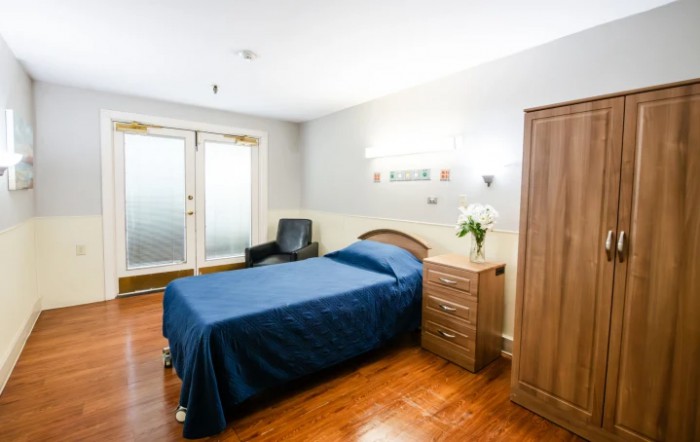
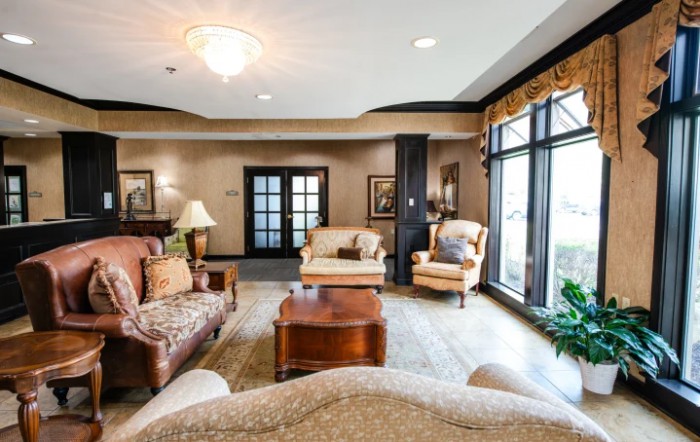
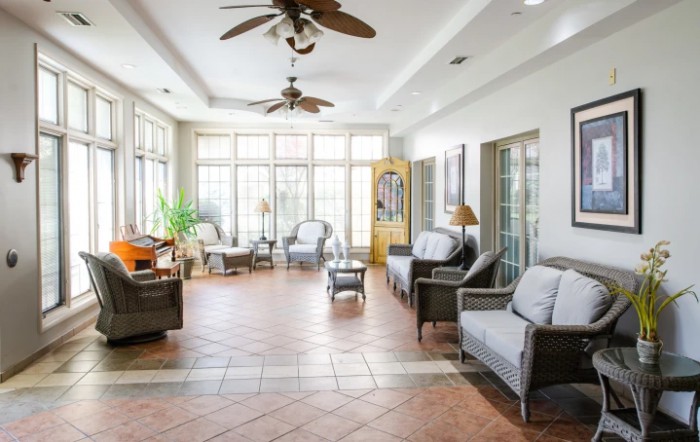
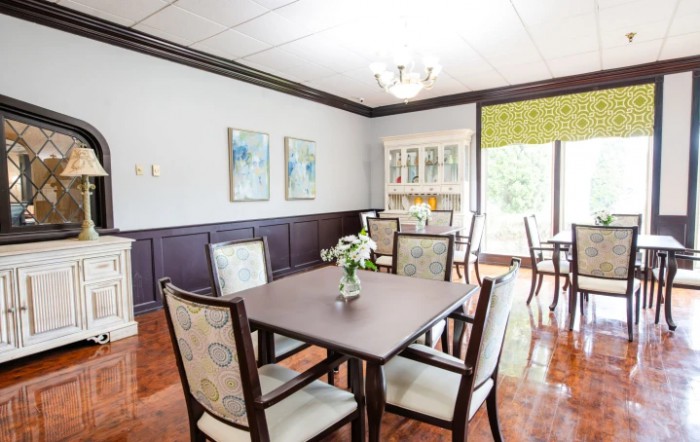
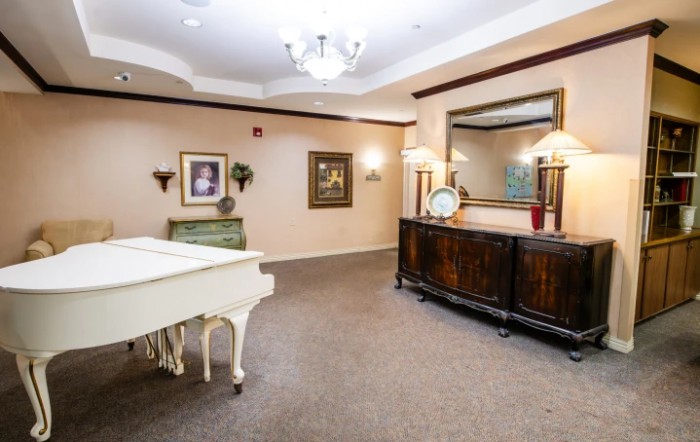
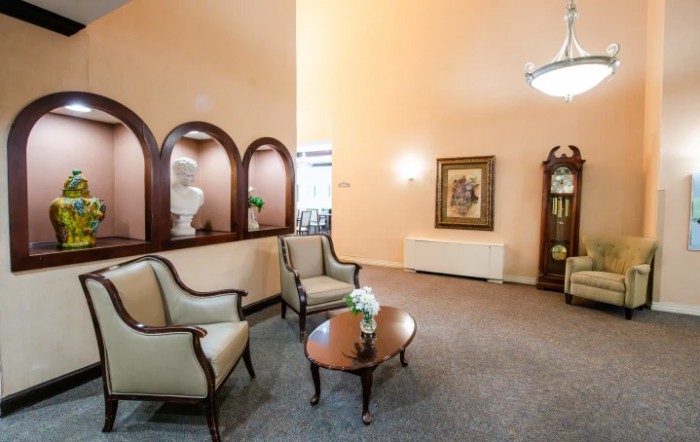
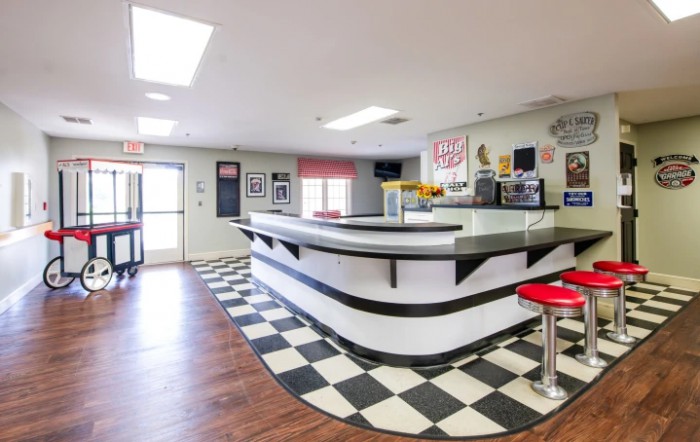
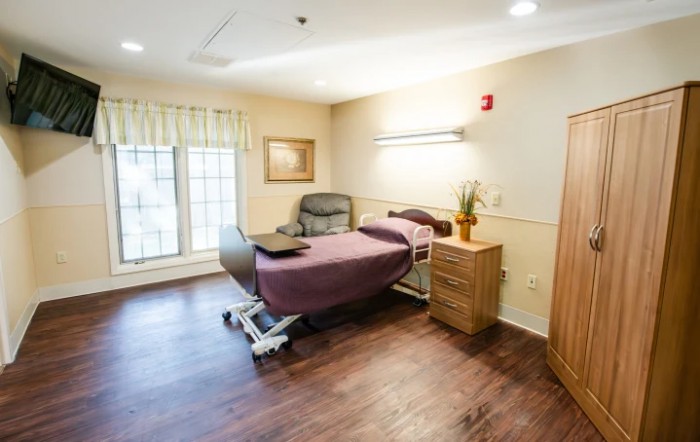
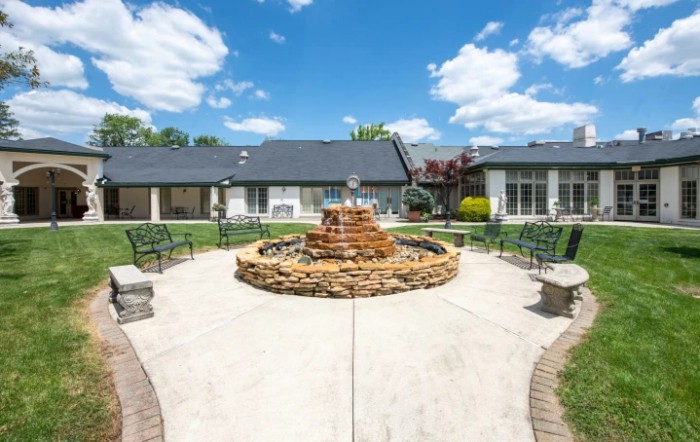
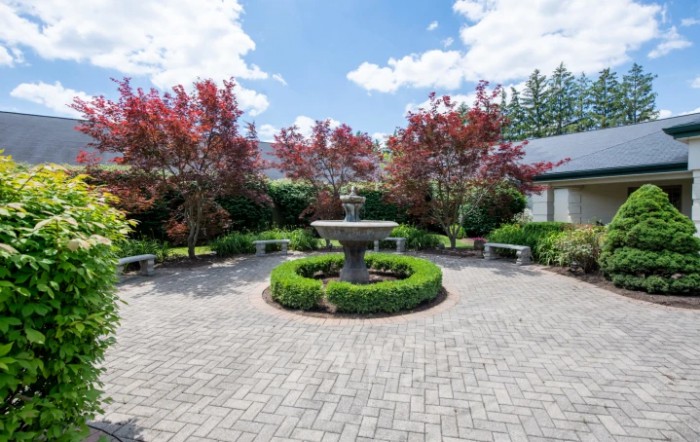
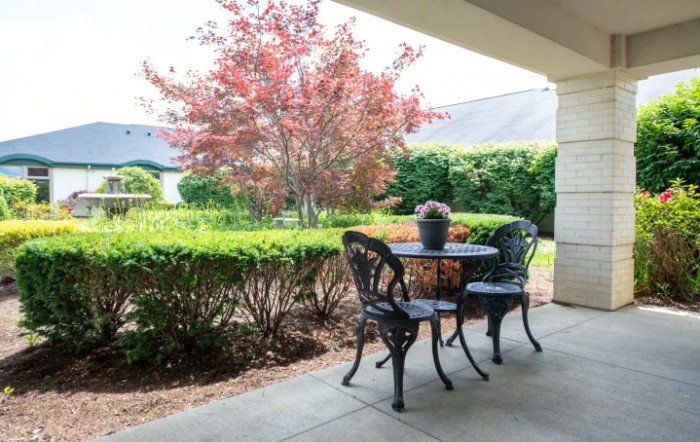
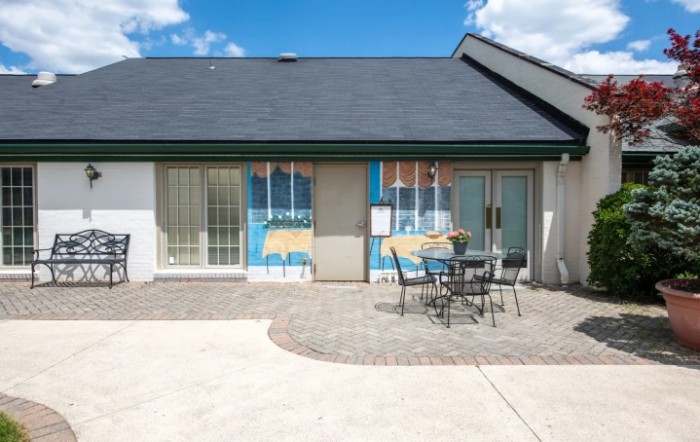
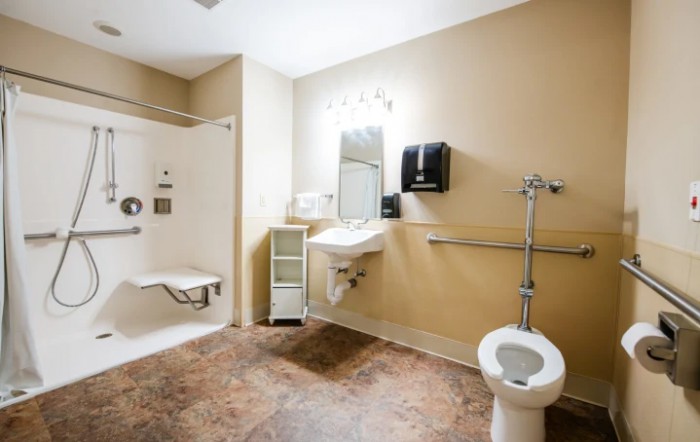
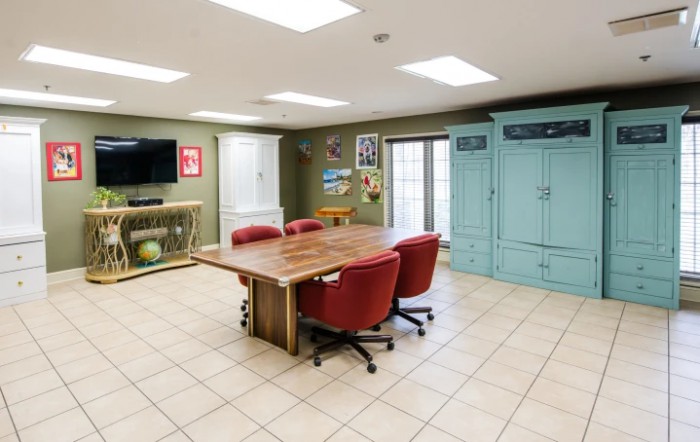
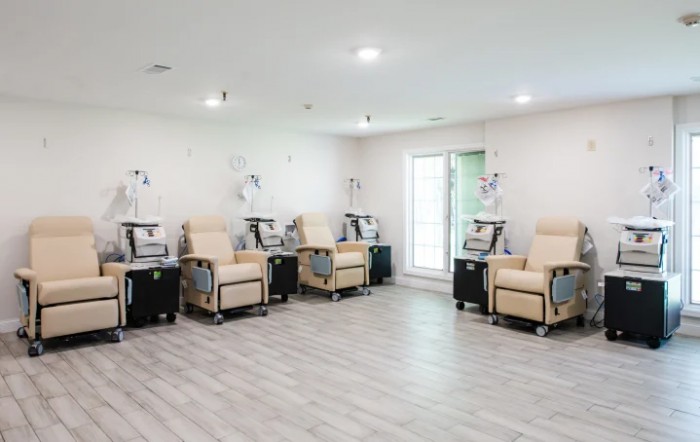
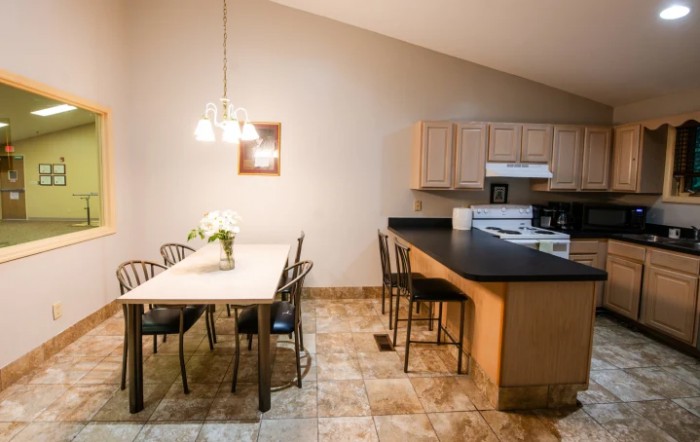
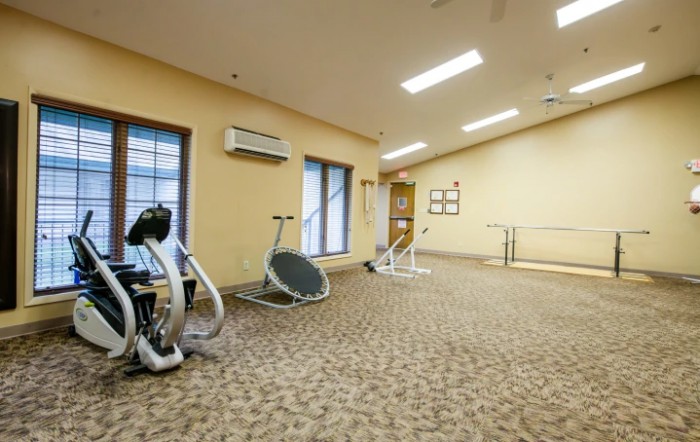
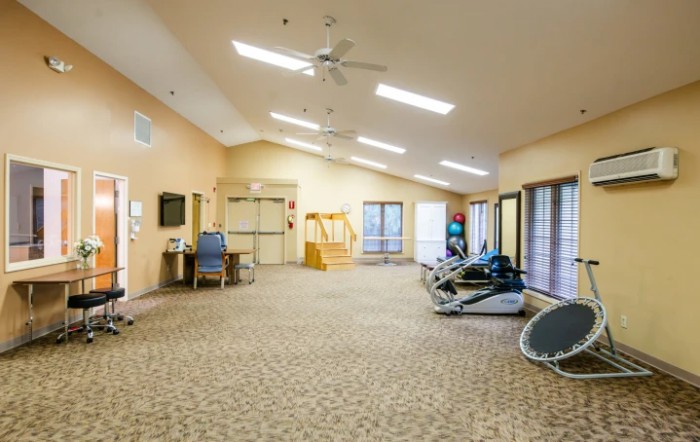
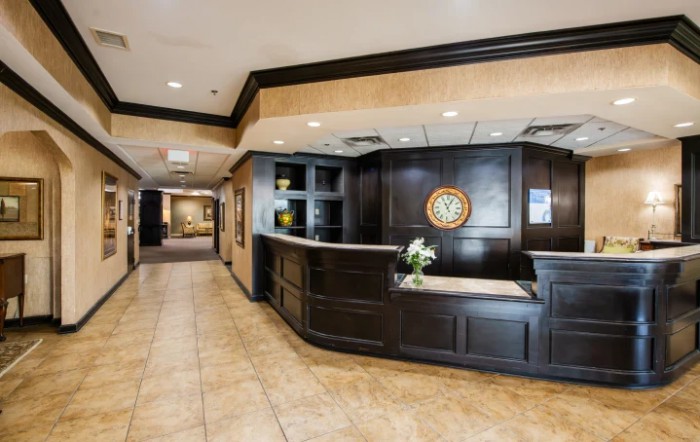
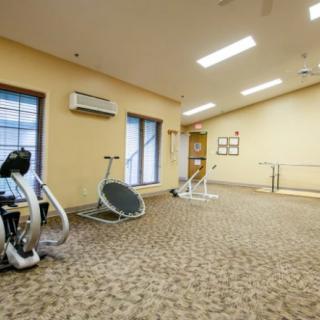
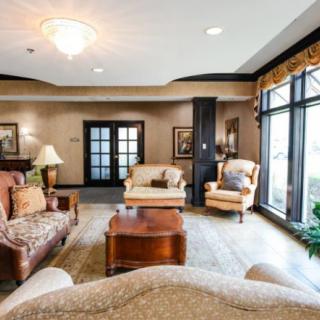
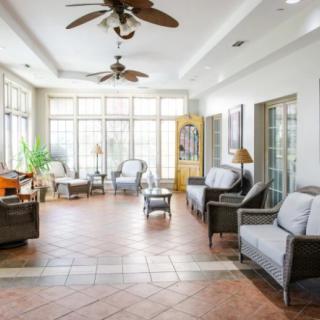
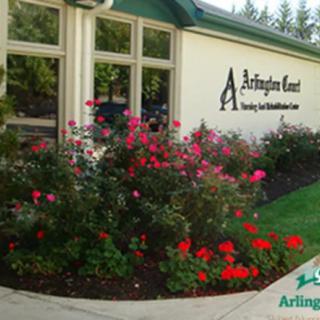
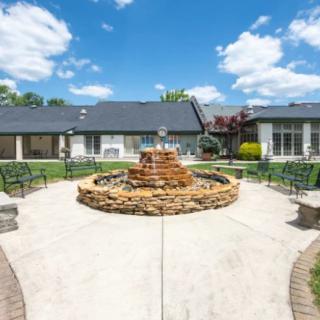
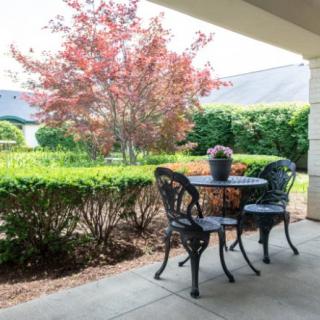
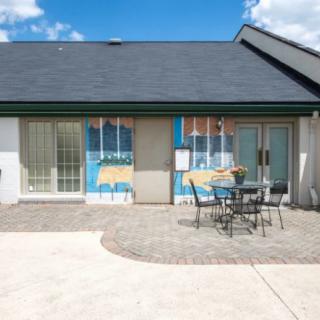
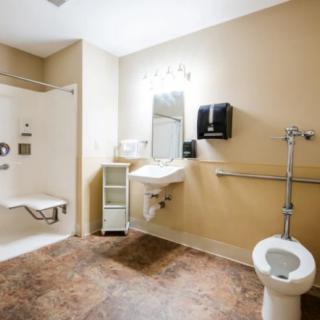
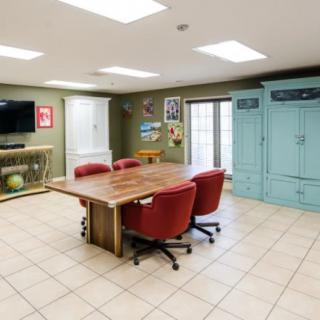
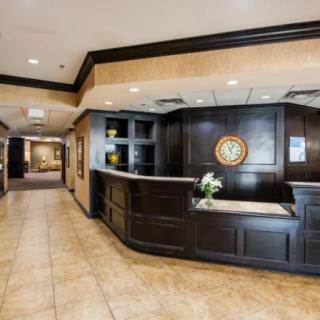
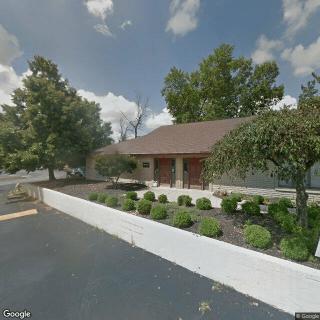
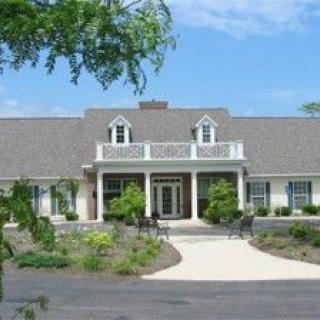
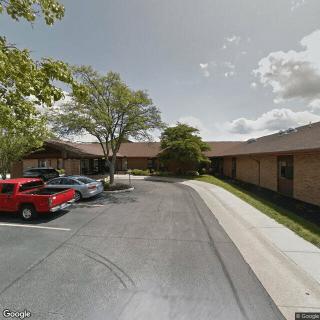
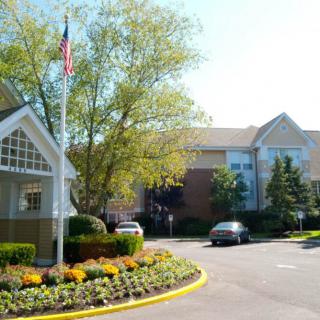
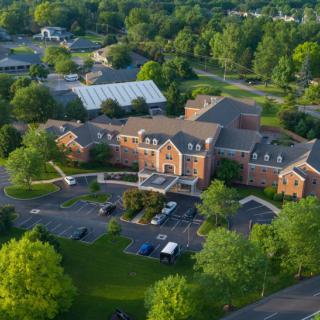
Arlington Court Nursing & Rehabilitation Center on seniors.fyi includes 20 photos including images showing interior, landscaping, living room, decor, bedroom, windows, patio, fountain, and more.
Nearby Communities
Arlington Court
Columbus, OH
3.5 from 107 reviews
On-site skilled nursing care with extensive nearby amenities.
AVIA Senior Living
Upper Arlington, OH
4 from 12 reviews
$2,350 to $3,500 / month
Spacious 1- and 2-bedroom apartments with a friendly, well-kept environment.
BrightStar Healthcare
Upper Arlington, OH
3.7 from 45 reviews
High-quality care in a nurturing setting with easy access to nearby healthcare and amenities.
Abbington of Arlington
Columbus, OH
4.6 from 68 reviews
$3,600 / month
Friendly, responsive staff in a clean, well-equipped, pet-friendly community with engaging activities.
Crown Pointe Care Center
Columbus, OH
4 from 51 reviews
$6,300 to $6,900 / month
Professional, caring staff with engaging activities and a clean, safe environment.
Forum At Knightsbridge
Columbus, OH
4.1 from 73 reviews
Specialized memory and diabetes care with inviting indoor spaces and nearby amenities.
The Forum at Knightsbridge
Columbus, OH
4.2 from 183 reviews
$3,100 to $4,000 / month
Caring staff in a safe, active community.
Harmony Trace
Hilliard, OH
4.5 from 20 reviews
$4,900 to $5,200 / month
Excellent tour experience with friendly, personalized care.
Brookdale Trillium Crossing
Columbus, OH
4.3 from 108 reviews
$2,380 to $4,235 / month
Clean facility with friendly staff and engaging activities.
The guide on blood pressure charts for older adults stresses the importance of understanding normal and high blood pressure readings influenced by age, genetics, and lifestyle, while emphasizing regular monitoring and lifestyle modifications to prevent serious health issues. It provides insights into blood pressure categories, dietary recommendations, medication considerations, and the role of caregivers in supporting healthy habits.
The article explores the complexities of using Social Security to finance long-term nursing home care in the U.S., detailing eligibility requirements and misconceptions, while emphasizing that these benefits often do not cover full costs and highlighting the need for strategic financial planning and professional guidance.
Pneumonia significantly affects older adults due to weakened immune systems and atypical symptoms that complicate diagnosis, necessitating early detection and tailored treatment. Risk factors include chronic diseases and cognitive impairments, with preventive measures like vaccinations and healthy lifestyles being crucial for reducing risk.
Arlington Court Nursing & Rehabilitation Center photos
×
Interior
Decor
Living Room
Building
Bedroom
Trees
Windows
Dining
Landscaping
Garden
Patio
Bathroom
Television
Lobby
Interior
Decor and Living Room
Bedroom
Dining
Landscaping
Windows
Building
Bathroom, Shower, Grab Bars, and Accessible
Trees
Kitchen, Lighting, Stove, and Oven
Garden
Artwork
Television, Conference Room, Table And Chairs, and Meeting Space
Chandelier
Seating Area
Outdoor and Fountain
Patio
Lobby, Office, and Reception Area
Exercise Equipment, Gym, and Fitness
Outdoor Seating and Potted Plant
Exterior
Natural Light
Healthcare
Painting
Piano and Art
Nursing Home
Treadmill
Workout Room
Get PricingAsk A QuestionSchedule A TourContact Senior Advisor
By clicking submit, you agree to our Partner's Terms of Use. You
also consent to receive calls and texts, which may be autodialed, from our Partner. Your consent is not a condition to
using our Partner's service. Please visit our Partner's Privacy Policy for information about their privacy practices.

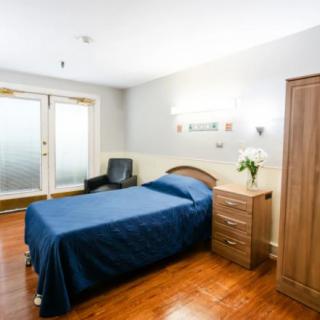
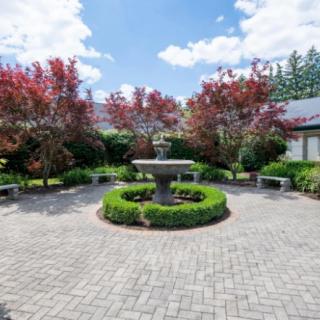
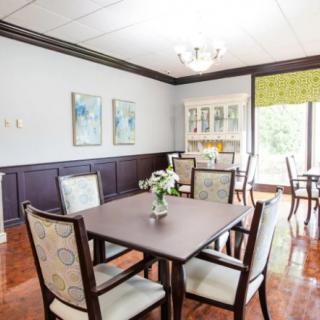
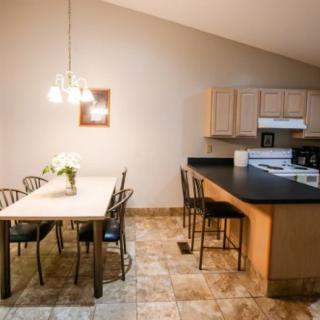
 120 resident community capacity
 Skilled Nursing Facility
 Air-conditioning
 Beauty salon
 Cable or satellite TV
 Computer center
 Dining room
 Fitness room
 Fully furnished
 Gaming room
 Garden
 Housekeeping services
 Kitchenette
 Move-in coordination
 Outdoor space
 Private bathrooms
 Restaurant-style dining
 Small library
 Telephone
 Wellness center
 Wi-Fi/high-speed internet available
 John Glenn Columbus International Airport (10 miles away)
 Community operated transportation
 12-16 hour nursing
 24-hour call system
 Activities of daily living assistance
 Assistance with bathing
 Assistance with dressing
 Assistance with transfers
 Diabetes diet
 Medication management
 Mental wellness program
 Special dietary restrictions
 Concierge services
 Planned day trips
 On-site skilled nursing care with extensive nearby amenities.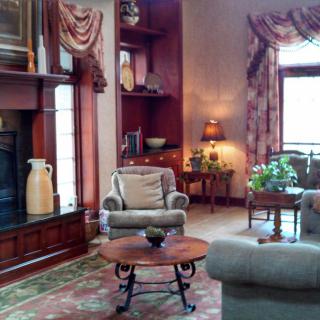

 Comprehensive Guide to Blood Pressure Charts for Older Adults: Understanding Normal and High Readings by Age
 Financing Long-Term Nursing Home Care Through Social Security: A Thorough Exploration
 Essential Knowledge on Pneumonia in Older Adults