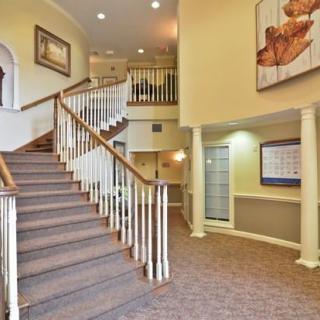
Select Specialty Hospital-Cleveland

11900 Fairhill Road, Cleveland, OH 44120

For more information about senior living options: (844) 490-3973

3.8 from 100 reviews
5 stars
63
4 stars
9
3 stars
1
2 stars
2
1 stars
25

Skilled Nursing Facility

Overall Review of Select Specialty Hospital-Cleveland

Pros

  • pro The facility is described as a very nice place where all staff treat patients like family and it is well maintained and clean.
  • pro The care team is described as wonderful, with nurses who are caring and supportive and therapists who collaborate to help patients wean from the ventilator.
  • pro Speech therapy is described as effective in helping regain vocal function and in evaluating swallowing to advance the diet.
  • pro An EMR accessible to patients and families is highlighted as an important feature.
  • pro Select Fairhill is praised as a top care and rehabilitation facility with compassionate and attentive nursing staff.
  • pro The staff are described as informative and very nice, delivering excellent care.
  • pro The food is described as excellent and plentiful with a lot of variety.
  • pro Select Medical is described as wonderful, with knowledgeable staff, quality of care, and cleanliness.

Cons

  • pro The facility is filthy and delivers horrible care from terrible staff.
  • pro Nurses routinely ignore call buttons, berate patients for asking for basic care, and leave them in agony.
  • pro Staff spend time on their phones while cleaning patients, showing a lack of hygiene and attention.
  • pro The administration appears more concerned with insurance coverage than with patient well-being.
  • pro Families report nurses are slow to respond to calls and rarely provide timely updates.
  • pro The hospital is accused of delaying necessary tests and treatments and failing to communicate effectively.
  • pro The environment is described as disrespectful and unsafe, with calls for the facility to be closed.

Review

The experiences people report about this facility are strikingly mixed, with some families praising the care they received and others warning that the place is unsafe and unsympathetic. On one end, several reviewers describe a clean, well-maintained environment where staff - particularly nurses, therapists, and support personnel - work as a cohesive team to address a wide range of medical and rehabilitative needs. They recount successful weaning from ventilators, effective wound care, smooth coordination among respiratory therapists, speech therapists, dietary services, and nursing staff, and even note the value of a patient- and family-accessible electronic medical record system that helps everyone stay informed about tests and progress. In these accounts, the care feels personalized, collaborative, and thorough, with dedicated professionals who go beyond the basics to help patients regain function and independence.

In sharp contrast, a large portion of the feedback is deeply negative, painting a picture of neglect, poor communication, and disrespect. Some reviewers describe filthy conditions and call bells being ignored for long stretches, leaving patients in discomfort or even in pain. They recount moments when staff allegedly berate patients for asking for basic assistance, spend more time on their phones than on direct patient care, or fail to respond promptly to urgent needs. The criticism sometimes extends to management, with accusations that administrative priorities focus more on insurance coverage than patient welfare, and that families are left feeling unheard or dismissed when attempting to obtain updates or clarify treatment plans. A number of comments specifically urge readers not to entrust their loved ones to this facility.

The conflicting impressions extend to the perceived quality of the staff themselves. Some reviews highlight individual caregivers who made a transformative difference, even in difficult medical situations. For example, certain nurses are celebrated for their compassion, attentiveness, and detailed involvement in care plans; one patient-derived nickname for a nurse who stood out is Kristen, described as knowledgeable, thorough, and a "God send" for a husband's recovery. Other comments single out specific teammates - Julie B. as exceptionally caring and personable, a speech therapist who helped improve swallowing and vocal function, and a nutritionist who provided helpful guidance, all contributing to a sense that a strong, supportive culture can exist within the same facility. Even among negative reports, there are mentions of clinicians who made meaningful differences in comfort, communication, and daily living activities.

Additionally, reviewers touch on the breadth of services and the atmosphere of the environment, with some praising the range of rehabilitative therapies and the involvement of multiple specialties. Several accounts highlight that patients benefited from coordinated care involving nurses, doctors, respiratory therapists, speech-language pathologists, and dietary staff, alongside dedicated case management and social work support. In several cases, patients describe clean rooms, comfortable accommodations, and a food program that was generous in both quantity and variety. The presence of an electronic medical record system accessible to patients and families is also cited as a positive feature, helping keep everyone aligned on goals, plans, and progress.

Yet the negative experiences frequently center on communication gaps and delays. A number of reviews recount long waits for pain medication and updates from nursing staff, with some family members feeling the team did not take timely action or provide adequate explanations. Instances cited include late responses to call bells, delays in tests or orders, and confrontations around updates or decisions. There are even stories of patients being transferred or referred for further care only after concerns were raised repeatedly, which reinforces the perception that some staff may be overwhelmed or inadequately staffed at critical times. The emotional toll on families - watching a loved one suffer or feel ignored - permeates many of these accounts.

Within this spectrum of experiences, a few reviews concentrate on particular facilities or programs within the broader system, noting that experiences may vary by location, unit, or staff on duty. For example, several volunteers and patients describe Select Medical's broader team as generally capable and compassionate, with praise directed toward leaders, case managers, and therapy teams who appear to function as a well-coordinated unit. There are also recurring commendations of staff members who go above and beyond, offering not only medical care but emotional support, practical guidance, and a sense of reassurance during difficult times. These stories emphasize that, when the right people are present and when communication works smoothly, patients can receive comprehensive, multidisciplinary care that supports recovery and dignity.

Overall, the narratives underline a fundamental truth: patient experiences in this facility are highly variable. Some patients and families report outcomes that feel life-changing in the best possible sense, with excellent clinical care, compassionate staff, and a clean, well-organized environment. Others describe a different reality - one where care feels reactive rather than proactive, where communication gaps create confusion and frustration, and where patients' basic comfort and timely access to relief are not consistently met. The range of experiences suggests that outcomes may hinge on factors such as staffing levels, team cohesion on a given shift, and the specific departments involved in a patient's care.

If you are considering care for a loved one, the reviews collectively advocate for careful, personalized due diligence. Visits and conversations with potential care teams, direct questions about response times, pain management, and transparency of information, and a candid assessment of a facility's cleanliness and safety practices could help families determine whether this environment aligns with their expectations and needs. The most hopeful takeaway is that, within this facility, there are truly talented, caring professionals capable of delivering outstanding rehabilitative and medical care, and that a patient's experience may greatly depend on the particular caregivers and the level of support surrounding them during their stay.

Features

Housing

  • 40 resident community capacity 40 resident community capacity

Types of Care

  • Skilled Nursing Facility Skilled Nursing FacilitySkilled Nursing Facilities are crucial for seniors as they provide round-the-clock medical care, rehabilitation services, and assistance with daily activities. These facilities ensure that seniors receive the specialized care they need to maintain their health and well-being as they age.

Amenities

  • Beauty salon Beauty salonBeauty salons are important for seniors because they provide a space for them to feel pampered, socialize, and maintain their personal grooming and hygiene. Regular visits to a beauty salon can help boost seniors' self-esteem and overall well-being.
  • Cable or satellite TV Cable or satellite TVCable or satellite TV is important for seniors because it provides entertainment, news, and companionship, helping to combat loneliness and boredom. It also offers a wide range of programming options tailored to different interests and preferences.
  • Dining room Dining roomDining rooms are important for seniors as they provide a space for socialization, connection, and nutritious meals. They offer opportunities for residents to bond over shared meals, foster a sense of community, and promote healthy eating habits. Dining rooms also ensure that seniors have access to well-balanced meals tailored to their dietary needs and preferences.
  • Fully furnished Fully furnishedFully furnished senior living communities are important for seniors because they provide convenience, comfort, and a hassle-free moving experience. Seniors can easily settle into their new living space without the stress of having to buy and move furniture. This allows them to focus on enjoying their new home and community.
  • Garden GardenGardens are important for seniors as they provide a peaceful and therapeutic environment for relaxation, physical activity, and socialization. Being in nature has been shown to reduce stress, improve mood, and promote overall well-being. Gardens also offer opportunities for seniors to engage in gardening activities, which can improve mobility, flexibility, and cognitive function. Additionally, gardens create a sense of community and connection with others who share a passion for plants and outdoor spaces.
  • Housekeeping services Housekeeping servicesHousekeeping services are important for seniors because they help maintain a clean and safe living environment, promote independence, and reduce the risk of accidents or illnesses. Additionally, having assistance with household chores can alleviate physical strain and allow seniors to focus on other aspects of their well-being.
  • Kitchenette KitchenetteKitchenettes are important for seniors living in senior living communities because they provide the convenience and independence of being able to prepare simple meals and snacks in the comfort of their own living space. This can help promote a sense of autonomy and well-being for seniors, allowing them to maintain some level of control over their dietary choices and daily routines.
  • Move-in coordination Move-in coordinationMove-in coordination is important for seniors because it helps ease the transition into their new living environment. It ensures that all logistics, such as packing, organizing movers, and setting up utilities are taken care of, allowing seniors to focus on settling in and adjusting to their new home. Having a smooth move-in process can alleviate stress and anxiety, making the transition smoother and more enjoyable for seniors.
  • Outdoor space Outdoor spaceOutdoor spaces are important for seniors as they provide opportunities for physical activity, social interaction, exposure to natural light and fresh air, and a sense of connection to nature. Having access to outdoor spaces can improve overall well-being and quality of life for older adults living in senior communities.
  • Restaurant-style dining Restaurant-style diningRestaurant-style dining is important for seniors because it allows them to enjoy delicious, nutritious meals in a social and upscale setting. This enhances their dining experience, promotes healthy eating habits, and fosters socialization with fellow residents, ultimately contributing to their overall well-being and quality of life.
  • Small library Small librarySmall libraries are important for seniors as they provide access to a variety of reading materials, including books, newspapers, and magazines. This can help stimulate their minds, keep them engaged, and provide a sense of community through book clubs and other social activities. Additionally, reading has been shown to improve cognitive function and overall mental well-being in older adults.
  • Telephone TelephoneTelephones are important for seniors as they provide a lifeline for communication with loved ones, emergency services, and healthcare providers. They offer a sense of security and independence, enabling seniors to stay connected and access assistance when needed.
  • Wi-Fi/high-speed internet available Wi-Fi/high-speed internet availableWi-Fi/high-speed internet is important for seniors to stay connected with loved ones, access online resources, and participate in virtual activities to combat feelings of loneliness and isolation. It also allows them to easily manage healthcare needs, access entertainment, and engage in lifelong learning opportunities.

Transportation

  • Cleveland-Hopkins International (14 miles away) Cleveland-Hopkins International (14 miles away)

Care Services

  • 24-hour call system 24-hour call system24-hour call systems are important for seniors because they provide peace of mind and immediate assistance in case of emergencies. This technology ensures that help is always available, promoting safety and security for elderly individuals living alone or in assisted living facilities.
  • 24-hour supervision 24-hour supervision24-hour supervision is important for seniors to ensure their safety, well-being, and access to immediate assistance in case of emergencies or health issues. This constant support provides peace of mind for both seniors and their loved ones, allowing them to age in place with dignity and security.
  • Activities of daily living assistance Activities of daily living assistanceActivities of daily living assistance are important for seniors because they provide essential support with tasks such as eating, bathing, dressing, and mobility. This assistance helps seniors maintain their independence, dignity, and overall quality of life as they age.
  • Assistance with bathing Assistance with bathingAssistance with bathing is crucial for seniors as it helps maintain personal hygiene, prevents infections, and ensures their overall well-being and comfort. It also provides a sense of dignity and independence for seniors who may struggle with this task on their own.
  • Assistance with dressing Assistance with dressingAssistance with dressing is important for seniors because it helps maintain their independence, promotes personal hygiene, prevents accidents and injuries, and improves overall quality of life. This service ensures that seniors can continue to dress comfortably and confidently, despite any physical limitations they may have.
  • Assistance with transfers Assistance with transfersAssistance with transfers is crucial for seniors as it helps prevent falls and injuries, maintains their independence, and ensures they can safely navigate their living environment. It also provides peace of mind for both seniors and their loved ones.
  • Diabetes diet Diabetes dietA diabetes diet is crucial for seniors as it helps manage blood sugar levels, reduce risks of complications, and improve overall health and well-being. By following a balanced and nutritious diet tailored to their specific needs, seniors can better control their diabetes and enhance their quality of life.
  • Meal preparation and service Meal preparation and serviceMeal preparation and service are crucial for seniors as they may have limited mobility or energy to cook nutritious meals. Having access to healthy and convenient food options can ensure they are getting the proper nutrition needed to maintain their overall health and well-being.
  • Medication management Medication managementMedication management is crucial for seniors to ensure they are taking the right medications at the correct dosages and times. This helps prevent adverse drug interactions, reduces the risk of medication errors, and promotes overall health and well-being. Proactive management also allows for adjustments as needed based on changing health conditions or new prescriptions.
  • Mental wellness program Mental wellness programMental wellness programs are essential for seniors as they promote cognitive stimulation, emotional support, and social engagement. These programs help prevent isolation, depression, and cognitive decline, ultimately enhancing the overall quality of life for older adults.
  • Special dietary restrictions Special dietary restrictionsSpecial dietary restrictions are important for seniors because age-related changes in metabolism and health conditions can make it difficult for their bodies to process certain foods. By following a diet tailored to their specific needs, seniors can maintain their overall health and well-being, manage chronic conditions, and reduce the risk of complications such as malnutrition or food interactions with medications.

Dining

  • Diabetes diet Diabetes dietA diabetes diet is crucial for seniors as it helps manage blood sugar levels, reduce risks of complications, and improve overall health and well-being. By following a balanced and nutritious diet tailored to their specific needs, seniors can better control their diabetes and enhance their quality of life.
  • Special dietary restrictions Special dietary restrictionsSpecial dietary restrictions are important for seniors because age-related changes in metabolism and health conditions can make it difficult for their bodies to process certain foods. By following a diet tailored to their specific needs, seniors can maintain their overall health and well-being, manage chronic conditions, and reduce the risk of complications such as malnutrition or food interactions with medications.

Activities

  • Community-sponsored activities Community-sponsored activitiesCommunity-sponsored activities are important for seniors as they provide opportunities for social interaction, mental stimulation, and physical activity. These activities can help improve overall well-being, combat loneliness and isolation, and promote a sense of belonging and purpose among older adults.
  • Resident-run activities Resident-run activitiesResident-run activities are important for seniors as they encourage social interaction, creativity, and a sense of autonomy. These activities empower seniors to stay engaged and active in their community while fostering meaningful connections with their peers.
  • Scheduled daily activities Scheduled daily activitiesScheduled daily activities are important for seniors because they provide structure, socialization, mental stimulation, and physical activity. Engaging in regular activities can improve overall well-being and quality of life for seniors living in a community setting.

Description

The Select Specialty Hospital-Cleveland in Cleveland, OH is an assisted living community that offers a wide range of amenities and care services to ensure the comfort and well-being of its residents. The community provides a fully furnished and well-maintained environment for its residents, with amenities such as cable or satellite TV, Wi-Fi/high-speed internet, and housekeeping services.

The dining options at Select Specialty Hospital-Cleveland are exceptional, with a restaurant-style dining room where residents can enjoy delicious meals prepared by the staff. Special dietary restrictions can also be accommodated to meet the specific needs of each resident.

The community offers various activities to keep residents engaged and entertained. Resident-run activities and scheduled daily activities are available for individuals to participate in and socialize with others. A small library is provided for those who enjoy reading, while outdoor spaces such as a garden offer opportunities for relaxation and enjoyment of nature.

Care services at Select Specialty Hospital-Cleveland include 24-hour supervision to ensure the safety of residents, assistance with activities of daily living such as bathing and dressing, as well as assistance with transfers. The staff also provides medication management and follows a diabetes diet for those who require it. A mental wellness program is offered to support the emotional well-being of residents.

Select Specialty Hospital-Cleveland is conveniently located near various amenities in the surrounding area. With three cafes, two parks, 21 pharmacies, seven physicians, 18 restaurants nearby, there are plenty of options for dining out or engaging in recreational activities. Transportation options are also available nearby for easy access to other destinations.

Overall, Select Specialty Hospital-Cleveland is an assisted living community that prioritizes the comfort, care, and happiness of its residents. With its comprehensive amenities, fulfilling activities, and convenient location near essential services in Cleveland, OH, it offers a welcoming and supportive environment for older adults seeking assisted living services.

Nearby Places of Interest

Restaurants

  • Academy Tavern (0.3 miles)
  • bd's Mongolian Grill (1.6 miles)
  • Burger King (1.8 miles)
  • New Heights Grill (1.8 miles)
  • Boss Dog Brewing Co. (1.9 miles)
  • McDonald's (1.9 miles)
  • McDonald's (2.5 miles)

Pharmacies

  • CVS Pharmacy (0.6 miles)
  • Rite Aid (1.5 miles)
  • Marc's Stores (1.7 miles)
  • CVS Pharmacy (1.8 miles)
  • CVS Pharmacy (2 miles)
  • Walgreens (2.2 miles)
  • Cleveland Clinic - Stephanie Tubbs Jones Health Center (2.6 miles)

Hospitals

  • Cleveland Clinic Children's Hospital Rehabilitation Center (0.7 miles)
  • Cleveland Clinic - W.O. Walker Center (1.2 miles)
  • Louis Stokes Cleveland VA Medical Center (1.8 miles)
  • St Vincent Charity Medical Center (3.9 miles)
  • Trauma ICU (5.5 miles)
  • Cleveland Clinic - Lutheran Hospital (5.6 miles)
  • University Hospitals Ahuja Medical Center (5.9 miles)

Physicians

  • Cleveland Clinic - Taussig Cancer Center (1.2 miles)
  • Cleveland Clinic - Cole Eye Institute (1.3 miles)
  • Cleveland Clinic R Building - Cleveland Clinic Children's Outpatient Center (1.6 miles)
  • Cleveland Clinic - Mellen Center (1.7 miles)
  • Cleveland Clinic Severance Medical Arts (3.2 miles)
  • Senders Pediatrics (4.2 miles)
  • University Suburban Health Center (4.5 miles)

Parks

  • Coventry PEACE Park (1.6 miles)
  • Willard Park (5 miles)
  • The Cleveland Mall (5 miles)
  • Voinovich Bicentennial Park (5.3 miles)
  • Anderson Field (5.8 miles)
  • Wendy Moore Memorial Park (6.1 miles)
  • Desan Park (6.2 miles)

Cafes

  • Starbucks (3.2 miles)
  • Starbucks (4.4 miles)
  • Starbucks (4.5 miles)
  • Starbucks (5.2 miles)
  • Starbucks (5.2 miles)
  • Lekko Coffee (5.7 miles)
  • Rising Star Coffee Roasters (5.8 miles)

Transportation

  • Greyhound Station (4.4 miles)
  • Cleveland Burke Lakefront Airport (5 miles)

Places of Worship

  • South Euclid United Church of Christ (4.8 miles)
  • St. Rocco's Church (5.8 miles)
  • Messiah Luth Church of Lyndhurst (5.8 miles)

Frequently Asked Questions

Where is Select Specialty Hospital-Cleveland?

Nearby Communities

Related Resources

  • tax implications of parent living with youNavigating the Tax Landscape of Caregiving: Credits, Deductions, and Beyond

    Caregiving for an aging parent entails emotional and financial responsibilities accompanied by significant tax implications, including potential benefits from claiming them as dependents and deductions for medical expenses and caregiving costs. Caregivers must understand eligibility requirements, maintain thorough documentation, and consider consulting a tax professional to navigate these complexities effectively.

  • low impact exercises for seniorsHighly Beneficial Low-Impact Exercises for Senior Living Residents

    Low-impact exercises are vital for seniors as they promote health, independence, and social interaction while reducing joint strain. These adaptable activities, guided by healthcare professionals, enhance strength, flexibility, and emotional well-being.

  • is home health care tax deductibleIs In-Home Healthcare Tax Deductible? Your Comprehensive Guide

    The guide details the tax deductibility of in-home healthcare expenses according to IRS guidelines, differentiating between medically necessary services and non-medical assistance, while emphasizing the need for proper documentation and itemization requirements. It also highlights state-level variations, the importance of record-keeping, and encourages seeking professional tax help to understand evolving regulations.