
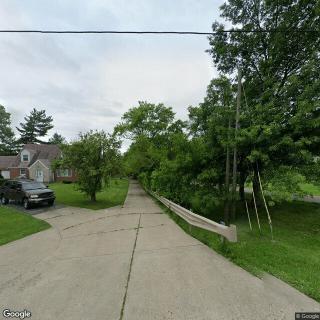
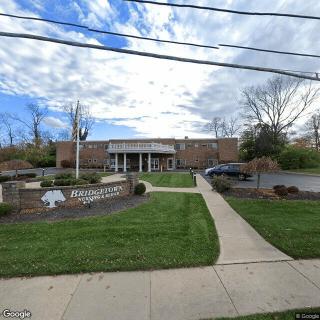
7800 Jandaracres Drive, Cincinnati, OH 45248
For more information about senior living options: (866) 208-4318
Overall Review of Premier Estates Of Three Rivers
Pros
 Premier Estates of Three River is very good to residents.
- They helped a resident's wife obtain Medicaid approval.
- The rooms are semi-private or private and fairly large.
- Each room has an individual shower.
- They offer a memory care unit as well as a three-bed unit.
Review
Premier Estates Of Three Rivers in Cincinnati is best suited for seniors who qualify for Medicaid and want a practical path to affordable care without sacrificing dignity, privacy, or room size. The community presents a tangible bundle: generously proportioned rooms that can be semi-private or private, each with its own shower, and a landscape that supports both memory care and flexible living arrangements. The availability of a memory care unit on site signals that cognitive needs can be addressed without multiple moves, which is a meaningful stability factor for families. The inclusion of a three-bed unit adds a distinct option for couples or multiple adults who want to cohabit in a single residence, a feature that can ease financial pressure while preserving familiar routines. In short, Premier Estates Of Three Rivers is a pragmatic choice for those prioritizing Medicaid navigation, privacy within shared settings, and on-campus dementia support.
Those considering alternatives should note that this community may not be the best fit for every situation. Families seeking a broad spectrum of care levels beyond assisted living, or those prioritizing a wide array of high-end amenities, may find other campuses more aligned with expectations. If the guiding criterion centers on non-Medicaid funding, or if a transparent, fixed-cost pricing model is essential, other operators with clearer price structures could be preferable. Additionally, families who want aggressive programming calendars, extensive social opportunities, or highly specialized medical supervision may wish to compare offerings elsewhere to ensure the level of activity and clinical oversight matches their standards.
The strongest pros here, Medicaid-assisted planning, large rooms, in-unit showers, and a dedicated memory care track, form a coherent value proposition. Medicaid support directly addresses the cost barrier that many families encounter, making long-term residence viable rather than speculative. The large rooms, whether semi-private or private, reduce the squeeze often felt in shared spaces and accommodate personal belongings, small-scale furniture, and familiar setups. Private showers contribute to daily independence and dignity for residents who value self-care. The on-site memory care unit is a critical advantage for families facing cognitive challenges, as it minimizes transitions and keeps residents within a familiar campus milieu. The three-bed option stands out as a practical bridge for couples who wish to remain together and share living expenses, lowering the financial and emotional cost of care.
Yet the evaluation must acknowledge potential limitations. The available data come from a single positive review, which cannot fully reveal the resident experience, staffing quality, safety measures, or day-to-day programming. Details about staff-to-resident ratios, nurse availability, medication assistance, and emergency response protocols are not disclosed in the current snapshot. Cost clarity, including what Medicaid covers and any out-of-pocket obligations, remains unspecified. For families, these gaps mean that while the concept is appealing, due diligence is essential: tours, direct conversations with admissions, and a thorough review of sample care plans and menus should precede any commitment. The three-bed unit, while attractive, may also come with constraints on availability or scheduling that require verification.
To move decisively, families should begin with a clear Medicaid qualification assessment and a candid الحساب of long-term needs. Prospective residents should request a comprehensive tour that focuses on safety features, dining options, activity calendars, and dementia-specific programming. Ask for current staff ratios, training credentials, and the cadence of care planning meetings. Request the exact terms of the three-bed unit, including occupancy limits, pricing, and any roommate matching policies. Finally, compare Premier Estates Of Three Rivers against nearby facilities that offer similar Medicaid pathways and memory care supports to ensure the chosen option aligns with expectations for personalized attention, social engagement, and long-term stability.
In sum, Premier Estates Of Three Rivers stands out as a practical, financially astute option for Medicaid-eligible seniors who value privacy, on-site memory care, and flexible living arrangements. The combination of large rooms, private showers, and a three-bed option creates a compelling package for couples or multi-adult households seeking continuity of residence in a familiar setting. However, the decision should be tempered by the limited public information and the absence of broader experiential data. A careful, comparative shopping process is essential to confirm that the care level, programming, and pricing meet the family’s standards and the resident’s evolving needs. For families prepared to navigate Medicaid with purpose and who prioritize on-campus dementia care, Premier Estates Of Three Rivers warrants serious consideration.
 100 resident community capacity
 Skilled Nursing Facility
 Air-conditioning
 Beauty salon
 Cable or satellite TV
 Computer center
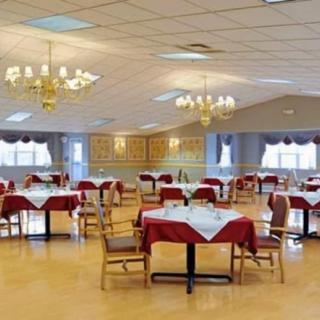
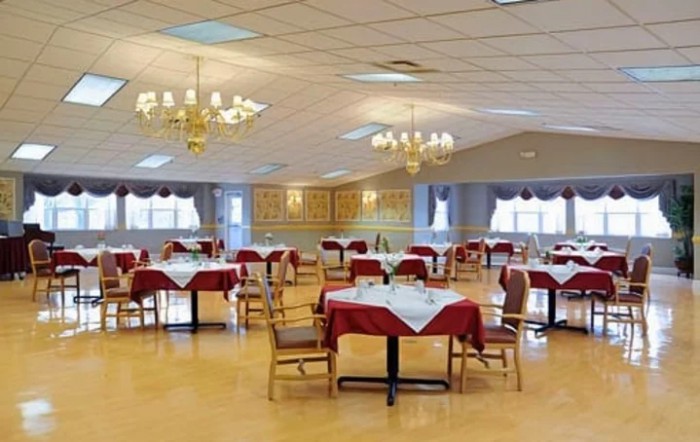
 Dining room
 Fitness room
 Fully furnished
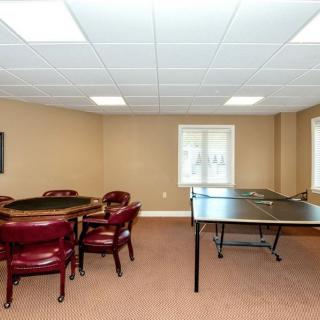
 Gaming room
 Garden
 Housekeeping services
 Kitchenette
 Move-in coordination
 Outdoor space
 Private bathrooms
 Restaurant-style dining
 Small library
 Telephone
 Wellness center
 Wi-Fi/high-speed internet available
 Cincinnati Northern Kentucky International (9 miles away)
 Community operated transportation
 12-16 hour nursing
 24-hour call system
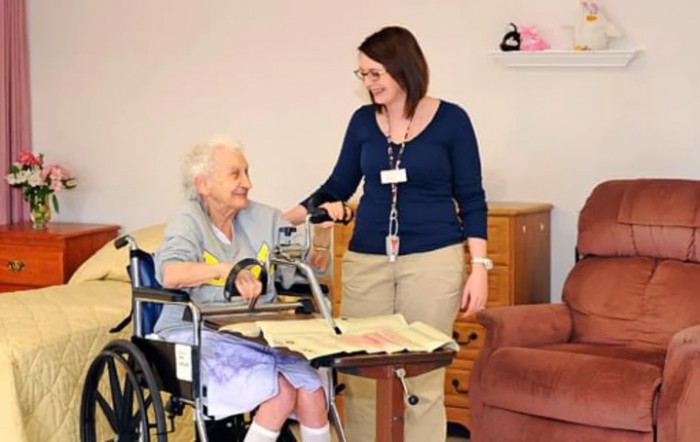
 Activities of daily living assistance
 Assistance with bathing
 Assistance with dressing
 Assistance with transfers
 Diabetes diet
 Medication management
 Mental wellness program
 Special dietary restrictions
 Concierge services
 Planned day trips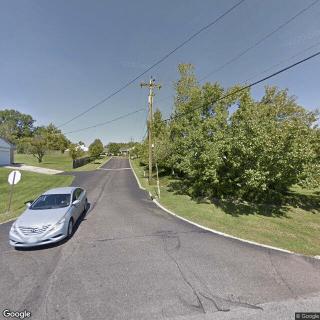
 Ten Vital Duties of a Senior Caregiver: A Comprehensive Guide
 9 Stimulating Memory Activities for Seniors: Puzzles, Cards, and Much More
 Managing Nursing Home Expenses After Medicare Coverage Ends