The Wellington At North Bend Crossing Costs & Pricing
The Wellington At North Bend Crossing offers a range of living options at competitive rates compared to both Hamilton County and the broader Ohio market. For a one-bedroom unit, residents can expect to pay $2,395 per month, which is significantly lower than the county average of $4,174 and the state average of $3,712. In terms of two-bedroom accommodations, the cost is $3,900 - slightly above Hamilton County's average of $4,030 but notably more favorable when contrasted with Ohio's statewide average of $3,501. For those seeking a studio apartment, The Wellington's rate stands at $5,585; while this is higher than both local and state averages ($4,327 in Hamilton County and $3,727 statewide), it reflects the premium amenities and services provided by the community. Overall, The Wellington At North Bend Crossing presents an appealing value proposition for prospective residents looking to balance cost with quality living.
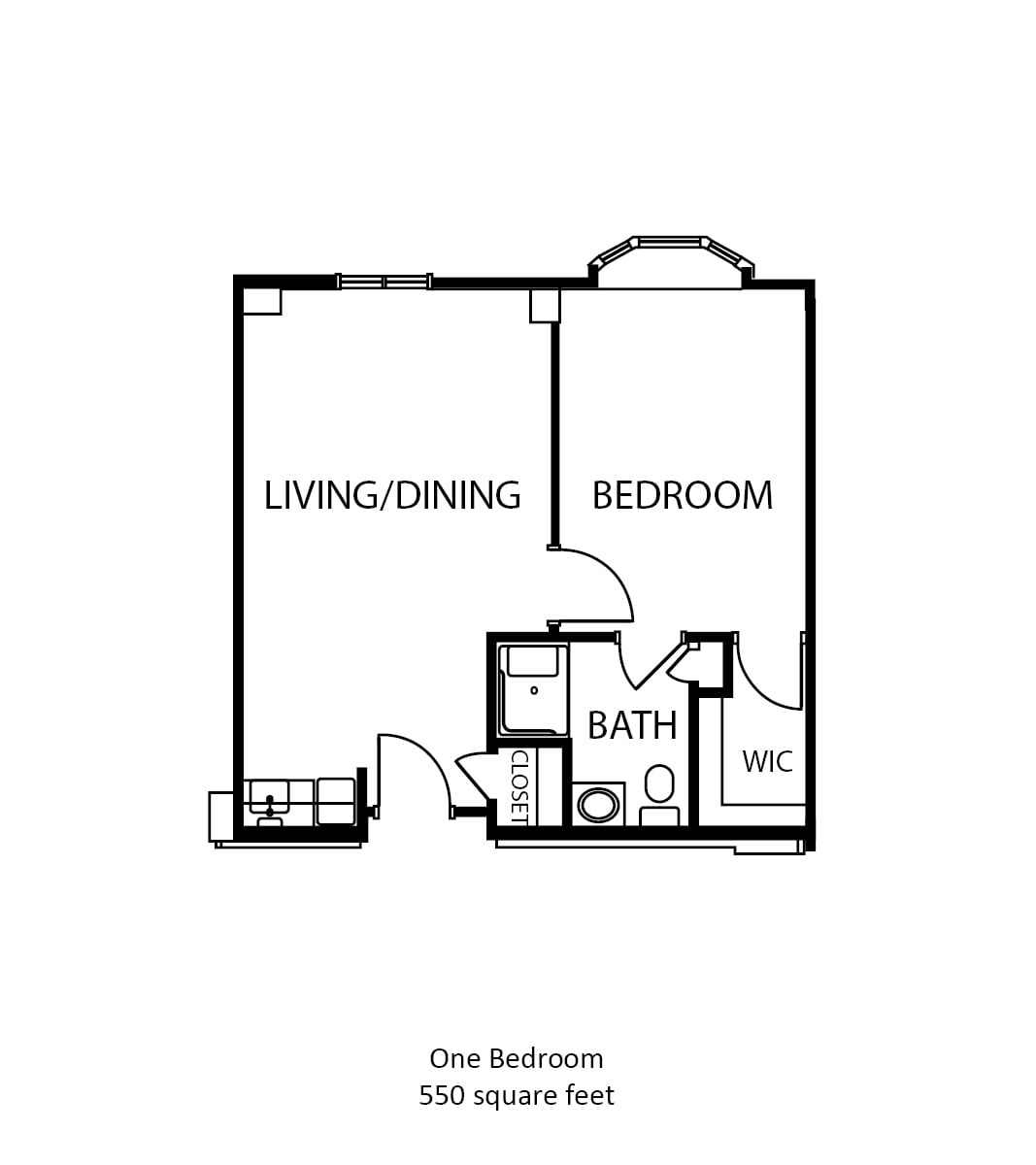
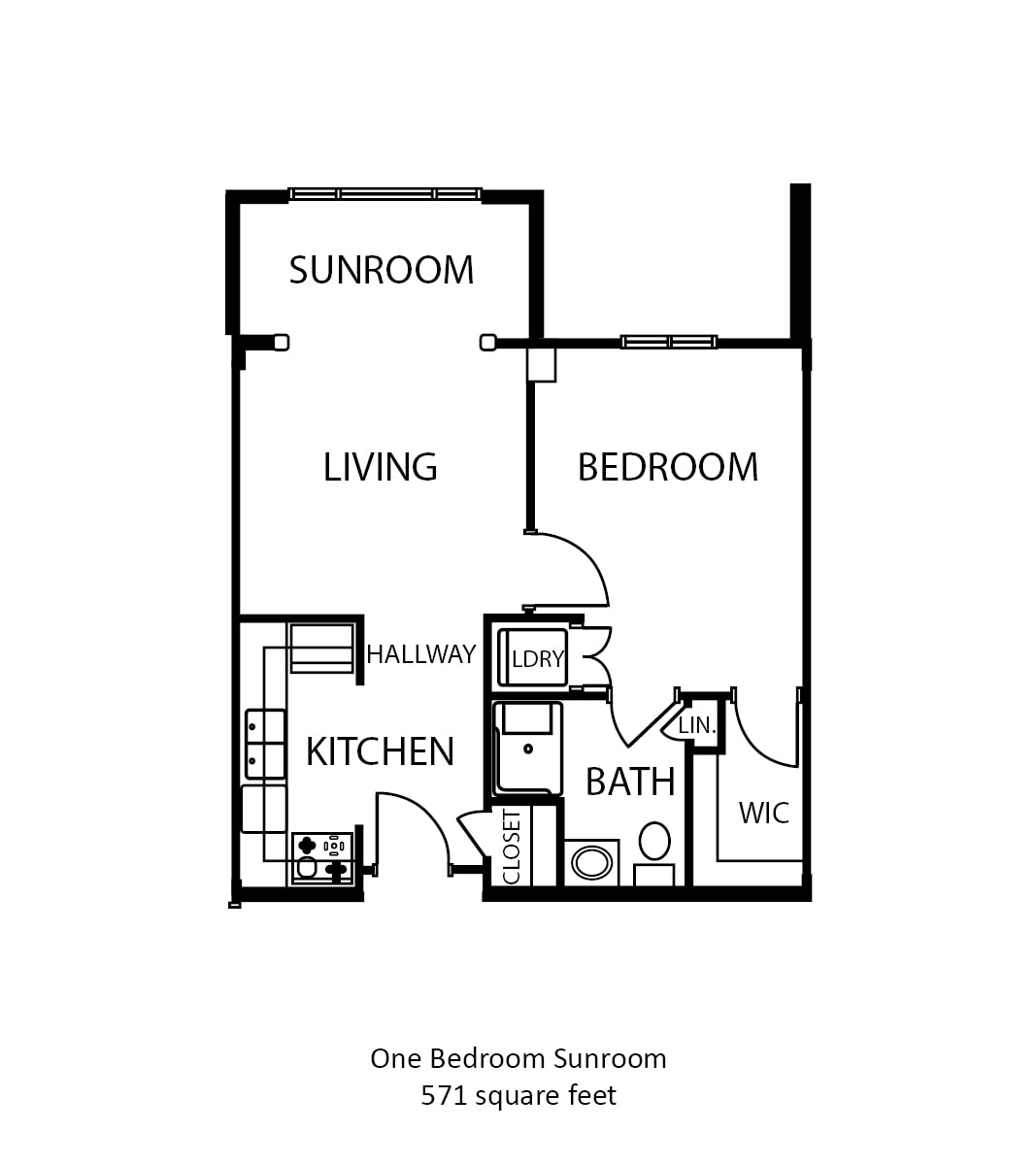
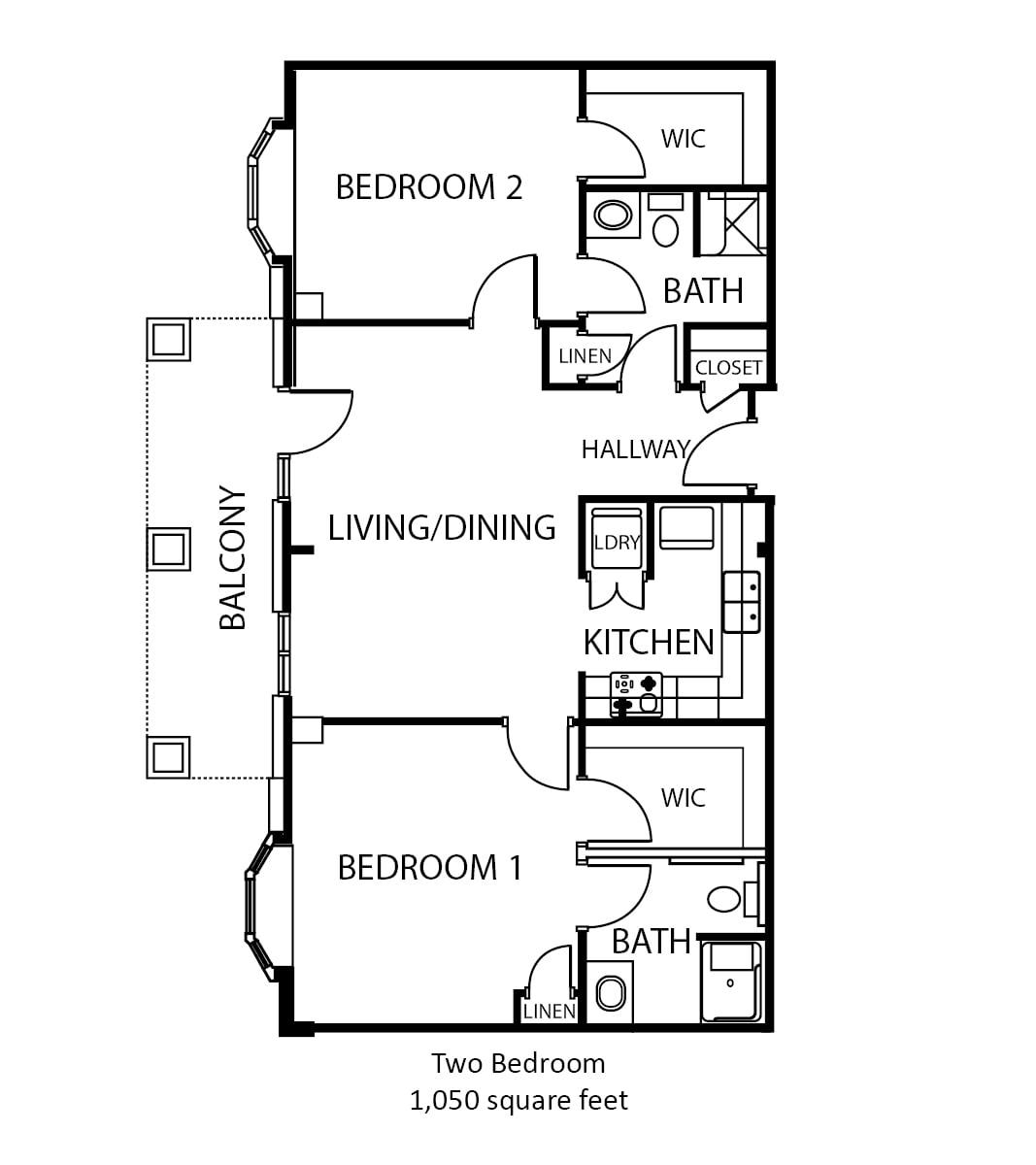
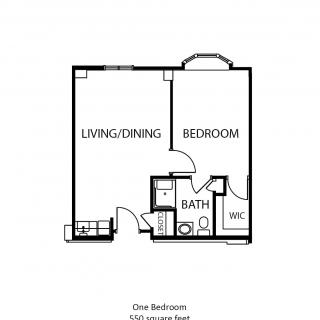
Floor plans
The Wellington At North Bend Crossing
Hamilton County
Ohio
1 Bedroom
$2,395
$4,174
$3,712
2 Bedrooms
$3,900
$4,030
$3,501
Studio
$5,585
$4,327
$3,727
Memory care communities with a similar price nearby
Overall Review of The Wellington At North Bend Crossing
caveat4 reviews mention this
Cleaning and upkeep have mixed reports
Some families report serious cleaning and pest issues alongside missed upkeep.
A small number of reviews describe cleanliness failures that go beyond normal wear—bedbugs and repeated issues, dirty conditions, and linens not being changed for weeks. Other comments also mention gaps in housekeeping, including a complaint that cleaning service wasn’t provided even though it was paid for. Even when the overall appearance is described as well kept in other reviews, these negative cleanliness experiences show up consistently enough to be a key consideration for families.
caveat4 reviews mention this
Staffing and response times are a concern
Several residents and families describe staffing shortages and slow help when care is needed.
Some reviews criticize staffing levels and wait times for assistance, describing long delays and feeling that urgent requests weren’t met promptly. Others specifically mention medication-related concerns and long call-light response windows. There are also positive caregiving comments elsewhere, but these complaints about responsiveness and staffing consistency are recurring enough to stand out.
caveat4 reviews mention this
Memory care safety and condition worries
Memory care reviews include concerns about safety, room condition, and engagement.
In memory care-related feedback, some families report serious safety problems, including incidents involving getting outside and subsequent injury. Others describe rooms that felt unpleasant or not well maintained, and a layout that can feel confining or dark for residents who need space to move. A separate concern mentions uneven support and communication around care routines, which can directly affect daily engagement and readiness for outings.
common4 reviews mention this
Activities and social life draw praise
Residents are described as staying engaged with regular activities and group events.
Several reviews highlight that there are meaningful things scheduled during the day, including fitness classes and recurring community happenings. Others specifically mention the activities center as a standout feature and describe families seeing residents participate and interact. While a few comments point to limited activity availability at times, the overall review pattern credits the community for keeping people involved.
caveat2 reviews mention this
Dining experience ranges from excellent to uneven
Dining is sometimes praised as restaurant-quality, but there are also negative notes.
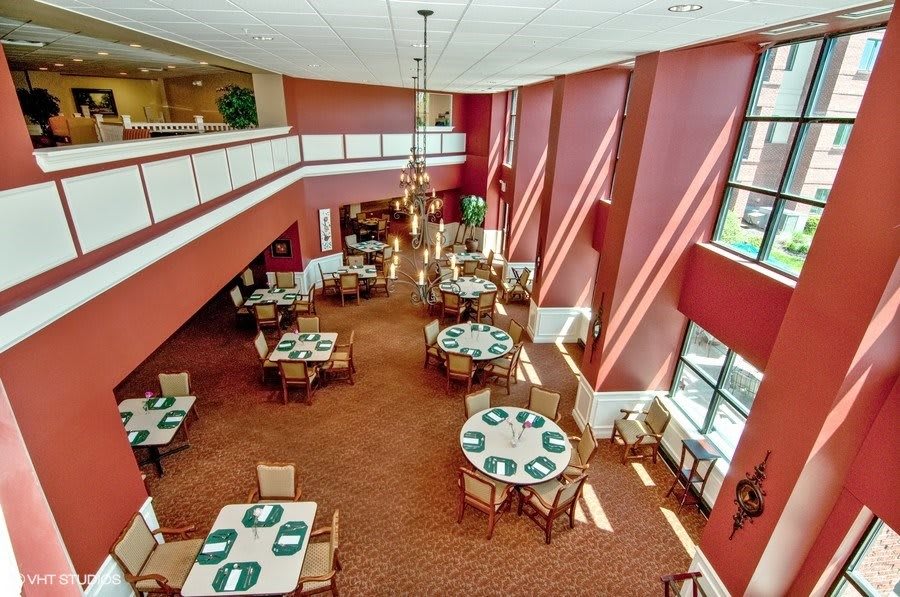
Some residents and visitors describe meals as restaurant-quality, including dining spaces that feel more like an intimate restaurant setting than a cafeteria. Other feedback is less consistent, including complaints about meal quality and how many meals are provided. That mix suggests dining may depend on timing, expectations, and the specific situation of the resident.
How we summarize
Counts show how many written reviews mention each theme; a review can touch several themes, and only frequently mentioned themes are displayed.
Features
Housing
146 resident community capacity
Types of Care
Assisted Living
Independent Living
Memory Care
Pets
Cats allowed
Dogs allowed
Amenities
Activities off-site
Activities on-site
Air-conditioning
Beautician on-site
Beauty salon
Cable or satellite TV
Computer center
Devotional services on-site
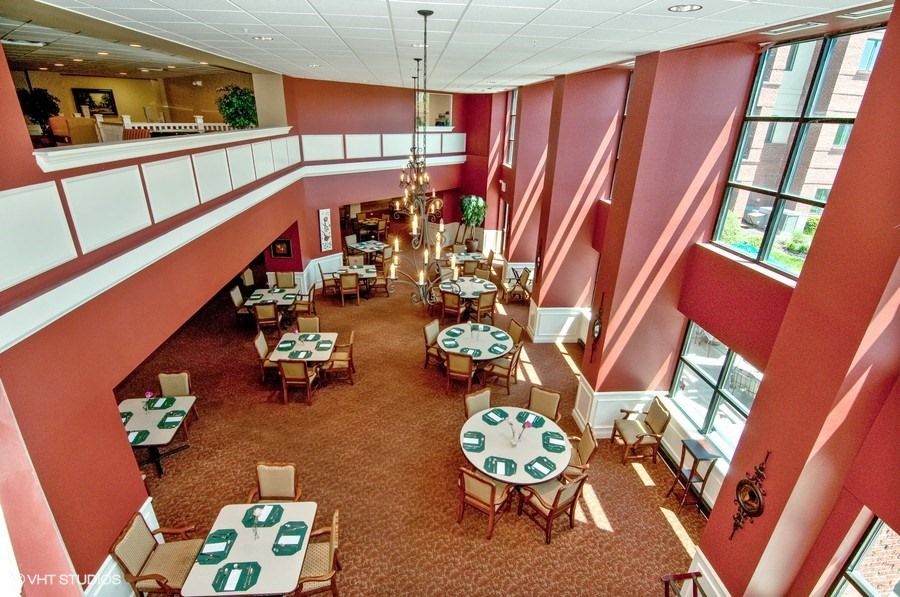
Dining room
Fitness room
Full kitchen
Fully furnished
Gaming room
Garden
Ground floor units
Handicap accessible
Housekeeping services
Indoor common areas
Kitchenette
Move-in coordination
Outdoor common areas
Outdoor space
Private bathrooms
Private patio, deck, or balcony
Respite or short term stays offered
Restaurant-style dining
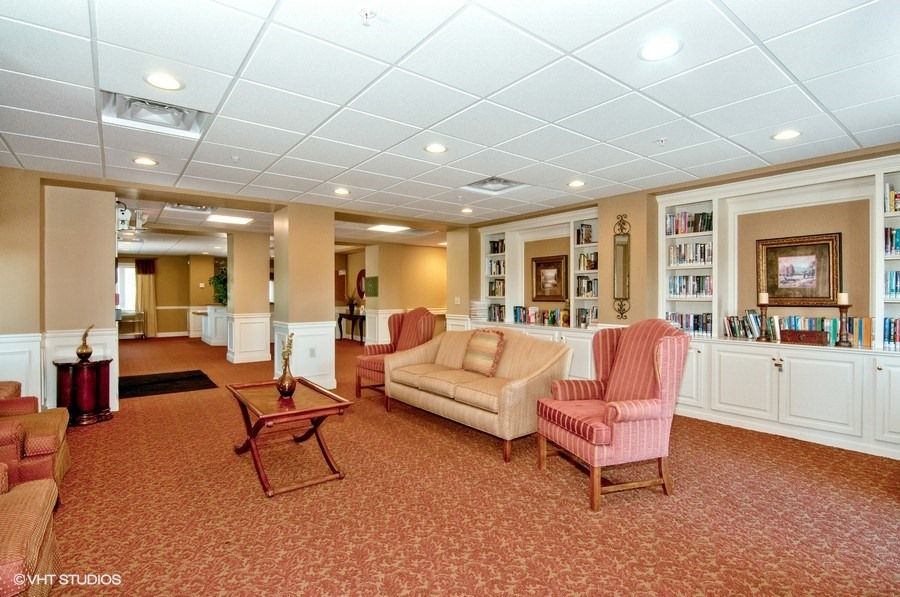
Small library
Telephone
Wellness center
Wheelchair accessible showers
Wi-Fi/high-speed internet available
Transportation
Cincinnati Northern Kentucky International (10 miles away)
Community operated transportation
Transportation arrangement
Transportation arrangement (non-medical)
Transportation to doctors appointments
Care Services
12-16 hour nursing
24-hour call system
24-hour supervision
Activities of daily living assistance
Ambulatory care
Assistance with bathing
Assistance with dressing
Assistance with transfers
Diabetes diet
Diabetic care
High acuity care
Incontinence care
Meal preparation and service
Medication management
Mental wellness program
Mild cognitive impairment
Special dietary restrictions
Specialized memory care programming
Dining
Diabetes diet
Guest meals
Low / no sodium
Meals provided
Professional chef
Restaurant style dining
Room service
Special dietary restrictions
Special dining programs
Vegetarian
Activities
Art classes
Bridge club
Catholic services
Community-sponsored activities
Concierge services
Day trips and outings
Devotional activities on-site
Educational speakers / life long learning
Fitness programs
Happy hour
Live musical performances
Planned day trips
Resident-run activities
Scheduled daily activities
Tai Chi
Trivia games
Visiting chaplain or priest
Yoga / chair yoga
Nearby Places of Interest
This part of Cincinnati, Ohio offers a convenient and accessible location for senior living. With multiple pharmacies such as Walgreens and CVS Pharmacy nearby, residents have easy access to healthcare resources. There are also several reputable hospitals and physician offices in close proximity, including Mercy Health - West Hospital Campus and Cincinnati Children's. For dining options, there are various restaurants like McDonald's, Ron's Roost, and Skyline Chili within a short distance. Additionally, there are places of worship such as White Oak Chapel and Vineyard Church Northwest for spiritual needs. The area also boasts recreational opportunities with parks like Fernbank Park and Washington Dog Park nearby. Overall, this section of Cincinnati provides a well-rounded community with essential amenities for seniors looking to reside in the area.
Pharmacies
Walgreens (0.3 miles)
CVS Pharmacy (1.7 miles)
CVS Pharmacy (2.1 miles)
Walgreens (2.3 miles)
CVS Pharmacy (2.5 miles)
Walgreens (3.8 miles)
Walgreens (4.1 miles)
Restaurants
McDonald's (0.4 miles)
Ron's Roost (2.3 miles)
Lake Nina Restaurant (2.5 miles)
McDonald's (2.7 miles)
Skyline Chili (2.7 miles)
McDonald's (2.9 miles)
Skyline Chili (3.6 miles)
Hospitals
Mercy Health - West Hospital Campus (0.5 miles)
Cincinnati Children's Green Township (2.1 miles)
Cincinnati Children's (3.4 miles)
Good Samaritan Hospital (5.7 miles)
Veterans Hospital (6.3 miles)
Cincinnati Children's Hospital Medical Center (6.5 miles)
University of Cincinnati Medical Center (6.6 miles)
The Wellington At North Bend Crossing offers a range of living options at competitive rates compared to both Hamilton County and the broader Ohio market. For a one-bedroom unit, residents can expect to pay $2,395 per month, which is significantly lower than the county average of $4,174 and the state average of $3,712. In terms of two-bedroom accommodations, the cost is $3,900 - slightly above Hamilton County's average of $4,030 but notably more favorable when contrasted with Ohio's statewide average of $3,501. For those seeking a studio apartment, The Wellington's rate stands at $5,585; while this is higher than both local and state averages ($4,327 in Hamilton County and $3,727 statewide), it reflects the premium amenities and services provided by the community. Overall, The Wellington At North Bend Crossing presents an appealing value proposition for prospective residents looking to balance cost with quality living.
The Wellington At North Bend Crossing offers a comprehensive range of services designed to support residents with dementia or Alzheimer's disease, ensuring their safety and enhancing their quality of life. With 24-hour supervision, staff can promptly respond to the needs of residents, providing reassurance and immediate assistance in case of emergencies. Activities of daily living assistance, such as help with bathing, dressing, and transfers, promotes independence while maintaining dignity and comfort. Incontinence care is handled with sensitivity to foster a respectful environment. Nutritional needs are met through meal preparation and service tailored to individual preferences and dietary restrictions, which is crucial for overall health. Medication management ensures timely administration of prescribed medications, reducing the risk of confusion or oversight. Engaging residents in a mental wellness program helps maintain cognitive function and emotional well-being. Additionally, specialized memory care programming caters specifically to varying degrees of cognitive impairment, offering structured activities that stimulate memory recall and encourage social interaction among peers. Collectively, these features create a nurturing atmosphere that addresses both physical needs and emotional well-being for individuals facing the challenges of memory loss.
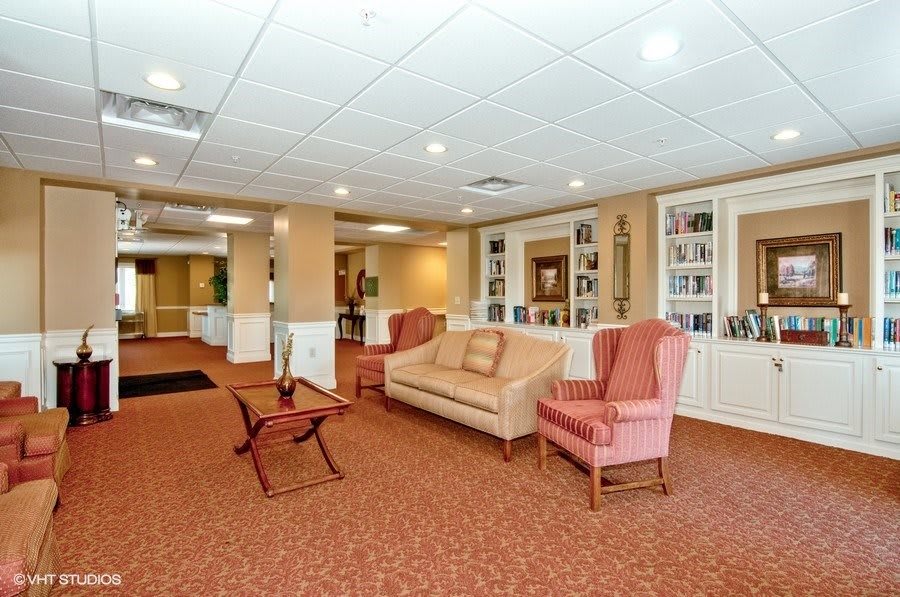
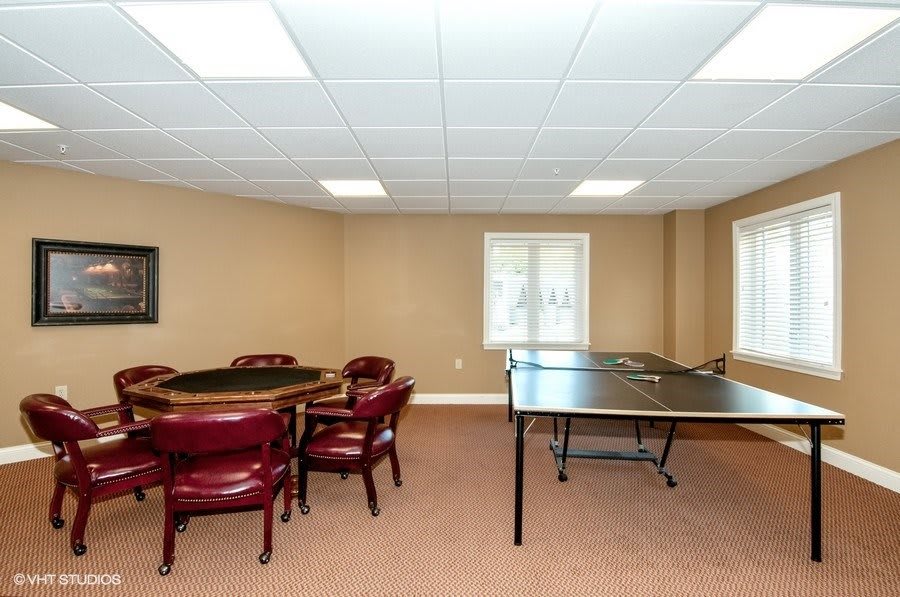
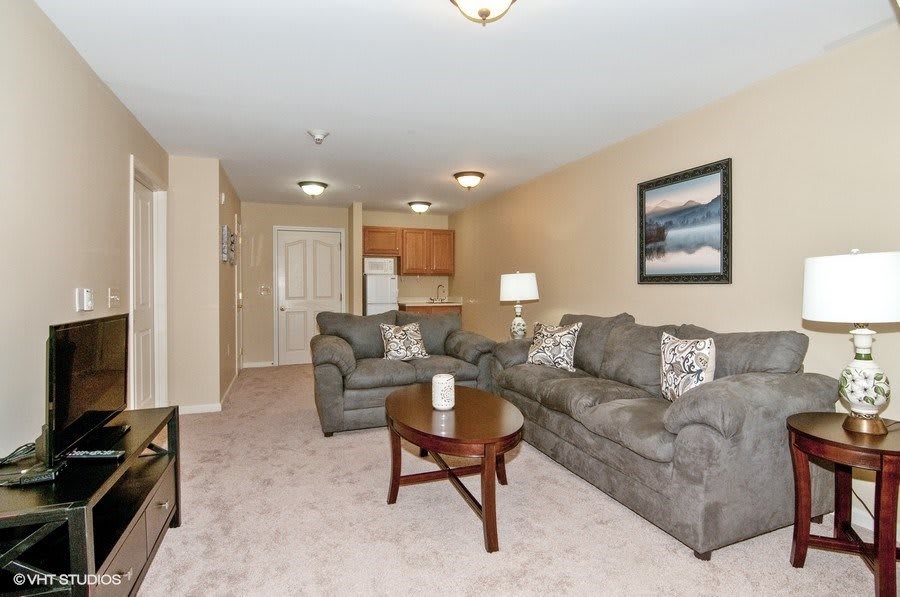
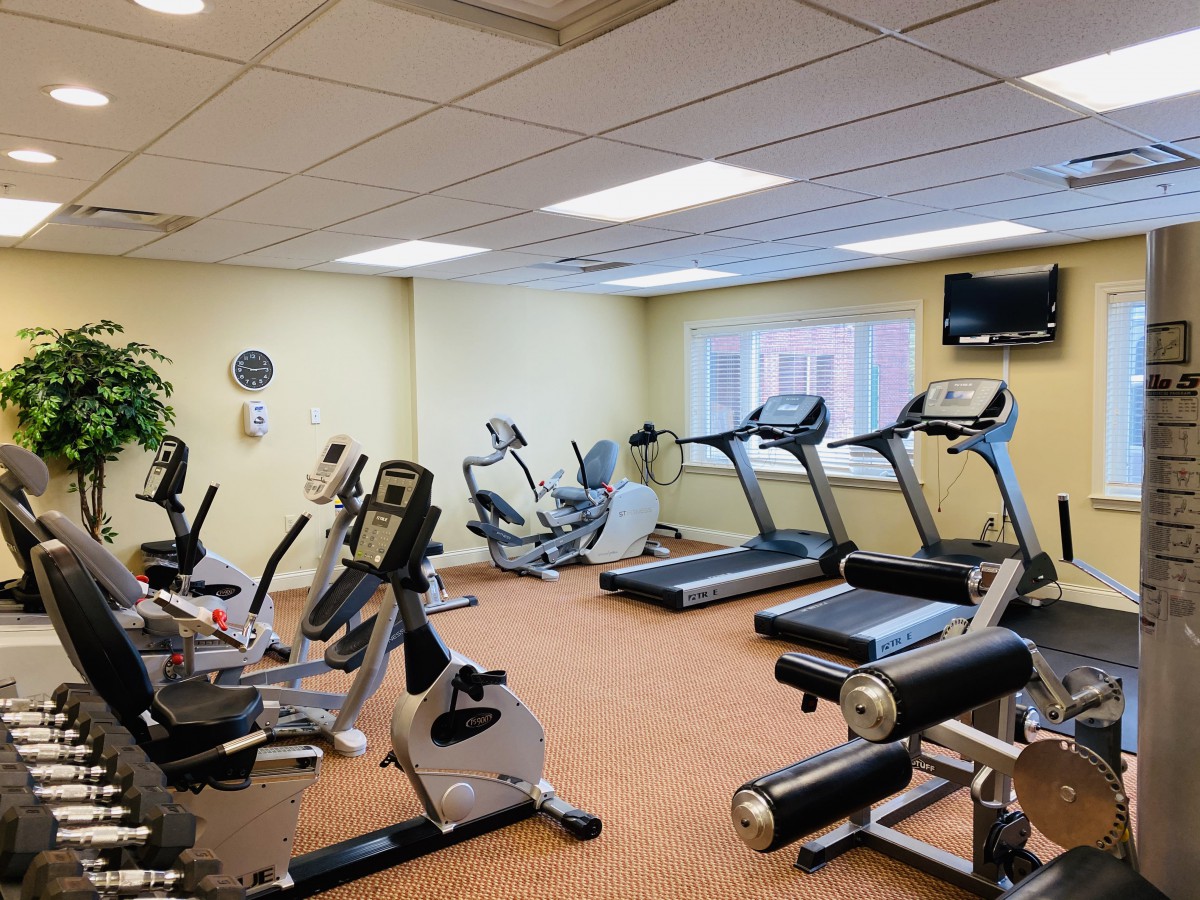
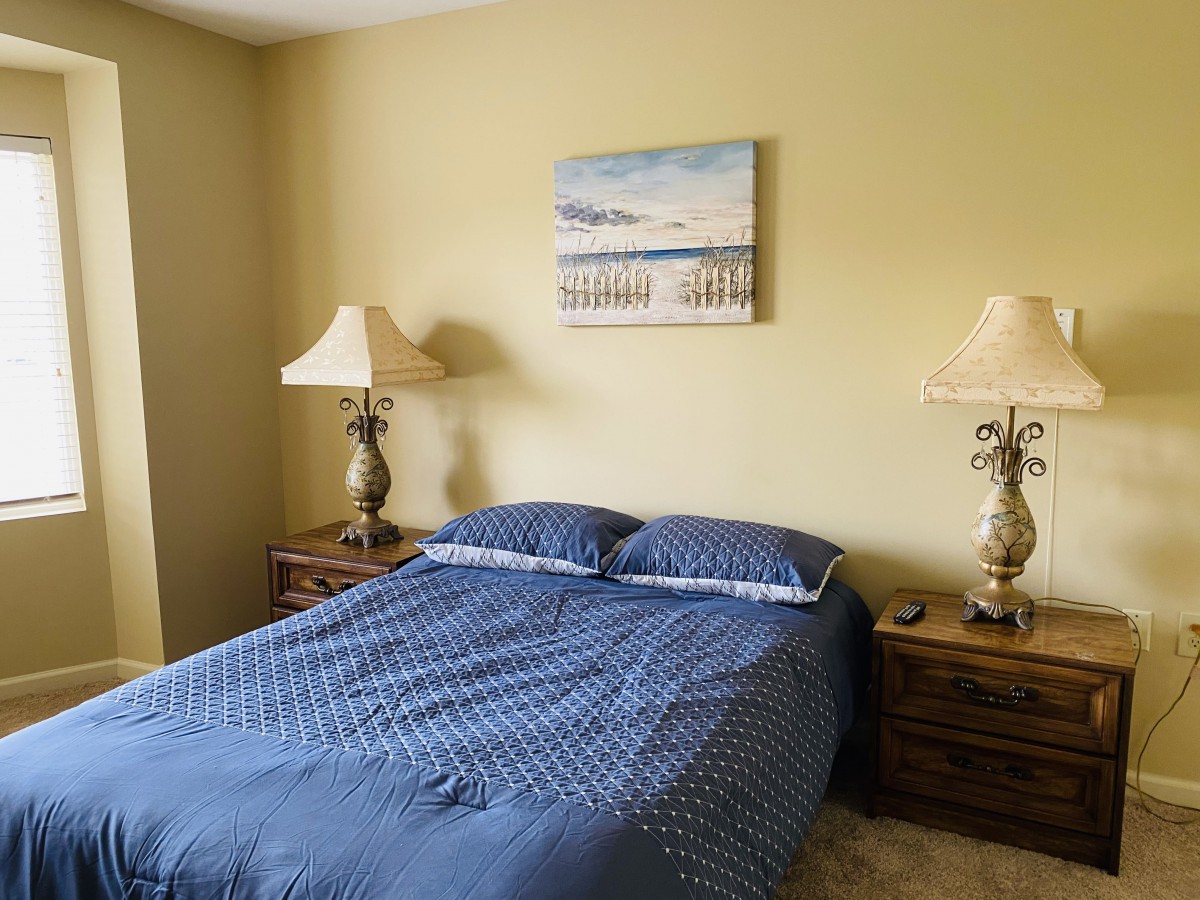
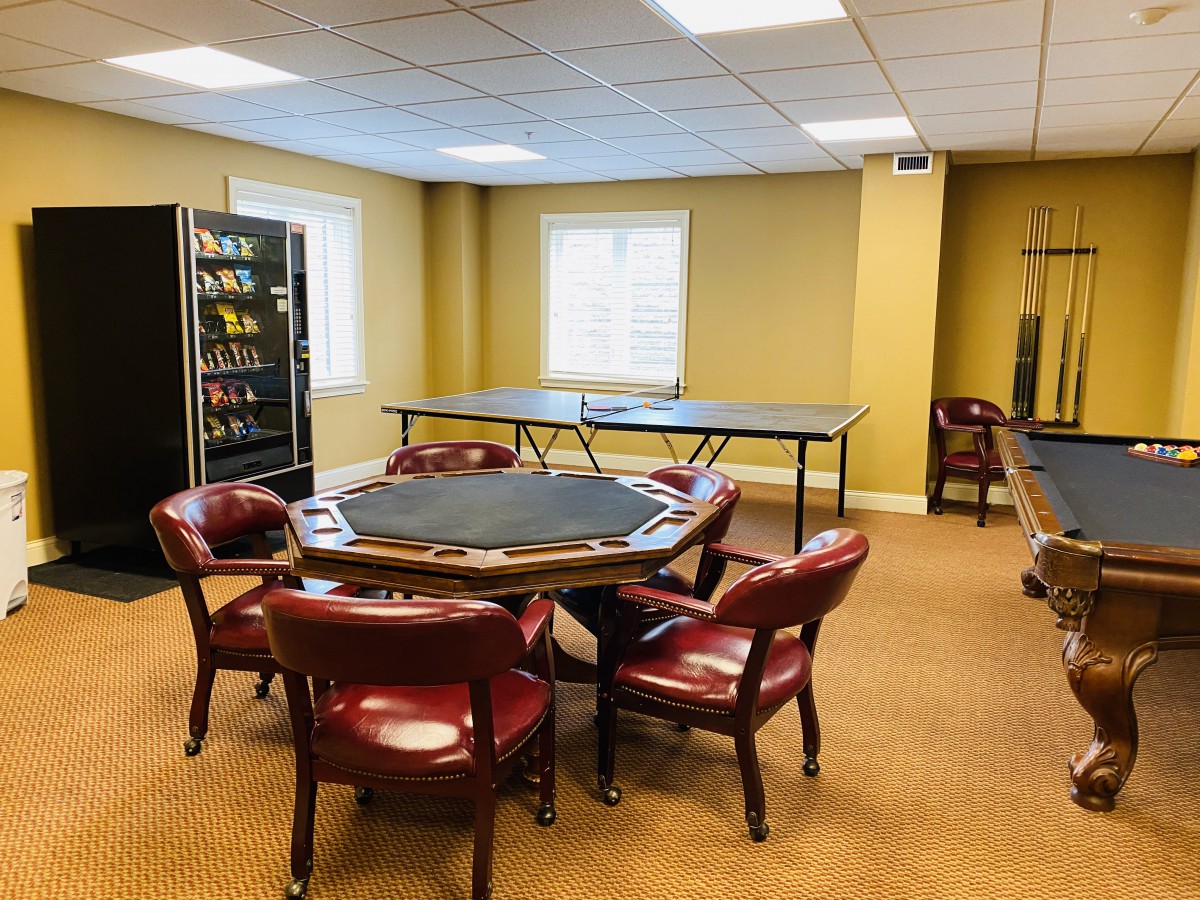
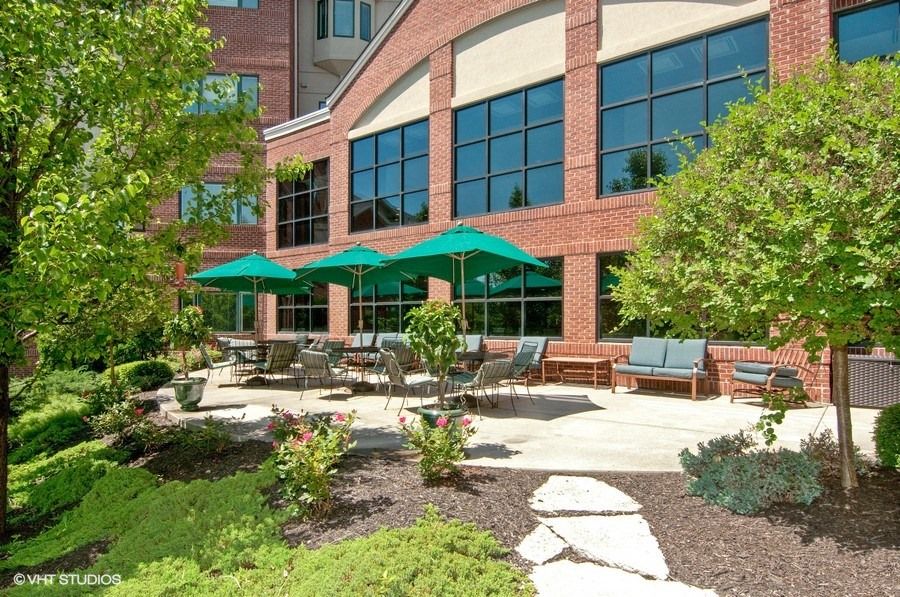
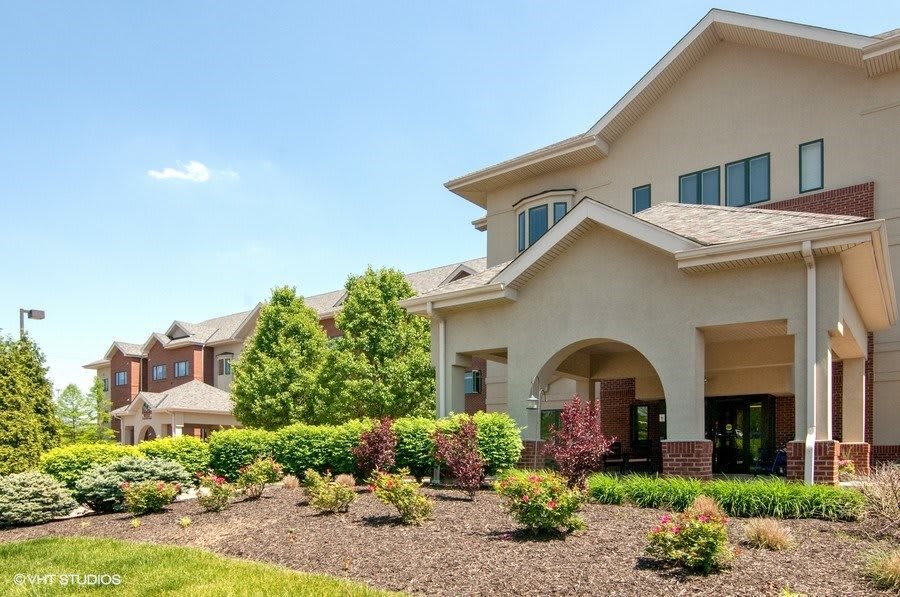
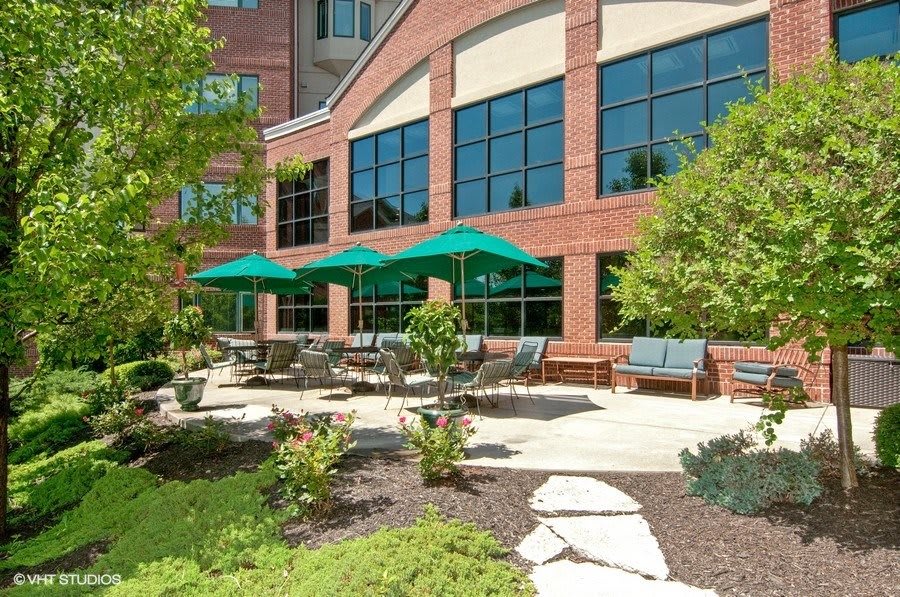
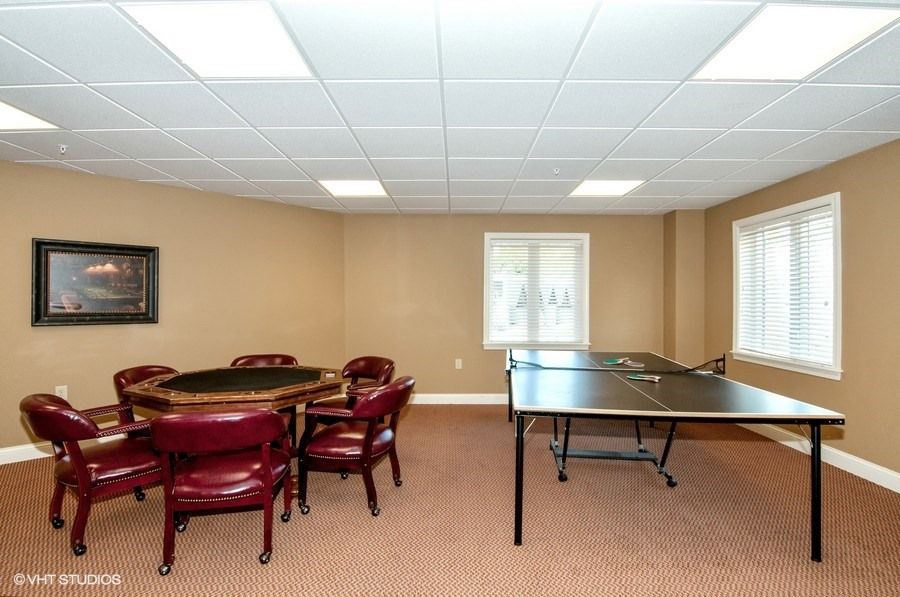
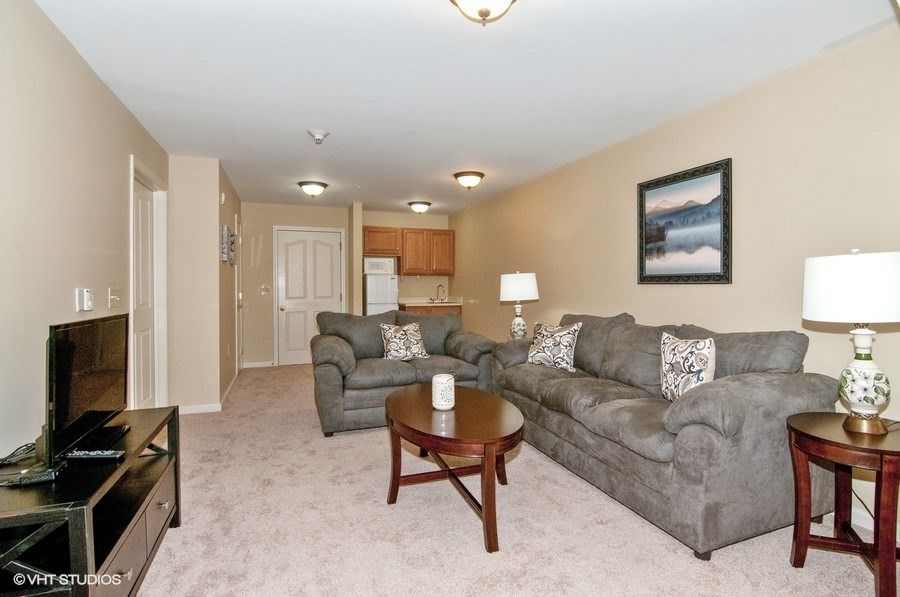
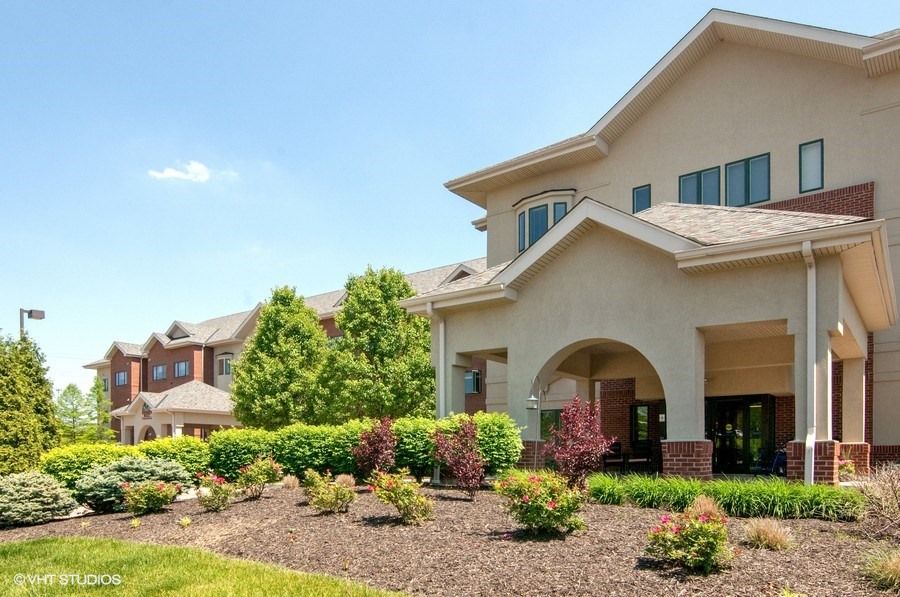
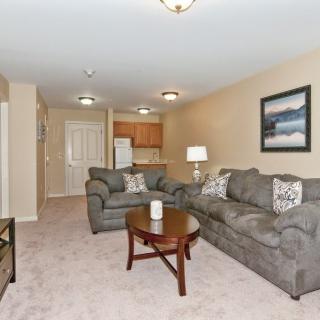
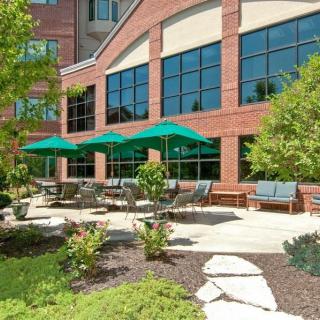
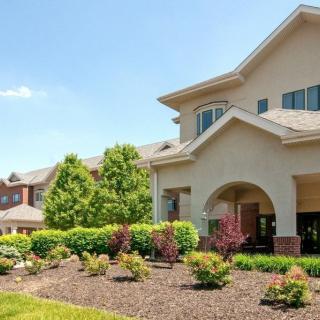
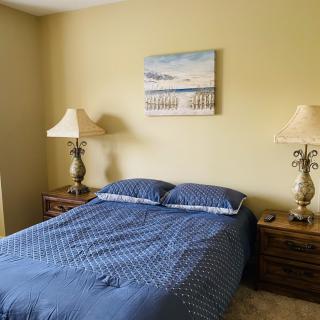
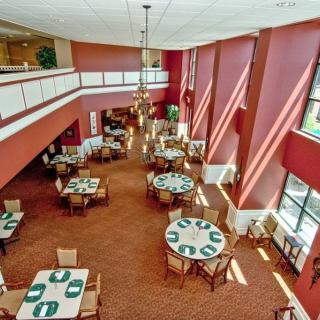
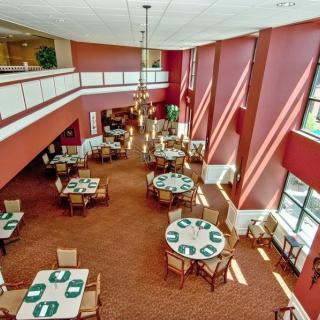
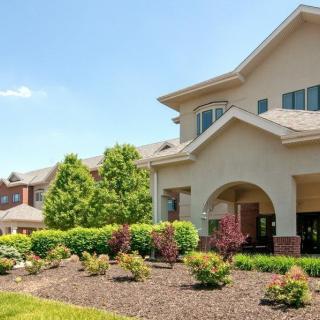
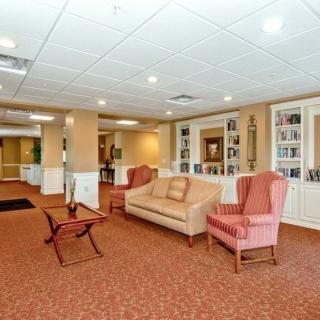
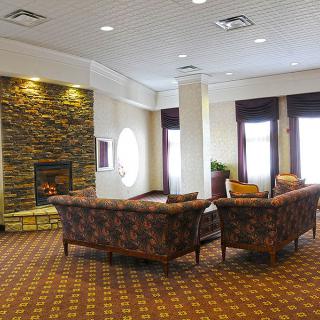
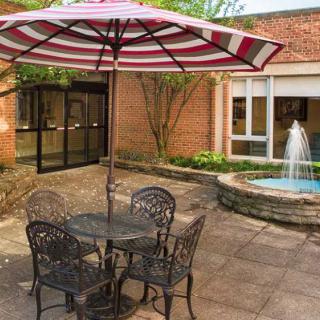
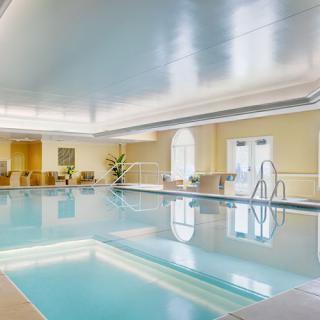
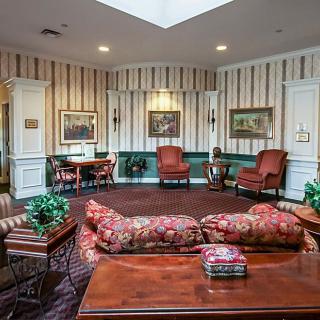
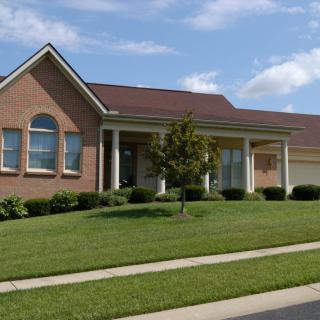
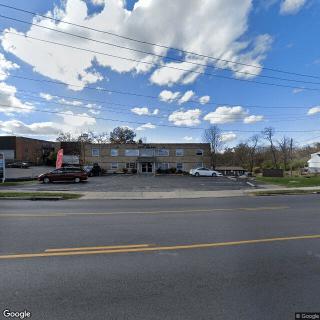
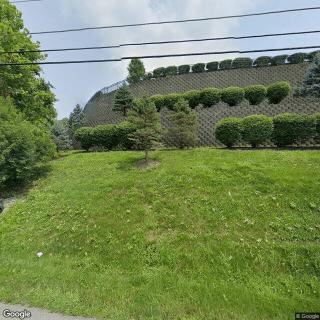
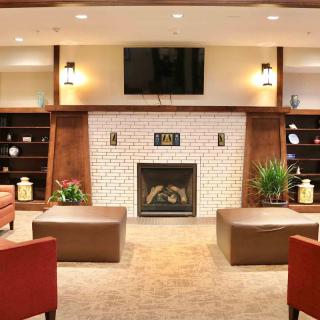
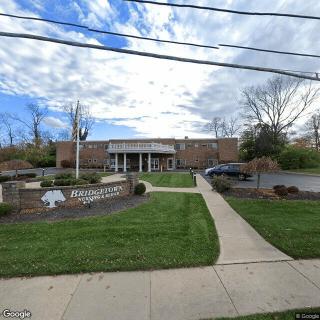
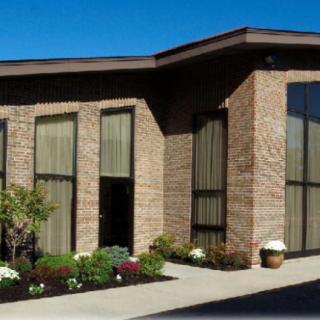
The Wellington At North Bend Crossing on seniors.fyi includes 20 photos including images showing interior, landscaping, floor plan, bedroom, dining, decor, windows, game room, and more.
Nearby Communities
Airy Hills at North Bend Crossing
Cincinnati, OH
5 from 1 review
$5,500 to $6,800 / month
Specialized memory care with comprehensive services and engaging activities.
Airy Hills at North Bend Crossing
Cincinnati, OH
Specialized memory care with 24/7 supervision and care coordination.
Visiting Angels Cincinnati West
Cincinnati, OH
4.8 from 41 reviews
Flexible hour-based pricing with consistent, attentive caregivers and proactive owner communication.
Covenant Village Rehab
Cincinnati, OH
3.2 from 103 reviews
Clean, attractive facility with capable on-floor staff and effective physical therapy; food quality has shown improvement.
Traditions at North Bend
Cincinnati, OH
4.1 from 85 reviews
$3,200 to $5,995 / month
Attentive staff in a well-kept, amenity-rich setting with strong social opportunities.
A Caring Choice
Cincinnati, OH
5 from 4 reviews
Strong access to nearby healthcare, dining, and social venues.
Bridgetown Nursing And Rehabilitation Centre
Cheviot, OH
3.3 from 34 reviews
Comprehensive on-site amenities and care services.
Ivy Woods Care Center
Cincinnati, OH
3.8 from 25 reviews
24/7 supervision with a broad mix of on-site amenities and engaging activities.
The Christian Village at Mt. Healthy
Cincinnati, OH
4.3 from 73 reviews
$2,025 to $2,725 / month
Compassionate staff in a clean, home-like setting with engaging activities.
Dementia, particularly Lewy body dementia, often involves hallucinations that can significantly distress both patients and caregivers due to disruptions in sensory processing and neurotransmitter imbalances. Effective management includes compassionate communication, environmental adjustments, and a multidisciplinary approach to care while addressing the emotional needs of caregivers.
Alzheimer’s disease is a progressive neurological disorder that significantly impacts memory and cognitive functions, accounting for 60-80% of dementia cases, with early diagnosis being crucial yet challenging. It involves brain changes like beta-amyloid plaques and tau tangles, influenced by genetic and lifestyle factors, and while there is no cure, symptom management and support for caregivers are essential.
Dementia, influenced by aging and certain medications, may be exacerbated by drug classes such as anticholinergics, benzodiazepines, and antipsychotics, which are associated with cognitive impairment. Regular medication reviews by healthcare professionals are crucial for older adults to manage risks and optimize cognitive health.
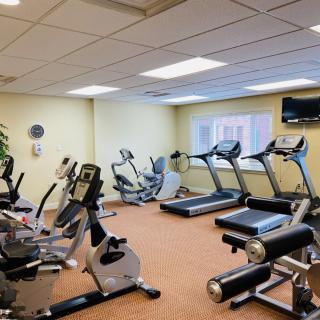
Exercise Equipment, Gym, Treadmills, and Workout Room
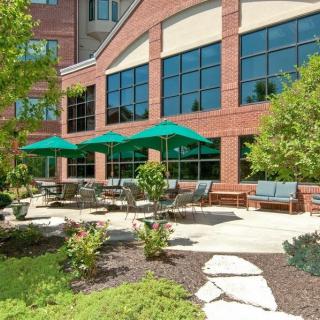
Outdoor Seating
Natural Light
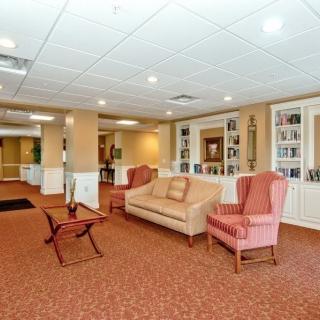
Bookshelves
Balcony
Game Room
Spacious
Living Area and Sunroom
Open Floor Plan
Get PricingAsk A QuestionSchedule A TourContact Senior Advisor
By clicking submit, you agree to our Partner's Terms of Use. You
also consent to receive calls and texts, which may be autodialed, from our Partner. Your consent is not a condition to
using our Partner's service. Please visit our Partner's Privacy Policy for information about their privacy practices.

 146 resident community capacity
 Assisted Living
 Independent Living
 Memory Care
 Cats allowed
 Dogs allowed
 Activities off-site
 Air-conditioning
 Beautician on-site
 Cable or satellite TV
 Computer center
 Devotional services on-site
 Dining room
 Fitness room
 Full kitchen
 Fully furnished
 Gaming room
 Garden
 Ground floor units
 Handicap accessible
 Housekeeping services
 Indoor common areas
 Move-in coordination
 Outdoor common areas
 Private bathrooms
 Private patio, deck, or balcony
 Respite or short term stays offered
 Restaurant-style dining
 Small library
 Telephone
 Wellness center
 Wheelchair accessible showers
 Wi-Fi/high-speed internet available
 Cincinnati Northern Kentucky International (10 miles away)
 Community operated transportation
 12-16 hour nursing
 24-hour call system
 Ambulatory care
 Assistance with bathing
 Assistance with dressing
 Assistance with transfers
 Diabetes diet
 Diabetic care
 High acuity care
 Incontinence care
 Medication management
 Mental wellness program
 Special dietary restrictions
 Art classes
 Bridge club
 Catholic services
 Concierge services
 Day trips and outings
 Educational speakers / life long learning
 Happy hour
 Live musical performances
 Trivia games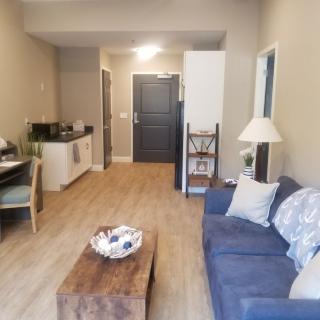
 Specialized memory care with comprehensive services and engaging activities.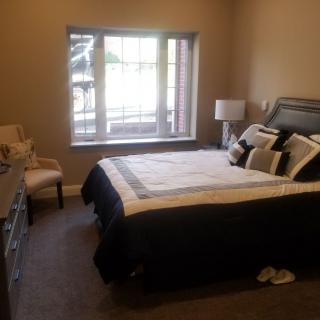
 Dementia-Related Hallucinations: Causes, Experiences, and Practical Approaches
 Illuminating Insights About Alzheimer's Disease: Ten Crucial Realities
 A Thorough Discussion of Medications Potentially Linked to Dementia Risk