
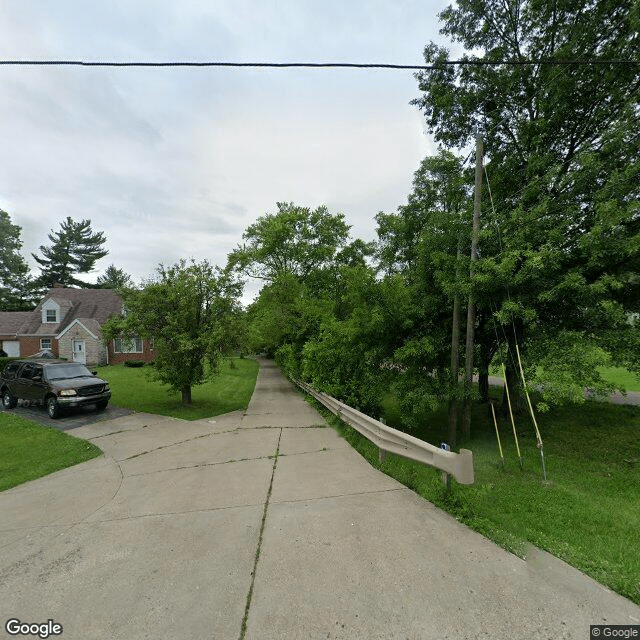
5261 Boomer Rd, Cincinnati, OH 45247
To contact a resident: (513) 574-4148
For more information about senior living options: (866) 208-4318
Overall Review of A Caring Choice
Pros
 Caring Choice provided excellent care for the client's mom.
- There was no revolving door of staff, signaling stable and consistent caregiving.
- The caregivers offered nurturing and encouraging support, making Mom feel like a visiting friend.
- Caring Choice communicates concerns with the family effectively.
- The organization is flexible, reliable, and easy to work with.
- The services are recommended for friends with parents who have memory issues.
- Caring Choice enabled Mom to stay in her home, honoring her wishes.
- Caring Choice consistently goes out of their way to help families, including during emergencies.
- The caregivers (including Danesha) are beloved companions for the client.
- The office staff, Michelle and Mary, consistently go above and beyond to keep clients happy.
- Mr. Kummer is a truly caring person and can be proud of his business.
Review
A Caring Choice is best suited for families who want a trusted in-home care partner that keeps a loved one at home while delivering steady, compassionate support, especially when memory challenges are present and a friend-like, visiting-care dynamic matters. In Cincinnati, OH, this provider earns strong marks for caregivers who feel more like reliable companions than service staff, creating a sense of familiarity and continuity that families value. The reviews repeatedly acknowledge a non-revolving-door approach to staffing, with caregivers who nurture, encourage, and communicate concerns to the family clearly and promptly. For families prioritizing flexible scheduling, dependable responsiveness, and easy collaboration with a local office, this option stands out as a practical, emotionally sustaining choice.
Alternatives may merit consideration for seniors who need a more structured, campus-style setting with built-in social programming or who require medical oversight beyond home care. If a transition into a formal assisted living community with round-the-clock nursing, formal memory-care programming, or more expansive social opportunities is desired, a facility-based option could better align with those goals. The reviews show strong family trust in the personal touch and home-first approach, but they don’t imply the level of on-site medical infrastructure or the density of social activities that a traditional facility typically provides. For families weighing cost, comprehensive medical management, or a guaranteed 24/7 medical footprint, an alternative may be a wiser fit.
The strongest advantages revolve around caregivers who listen, engage, and stay available, paired with a responsive office culture. Caregivers are described as well-trained to listen and to perform their duties conscientiously, even under challenging circumstances, with 24/7 coverage demonstrated in a recent long-term arrangement. Family members consistently credit the team for being flexible, reliable, and easy to work with, and they emphasize that office staff go above and beyond to maintain Mom’s happiness and well-being. The human connection is real: visits feel like coming to see a friend, and the care team earns trust through steady communication and thoughtful, individualized attention. The ability to keep a loved one at home, supported by a network that includes dependable coordinators and experienced caregivers, is a clear offset to the absence of a physical community campus.
Yet a practical decision must acknowledge potential trade-offs, especially around staff consistency across shifts and the general limits of home-based care. While the reviews celebrate consistency and minimize turnover, any in-home model relies on arranging caregivers across varied schedules; families should anticipate some variation in which caregiver is on site at any given time. The positive counterbalance lies in the agency’s explicit commitment to communication and contingency planning, plus the presence of long-term staff relationships and “favorite helpers” who become trusted anchors for the loved one. For memory support, the emphasis on compassionate dialogue, patience, and adaptability is a meaningful offset to the risk of mismatch or fatigue that can occur in home settings.
Decision steps for families are straightforward: confirm that home-based care with round-the-clock scheduling aligns with medical needs and safety concerns, and verify the provider’s responsiveness in emergencies. Ask for a concrete care plan detailing shift coverage, caregiver pairing with the loved one, and escalation protocols for rapid communication with family. Inquire about office leadership and the specific caregivers most frequently assigned, including any dedicated coordinators who oversee 24/7 arrangements. Given the experiences shared, expectations should be set around flexibility, ongoing updates, and a defined process for addressing concerns promptly.
Bottom-line guidance: for families prioritizing a home-first approach with highly-rated, compassionate caregivers and a seamless, communicative office team, A Caring Choice represents a strong, credible option in Cincinnati. It excels where personal connection and reliable scheduling matter most, offering a viable path to aging in place without surrendering oversight or responsiveness. If however the priority shifts toward a formal memory-care environment with comprehensive campus programming, or if medical complexity requires robust on-site nursing, alternatives deserve serious consideration. In the right match, this provider can translate into meaningful peace of mind for both seniors and their families.
 Cincinnati Northern Kentucky International (9 miles away)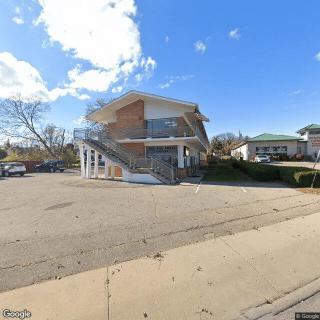



 Engaging Brain Games and Innovative Apps to Keep Senior Minds Active
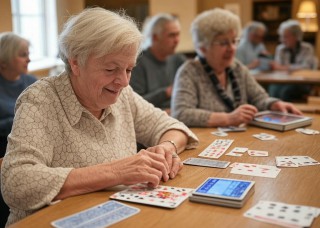 Effective Strategies for Keeping Seniors' Minds Active: A Deep Dive into Brain Games and Apps
 In-Depth Look at the VA Aid and Attendance Program