For more information about senior living options: (866) 208-4318
3.7 from 38 reviews
5 stars
22
4 stars
4
3 stars
1
2 stars
2
1 stars
9
Overall Review of Hillebrand Nursing And Rehabilitation Center
common32 reviews mention this
Staff care is a major theme
Residents describe staff members as caring, supportive, and attentive.
Across many reviews, residents and families emphasize the nursing assistants, nurses, and therapists as supportive and kind, with several people thanking specific staff members for patience and compassion. Many reviewers also say the team addressed day-to-day needs and treated them with professionalism. Other reviews are much more critical, describing staffing and care shortcomings, including examples where families felt help wasn’t available when needed.
differentiator11 reviews mention this
Rehab and therapy drive outcomes
Rehabilitation therapy is described as a key reason families choose this center.
Several reviews focus on physical and speech therapy, describing progress after hospitalization or a fall. People mention encouragement from therapists, work on mobility, and returning to a prior living situation. A smaller number of reviews criticize rehab results and the level of PT received, including concerns that progress didn’t match expectations.
common8 reviews mention this
Dining is often described positively
Many residents and families say the food is good and accommodating.
Multiple reviews praise meals, with comments that the food was very good, enjoyable, and offered variety. Some also tie dining to overall satisfaction, describing plenty to eat and good experiences with the food servers. Reviews that mention food also vary, including at least one complaint about limited or cold meal options.
common6 reviews mention this
Cleanliness shows up both ways
Residents and families frequently mention the facility’s cleanliness.
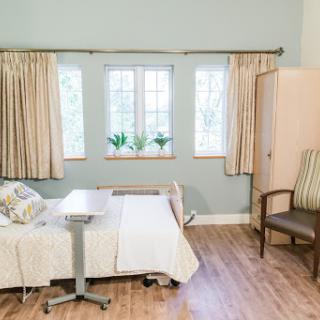
Many reviewers describe the building as clean, well-maintained, and comfortable, including room cleanliness and an overall tidy environment. Reviews also mention fresh, bright rooms and a generally cared-for feel. At the same time, there are negative accounts that cite sanitation problems, including a complaint about a bad odor on a floor.
caveat3 reviews mention this
Call response and communication vary
Some families report difficulty getting timely responses and help.
A few reviews describe frustration with reaching staff by phone or getting communication handled in a timely way. One family specifically says they had trouble getting help at night, while another mentions communication as an area needing review. These comments contrast with other reviews where families report nurses and aides being responsive.
common2 reviews mention this
Memory-type support is mentioned
Some residents’ families mention comfort with memory-related care.
A couple of reviews mention dementia or memory-type needs and say staff were able to handle those situations. These accounts also connect care with an emphasis on being clean and organized, alongside regular activities. Not every review discusses this directly, but it is specifically called out in multiple resident situations.
How we summarize
Counts show how many written reviews mention each theme; a review can touch several themes, and only frequently mentioned themes are displayed.
Features
Housing
108 resident community capacity
Types of Care
Skilled Nursing Facility
Amenities
Air-conditioning
Beauty salon
Cable or satellite TV
Computer center
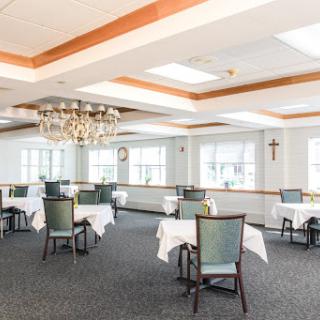
Dining room
Fitness room
Fully furnished
Gaming room
Garden
Housekeeping services
Kitchenette
Move-in coordination
Outdoor space
Private bathrooms
Restaurant-style dining
Small library
Telephone
Wellness center
Wi-Fi/high-speed internet available
Transportation
Cincinnati Northern Kentucky International (8 miles away)
Community operated transportation
Transportation arrangement
Transportation arrangement (non-medical)
Transportation to doctors appointments
Care Services
12-16 hour nursing
24-hour call system
24-hour supervision
Activities of daily living assistance
Assistance with bathing
Assistance with dressing
Assistance with transfers
Diabetes diet
Meal preparation and service
Medication management
Mental wellness program
Special dietary restrictions
Dining
Diabetes diet
Special dietary restrictions
Activities
Community-sponsored activities
Concierge services
Fitness programs
Planned day trips
Resident-run activities
Scheduled daily activities
Videos
Nearby Places of Interest
Pharmacies
CVS Pharmacy (0.2 miles)
Walgreens (0.4 miles)
Walgreens (2.3 miles)
Walgreens (2.3 miles)
Hart Pharmacy (3 miles)
CVS Pharmacy (3.1 miles)
CVS Pharmacy (3.7 miles)
Restaurants
Ron's Roost (0.4 miles)
McDonald's (2.3 miles)
McDonald's (2.4 miles)
Skyline Chili (3 miles)
McDonald's (3.3 miles)
Lake Nina Restaurant (4.5 miles)
McDonald's (4.8 miles)
Theaters
Cinemark (1.6 miles)
Hospitals
Cincinnati Children's Green Township (1.7 miles)
Mercy Health - West Hospital Campus (1.8 miles)
Cincinnati Children's (4.8 miles)
Good Samaritan Hospital (5.6 miles)
Veterans Hospital (6.2 miles)
University of Cincinnati Medical Center (6.5 miles)
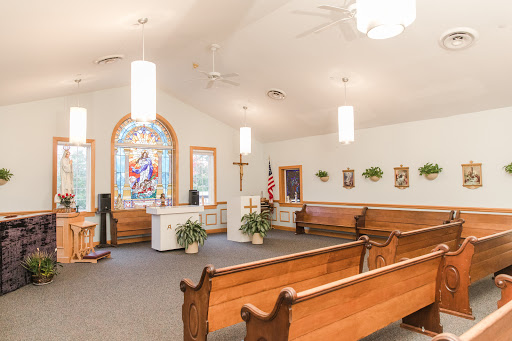
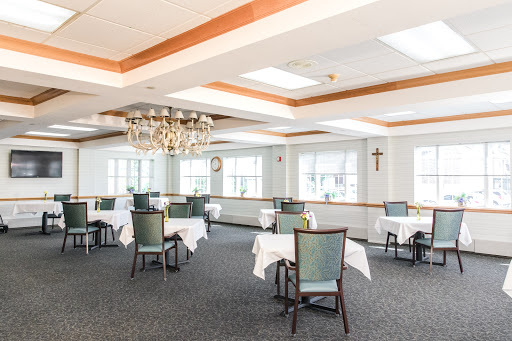
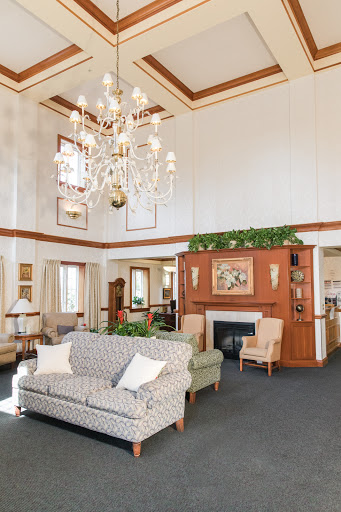
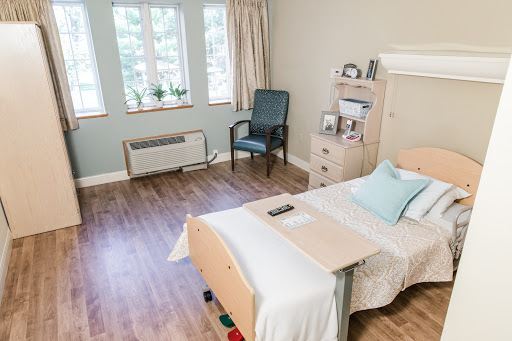
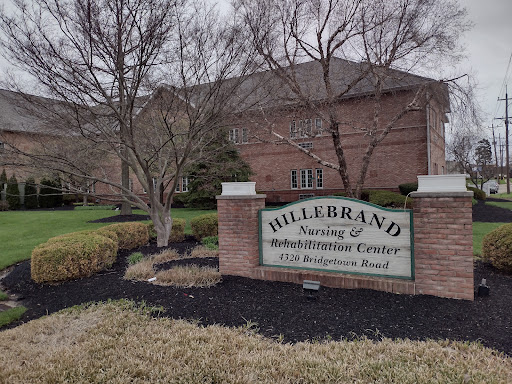
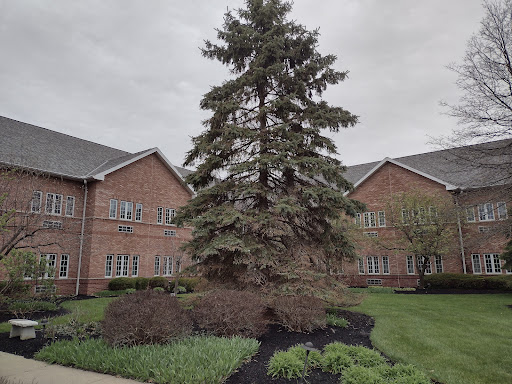
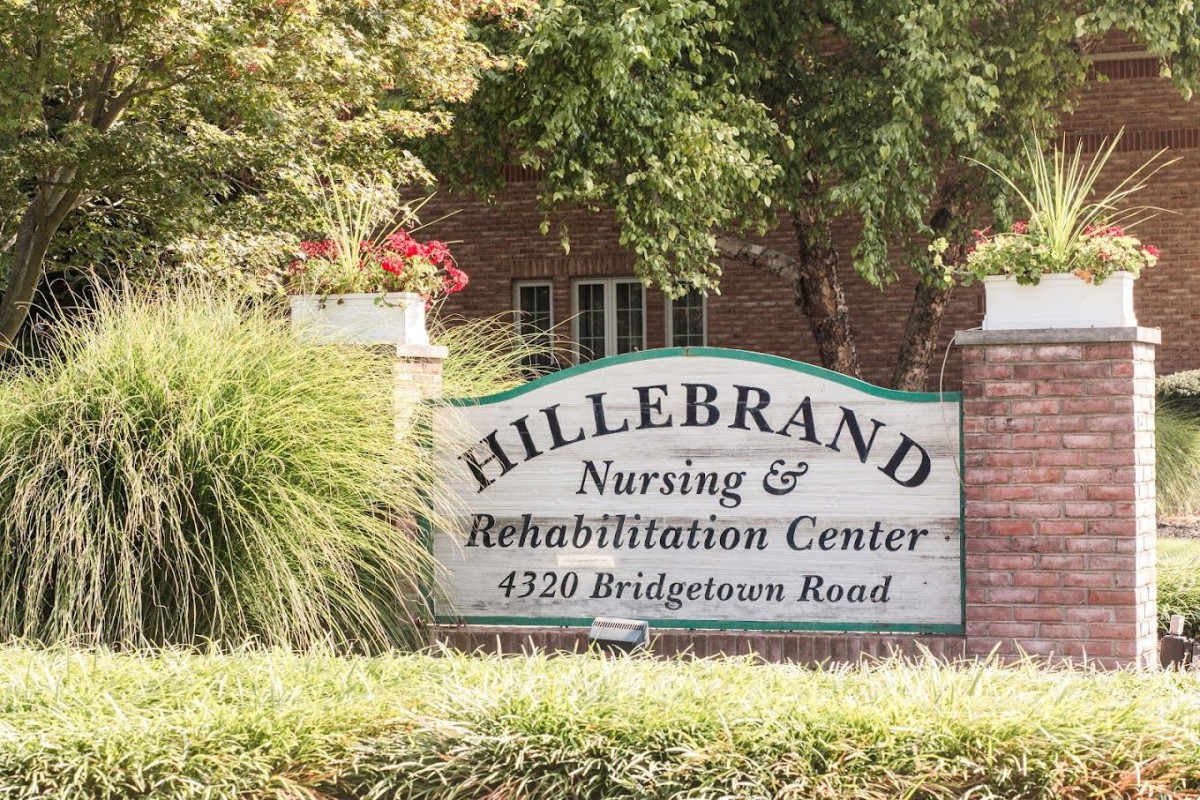
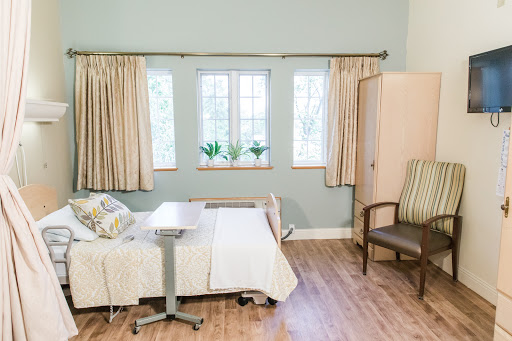
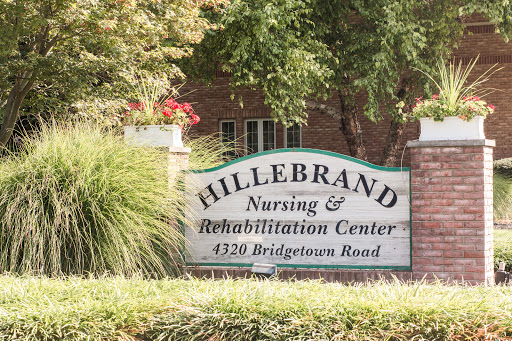
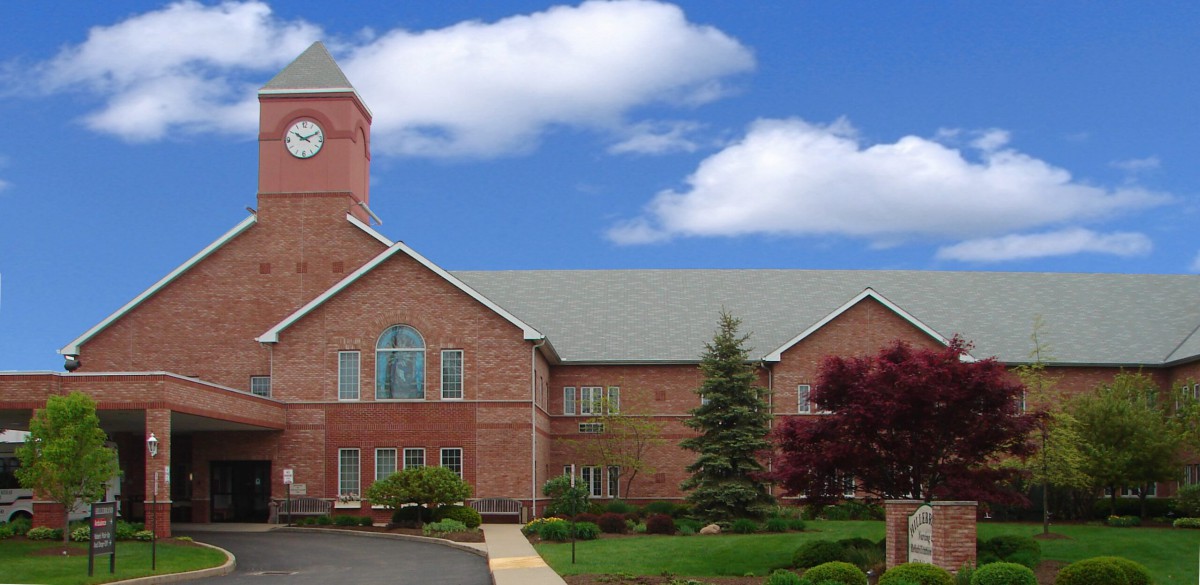
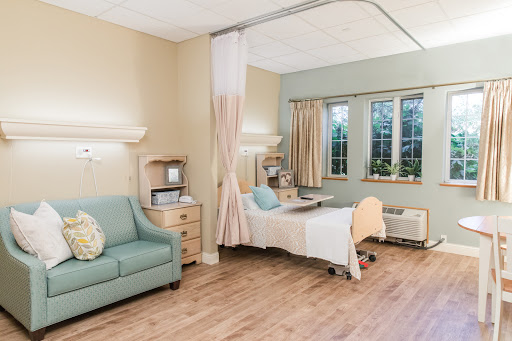
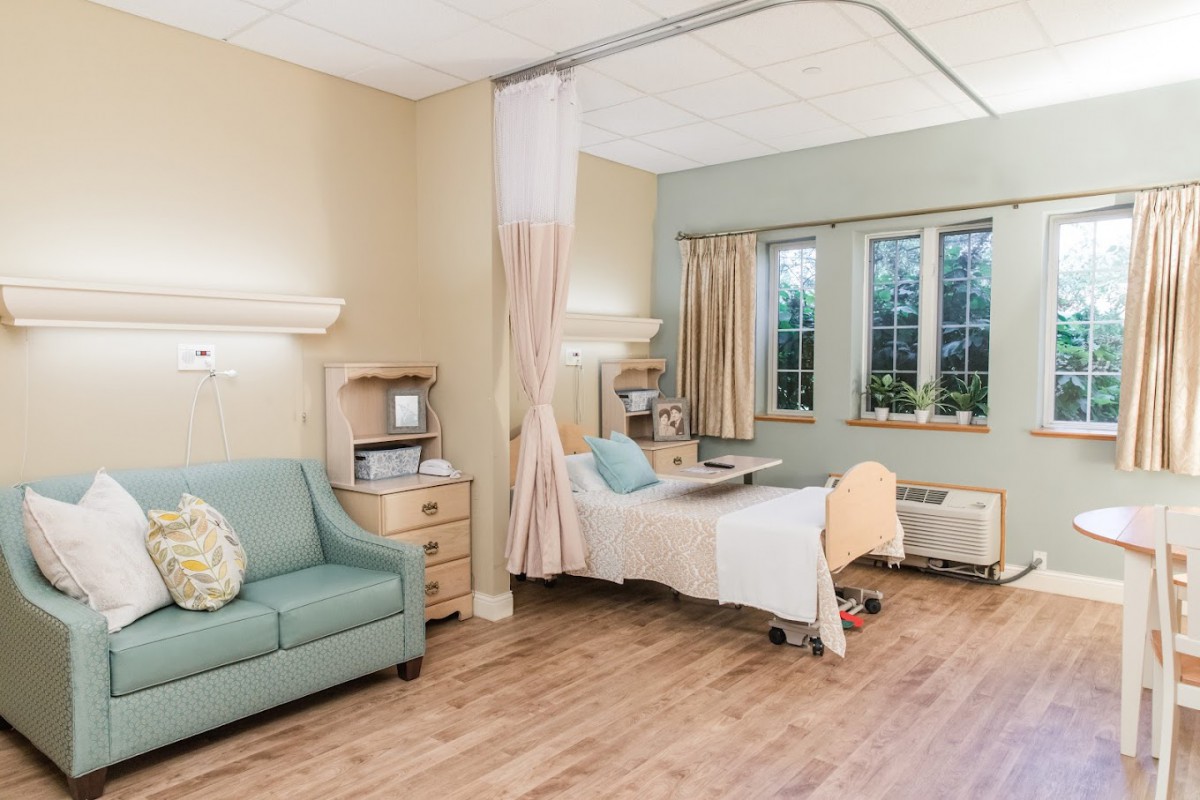
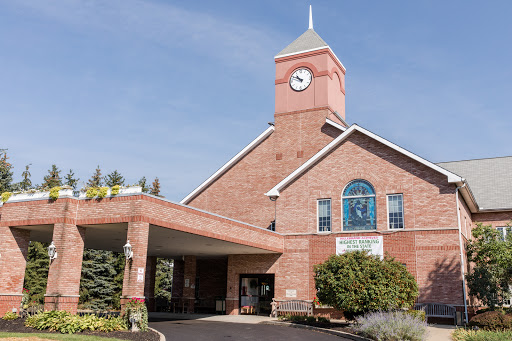
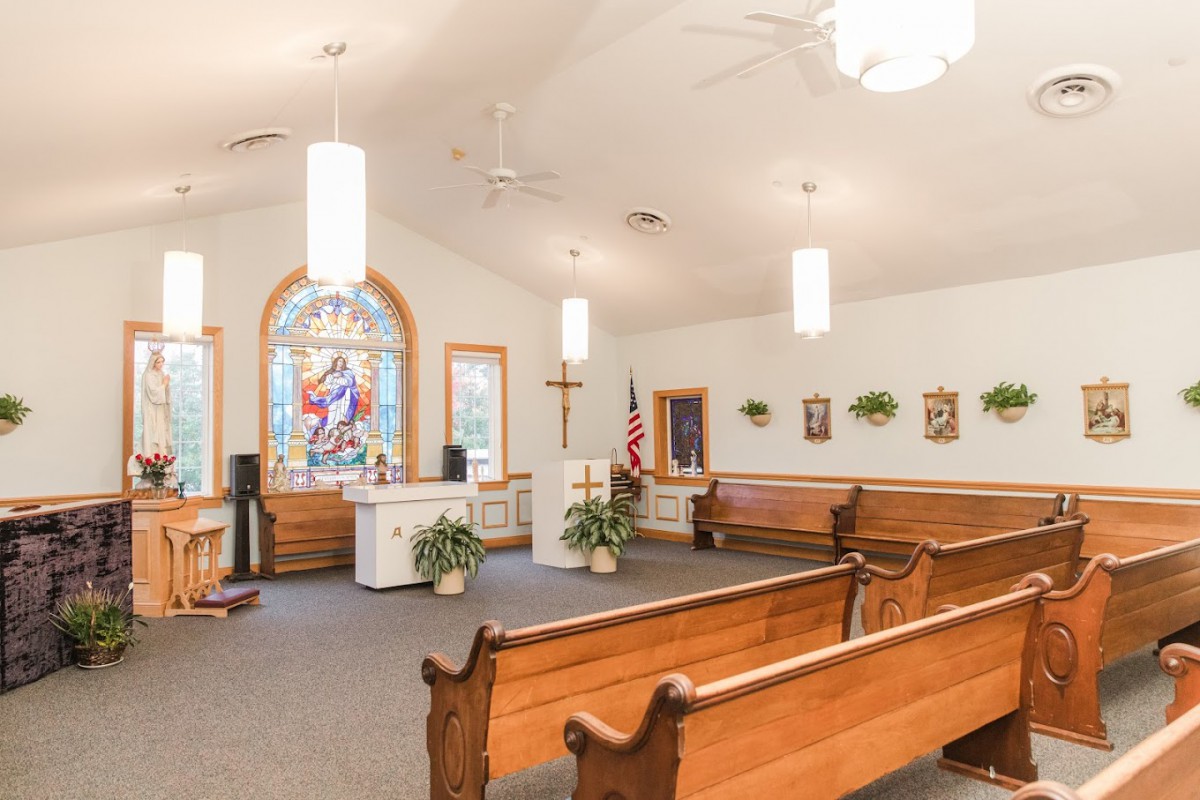
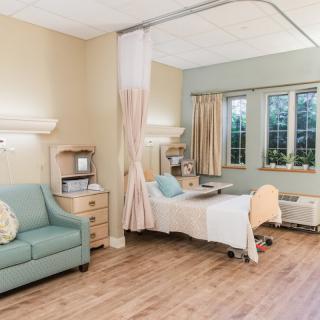
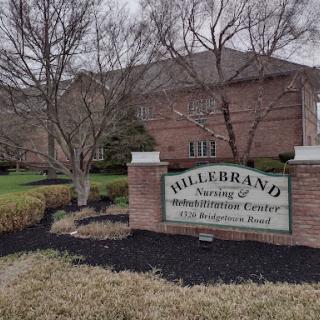
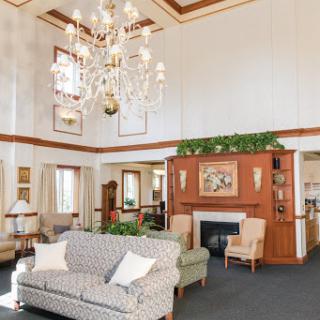
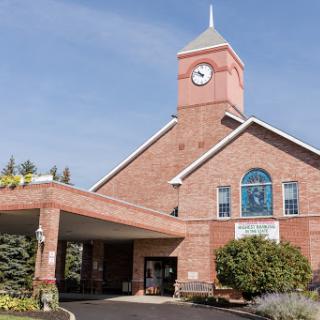
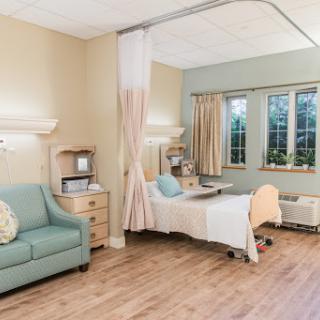
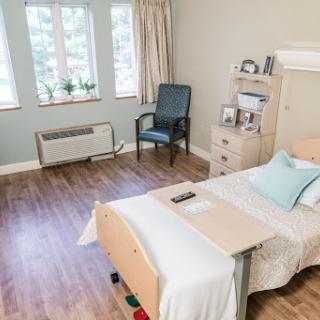
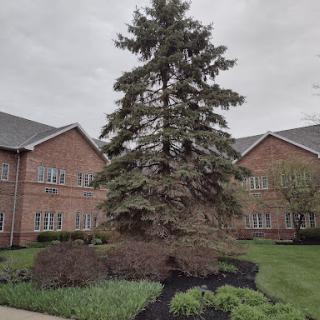
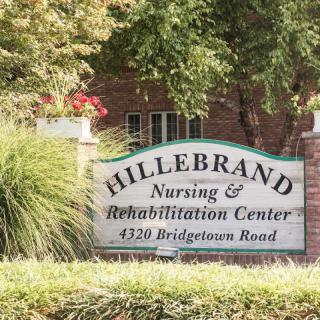
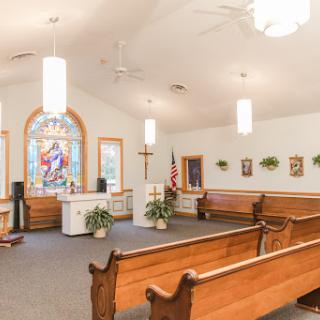
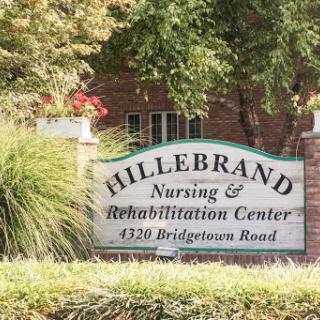
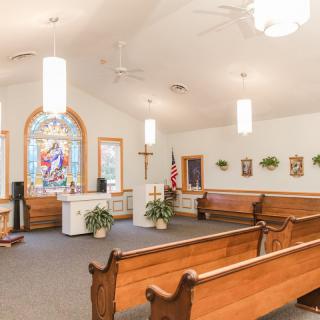
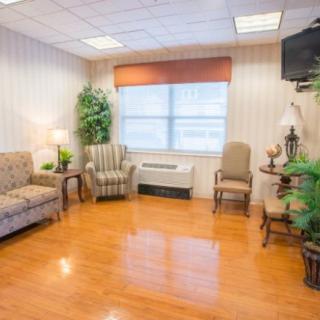
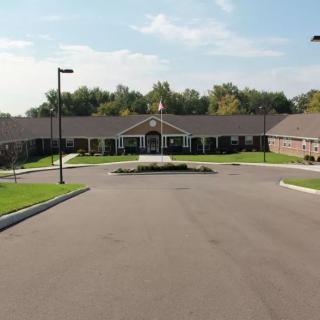
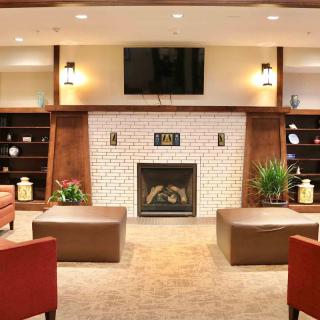
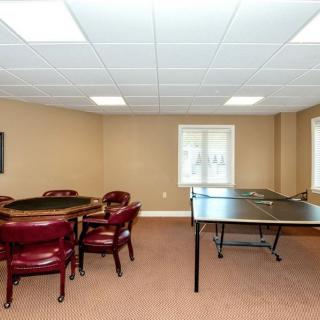
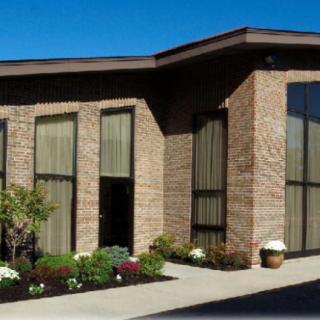
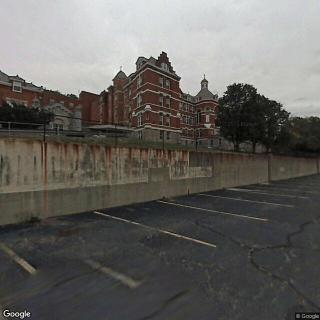
Hillebrand Nursing And Rehabilitation Center on seniors.fyi includes 14 photos including images showing interior, building, landscaping, bedroom, windows, church, outdoor, dining, and more.
Nearby Communities
Bridgetown Nursing And Rehabilitation Centre
Cheviot, OH
3.3 from 34 reviews
Comprehensive on-site amenities and care services.
Home Instead - Cincinnati, OH
Cincinnati, OH
4.7 from 26 reviews
Compassionate, professional caregivers with effective follow-up therapy.
Terrace View Gardens
Cincinnati, OH
3.9 from 58 reviews
Extensive on-site amenities and care services (dining, beauty salon, fitness, wellness center, transportation) in a fully furnished setting.
Artis Senior Living of Bridgetown
Cincinnati, OH
4.9 from 105 reviews
$7,200 / month
Specialized memory care with attentive staff, excellent cleanliness, and engaging activities.
A Caring Choice
Cincinnati, OH
5 from 4 reviews
Strong access to nearby healthcare, dining, and social venues.
Traditions at North Bend
Cincinnati, OH
4.1 from 85 reviews
$3,200 to $5,995 / month
Attentive staff in a well-kept, amenity-rich setting with strong social opportunities.
The Wellington At North Bend Crossing
Cincinnati, OH
4.2 from 176 reviews
$2,395 to $5,585 / month
Friendly, attentive staff and well-kept, spacious rooms with active resident programming.
Ivy Woods Care Center
Cincinnati, OH
3.8 from 25 reviews
24/7 supervision with a broad mix of on-site amenities and engaging activities.
St. Francis Court Apartments
Cincinnati, OH
3.6 from 23 reviews
Location with abundant nearby amenities and easy access to healthcare.
Maintaining cognitive fitness through engaging in various brain games, both traditional and digital, is crucial for seniors as it enhances memory retention, problem-solving abilities, and emotional well-being while helping to protect against age-related decline. A holistic approach that includes diverse activities, physical exercise, a balanced diet, and social interaction further supports mental health and cognitive function.
The article outlines strategies for keeping seniors' minds active through brain games and apps, highlighting the importance of cognitive exercises, social engagement, and a healthy lifestyle in combating cognitive decline. It emphasizes the benefits of various types of games and offers practical tips for maintaining mental wellness through enjoyable activities while acknowledging their limitations.
The VA Aid and Attendance program offers financial assistance to veterans needing help with daily activities due to health issues, available through a pension for low-income wartime veterans or an allowance for 100% disabled individuals. Eligibility depends on medical documentation of care needs and navigating guidelines about income and service history, with funds being usable for various healthcare-related expenses.
Hillebrand Nursing And Rehabilitation Center photos
×
Interior
Outdoors
Living Room
Building
Architecture
Bedroom
Windows
Dining
Landscaping
Outdoor
Natural Light
Flag
Healthcare
Church
Interior
Bedroom and Windows
Dining
Living Room, Fireplace, and Lobby
Landscaping
Building
Architecture and Entrance
Trees
Chandelier
Outdoor
Outdoors
Natural Light
Flag
Healthcare, Rehabilitation, and Facility
Tree
Clouds
Brick
Nursing Home
Church
Get PricingAsk A QuestionSchedule A TourContact Senior Advisor
By clicking submit, you agree to our Partner's Terms of Use. You
also consent to receive calls and texts, which may be autodialed, from our Partner. Your consent is not a condition to
using our Partner's service. Please visit our Partner's Privacy Policy for information about their privacy practices.


 108 resident community capacity
 Skilled Nursing Facility
 Air-conditioning
 Beauty salon
 Cable or satellite TV
 Computer center
 Dining room
 Fitness room
 Fully furnished
 Gaming room
 Garden
 Housekeeping services
 Kitchenette
 Move-in coordination
 Outdoor space
 Private bathrooms
 Restaurant-style dining
 Small library
 Telephone
 Wellness center
 Wi-Fi/high-speed internet available
 Cincinnati Northern Kentucky International (8 miles away)
 Community operated transportation
 12-16 hour nursing
 24-hour call system
 Activities of daily living assistance
 Assistance with bathing
 Assistance with dressing
 Assistance with transfers
 Diabetes diet
 Medication management
 Mental wellness program
 Special dietary restrictions
 Concierge services
 Planned day trips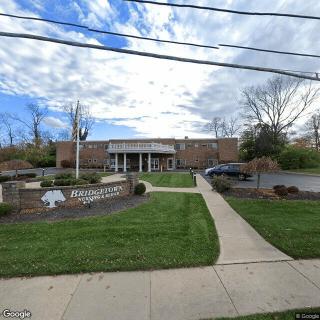
 Comprehensive on-site amenities and care services.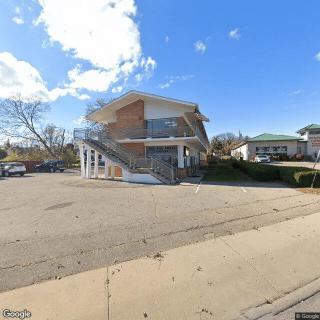
 Engaging Brain Games and Innovative Apps to Keep Senior Minds Active
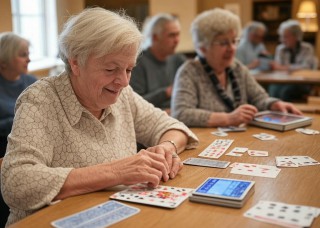 Effective Strategies for Keeping Seniors' Minds Active: A Deep Dive into Brain Games and Apps
 In-Depth Look at the VA Aid and Attendance Program