For more information about senior living options: (866) 208-4318
3.2 from 103 reviews
5 stars
49
4 stars
4
3 stars
4
2 stars
15
1 stars
31
Overall Review of Covenant Village Rehab
common28 reviews mention this
Caring staff is a recurring theme
Many reviews describe staff who are kind, helpful, and attentive to residents.
Across the reviews, residents and families repeatedly point to staff members who show up with patience and respect. People mention nurses, aides, and therapy teams treating residents with dignity and working to support recovery. Some also mention administration and care staff stepping in when families had concerns, which reinforces the sense that support is available when it’s needed.
common19 reviews mention this
Clean facility stands out
Reviews frequently highlight the facility’s cleanliness and well-kept spaces.
Many reviewers say the building looks and feels clean and well-maintained, with spotless floors and fresh, comfortable rooms. A number of comments pair cleanliness with overall comfort, suggesting it’s noticeable during day-to-day visits and stays. Even in reviews that were otherwise negative, cleanliness was sometimes described as one of the few positives.
differentiator17 reviews mention this
Rehab and therapy get praise
Physical therapy and rehab care are specifically called out as strengths.
Several reviews focus on physical therapy as professional, motivating, and effective for regaining mobility. Families also describe therapy teams helping patients make meaningful progress toward returning home or walking more confidently. A few reviewers add that therapy can be helpful even when the overall experience is mixed, which suggests the rehab portion is a consistent focus area.
caveat12 reviews mention this
Food quality is hit or miss
Dining is a frequent point of disagreement in the reviews.
Some residents say meals are acceptable or nutritious, while others describe the food as bland, repetitive, cold, or simply not good. There are also comments about meals not matching dietary needs and needing extra help, like searching for a microwave or requesting alternatives. The tone across reviews suggests food quality and meal service are inconsistent depending on the stay or unit experience.
caveat16 reviews mention this
Response times and staffing drew criticism
Several reviews report slow call-light response and insufficient support.
A recurring complaint is that residents and families have trouble getting timely help when they push for assistance, especially for bathroom needs and pain relief. Some reviews tie the issue to being short-staffed, with accounts of long waits and unanswered requests. Other negative reviews go further, describing neglect-related outcomes, reinforcing why staffing and attentiveness come up as major concerns.
caveat9 reviews mention this
Medical communication can be delayed
Some reviewers say medical updates and doctor access can be slow.
Several comments describe delays in addressing health issues, including delayed medication administration or difficulties getting timely medical attention. Some reviews also mention limited doctor availability and long gaps before follow-ups or test-related decisions. While some residents praised nursing and rehab care, the negative medical communication stories point to frustration when health matters arise.
How we summarize
Counts show how many written reviews mention each theme; a review can touch several themes, and only frequently mentioned themes are displayed.
Features
Types of Care
Skilled Nursing Facility
Amenities
Activities on-site
Devotional services off-site
Indoor common areas
Transportation
Cincinnati Northern Kentucky International (10 miles away)
Care Services
Ambulatory care
Diabetic care
High acuity care
Dining
Meals provided
Activities
Activities on-site
Devotional activities offsite
Nearby Places of Interest
This part of Cincinnati, Ohio offers a variety of amenities and services that cater to the needs of seniors. With multiple physician offices, hospitals, pharmacies, and places of worship within close proximity, residents have easy access to medical care and community support. In addition, there are several dining options ranging from fast food to sit-down restaurants, as well as cafes for socializing with friends. The presence of a nearby theater provides entertainment options for those who enjoy movies. Parks in the area offer opportunities for leisurely walks or time spent outdoors. Overall, this neighborhood provides a convenient and well-rounded environment for seniors seeking a comfortable and accessible place to live.
Physicians
Seven Hills Women's Health Centers (0.2 miles)
Western Family Physicians (0.6 miles)
White Oak Family Practice (2.4 miles)
Cincinnati Foot Care (2.6 miles)
Eye Care Associates (3.4 miles)
Beacon Orthopaedics & Sports Medicine (3.5 miles)
Good Samaritan Western Ridge (4.4 miles)
Places of Worship
White Oak Chapel (0.6 miles)
Lifespring Christian Church (3.7 miles)
Vineyard Church Northwest (3.9 miles)
St Vivian's Catholic Church (4.5 miles)
St Dominic Church (6.2 miles)
St James of the Valley (7 miles)
Hospitals
Mercy Health - West Hospital Campus (0.6 miles)
Cincinnati Children's (2.7 miles)
Cincinnati Children's Green Township (2.8 miles)
Good Samaritan Hospital (4.9 miles)
Veterans Hospital (5.4 miles)
Cincinnati Children's Hospital Medical Center (5.7 miles)
University of Cincinnati Medical Center (5.7 miles)
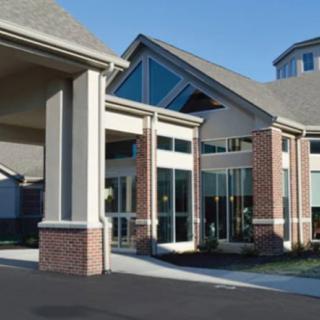
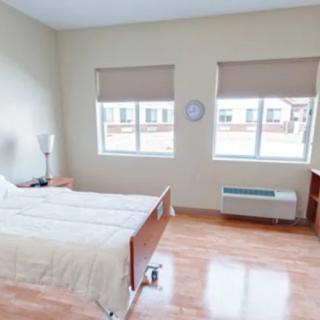
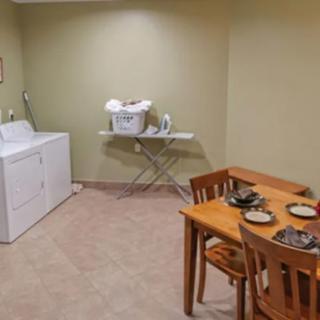
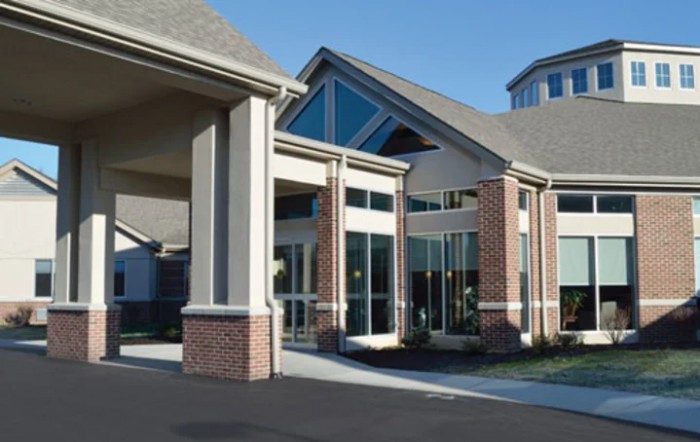
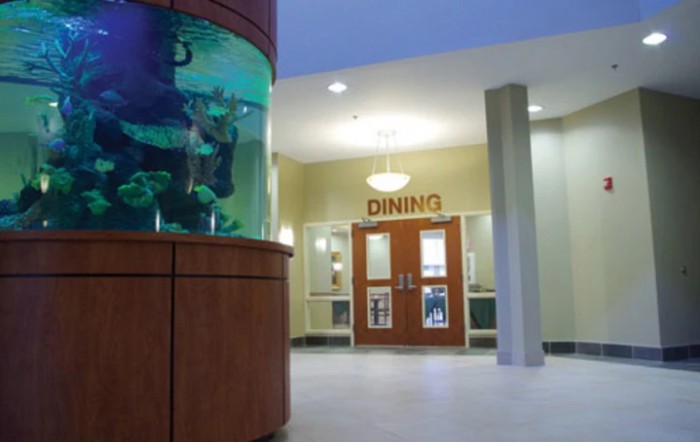
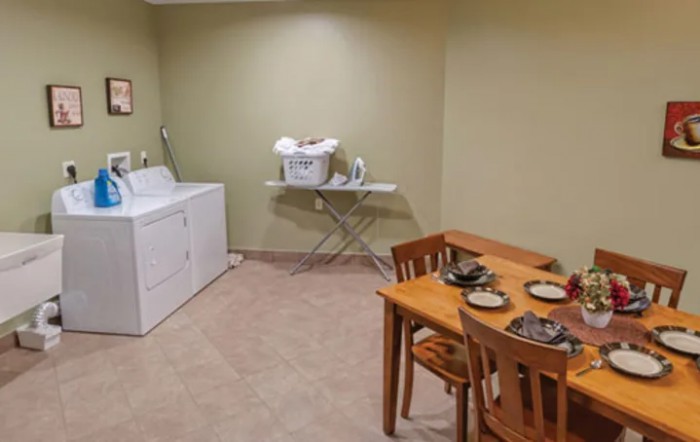
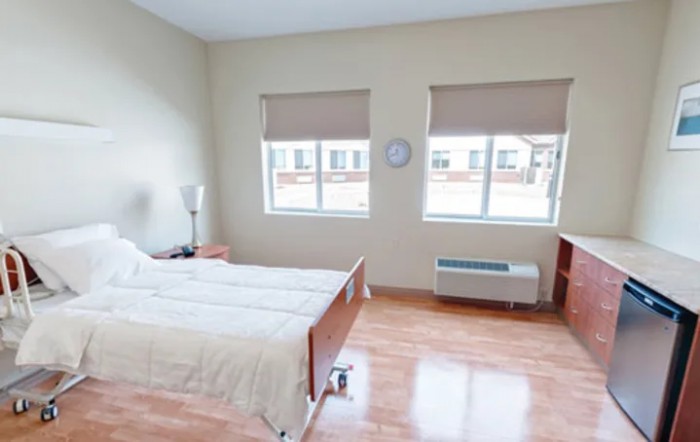
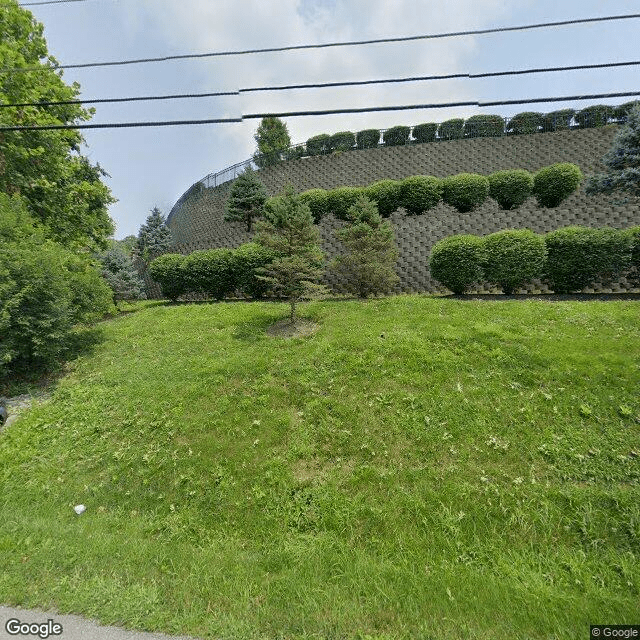
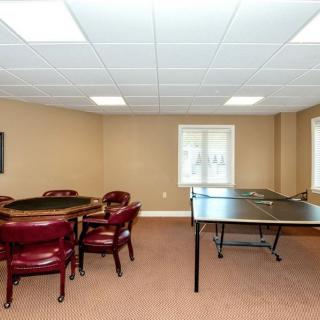
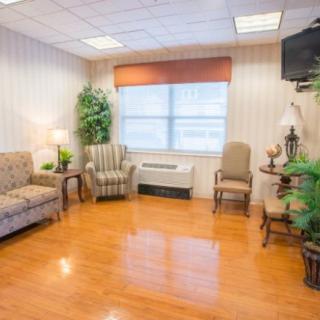
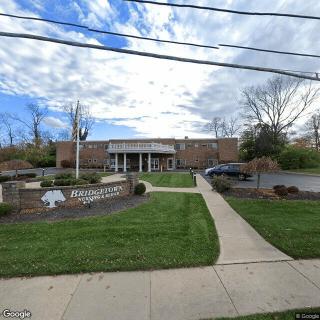
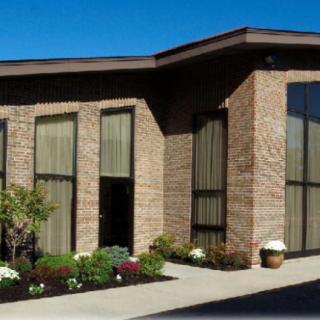
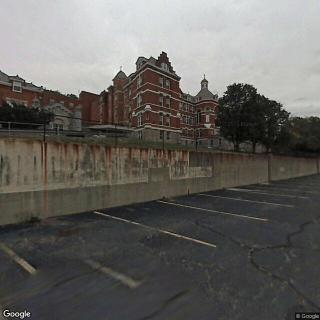
Covenant Village Rehab on seniors.fyi includes 5 photos including images showing interior, entrance, bedroom, building, architecture, aquarium, dining, laundry room, and more.
Nearby Communities
Traditions at North Bend
Cincinnati, OH
4.1 from 85 reviews
$3,200 to $5,995 / month
Attentive staff in a well-kept, amenity-rich setting with strong social opportunities.
Airy Hills at North Bend Crossing
Cincinnati, OH
5 from 1 review
$5,500 to $6,800 / month
Specialized memory care with comprehensive services and engaging activities.
Airy Hills at North Bend Crossing
Cincinnati, OH
Specialized memory care with 24/7 supervision and care coordination.
The Wellington At North Bend Crossing
Cincinnati, OH
4.2 from 176 reviews
$2,395 to $5,585 / month
Friendly, attentive staff and well-kept, spacious rooms with active resident programming.
Visiting Angels Cincinnati West
Cincinnati, OH
4.8 from 41 reviews
Flexible hour-based pricing with consistent, attentive caregivers and proactive owner communication.
Terrace View Gardens
Cincinnati, OH
3.9 from 58 reviews
Extensive on-site amenities and care services (dining, beauty salon, fitness, wellness center, transportation) in a fully furnished setting.
Bridgetown Nursing And Rehabilitation Centre
Cheviot, OH
3.3 from 34 reviews
Comprehensive on-site amenities and care services.
Ivy Woods Care Center
Cincinnati, OH
3.8 from 25 reviews
24/7 supervision with a broad mix of on-site amenities and engaging activities.
St. Francis Court Apartments
Cincinnati, OH
3.6 from 23 reviews
Location with abundant nearby amenities and easy access to healthcare.
Palliative home care focuses on improving the quality of life for individuals with serious illnesses by providing comfort, symptom management, and emotional support in their own homes. This approach includes personalized care plans, regular assessments, and resources for family caregivers, all while prioritizing person-centered treatment that aligns with patients' goals.
Skilled nursing facilities (SNFs) provide high-level medical care and rehabilitation for short-term recovery, typically covered by Medicare after hospitalization, while nursing homes focus on ongoing custodial care for chronic conditions, mainly funded by Medicaid or private payments. The staffing and regulatory structures differ significantly between the two, necessitating clarity for families in choosing appropriate long-term care options.
Nursing home care costs in the U.S. vary significantly based on location, level of care, and amenities, with private room prices ranging from approximately $6,700 to over $30,000 monthly. Families need to explore various payment options and conduct thorough research to manage these expenses effectively.
Get PricingAsk A QuestionSchedule A TourContact Senior Advisor
By clicking submit, you agree to our Partner's Terms of Use. You
also consent to receive calls and texts, which may be autodialed, from our Partner. Your consent is not a condition to
using our Partner's service. Please visit our Partner's Privacy Policy for information about their privacy practices.


 Skilled Nursing Facility
 Activities on-site
 Devotional services off-site
 Indoor common areas
 Cincinnati Northern Kentucky International (10 miles away)
 Ambulatory care
 Diabetic care
 High acuity care
 Meals provided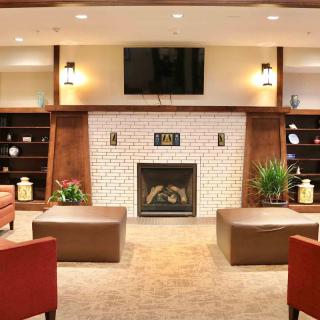
 Attentive staff in a well-kept, amenity-rich setting with strong social opportunities.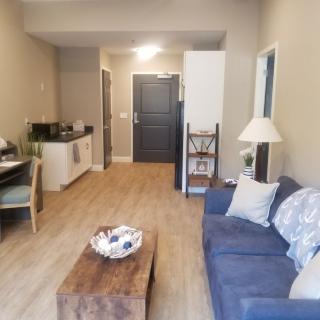


 Comprehensive Insights into Palliative Home Care: What It Is and What to Expect
 Skilled Nursing Facilities vs. Nursing Homes: Making Sense of the Differences
 A Detailed Examination of Nursing Home Costs Across the U.S.