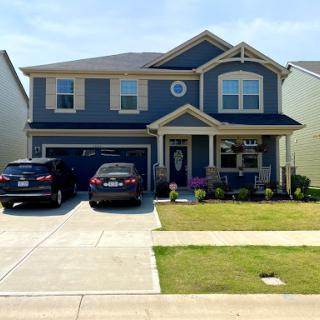
Huntersville Oaks in Huntersville, NC

Save

Huntersville Oaks in Huntersville, NC

Information last verified:

12019 Verhoeff Drive, Huntersville, NC 28078

For more information about senior living options: (844) 490-3973

2.9 from 64 reviews
5 stars
23
4 stars
5
3 stars
5
2 stars
7
1 stars
24

Overall Review of Huntersville Oaks

Pros

  • pro All the staff are always kind, respectful and helpful.
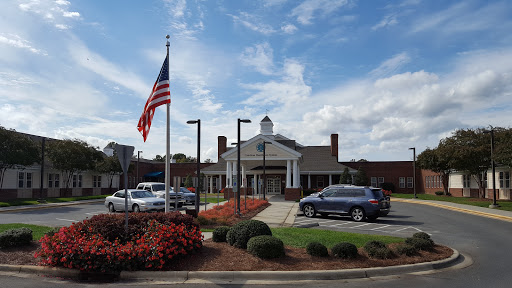
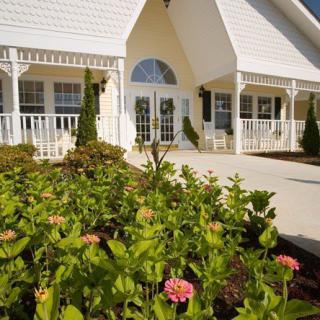
  • pro They keep the facility clean and welcoming.
  • pro The staff goes above and beyond to ensure residents are cared for and following the treatment plans.
  • pro The nurses are respectful and attentive to residents’ needs.
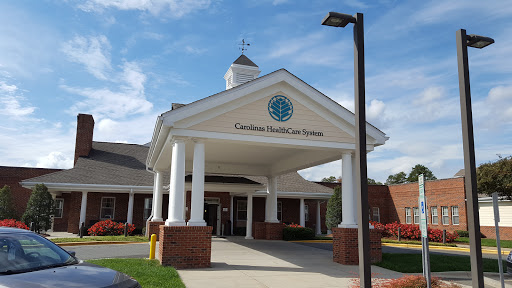
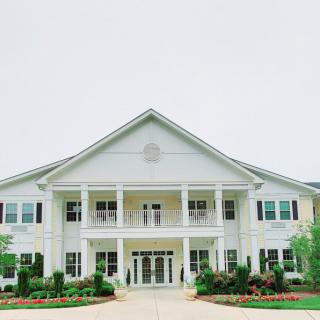
  • pro The facility is aesthetically pleasing.
  • pro The physical, speech and occupational therapists are awesome.
  • pro The administration staff always listen and act on residents’ concerns.
  • pro The care staff is always friendly and helpful.
  • pro Visitors describe Huntersville Oaks as a place that could be the “RITZ” in nursing homes.

Cons

  • pro The facility is severely understaffed, leaving caregivers unable to meet residents' needs.
  • pro Call bells often go unanswered for long periods, delaying essential assistance.
  • pro Communication with administration and admissions is unreliable, with many calls not returned.
  • pro Residents report neglect and poor hygiene, including delays in baths and assistance.
  • pro Bedsores and other medical issues have been reported as unreported or untreated.
  • pro Food is frequently served cold and meals are inconsistent in quality and availability.
  • pro Some CNAs and nurses are apathetic or rude, undermining residents' dignity.
  • pro Management is perceived to prioritize profit over patient care, especially regarding staffing levels.

Review

Huntersville Oaks is best suited for families seeking a short-term recovery option where the clinical team and therapy staff inspire confidence, and where a clean, attractive setting can provide peace of mind during post-acute rehab. The rehab side earns the strongest praise: physicians, nurses, and especially the physical, speech, and occupational therapists are often described as capable, compassionate, and responsive, with some care teams going above and beyond to align with treatment plans. The facility also offers a pleasant, home-like atmosphere, featuring an on-site restaurant, salon services, and an active calendar of activities that can support a patient’s morale during a difficult transition. For families primarily focused on restoration after surgery or a fall, Huntersville Oaks can deliver meaningful progress when staffing holds steady and communication remains consistent.

That said, potential residents and their families should explicitly consider alternatives if long-term care hinges on rock-solid staffing and uninterrupted day-to-day reliability. The reviews paint a persistent picture of understaffing and inconsistent coverage, with call bells sometimes unanswered and medications not always delivered on time. Several families report difficulty connecting with administration, social work, or admissions, and some describe experiences where basic hygiene, timely baths, or daily needs were not reliably met. For dementia care, wandering risks, or the need for a lockdown unit, Huntersville Oaks may fall short. Those requiring around-the-clock vigilance and uniformly dependable service may want to look elsewhere where staffing ratios and care protocols have a more proven track record.

The core selling points, the cleanliness, warmth of the environment, and the standout rehab team, do not fully offset the main drawbacks. When the rehab and therapy teams are present and well-coordinated, outcomes can be favorable, and several families note that therapists, CNAs, and nurses deliver attentive, timely care. However, the same facility-wide issues that depress overall satisfaction, understaffing, inconsistent communication, and occasional neglect concerns, can undercut the rehab gains. In short, the positives in clinical care and environment matter, but they operate within a framework that can be unreliable on routine, everyday needs, particularly in long-term or persistent-care scenarios.

Several reviews highlight a stark dichotomy: some families experience high-quality rehabilitative care and compassionate staff, while others encounter troubling gaps in daily operations that undermine safety and trust. The most troubling examples involve delayed or missed medications, slow responses to call lights, and inconsistent hygiene or comfort practices. Bedsores, UTIs, and documented lapses in documentation or communication appear in multiple accounts, underscoring a pattern that cannot be dismissed. On balance, Huntersville Oaks remains a facility where competent therapists and caring front-line staff can drive meaningful improvement for a resident’s recovery, but the long-term picture is marred by staffing volatility and management gaps that complicate reliable care.

Actionable guidance for families pursuing Huntersville Oaks focuses on proactive engagement and rigorous expectations. Prioritize a candid conversation with the rehab director and lead nurses about staffing coverage across shifts, med administration protocols, and response times to call bells. Request a concrete daily schedule for PT/OT/SLP sessions during rehab stays, and insist on regular updates from both medical and social work teams. On tours, probe how often care staff are on the floor, how often residents are checked during the night, and what contingency plans exist when short-staffed. Families should also verify whether a locked unit or enhanced dementia care options are available if wandering becomes a concern, and compare with nearby facilities that have established, stable long-term care reputations. Documentation of prior incidents and a clear escalation path can help anchor expectations and reduce fraught surprises.

In the end, Huntersville Oaks presents a pragmatic choice for families prioritizing rehabilitation progress in a pleasant setting, backed by capable therapists and a caring front-line crew. Yet the broad and recurring themes of understaffing and variable administrative responsiveness cannot be ignored. For short-term rehab where the emphasis is on getting back on feet, the facility can be a good fit if one enters with clear expectations, a strong advocate on site, and a plan to monitor daily care closely. For long-term care, dementia management, or situations requiring unwavering reliability and rapid, consistent communication, alternatives with demonstrably steadier staffing and tighter care protocols deserve serious consideration. The decision should hinge on the resident’s care trajectory: if rehab success is the priority and a capable, empathetic team is valued, Huntersville Oaks can deliver; if ongoing, dependable daily care is non-negotiable, exploration of other options is warranted.

Features

Housing

  • 168 resident community capacity 168 resident community capacity

Types of Care

  • Skilled Nursing Facility Skilled Nursing FacilitySkilled Nursing Facilities are crucial for seniors as they provide round-the-clock medical care, rehabilitation services, and assistance with daily activities. These facilities ensure that seniors receive the specialized care they need to maintain their health and well-being as they age.

Amenities

  • Air-conditioning Air-conditioningAir conditioning is important for seniors as they are more vulnerable to heat-related illnesses and may have underlying health conditions that make it difficult for them to regulate their body temperature. It helps to keep them comfortable, safe, and healthy in hot weather.
  • Beauty salon Beauty salonBeauty salons are important for seniors because they provide a space for them to feel pampered, socialize, and maintain their personal grooming and hygiene. Regular visits to a beauty salon can help boost seniors' self-esteem and overall well-being.
  • Cable or satellite TV Cable or satellite TVCable or satellite TV is important for seniors because it provides entertainment, news, and companionship, helping to combat loneliness and boredom. It also offers a wide range of programming options tailored to different interests and preferences.
  • Computer center Computer centerA computer center is essential for seniors as it provides access to technology, communication tools, and resources that can enhance their daily lives. It allows them to stay connected with loved ones, engage in online activities, and learn new skills, ultimately promoting socialization and mental stimulation.
  • Dining room Dining roomDining rooms are important for seniors as they provide a space for socialization, connection, and nutritious meals. They offer opportunities for residents to bond over shared meals, foster a sense of community, and promote healthy eating habits. Dining rooms also ensure that seniors have access to well-balanced meals tailored to their dietary needs and preferences.
  • Fitness room Fitness roomHaving a fitness room in a senior living community is essential for seniors to stay active, maintain their physical health, and improve their overall well-being. Regular exercise can help prevent falls, reduce the risk of chronic diseases, and promote mental sharpness. It also provides social opportunities for residents to connect with others and enjoy a sense of community.
  • Fully furnished Fully furnishedFully furnished senior living communities are important for seniors because they provide convenience, comfort, and a hassle-free moving experience. Seniors can easily settle into their new living space without the stress of having to buy and move furniture. This allows them to focus on enjoying their new home and community.
  • Gaming room Gaming roomGaming rooms are important for seniors as they provide a fun and engaging environment for socializing, cognitive stimulation, and physical activity. Games can improve memory, problem-solving skills, and overall mental well-being while fostering friendships and reducing feelings of isolation.
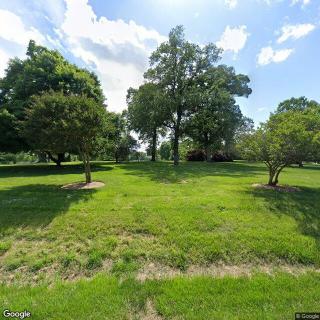
  • Garden GardenGardens are important for seniors as they provide a peaceful and therapeutic environment for relaxation, physical activity, and socialization. Being in nature has been shown to reduce stress, improve mood, and promote overall well-being. Gardens also offer opportunities for seniors to engage in gardening activities, which can improve mobility, flexibility, and cognitive function. Additionally, gardens create a sense of community and connection with others who share a passion for plants and outdoor spaces.
  • Housekeeping services Housekeeping servicesHousekeeping services are important for seniors because they help maintain a clean and safe living environment, promote independence, and reduce the risk of accidents or illnesses. Additionally, having assistance with household chores can alleviate physical strain and allow seniors to focus on other aspects of their well-being.
  • Kitchenette KitchenetteKitchenettes are important for seniors living in senior living communities because they provide the convenience and independence of being able to prepare simple meals and snacks in the comfort of their own living space. This can help promote a sense of autonomy and well-being for seniors, allowing them to maintain some level of control over their dietary choices and daily routines.
  • Move-in coordination Move-in coordinationMove-in coordination is important for seniors because it helps ease the transition into their new living environment. It ensures that all logistics, such as packing, organizing movers, and setting up utilities are taken care of, allowing seniors to focus on settling in and adjusting to their new home. Having a smooth move-in process can alleviate stress and anxiety, making the transition smoother and more enjoyable for seniors.
  • Outdoor space Outdoor spaceOutdoor spaces are important for seniors as they provide opportunities for physical activity, social interaction, exposure to natural light and fresh air, and a sense of connection to nature. Having access to outdoor spaces can improve overall well-being and quality of life for older adults living in senior communities.
  • Private bathrooms Private bathroomsPrivate bathrooms are important for seniors in senior living communities because they provide independence, dignity, and comfort. Having a private bathroom allows seniors to maintain their personal hygiene routines without the need for assistance, promoting a sense of autonomy and privacy. Additionally, private bathrooms help prevent the spread of infections and provide a safe and clean environment for seniors to navigate safely.
  • Restaurant-style dining Restaurant-style diningRestaurant-style dining is important for seniors because it allows them to enjoy delicious, nutritious meals in a social and upscale setting. This enhances their dining experience, promotes healthy eating habits, and fosters socialization with fellow residents, ultimately contributing to their overall well-being and quality of life.
  • Small library Small librarySmall libraries are important for seniors as they provide access to a variety of reading materials, including books, newspapers, and magazines. This can help stimulate their minds, keep them engaged, and provide a sense of community through book clubs and other social activities. Additionally, reading has been shown to improve cognitive function and overall mental well-being in older adults.
  • Telephone TelephoneTelephones are important for seniors as they provide a lifeline for communication with loved ones, emergency services, and healthcare providers. They offer a sense of security and independence, enabling seniors to stay connected and access assistance when needed.
  • Wellness center Wellness centerWellness centers are important for seniors because they offer a variety of programs and services that promote physical, mental, and emotional well-being. These centers provide opportunities for exercise, socialization, education, and relaxation, helping seniors maintain their overall health and quality of life.
  • Wi-Fi/high-speed internet available Wi-Fi/high-speed internet availableWi-Fi/high-speed internet is important for seniors to stay connected with loved ones, access online resources, and participate in virtual activities to combat feelings of loneliness and isolation. It also allows them to easily manage healthcare needs, access entertainment, and engage in lifelong learning opportunities.

Transportation

  • Charlotte Douglas International (14 miles away) Charlotte Douglas International (14 miles away)
  • Community operated transportation Community operated transportationCommunity operated transportation is crucial for seniors as it provides them with the means to access essential services, social activities, and medical appointments. It allows seniors to maintain their independence and quality of life by ensuring they can participate in activities outside of their homes. Additionally, community-operated transportation services offer a safe and reliable way for seniors to travel without having to rely on family or friends for assistance.
  • Transportation arrangement Transportation arrangementTransportation arrangements are crucial for seniors as they may face challenges with driving, mobility, or access to public transportation. Having reliable transportation services ensures that seniors can easily attend appointments, social activities, and maintain their independence and quality of life.
  • Transportation arrangement (non-medical) Transportation arrangement (non-medical)Transportation arrangements are essential for seniors as they provide access to essential services, activities, and social interactions outside the home. This service helps maintain independence, mobility, and overall well-being for seniors who may have limited transportation options.
  • Transportation to doctors appointments Transportation to doctors appointmentsTransportation to doctors appointments is crucial for seniors as it ensures they have access to necessary medical care and support, promoting their health and well-being. It allows them to receive timely treatment, monitor existing conditions, and address any new health concerns efficiently. Additionally, transportation services can help seniors maintain their independence and quality of life by enabling them to stay connected with their healthcare providers.

Care Services

  • 12-16 hour nursing 12-16 hour nursing12-16 hour nursing care is crucial for seniors in order to ensure around-the-clock monitoring, timely medication administration, and prompt response to any health concerns or emergencies. This level of care helps to promote the overall well-being and safety of seniors living in senior living communities.
  • 24-hour call system 24-hour call system24-hour call systems are important for seniors because they provide peace of mind and immediate assistance in case of emergencies. This technology ensures that help is always available, promoting safety and security for elderly individuals living alone or in assisted living facilities.
  • 24-hour supervision 24-hour supervision24-hour supervision is important for seniors to ensure their safety, well-being, and access to immediate assistance in case of emergencies or health issues. This constant support provides peace of mind for both seniors and their loved ones, allowing them to age in place with dignity and security.
  • Activities of daily living assistance Activities of daily living assistanceActivities of daily living assistance are important for seniors because they provide essential support with tasks such as eating, bathing, dressing, and mobility. This assistance helps seniors maintain their independence, dignity, and overall quality of life as they age.
  • Assistance with bathing Assistance with bathingAssistance with bathing is crucial for seniors as it helps maintain personal hygiene, prevents infections, and ensures their overall well-being and comfort. It also provides a sense of dignity and independence for seniors who may struggle with this task on their own.
  • Assistance with dressing Assistance with dressingAssistance with dressing is important for seniors because it helps maintain their independence, promotes personal hygiene, prevents accidents and injuries, and improves overall quality of life. This service ensures that seniors can continue to dress comfortably and confidently, despite any physical limitations they may have.
  • Assistance with transfers Assistance with transfersAssistance with transfers is crucial for seniors as it helps prevent falls and injuries, maintains their independence, and ensures they can safely navigate their living environment. It also provides peace of mind for both seniors and their loved ones.
  • Diabetes diet Diabetes dietA diabetes diet is crucial for seniors as it helps manage blood sugar levels, reduce risks of complications, and improve overall health and well-being. By following a balanced and nutritious diet tailored to their specific needs, seniors can better control their diabetes and enhance their quality of life.
  • Meal preparation and service Meal preparation and serviceMeal preparation and service are crucial for seniors as they may have limited mobility or energy to cook nutritious meals. Having access to healthy and convenient food options can ensure they are getting the proper nutrition needed to maintain their overall health and well-being.
  • Medication management Medication managementMedication management is crucial for seniors to ensure they are taking the right medications at the correct dosages and times. This helps prevent adverse drug interactions, reduces the risk of medication errors, and promotes overall health and well-being. Proactive management also allows for adjustments as needed based on changing health conditions or new prescriptions.
  • Mental wellness program Mental wellness programMental wellness programs are essential for seniors as they promote cognitive stimulation, emotional support, and social engagement. These programs help prevent isolation, depression, and cognitive decline, ultimately enhancing the overall quality of life for older adults.
  • Special dietary restrictions Special dietary restrictionsSpecial dietary restrictions are important for seniors because age-related changes in metabolism and health conditions can make it difficult for their bodies to process certain foods. By following a diet tailored to their specific needs, seniors can maintain their overall health and well-being, manage chronic conditions, and reduce the risk of complications such as malnutrition or food interactions with medications.

Dining

  • Diabetes diet Diabetes dietA diabetes diet is crucial for seniors as it helps manage blood sugar levels, reduce risks of complications, and improve overall health and well-being. By following a balanced and nutritious diet tailored to their specific needs, seniors can better control their diabetes and enhance their quality of life.
  • Special dietary restrictions Special dietary restrictionsSpecial dietary restrictions are important for seniors because age-related changes in metabolism and health conditions can make it difficult for their bodies to process certain foods. By following a diet tailored to their specific needs, seniors can maintain their overall health and well-being, manage chronic conditions, and reduce the risk of complications such as malnutrition or food interactions with medications.

Activities

  • Community-sponsored activities Community-sponsored activitiesCommunity-sponsored activities are important for seniors as they provide opportunities for social interaction, mental stimulation, and physical activity. These activities can help improve overall well-being, combat loneliness and isolation, and promote a sense of belonging and purpose among older adults.
  • Concierge services Concierge servicesConcierge services are essential for seniors as they provide assistance with daily tasks and errands, enhance their quality of life by offering convenience and personalized care, and promote a sense of safety and security.
  • Fitness programs Fitness programsFitness programs are crucial for seniors as they help improve strength, flexibility, balance, and overall well-being. Staying active can reduce the risk of chronic diseases, improve mental health, and enhance quality of life in older adults.
  • Planned day trips Planned day tripsPlanned day trips are important for seniors because they offer opportunities for socialization, mental stimulation, and physical activity. They provide a change of scenery and help seniors stay engaged and connected to their community, promoting overall well-being and quality of life.
  • Resident-run activities Resident-run activitiesResident-run activities are important for seniors as they encourage social interaction, creativity, and a sense of autonomy. These activities empower seniors to stay engaged and active in their community while fostering meaningful connections with their peers.
  • Scheduled daily activities Scheduled daily activitiesScheduled daily activities are important for seniors because they provide structure, socialization, mental stimulation, and physical activity. Engaging in regular activities can improve overall well-being and quality of life for seniors living in a community setting.

Description

Huntersville Oaks is an assisted living community located in the beautiful town of Huntersville, NC. Our community offers a wide range of amenities and care services to meet the needs of our residents.

Amenities at Huntersville Oaks include a beauty salon for all your grooming needs, cable or satellite TV for entertainment, community operated transportation for easy access to local attractions and events, a computer center for staying connected, a dining room for enjoying delicious meals, a fitness room to stay active and healthy, fully furnished apartments for comfortable living, a gaming room for leisure activities, a garden with outdoor space to enjoy nature, housekeeping services to keep your apartment tidy, kitchenette in each apartment for convenient meal preparation, move-in coordination to make the transition smooth, private bathrooms for your privacy and convenience, restaurant-style dining experience, a small library for reading enthusiasts, telephone service in each apartment for uninterrupted communication, transportation arrangement (non-medical) to ensure you can travel easily within the community or further if needed, transportation to doctors appointments so you never miss an important appointment, a wellness center with resources and programs to promote holistic well-being of our residents and Wi-Fi/high-speed internet connectivity throughout the community.

Care Services at Huntersville Oaks include 24-hour call system to ensure help is always available when needed, 24-hour supervision by trained staff members, assistance with Activities of Daily Living (ADLs) such as bathing and dressing to support our residents' independence and dignity. We offer specialized care like diabetes diet management and assistance with transfers. Our dedicated staff also provides medication management services to ensure proper administration. Mental wellness programs are available to promote emotional well-being of our residents. Special dietary restrictions are accommodated in our dining services. Transportation arrangements are made for various purposes.

Dining at Huntersville Oaks caters to special dietary restrictions ensuring that each resident receives meals that meet their specific needs.

Activities offered at Huntersville Oaks include concierge services to assist with any needs, fitness programs to help residents stay active and healthy, planned day trips to explore the local area, resident-run activities for socialization and engagement, and scheduled daily activities to ensure there is always something fun and interesting happening within the community.

The community is conveniently located in close proximity to two cafes, three parks, six pharmacies, eight physicians' offices, sixteen restaurants, a theater and a hospital. This ensures easy access to various amenities and medical care for our residents.

At Huntersville Oaks, we strive to provide a warm and welcoming environment where our residents can live comfortably while receiving the care they need. Come join our community and experience a fulfilling lifestyle tailored to your individual needs.

Nearby Places of Interest

Parks

  • Richard Barry Park (0.2 miles)
  • Blythe Landing Park (4.5 miles)
  • Glen Oak Green Park (4.9 miles)
  • Overlook Neighborhood (6.9 miles)
  • Dorton Park (9.6 miles)

Hospitals

  • Novant Health Huntersville Medical Center (1.3 miles)

Pharmacies

  • Walgreens (1.4 miles)
  • CVS Pharmacy (1.5 miles)
  • CVS Pharmacy (3.2 miles)
  • Walgreens (3.2 miles)
  • CVS Pharmacy (4.1 miles)
  • CVS Pharmacy (4.5 miles)
  • CVS Pharmacy (5.5 miles)

Restaurants

  • McDonald's (1.5 miles)
  • Cook Out (1.6 miles)
  • McDonald's (1.8 miles)
  • Primal Brewery (3 miles)
  • Chick-Fil-A (3.2 miles)
  • Showmars (3.3 miles)
  • Spare Time at Lake Norman (3.3 miles)

Physicians

  • Charlotte Sports Medicine Institute PA (2.8 miles)
  • Justin Brown, MD - Charlotte Eye Ear Nose & Throat Associates, P.A. (2.8 miles)
  • Novant Health Lakeside Family (3.1 miles)
  • Lakeside Family Physicians (3.4 miles)
  • Endoscopy Services Center (3.4 miles)
  • Northlake Dermatology (3.4 miles)
  • Northcross Medical Spa & Laser Center (3.5 miles)

Theaters

  • AMC Northlake 14 (2.8 miles)
  • AMC Concord Mills 24 (6.8 miles)

Cafes

  • Panera Bread (3.1 miles)
  • Starbucks (4.5 miles)
  • Starbucks (7.9 miles)
  • Hex Coffee (10.1 miles)
  • Smelly Cat Cof (10.4 miles)

Transportation

  • Concord Regional Airport (JQF) (USA) (7.4 miles)
  • LYNX UNC Charlotte - Main Station (8.5 miles)
  • LYNX University City Boulevard Station (8.7 miles)
  • Sugar Creek Station (10.2 miles)

Places of Worship

  • Cove Church (9.5 miles)
  • Liberty Baptist Church (9.6 miles)

Frequently Asked Questions

Where is Huntersville Oaks?
What photos are available for Huntersville Oaks in Huntersville, North Carolina?

Nearby Communities

  • Huntersville Oaks Nursing Home

    Huntersville Oaks Nursing Home

    Huntersville, NC

    2.8 from 42 reviews
     

    pro Vibrant community with 24/7 staff and convenient access to amenities.


  • The Courtyards at Kinnamon Park

    The Courtyards at Kinnamon Park

    Huntersville, NC

    4.9 from 9 reviews
     

    pro Intimate community with personalized care, meal service, and medication management.

  • Huntersville Health & Rehab Center

    Huntersville Health & Rehab Center

    Huntersville, NC

    4.2 from 118 reviews
     

    pro Well-equipped rehab facilities with spacious rooms and ample amenities.

  • Dilack Homecare and Nursing Services

    Dilack Homecare and Nursing Services

    Huntersville, NC

    4.4 from 7 reviews
     

    pro Patient-centric care led by an experienced RN with personalized attention.

  • Cadence at Huntersville

    Cadence at Huntersville

    Huntersville, NC

    4.4 from 86 reviews
    $3,865 to $6,425 / month

    pro Warm, attentive staff in a clean, home-like setting with varied activities and inclusive care levels.

  • Carillon Assisted Living Of Huntersville

    Carillon Assisted Living Of Huntersville

    Huntersville, NC

    4.2 from 43 reviews
     

    pro Strong memory-care focus with 24/7 supervision and comprehensive amenities.

  • The Glens at Birkdale Commons

    The Glens at Birkdale Commons

    Huntersville, NC

    4.4 from 13 reviews
    $995 to $1,250 / month

    pro Friendly staff, in-home fully equipped kitchens, and a busy social/fitness calendar.

  • Preston House I,  LLC

    Preston House I, LLC

    Charlotte, NC

    4.6 from 37 reviews
    $4,500 / month

    pro Memory care services with convenient nearby amenities.

  • The Haven in Highland Creek

    The Haven in Highland Creek

    Charlotte, NC

    3.5 from 22 reviews
    $4,835 to $5,645 / month

    pro Beautiful, well-maintained grounds with a neighborhood layout and dedicated dining/activities areas.

Related Resources

  • uti in elderlyUrinary Tract Infections in Older Adults: Comprehensive Insights on Symptoms, Treatment, and Prevention

    Older adults with urinary tract infections (UTIs) often present atypical symptoms, complicating diagnosis due to factors like incomplete bladder emptying and chronic health conditions that increase their susceptibility. Effective management involves prompt treatment with antibiotics, hydration, and preventive strategies while minimizing antibiotic resistance and focusing on holistic care approaches.

  • 602 formCalifornia's Form 602A: An In-Depth Examination of Senior Care Assessment

    California's Form 602A is a vital tool for evaluating the health needs of seniors seeking residential care, detailing their medical conditions and daily living requirements to ensure proper service alignment. This standardized form enhances communication among physicians, families, and facilities, serving as a regulatory measure for admissions and ongoing care while adapting to changing healthcare practices.

  • elderly blood pressure chartComprehensive Look at Senior Blood Pressure Charts: Normal and Elevated Levels by Age

    The overview of blood pressure management for seniors emphasizes the importance of monitoring and interpreting blood pressure readings, noting that normal ranges can vary due to age-related factors and individual health conditions. It highlights tailored guidelines for systolic and diastolic levels, the necessity of early detection and consistent management to prevent serious health complications, and advocates for personalized care strategies that incorporate lifestyle changes and medication adherence.