Cadence at Huntersville offers competitive pricing for its living accommodations compared to both Mecklenburg County and the broader North Carolina area. For studio apartments, Cadence's rate of $3,865 is slightly lower than the county average of $3,941 and significantly more favorable than the state average of $4,020. In the semi-private category, however, Cadence's pricing at $5,305 exceeds both local and state averages - Mecklenburg County's semi-private rooms are priced at $4,191 while North Carolina as a whole averages $3,584. Meanwhile, for one-bedroom units, Cadence stands out with a price of $6,425 that surpasses the county's rate of $3,434 and is higher than the state's average of $4,055. Overall, while Cadence at Huntersville presents an appealing option for studio living, its semi-private and one-bedroom offerings might require consideration within the context of local market trends.
Floor plans
Cadence at Huntersville
Mecklenburg County
North Carolina
Studio
$3,865
$3,941
$4,020
Semi-Private
$5,305
$4,191
$3,584
1 Bedroom
$6,425
$3,434
$4,055
Memory care communities with a similar price nearby
Residents and families consistently describe staff as warm and responsive.
Across the reviews, residents and loved ones repeatedly describe staff members as kind, friendly, and attentive to individual needs. Many mention quick help with questions, reassuring communication, and a family-like atmosphere that makes transitions feel easier. A few reviewers also raise concerns about responsiveness or staffing during certain periods, but the overall pattern in the feedback is that people feel cared for day to day.
common22 reviews mention this
Clean, well-kept facilities
Reviews frequently point to a clean, well-maintained building.
Several residents and visitors describe the facility as spotless, clean, and well cared for, including public areas and resident rooms. Multiple reviews also mention comfort details like spacious or well-kept rooms and easy navigation for wheelchairs. A small number of reviews criticize overall condition, food, or upkeep, but most feedback is strongly positive on cleanliness and maintenance.
common26 reviews mention this
Activities keep residents engaged
Many residents describe a steady schedule of engaging activities.
Reviews frequently mention activities and outings that keep residents involved, including exercise-focused events and group social time. Families also describe specific clubs and entertainment, and some note that residents become more social after moving in. The community also offers a broad activities lineup, including on-site and off-site options, religious services, and day trips.
caveat18 reviews mention this
Dining quality is a mixed picture
Dining is described as both enjoyable and not consistently flavorful.
Some reviews praise daily meals, variety, and a restaurant-style dining experience, including appetites being met even with restrictions. Others complain about food quality, portion size, or a lack of seasoning, and a few mention problems like meals being delivered without utensils. The community does list restaurant-style dining and multiple dietary program options, which appears to be the basis for the positive experiences.
differentiator20 reviews mention this
Memory care support and transitions
Residents in memory care are repeatedly described as being met where they are.
Multiple family members describe memory care as compassionate and patient, emphasizing understanding dementia needs and maintaining a positive, calm atmosphere. Reviews also mention smooth transitions into care and ongoing communication about processes, plus care approaches tailored to individual patterns and preferences. The community offers medication management and personal care assistance, and it lists both assisted living and memory care as care types.
caveat3 reviews mention this
Pricing can feel high for families
Several families advise planning for care costs.
A recurring caution is that families should be prepared for pricing and that costs may increase as care needs change. Reviews also suggest that staffing levels can affect the experience, which can add to the concern when expectations and pricing don’t feel aligned. Pricing is described with unit-based ranges that can be above or below benchmarks depending on room type.
How we summarize
Counts show how many written reviews mention each theme; a review can touch several themes, and only frequently mentioned themes are displayed.
Features
Housing
1-bedroom apartments
Studio apartments
Types of Care
Assisted Living
Memory Care
Amenities
Activities off-site
Activities on-site
Air-conditioning
Bath tubs
Beautician on-site
Cable or satellite TV
Cafe
Devotional services off-site
Devotional services on-site
Garden
Ground floor units
Guest parking
Handicap accessible
Housekeeping services
Indoor common areas
Kitchenette
Laundry
Outdoor common areas
Party space
Respite or short term stays offered
TV room
VA Benefits Consultation
Wheelchair accessible showers
Wi-Fi/high-speed internet available
Transportation
Charlotte Douglas International (15 miles away)
Transportation & parking
Care Services
Ambulatory care
Diabetic care
Hospice care
Incontinence care
Medication management
Personal care assistants
Physical therapy
Dining
Guest meals
Low / no sodium
Meals provided
No Sugar
Restaurant style dining
Special dining programs
Activities
Activities off-site
Art classes
Arts and crafts
Book club
Catholic services
Cooking classes
Cooking club
Day trips and outings
Devotional activities offsite
Devotional activities on-site
Educational speakers / life long learning
Fitness programs
Games
Gardening club
Karaoke
Live musical performances
Live well programs
Other religious services
Religious services
Stories
Visiting chaplain or priest
Wii bowling
Wine tasting
Yoga / chair yoga
Languages Spoken
English
Videos
Nearby Places of Interest
This area of Huntersville, North Carolina offers a variety of amenities and services that cater to seniors. With several restaurants nearby such as Cook Out and Showmars, individuals can enjoy dining out without having to travel far. The Novant Health Huntersville Medical Center and multiple pharmacies like CVS and Walgreens are conveniently located for medical needs. There are also several physicians' offices in close proximity for easy access to healthcare services. Parks like Richard Barry Park provide opportunities for outdoor activities and relaxation. Additionally, the area features theaters like AMC Northlake 14 for entertainment options. Transportation is easily accessible with Concord Regional Airport nearby and LYNX stations within a short distance. Places of worship such as Cove Church and Liberty Baptist Church offer spiritual fulfillment for those seeking community connections. Overall, this part of Huntersville provides a convenient and accommodating environment for seniors looking to reside in the area.
Cadence at Huntersville offers competitive pricing for its living accommodations compared to both Mecklenburg County and the broader North Carolina area. For studio apartments, Cadence's rate of $3,865 is slightly lower than the county average of $3,941 and significantly more favorable than the state average of $4,020. In the semi-private category, however, Cadence's pricing at $5,305 exceeds both local and state averages - Mecklenburg County's semi-private rooms are priced at $4,191 while North Carolina as a whole averages $3,584. Meanwhile, for one-bedroom units, Cadence stands out with a price of $6,425 that surpasses the county's rate of $3,434 and is higher than the state's average of $4,055. Overall, while Cadence at Huntersville presents an appealing option for studio living, its semi-private and one-bedroom offerings might require consideration within the context of local market trends.
Incontinence care is essential for residents with dementia or Alzheimer's, as it helps maintain dignity and comfort while addressing personal hygiene needs in a sensitive manner. Medication management ensures that all residents receive the correct medications at the appropriate times, reducing the risk of confusion or adverse effects often associated with memory-related illnesses. Additionally, physical therapy plays a crucial role in maintaining mobility and physical health, enhancing overall well-being and helping to manage any behavioral challenges that may arise from discomfort or immobility. Together, these features create a supportive environment that caters specifically to the unique needs of individuals facing cognitive decline.
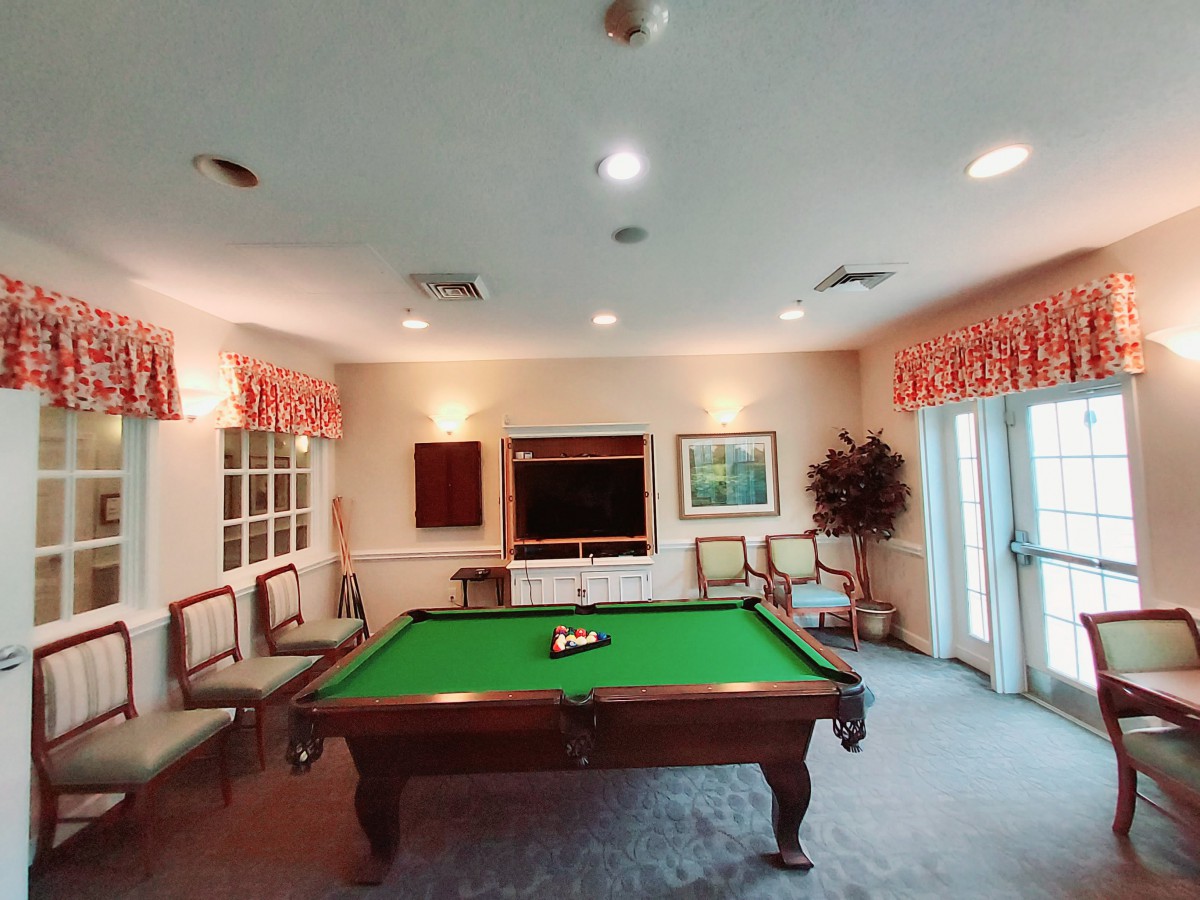
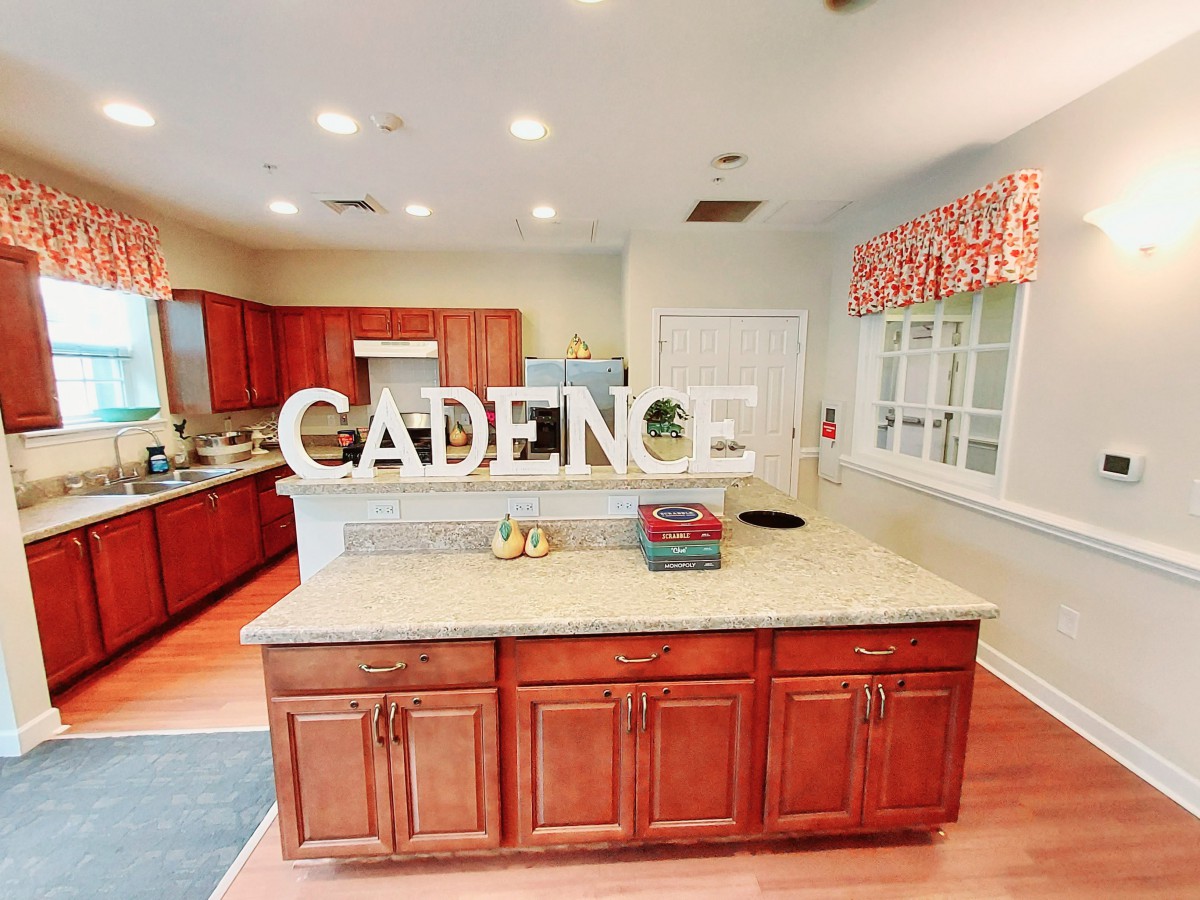
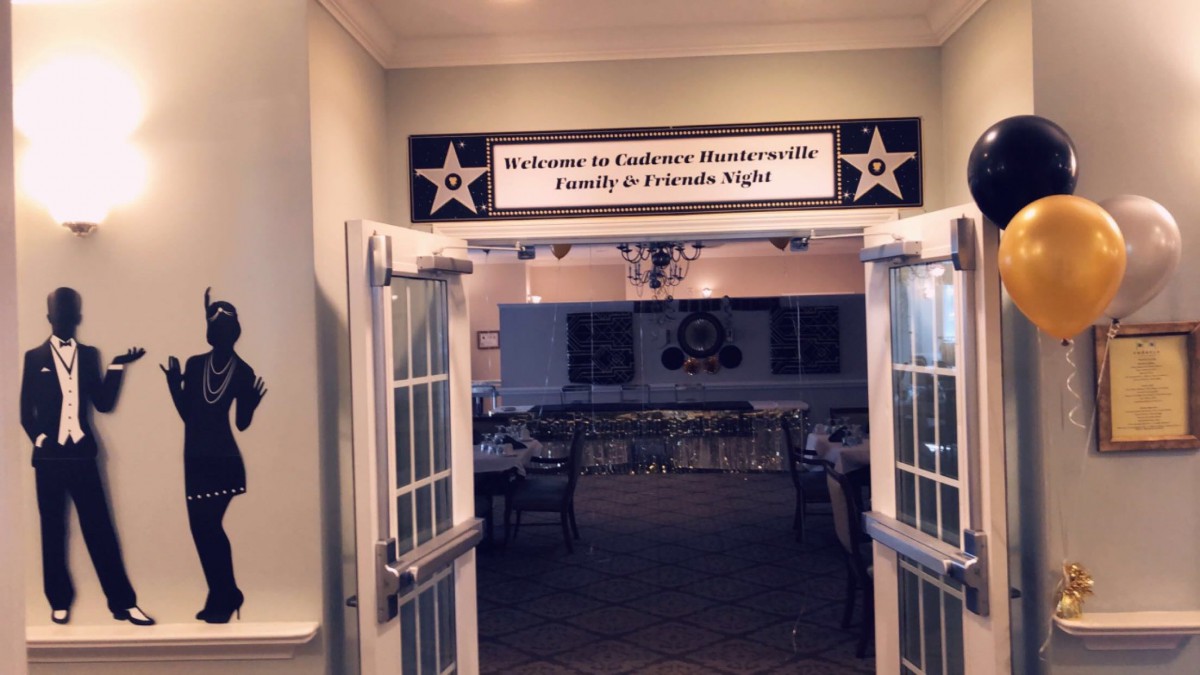
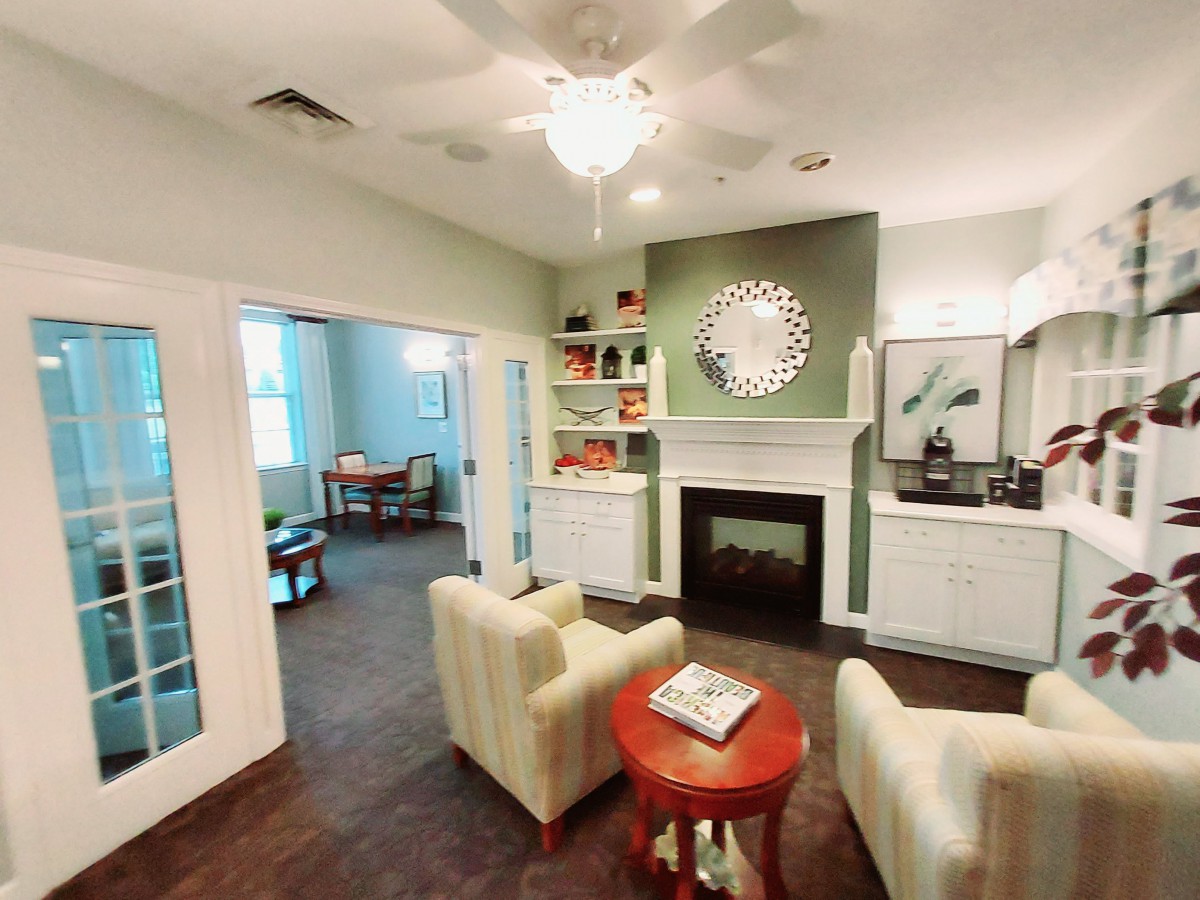
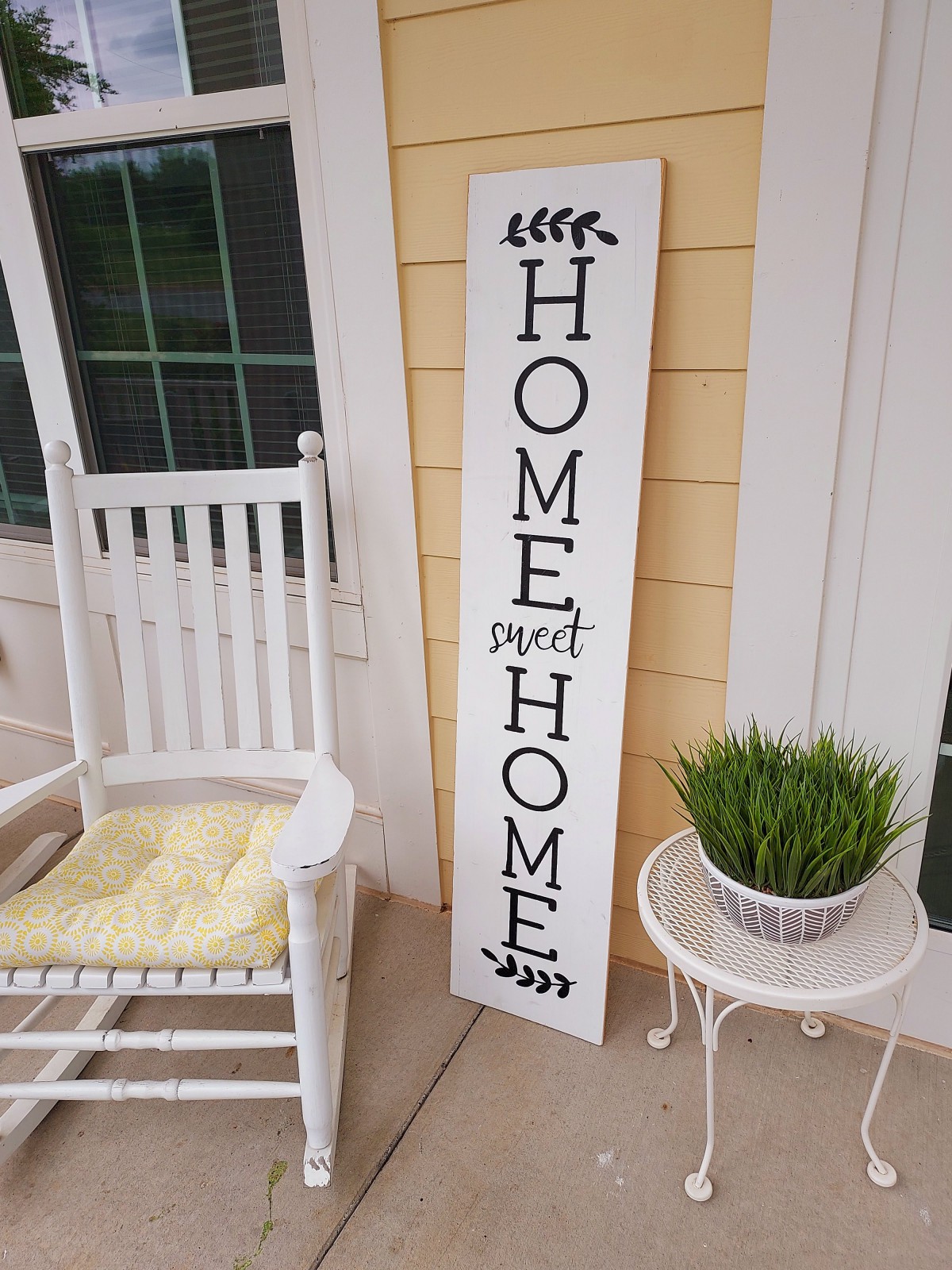
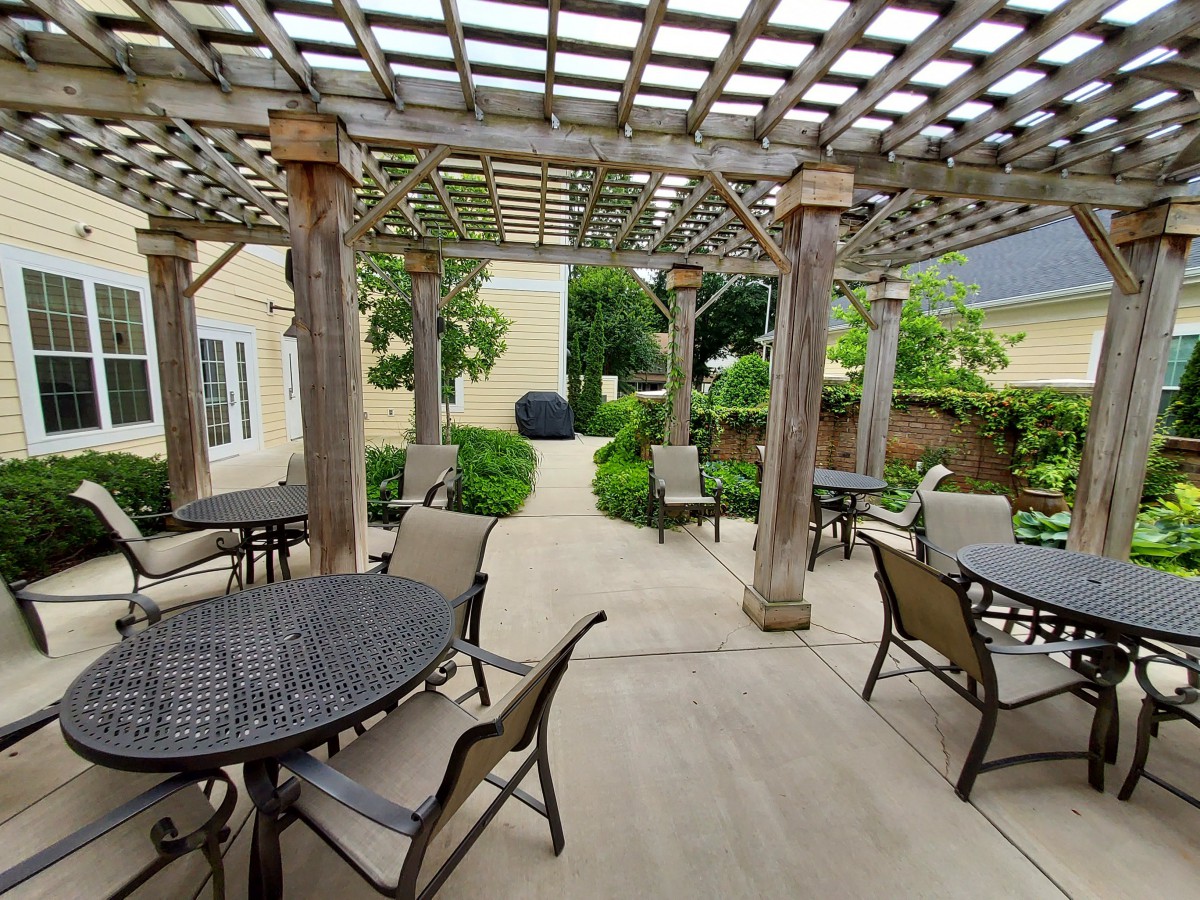
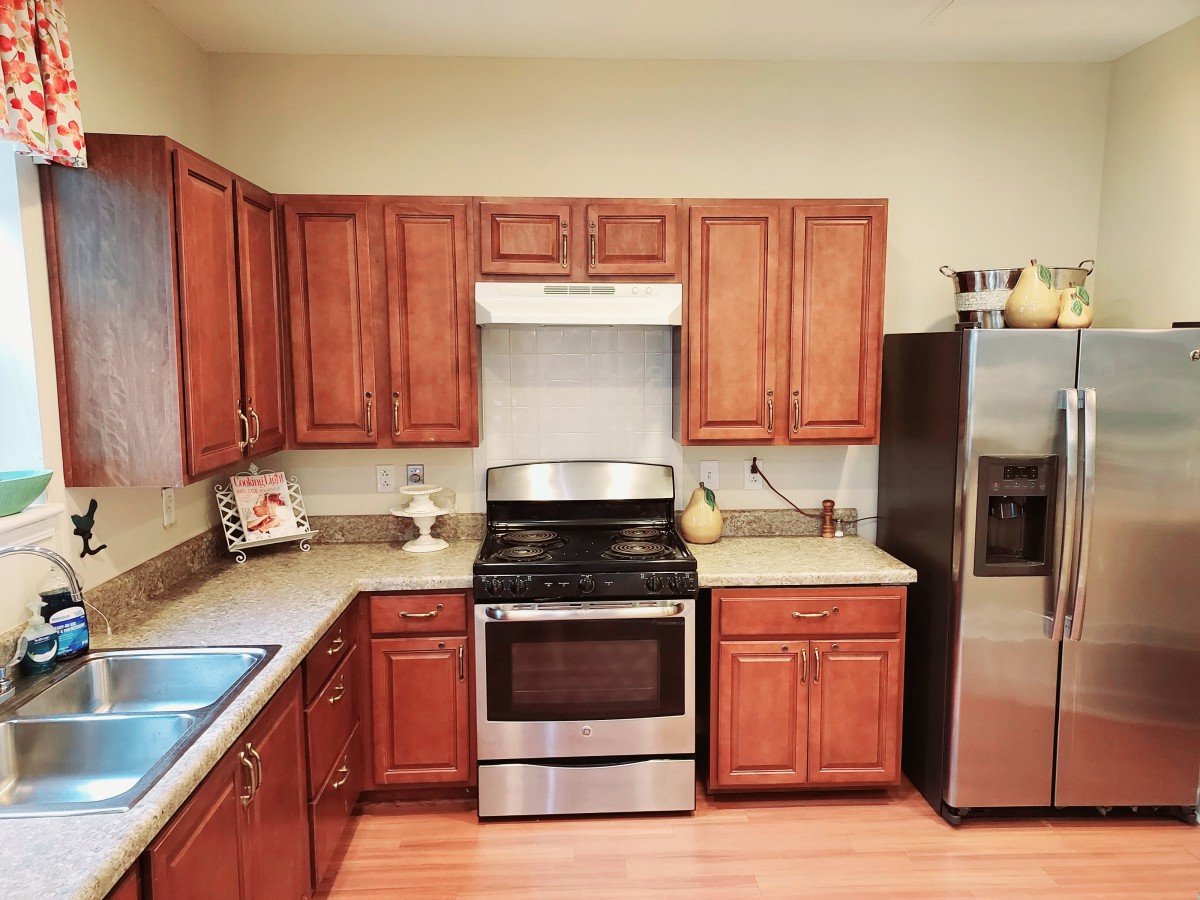
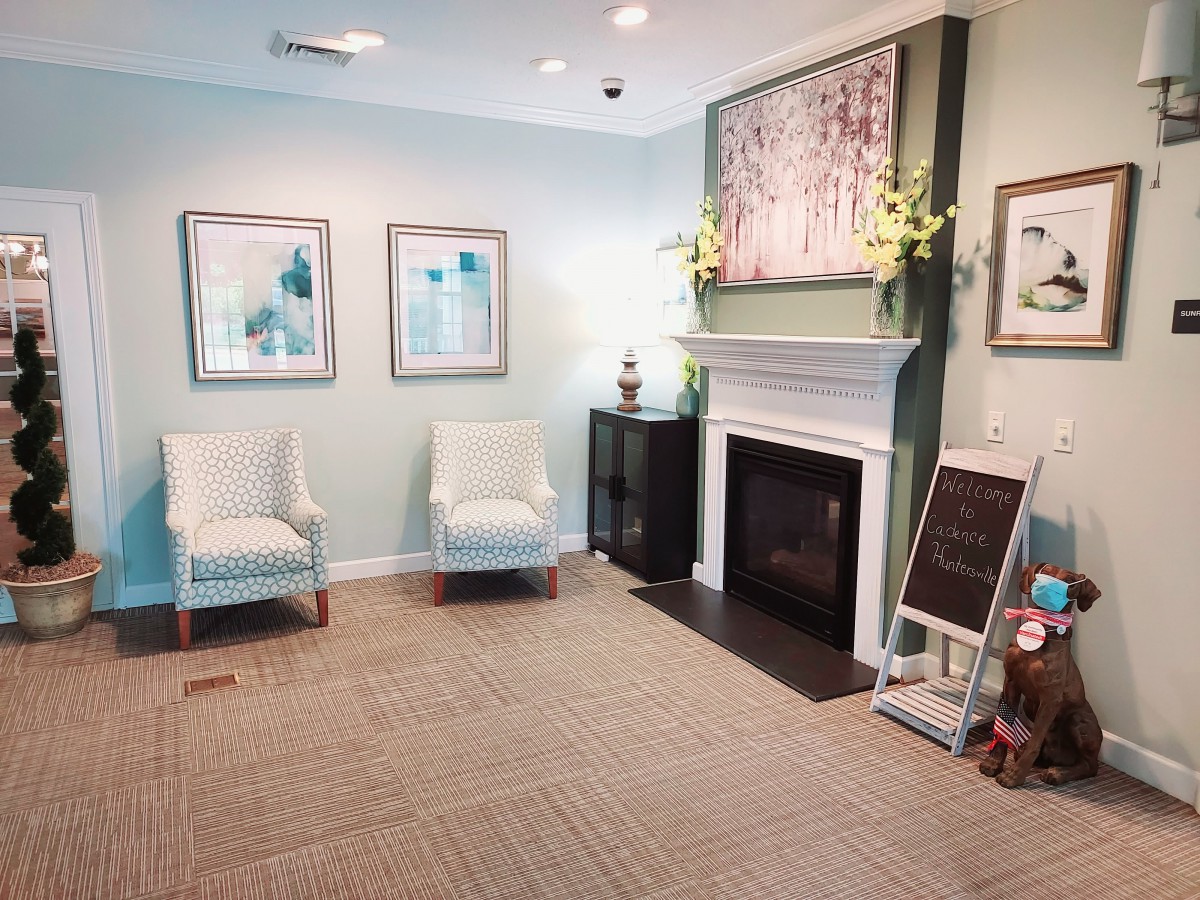
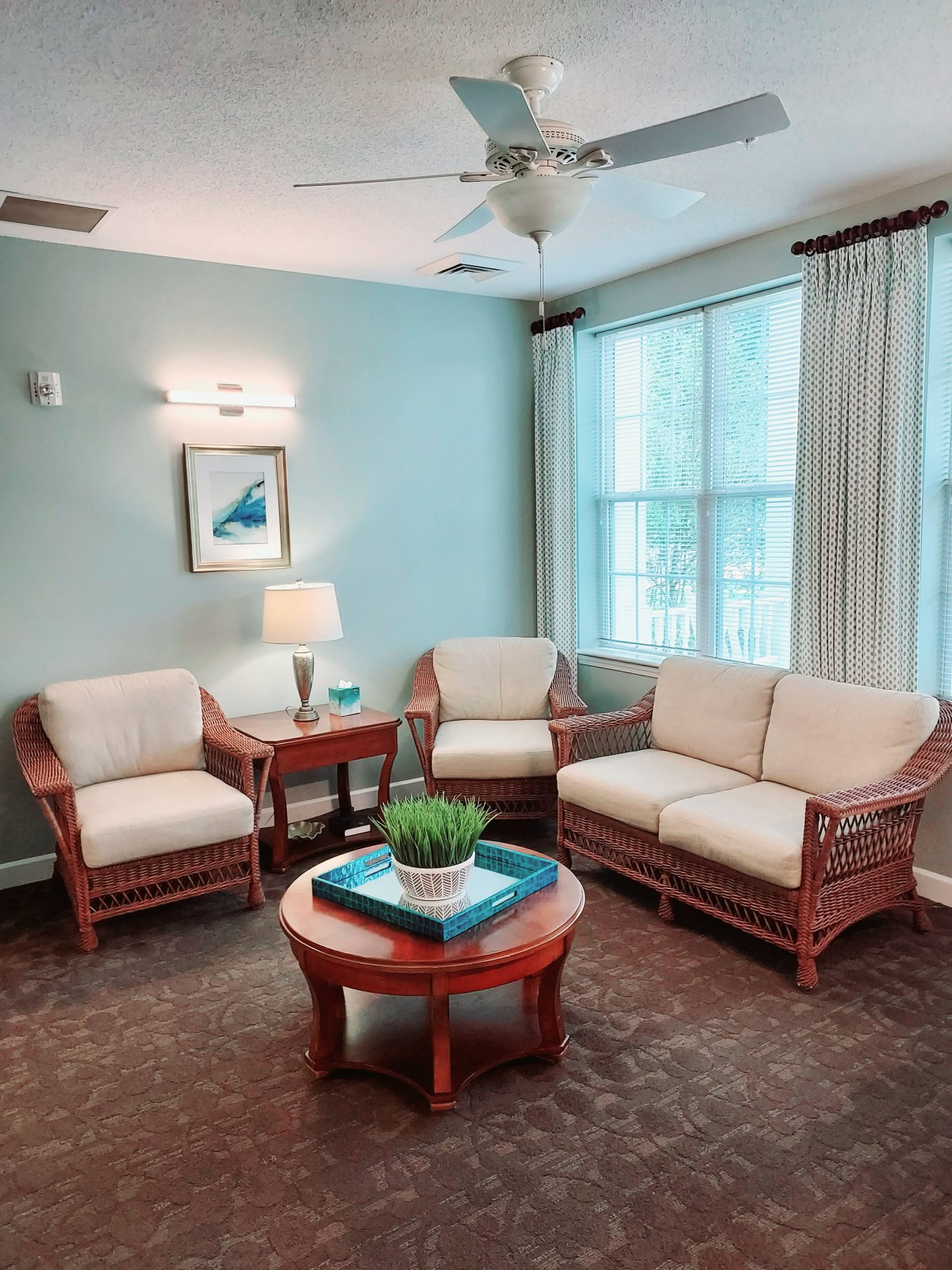
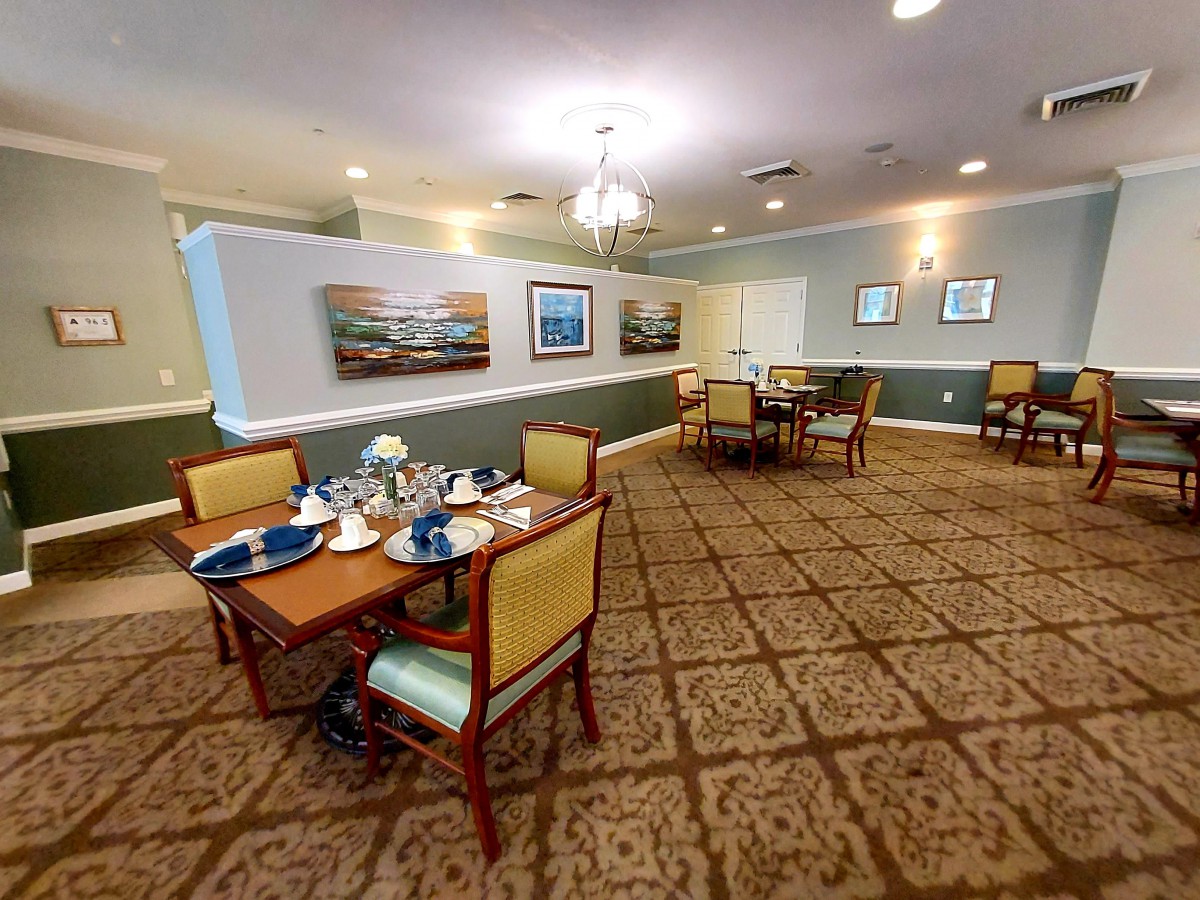
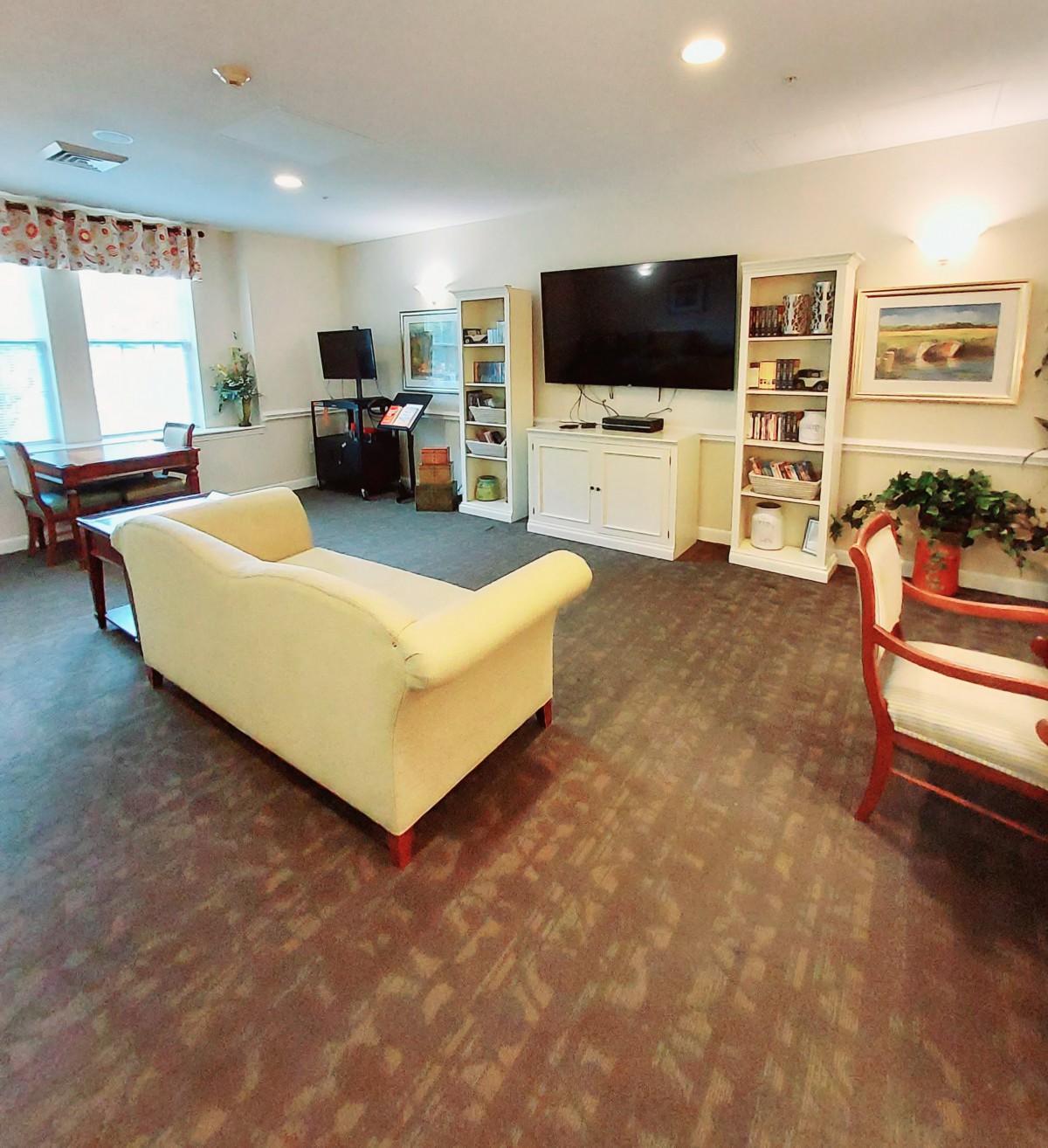
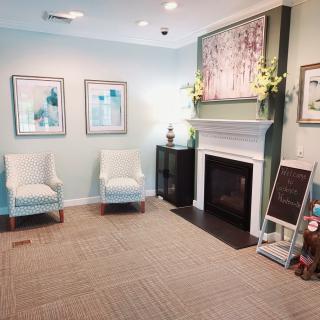
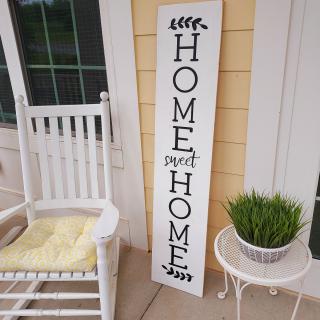
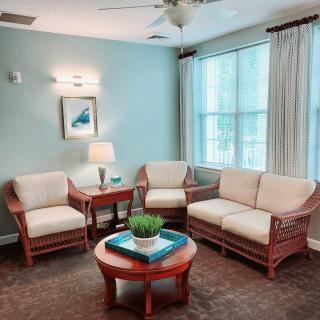
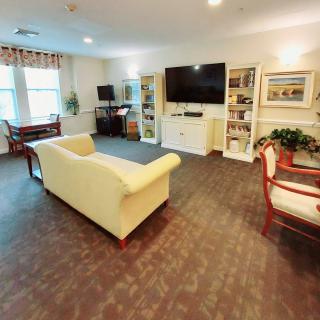
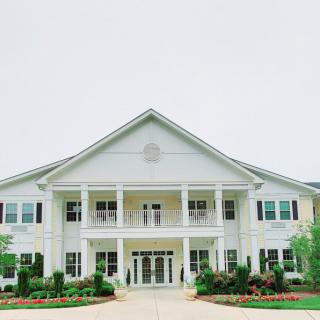
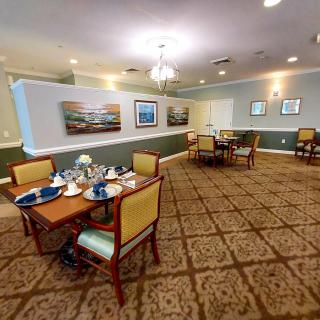
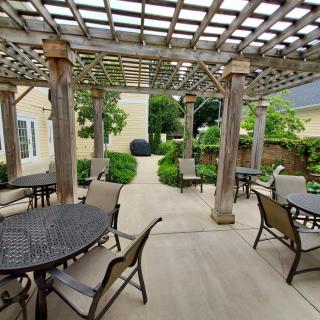
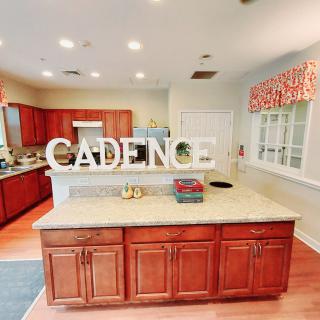
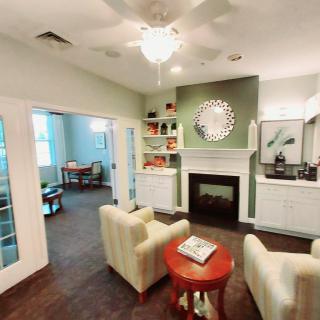
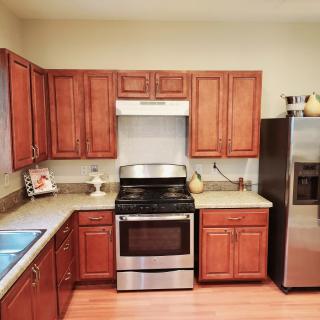
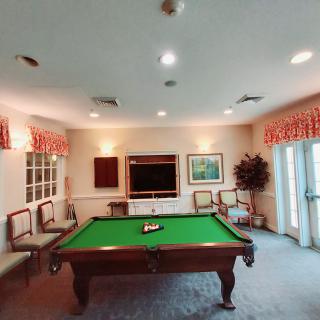
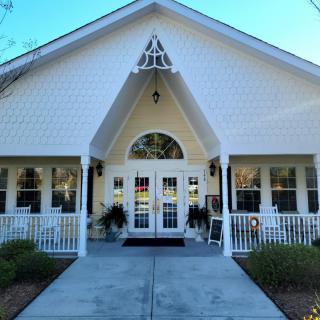
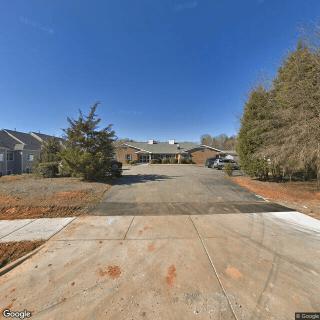
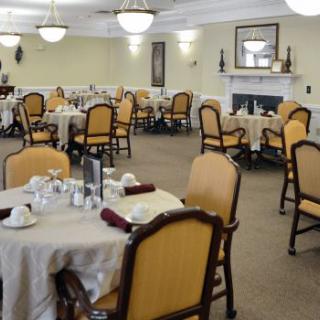
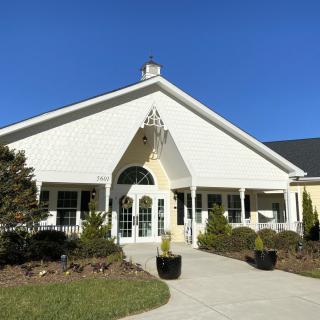
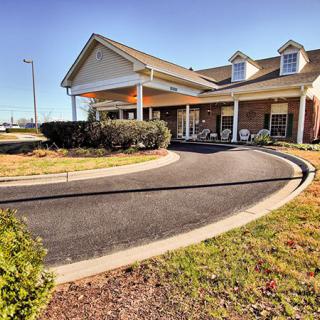
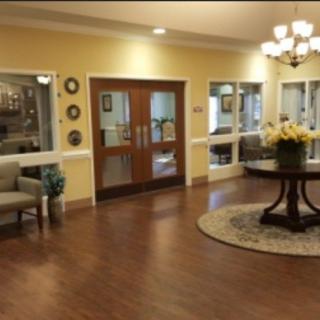
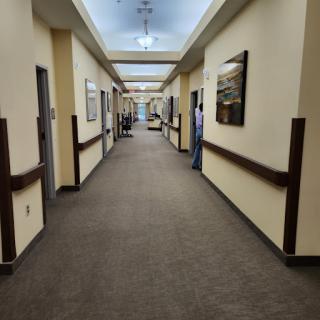
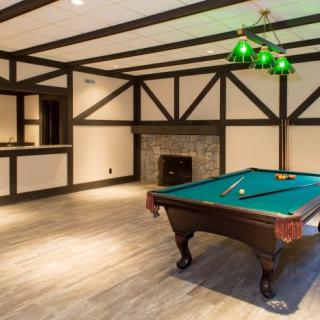
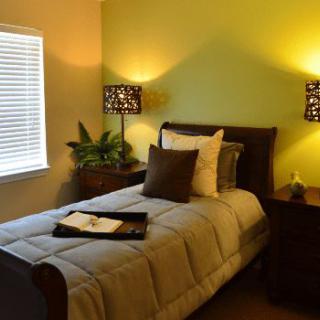
Cadence at Huntersville on seniors.fyi includes 14 photos including images showing decor, interior, living room, fireplace, billiards, kitchen, pergola, outdoor seating, and more.
Nearby Communities
Carillon Assisted Living Of Huntersville
Huntersville, NC
4.2 from 43 reviews
Strong memory-care focus with 24/7 supervision and comprehensive amenities.
Dilack Homecare and Nursing Services
Huntersville, NC
4.4 from 7 reviews
Patient-centric care led by an experienced RN with personalized attention.
Amada Senior Care of Charlotte, NC
Charlotte, NC
4.9 from 118 reviews
$6,070 to $7,891 / month
Convenient, amenity-rich location with easy access to healthcare and services.
Olde Knox Commons At The Villages Of Mecklenburg
Huntersville, NC
4 from 78 reviews
Compassionate staff delivering high-quality care, strong rehabilitation outcomes, and a clean, engaging environment.
Ranson Ridge Assisted Living and Memory Care
Huntersville, NC
4.6 from 39 reviews
Exceptional staff with strong healthcare support and engaging activities.
Huntersville Health & Rehab Center
Huntersville, NC
4.2 from 128 reviews
Well-equipped rehab facilities with spacious rooms and ample amenities.
The Glens at Birkdale Commons
Huntersville, NC
4.4 from 13 reviews
$995 to $1,250 / month
Friendly staff, in-home fully equipped kitchens, and a busy social/fitness calendar.
The Pines at Davidson
Davidson, NC
4.3 from 54 reviews
Clean, well-maintained facility with extensive amenities and active social programs.
The Haven in Highland Creek
Charlotte, NC
3.4 from 23 reviews
$4,835 to $5,645 / month
Beautiful, well-maintained grounds with a neighborhood layout and dedicated dining/activities areas.
Transitioning from assisted living to memory care is driven by an individual's cognitive decline and specific needs, requiring careful evaluation of indicators like increased confusion and wandering. The process involves consulting medical professionals, researching suitable communities, considering financial and legal aspects, and ensuring effective communication for personalized care plans.
The article differentiates between assisted living and memory care, explaining that assisted living supports seniors with daily activities while promoting independence, whereas memory care provides specialized services for individuals with dementia, focusing on secure environments and cognitive support. It also addresses staff training, safety considerations, costs, family involvement, and transition strategies for families navigating these care options.
The article outlines effective communication strategies for interacting with loved ones with dementia, highlighting the need for empathy, patience, and understanding while emphasizing supportive approaches like using simple language, minimizing distractions, and focusing on feelings over facts to maintain dignity and foster connection. It also suggests seeking professional guidance when needed as communication challenges evolve.
Landscaping, Garden, Patio, Outdoor Seating, and Pergola
Windows
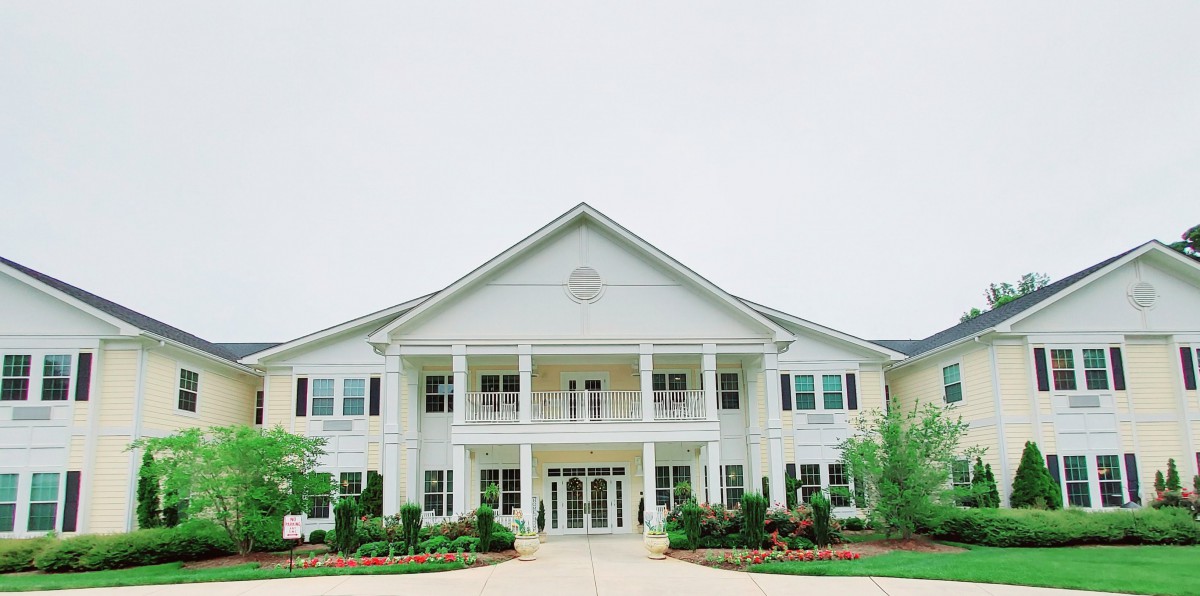
Building, Architecture, and Exterior
Kitchen
Artwork
Television
Fireplace
Seating Area
Outdoor
Outdoors, Plant, Rocking Chairs, and Front Porch
Appliances, Refrigerator, and Oven
Cabinets
Billiards and Game Room
Additional Photos
Get PricingAsk A QuestionSchedule A TourContact Senior Advisor
By clicking submit, you agree to our Partner's Terms of Use. You
also consent to receive calls and texts, which may be autodialed, from our Partner. Your consent is not a condition to
using our Partner's service. Please visit our Partner's Privacy Policy for information about their privacy practices.

 1-bedroom apartments
 Assisted Living
 Memory Care
 Activities off-site
 Air-conditioning
 Bath tubs
 Beautician on-site
 Cable or satellite TV
 Cafe
Cafe Devotional services off-site
 Garden
 Ground floor units
 Guest parking
 Handicap accessible
 Housekeeping services
 Indoor common areas
 Kitchenette
 Laundry
 Outdoor common areas
 Party space
 Respite or short term stays offered
 VA Benefits Consultation
 Wheelchair accessible showers
 Wi-Fi/high-speed internet available
 Charlotte Douglas International (15 miles away)
 Transportation & parking
 Ambulatory care
 Diabetic care
 Hospice care
 Incontinence care
 Medication management
 Physical therapy
 Guest meals
 Art classes
 Book club
 Catholic services
 Cooking classes
 Day trips and outings
 Educational speakers / life long learning
 Fitness programs
 Games
Games Karaoke
 Live musical performances
 Live well programs
 Wii bowling
 Wine tasting
 English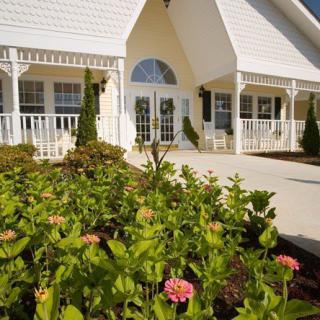
 Strong memory-care focus with 24/7 supervision and comprehensive amenities.
 When to Transition from Assisted Living to Memory Care: Key Indicators, Steps, and Finding the Right Community
 Understanding the Distinctions: Assisted Living and Memory Care Explained
 How to Communicate with a Loved One Living with Dementia: 10 Supportive Strategies