Overall Review of Olde Knox Commons At The Villages Of Mecklenburg
common47 reviews mention this
Care teams get frequent praise
Residents and families describe staff who are responsive, respectful, and attentive.
Across the reviews, people repeatedly mention nurses, CNAs, and other caregivers treating residents with dignity and communicating in a way families understand. Many also highlight day-to-day attentiveness, including helping with mobility needs and staying organized with medications. A smaller set of reviews take the opposite view, citing trouble reaching staff, disorganization, or concerns about staffing levels.
differentiator23 reviews mention this
Rehab therapy is a standout
Physical and occupational therapy are described as helpful for regaining strength.
Several reviews focus on physical therapy and occupational therapy, saying therapy sessions happened consistently and supported real progress toward returning home. Some families also describe therapists as encouraging and skilled, including teaching residents how to recover and explaining goals along the way. While most feedback is positive, a few reviewers say progress was limited or that equipment and coordination weren’t sufficient.
common8 reviews mention this
Cleanliness and odor come up
Many reviewers point to a clean building and manageable odors.
Multiple reviews mention a clean facility, including comments about being free from bad odors and rooms being well kept. That matters because several reviewers also describe the environment as comfortable when they visited or stayed. One reviewer gave negative feedback about odors in the hallways, which stands out against the broader cleanliness mentions.
caveat8 reviews mention this
Dining quality is mixed
Food is frequently discussed, with reports ranging from good to frustrating.
Some residents and families say meals are good, with supplements provided when appetite is low and references to special attention for eating needs. Other reviewers describe dining problems such as portion issues and meals not matching what was listed, including frequent runouts of entrees. Taken together, dining seems to depend on the situation and individual dietary needs.
common4 reviews mention this
Activities keep residents engaged
Residents are described as having regular activities to take part in.
Reviews mention structured fun like Bingo and Men’s Night, along with group exercise and faith-based activities. Families also describe enjoyment from more personal touches, including mention of animals visiting and a courtyard for time outside. This lines up with the community’s emphasis on planned daily activities and resident-involved programming.
How we summarize
Counts show how many written reviews mention each theme; a review can touch several themes, and only frequently mentioned themes are displayed.
Features
Housing
114 resident community capacity
Types of Care
Skilled Nursing Facility
Amenities
Activities on-site
Air-conditioning
Beauty salon
Cable or satellite TV
Computer center
Devotional services off-site
Dining room
Fitness room
Fully furnished
Gaming room
Garden
Guasts at mealtime
Housekeeping services
Indoor common areas
Kitchenette
Move-in coordination
Outdoor space
Private bathrooms
Resident parking
Restaurant-style dining
Security gate
Small library
Telephone
Wellness center
Wi-Fi/high-speed internet available
Transportation
Charlotte Douglas International (15 miles away)
Community operated transportation
Transportation arrangement
Transportation arrangement (non-medical)
Transportation to doctors appointments
Care Services
12-16 hour nursing
24-hour call system
24-hour supervision
Activities of daily living assistance
Ambulatory care
Assistance with bathing
Assistance with dressing
Assistance with transfers
Diabetes diet
Diabetic care
Meal preparation and service
Medication management
Mental wellness program
Special dietary restrictions
Dining
Diabetes diet
Meals provided
Special dietary restrictions
Activities
Activities on-site
Community-sponsored activities
Concierge services
Devotional activities offsite
Fitness programs
Planned day trips
Resident-run activities
Scheduled daily activities
Nearby Places of Interest
This part of Huntersville, North Carolina, offers a convenient and vibrant community for senior living. With a variety of restaurants including fast food options like Cook Out and McDonald's, as well as sit-down dining at Duckworth's Grill & Taphouse, seniors can enjoy a range of dining experiences. Nearby pharmacies such as CVS and Walgreens provide easy access to medication and healthcare needs. In terms of medical services, there are several physicians' offices within close proximity, including Charlotte Eye Ear Nose & Throat Associates and Lakeside Family Physicians. The Novant Health Huntersville Medical Center is also nearby for any emergency or hospital care needs. Parks like Richard Barry Park offer opportunities for outdoor recreation, while theaters such as AMC Northlake 14 provide entertainment options. Overall, this area provides a mix of amenities that would cater well to seniors looking for a comfortable and accessible living environment in Huntersville.
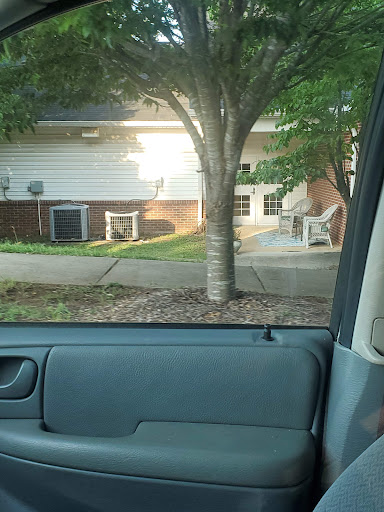
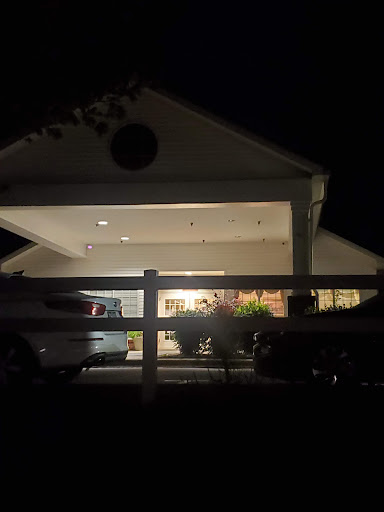
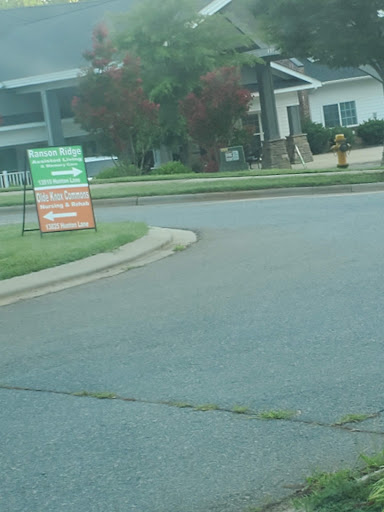
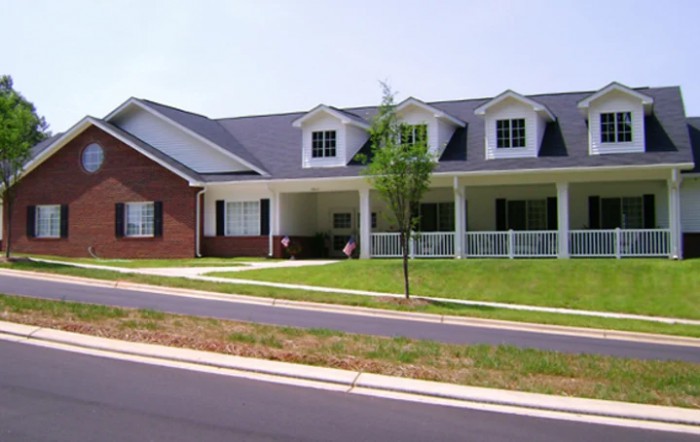
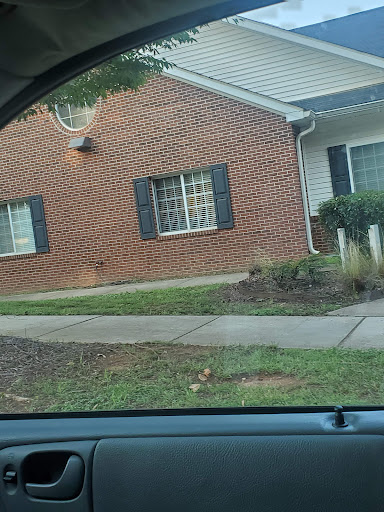
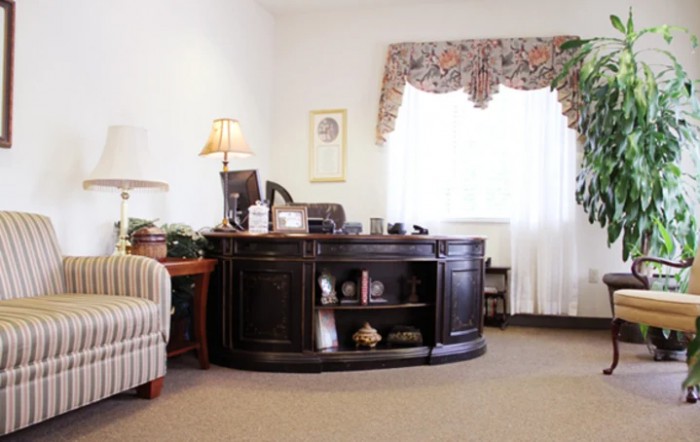
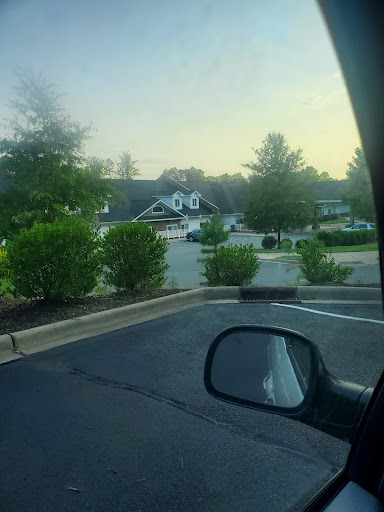
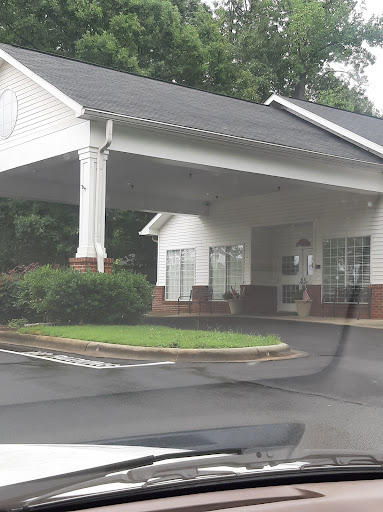
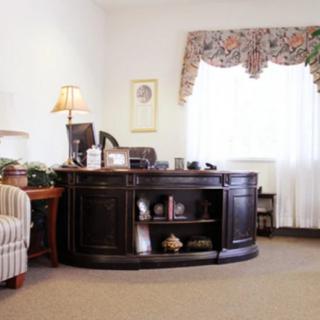
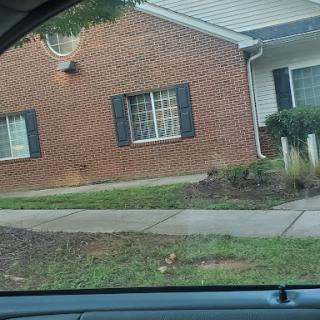
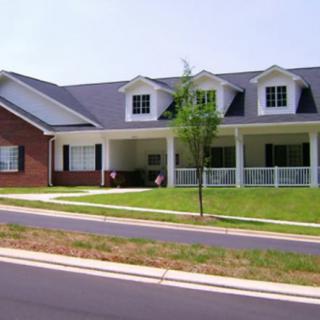
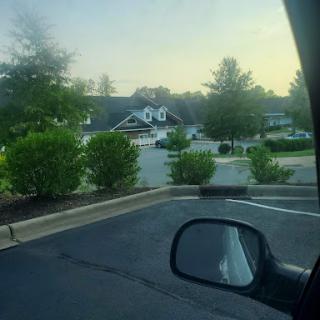
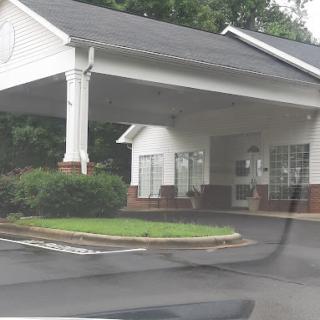
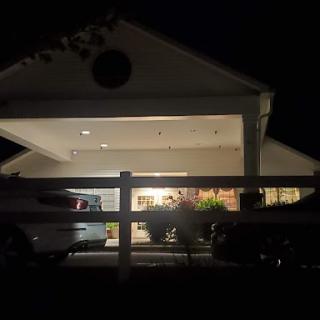
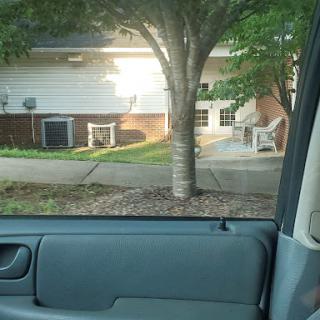
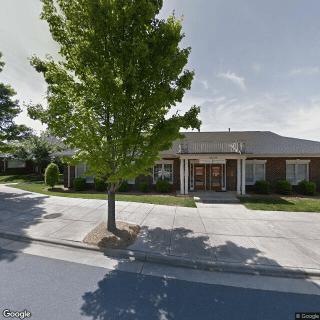
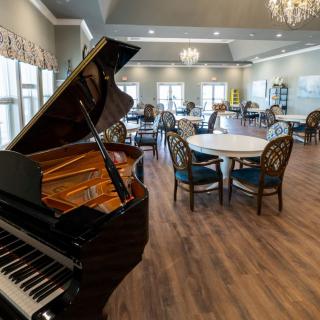
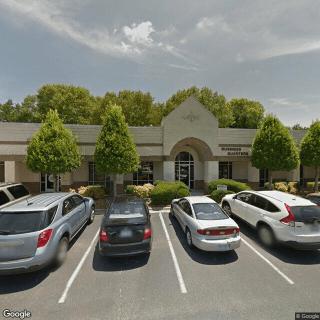
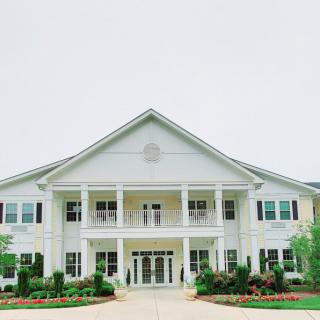
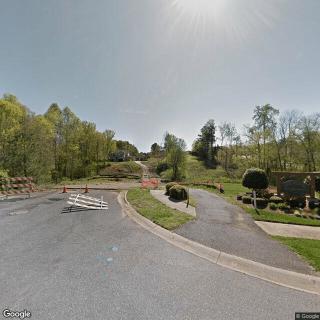
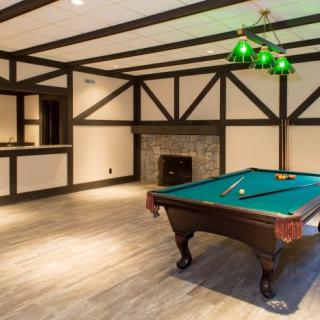
Olde Knox Commons At The Villages Of Mecklenburg on seniors.fyi includes 10 photos including images showing landscaping, building, outdoor, architecture, windows, road, tree, brick, and more.
Nearby Communities
Ranson Ridge Assisted Living and Memory Care
Huntersville, NC
4.6 from 39 reviews
Exceptional staff with strong healthcare support and engaging activities.
Home Helpers #58445
Huntersville, NC
4.8 from 20 reviews
Reliable, punctual caregivers with responsive administration.
Amada Senior Care of Charlotte, NC
Charlotte, NC
4.9 from 118 reviews
$6,070 to $7,891 / month
Convenient, amenity-rich location with easy access to healthcare and services.
Arbor Ridge at Huntersville
Huntersville, NC
4.1 from 74 reviews
$3,395 to $4,695 / month
Friendly, engaged staff in a welcoming, well-appointed community with engaging activities.
Dilack Homecare and Nursing Services
Huntersville, NC
4.4 from 7 reviews
Patient-centric care led by an experienced RN with personalized attention.
Cadence at Huntersville
Huntersville, NC
4.5 from 96 reviews
$3,865 to $6,425 / month
Warm, attentive staff in a clean, home-like setting with varied activities and inclusive care levels.
Huntersville Health & Rehab Center
Huntersville, NC
4.2 from 128 reviews
Well-equipped rehab facilities with spacious rooms and ample amenities.
The Glens at Birkdale Commons
Huntersville, NC
4.4 from 13 reviews
$995 to $1,250 / month
Friendly staff, in-home fully equipped kitchens, and a busy social/fitness calendar.
The Pines at Davidson
Davidson, NC
4.3 from 54 reviews
Clean, well-maintained facility with extensive amenities and active social programs.
Fecal incontinence, prevalent among older adults, arises from factors like weakened pelvic muscles and nerve damage, significantly affecting well-being and social interactions. Diagnosis involves clinical evaluation and tests to inform tailored treatments, while caregivers and preventive measures can aid in managing the condition effectively.
Anticipatory grief is an emotional response to the impending loss of a loved one, characterized by complex emotions such as sadness and anger, and involves navigating stages similar to those identified by Kübler-Ross. Coping strategies are vital for managing this process, emphasizing compassionate communication, self-care, and support groups while recognizing the cultural influences on grieving.
Adult day care programs offer essential support and activities for older adults, yet many hesitate to participate due to concerns about independence and stigma. To alleviate these apprehensions, families should facilitate open discussions, explore financial resources, suggest trial visits, and collaborate with healthcare providers to highlight the benefits of such services for both the participants and their caregivers.
Olde Knox Commons At The Villages Of Mecklenburg photos
×
Interior
Building
Architecture
Trees
Landscaping
Lighting
Outdoor
Porch
Grass
Interior, Decor, and Office
Landscaping
Windows
Building
Architecture
Trees and Parking
Lighting and Fence
Outdoor
Entrance
Porch
Grass
Tree
Brick and Sidewalk
Road
Get PricingAsk A QuestionSchedule A TourContact Senior Advisor
By clicking submit, you agree to our Partner's Terms of Use. You
also consent to receive calls and texts, which may be autodialed, from our Partner. Your consent is not a condition to
using our Partner's service. Please visit our Partner's Privacy Policy for information about their privacy practices.



 114 resident community capacity
 Skilled Nursing Facility
 Activities on-site
 Air-conditioning
 Beauty salon
 Cable or satellite TV
 Computer center
 Devotional services off-site
 Dining room
 Fitness room
 Fully furnished
 Gaming room
 Garden
 Housekeeping services
 Indoor common areas
 Kitchenette
 Move-in coordination
 Outdoor space
 Private bathrooms
 Resident parking
 Restaurant-style dining
 Security gate
 Small library
 Telephone
 Wellness center
 Wi-Fi/high-speed internet available
 Charlotte Douglas International (15 miles away)
 Community operated transportation
 12-16 hour nursing
 24-hour call system
 Ambulatory care
 Assistance with bathing
 Assistance with dressing
 Assistance with transfers
 Diabetes diet
 Diabetic care
 Medication management
 Mental wellness program
 Special dietary restrictions
 Concierge services
 Planned day trips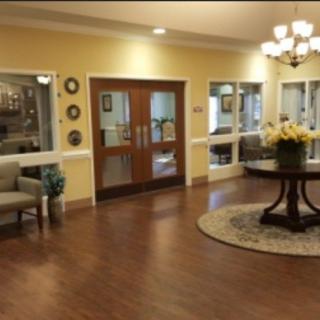
 Exceptional staff with strong healthcare support and engaging activities.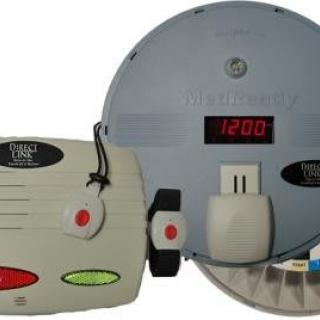

 Fecal Incontinence in Older Adults: A Comprehensive Guide
 Recognizing the Journey: Understanding and Navigating Anticipatory Grief
 Encouraging Participation in Adult Day Care: A Guide to Supporting a Hesitant Parent