
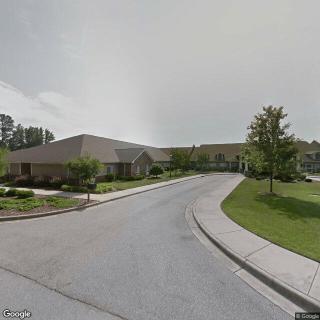
3830 North Main Street, High Point, NC 27265
For more information about senior living options: (866) 208-4318
Overall Review of Pruitthealth - High Point
Pros
 The nurses were friendly when checking on a loved one.
- The staff were friendly, kind, and knowledgeable.
- The physical therapy and occupational therapy were excellent.
- Call bells were answered promptly and politely.
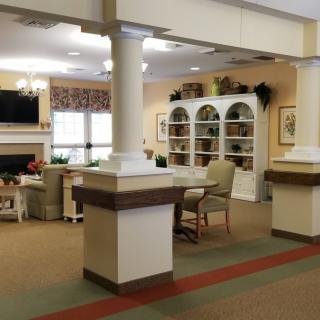
- The facility is clean and well kept.
- The food was delicious.
- The staff took great care of patients recovering from injuries.
- Reviewers described the facility as a 10-star place and highly recommended it.
Cons
 They describe the rehab as minimal and ineffective, with the patient walking in the hallway only a couple of times a week.
- They report dehydration and a severe UTI requiring IV antibiotics after two weeks.
- Personal belongings were mishandled: clothing went missing and the patient wore clothes not belonging to him; a pair of jeans was placed on him tied with a rubber glove.
- Multiple items, including three sets of clothes and a home charger, were missing from the suitcase.
- A Home Health PT was delayed and swapped with a different agency, with incorrect contact numbers causing communication gaps.
- Call bells took forever to get answered and staff were often rude.
- Maintenance staff barged into the room without knocking.
- The food was terrible and there were no options for alternatives.
- The facility smelled like urine, and staff were unorganized and lazy; dietary accommodations were not made for a diabetic patient.
- Communication with family members was extremely frustrating and unreliable.
- A family member alleges management suggested they would have preferred the loved one die in the hospital.
- The reviewer would not recommend the facility and would give 0 stars; they urge to stay away.
- They cautioned not to bring loved ones there, calling the staff nasty and lazy.
Review
PruittHealth - High Point is best suited for adults entering a short-term rehab phase who prioritize aggressive physical and occupational therapy and are prepared to actively oversee care. When recovery hinges on a structured rehab program and a therapy team that can drive progress, this community can deliver meaningful gains. However, it is not the ideal fit for those requiring consistently attentive bedside care, transparent daily communication, and a stable, predictable environment. In such cases, other local options with stronger day-to-day reliability merit serious consideration.
The most persistent concerns across reviews center on day-to-day care and operations. Call bells are reported as slow or unreliable, and staff responses can feel curt or overwhelmed, undermining a resident’s sense of safety. Communication gaps complicate discharge planning and home-health referrals, while miscommunication can lead to delays and frustration for families coordinating post-acute care. Belongings and clothing have disappeared or been mishandled, with several accounts of items missing or mixed up during transfers or housekeeping tasks. Medical issues such as dehydration and a serious UTI surface as well, often tied to perceived gaps in monitoring and timely intervention. Food quality and consistency also appear to be inconsistent, with odors and cleanliness cited as additional negatives on several stays.
Despite these challenges, certain rehab-focused experiences stand out as genuinely positive. Some residents describe receiving thorough, respectful therapy and leaving with real functional gains, accompanied by clean, well-kept environments on specific shifts. When call bells do elicit prompt responses, residents report improved safety and satisfaction, reinforcing the notion that the facility's core rehab capabilities can function effectively under the right conditions. A few family members recount compassionate bedside care and professional conduct from staff, suggesting that when operations align, the environment can support dignified, recovery-oriented stays.
The central question for families weighing options is whether the rehab strengths compensate for the ongoing care and communication gaps. For residents with a clearly defined therapy plan and goals, and for families willing to stay actively involved in day-to-day oversight, the upside can be real: tangible progress, quicker transitions home, and a restored sense of independence. However, when basic responsiveness, consistent meal quality, or reliable handling of personal belongings remain problematic, those rehab benefits may be diminished or overwhelmed by safety and morale concerns. In practical terms, the facility’s rehabilitation prowess is not universally reliable; it depends heavily on shifts, staff assignments, and whether the care team aligns with a resident’s needs and family expectations.
Those who should consider alternatives include seniors needing dependable, nonstop care and straightforward, transparent communication with family members who are not local. Long-term residents or post-acute patients requiring near-constant monitoring will likely find the environment insufficient. Families with limited capacity to advocate persistently should look for facilities with stronger daily operations, more predictable nutrition standards, and consistently reliable call-bell responses. In the High Point area, several options carry reputations for greater safety, steadier staffing, and more reliable daily routines, worthy of careful comparison before making a commitment.
Practical next steps demand a thorough, deliberate vetting process. A hands-on tour should be pursued at different times, with a focus on meeting the therapy leadership and observing the rehab process in practice. Documentation should clarify typical call-bell response times, the daily schedule, and how frequently aides rotate rooms. Request a named family liaison and a clear discharge plan, including concrete home-health referrals and transportation arrangements. Concerns should be recorded in writing, and belongings meticulously tracked, labels on clothing, chargers, and other essentials help prevent loss. If persistent issues arise despite these measures, external evaluation or a transition to a more stable facility may be the prudent course to protect safety and recovery.
 100 resident community capacity
 Skilled Nursing Facility
 Air-conditioning
 Beauty salon
 Cable or satellite TV
 Computer center
 Dining room
 Fitness room
 Fully furnished
 Gaming room
 Garden
 Housekeeping services
 Kitchenette
 Move-in coordination
 Outdoor space
 Private bathrooms
 Restaurant-style dining
 Small library
 Telephone
 Wellness center
 Wi-Fi/high-speed internet available
 Piedmont Triad International (8 miles away)
 Community operated transportation
 12-16 hour nursing
 24-hour call system
 Activities of daily living assistance
 Assistance with bathing
 Assistance with dressing
 Assistance with transfers
 Diabetes diet
 Medication management
 Mental wellness program
 Special dietary restrictions
 Concierge services
 Planned day trips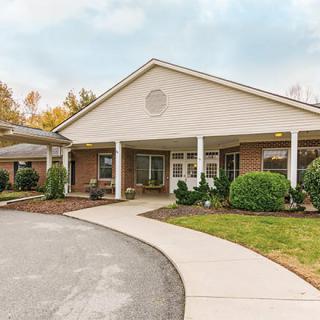



 Fecal Incontinence in Older Adults: A Comprehensive Guide
 Recognizing the Journey: Understanding and Navigating Anticipatory Grief
 Encouraging Participation in Adult Day Care: A Guide to Supporting a Hesitant Parent