Coble Health Care Ctr in Durham, NC
Save
2616 Erwin Rd, Durham, NC 27705
For more information about senior living options: (844) 490-3973
What level of care are you interested in?

Assisted Living

Memory Care

Independent Living

Skilled Nursing Facility

Continuing Care Retirement Community (CCRC)CCRC

Other
Coble Health Care Center in Durham is best suited for families seeking short-term, skilled rehabilitation where the on-site therapy team on the first floor can deliver focused post-acute recovery. The facility can be a solid choice when the goal is to access recovery-oriented services with attentive therapists who are drawn to rehabilitation work and who can help a loved one regain function after surgery or illness. For long-term dementia care or ongoing daily living support, however, this community should be approached with caution, as reports across the reviews highlight inconsistencies in ongoing daily care, cleanliness, and supervision that undermine a sense of safety and stability over time.
Those who should consider alternatives include families prioritizing consistent, high-quality daily care and transparent operations. If a loved one requires steady,round-the-clock monitoring, reliable assistance on all shifts, or a consistently clean and well-maintained environment, the prevailing feedback suggests looking elsewhere. The same holds for families that cannot frequently advocate or supervise care - reviews describe gaps in attention, communication, and accountability that can translate into missed meals, untimely turning, or delayed response to needs. In short, this community may not meet expectations for sustained, long-term residency.
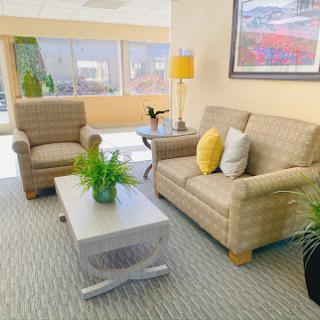
The strongest concrete positives center on the first-floor skilled rehab. The recovery therapy team is described as kind, capable, and adequately staffed, delivering meaningful progress during the initial post-acute phase. Several reviewers note that the rehabilitation program on that floor achieves tangible improvements and that therapists provide careful attention to the resident's goals. Complementing this, some accounts describe a clean, pleasant environment and private rooms that can be conducive to recovery and family peace of mind during hospital-to-community transitions. When the focus is rehabilitation with an emphasis on progress, these elements provide meaningful value.
However, the most persistent and troubling themes in the feedback concern the long-term or non-acute experience. Neglect, inconsistent care, and poor supervision surface repeatedly, including reports of residents left dirty, unturned, or without timely assistance. Food quality and meal service are cited as problematic in several instances, with concerns about nourishment and the reliability of menus and dining availability. Sanitation and maintenance lapses, broken fixtures, and occasionally rutted or stained spaces appear in multiple reviews, undermining confidence in daily living standards. And for families managing the financial and administrative aspects of care, stories of miscommunication, missed documentation, and questions about billing and records add another layer of risk to consider.
To navigate these mixed conditions, families should insist on concrete checks before committing. Request a current, detailed staffing grid that shows nurse-to-resident and aide-to-resident ratios across all shifts. Tour the entire facility, paying close attention to bedrooms, bathrooms, and common areas for cleanliness, repairs, and odor. Ask for a clear daily care plan, a guaranteed response time for call bells, and a system for reporting and following up on concerns. Inquire about the admissions process, discharge planning, and who oversees quality assurance. Pull state inspection reports and ask for recent corrective action plans to understand whether past deficiencies have truly been resolved. These steps transform the risk into an informed, active partnership.
Bottom line: Coble Health Care Center can deliver solid rehabilitation on the first floor, with recovery-focused therapy and some commendable staff interactions. Yet for families seeking dependable, long-term daily care and a consistently clean, well-managed environment, the reviews signal notable red flags that deserve careful scrutiny. If choosing this community, pursue rigorous oversight, frequent communications with leadership, and a clear plan for monitoring care quality. For many families, especially those prioritizing steady daily care, exploring higher-clarity options with proven track records in long-term safety and cleanliness will yield greater long-term reassurance.
Coble Health Care Center is an assisted living community located in the vibrant city of Durham, NC. Situated conveniently within close proximity to various amenities, this facility offers a comfortable and accessible environment for its residents.
For those looking to enjoy a cup of coffee or grab a bite to eat, there are three cafes and eleven restaurants just a short distance away. These dining options provide an array of delicious choices to satisfy any craving or dietary preference.
Nature enthusiasts will appreciate the two nearby parks, perfect for leisurely strolls or picnics with loved ones. Within the serene surroundings of these green spaces, residents can unwind and connect with nature.
Healthcare needs are addressed by five pharmacies and three physicians in close proximity to Coble Health Care Center. This ensures easy access to medication and medical professionals for any necessary consultations or treatments.
For spiritual fulfillment, there are three places of worship near the community. Residents can engage in their religious practices and find solace within their faith communities.
Furthermore, the presence of two hospitals nearby offers peace of mind knowing that emergency medical care is readily available if ever needed.
Overall, Coble Health Care Center provides residents with not only quality care but also convenience when it comes to dining options, recreational activities in parks, access to pharmacies and physicians, places to worship, and healthcare facilities.
This part of Durham, North Carolina offers a variety of amenities and services that would be beneficial for seniors looking to settle down in the area. With places of worship such as Duke University Chapel and Judea Reform Congregation nearby, seniors can easily find spiritual fulfillment. There are also several physicians and hospitals in close proximity, ensuring easy access to healthcare services. Additionally, the abundance of restaurants, pharmacies, cafes, and parks provide convenience and opportunities for socializing and recreation. For entertainment, there is a theater just a short drive away where seniors can enjoy movies and dining experiences. Overall, this area offers a well-rounded environment for senior living with ample resources to support a comfortable and fulfilling lifestyle.
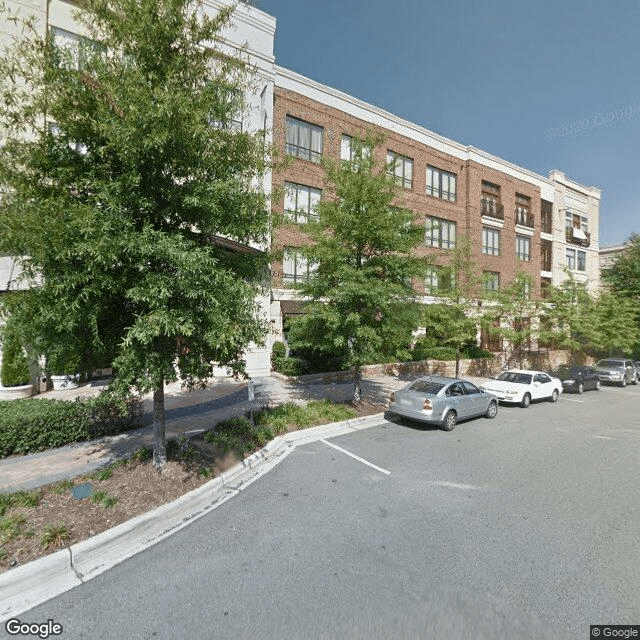
Coble Health Care Ctr is located at 2616 Erwin Rd, Durham, NC 27705 in Orange County, North Carolina
Skilled Nursing Facilities vs. Nursing Homes: Making Sense of the Differences

Skilled nursing facilities (SNFs) provide high-level medical care and rehabilitation for short-term recovery, typically covered by Medicare after hospitalization, while nursing homes focus on ongoing custodial care for chronic conditions, mainly funded by Medicaid or private payments. The staffing and regulatory structures differ significantly between the two, necessitating clarity for families in choosing appropriate long-term care options.
A Detailed Examination of Nursing Home Costs Across the U.S.
Nursing home care costs in the U.S. vary significantly based on location, level of care, and amenities, with private room prices ranging from approximately $6,700 to over $30,000 monthly. Families need to explore various payment options and conduct thorough research to manage these expenses effectively.
Exploring Nonmedical Home Care: Understanding Services, Costs, and Financial Approaches
Nonmedical home care provides assistance with daily activities and companionship for individuals wishing to maintain independence and quality of life at home, without medical intervention. Its growing popularity is driven by an aging population, the need for supportive environments for recovery, and the emotional benefits of caregiver companionship, while costs vary based on service frequency and location.