Residents and families repeatedly describe staff as caring and professional.
Across many reviews, people say the staff treated them with kindness, compassion, and respect, and that administrators, nurses, and therapists were approachable. Several reviewers also mention specific staff members who helped with transitions, answered questions, or supported families during difficult moments. A smaller number of reviews raise serious concerns about neglect, rude behavior, or lack of responsiveness, but the overall repeat theme in feedback is that staff members often show up for residents.
common12 reviews mention this
Cleanliness and renovations get praise
Many reviews cite a clean, well-kept facility.
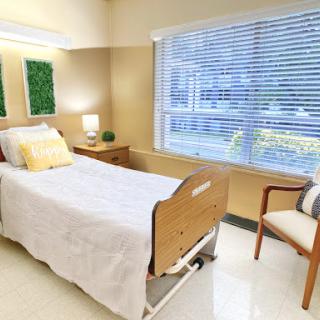
Multiple reviewers describe the building as clean, odor-free, and maintained, including common areas and resident rooms. One tour review specifically notes renovations and a clean, pleasant-smelling environment. A few negative reviews counter this with complaints about odors or cleanliness problems, including unsanitary bathrooms and reports of poor housekeeping.
differentiator14 reviews mention this
PT and OT are a consistent strength
Rehab therapy is repeatedly described as helpful and well run.
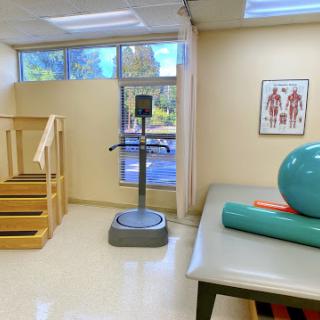
Many reviews highlight positive experiences with physical therapy and occupational therapy, including rehab that supported recovery and helped residents stay engaged. Several people mention therapists who were skilled and attentive, and some describe improvements in quality of life and confidence. A smaller set of reviews describe inadequate or inconsistent therapy (including weekend limitations), so results appear to vary by experience and staffing.
caveat6 reviews mention this
Hard to reach staff and call bells
Residents and families report difficulty getting timely help.
A recurring concern in reviews is communication barriers: people say it can be very hard to get someone on the phone or to get immediate responses after pressing call bells. Some reviews describe unanswered requests and delays in assistance, including situations where residents were left waiting for help. Others still mention responsive staff, but the negative comments about access to help show up often enough to be a notable tradeoff.
caveat10 reviews mention this
Staffing and care consistency raise concerns
Some reviews describe understaffing that affects care.
Several reviews claim the facility is understaffed at certain times, which they connect to delayed care, incomplete assistance, or residents not being checked frequently. A number of negative accounts also describe missed needs (for example, hygiene assistance and meal issues) and report that issues persisted until families escalated concerns. Even with many positive therapy and staff comments, these staffing and follow-through concerns are a consistent caveat in the review set.
common5 reviews mention this
Food quality is mixed
Dining reviews range from enjoyable to disappointing.
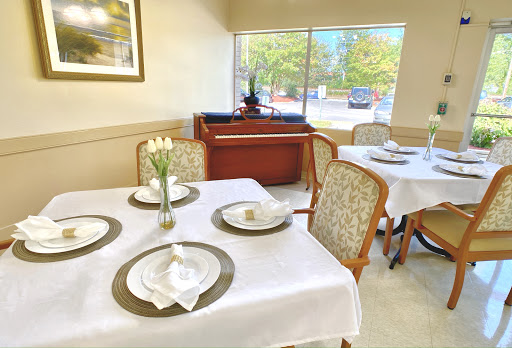
Some reviewers say the food was good or enjoyable, while others describe it as average, bland, or lacking variety. One review mentions wanting more snacks and better meal support, while another calls out weekend food complaints. The community also offers restaurant-style dining, which aligns with the expectation of a more traditional dining experience, but resident feedback still varies.
How we summarize
Counts show how many written reviews mention each theme; a review can touch several themes, and only frequently mentioned themes are displayed.
Features
Housing
96 resident community capacity
Types of Care
Skilled Nursing Facility
Amenities
Air-conditioning
Beauty salon
Cable or satellite TV
Computer center
Dining room
Fitness room
Fully furnished
Gaming room
Garden
Housekeeping services
Kitchenette
Move-in coordination
Outdoor space
Private bathrooms
Restaurant-style dining
Small library
Telephone
Wellness center
Wi-Fi/high-speed internet available
Transportation
Raleigh-Durham International (12 miles away)
Community operated transportation
Transportation arrangement
Transportation arrangement (non-medical)
Transportation to doctors appointments
Care Services
12-16 hour nursing
24-hour call system
24-hour supervision
Activities of daily living assistance
Assistance with bathing
Assistance with dressing
Assistance with transfers
Diabetes diet
Meal preparation and service
Medication management
Mental wellness program
Special dietary restrictions
Dining
Diabetes diet
Special dietary restrictions
Activities
Community-sponsored activities
Concierge services
Fitness programs
Planned day trips
Resident-run activities
Scheduled daily activities
Videos
Nearby Places of Interest
This part of Durham, North Carolina offers a diverse array of amenities and services that would be beneficial for seniors looking to reside in the area. With a variety of restaurants ranging from Locopops to Cracker Barrel, there are dining options to suit any palate. Additionally, proximity to hospitals such as Duke Hospital of Dentistry & Facial Pain and Durham Regional Hospital ensures easy access to medical care. Places of worship like Duke University Chapel and Yates Baptist Church provide spiritual fulfillment, while cafes like Cocoa Cinnamon offer a cozy atmosphere for socializing. Pharmacies and physicians are conveniently located nearby, including Avance Care and North Carolina Orthopaedic Clinic. Parks like Northgate Park and Whippoorwill Park offer opportunities for outdoor recreation and relaxation. Overall, this part of Durham boasts a strong sense of community and accessibility to essential services, making it an attractive choice for senior living.
Restaurants
Locopops (0.6 miles)
Mothers and Sons Trattoria (1.1 miles)
Chick-Fil-A (1.7 miles)
Bojangles' Famous Chicken 'n Biscuits (1.8 miles)
McDonald's (2.1 miles)
Guglhupf Bakery & Patisserie (2.2 miles)
Cracker Barrel (2.3 miles)
Hospitals
Duke Hospital of Dentistry & Facial Pain (0.8 miles)
Durham Regional Hospital (2.5 miles)
North Carolina Cancer Hospital (10 miles)
UNC Transplant Clinic (10.1 miles)
UNC Hospitals Ambulatory Care Center (10.4 miles)
Places of Worship
Duke University Chapel (1.1 miles)
Yates Baptist Church (2.3 miles)
Judea Reform Congregation (2.6 miles)
Church of Reconciliation PC USA (7.7 miles)
New Hope Church (8.1 miles)
Cafes
Cocoa Cinnamon (1.2 miles)
Starbucks (3.2 miles)
Starbucks (5.4 miles)
Starbucks (7 miles)
Panera Bread (7.1 miles)
Starbucks (7.4 miles)
Starbucks (7.5 miles)
Pharmacies
Walgreens (1.3 miles)
Walgreens (1.8 miles)
CVS Pharmacy (2.1 miles)
Walgreens (3.6 miles)
CVS Pharmacy (4 miles)
CVS Pharmacy (6.2 miles)
Walgreens (6.3 miles)
Physicians
Avance Care (1.7 miles)
Garrett S Bressler, MD (2.2 miles)
North Carolina Orthopaedic Clinic (5.1 miles)
Duke Primary Care Sage Road Pediatrics (6.5 miles)
Chapel Hill Pediatrics & Adolescents Pa (6.5 miles)
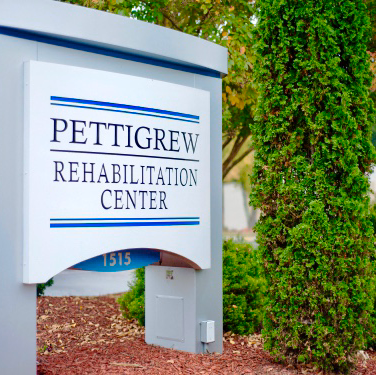
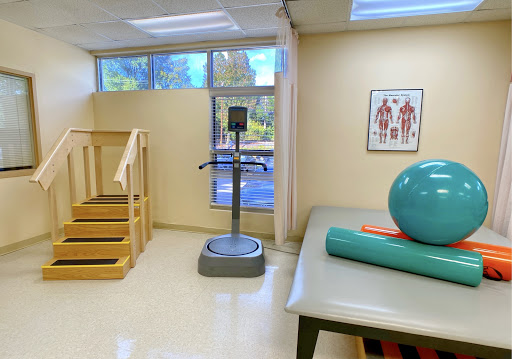
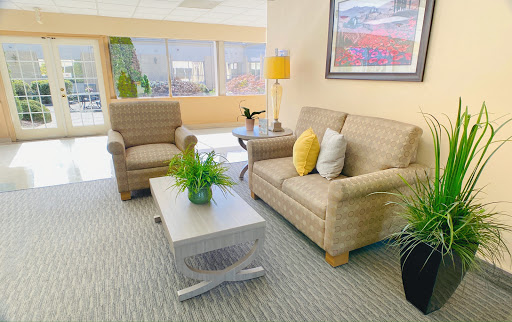
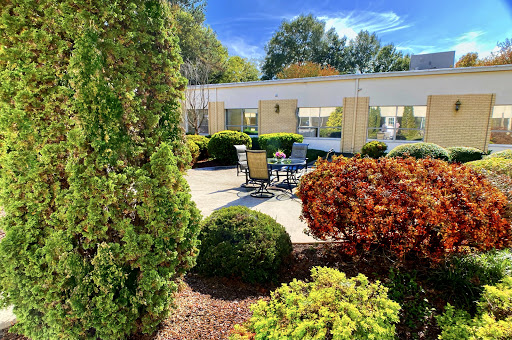
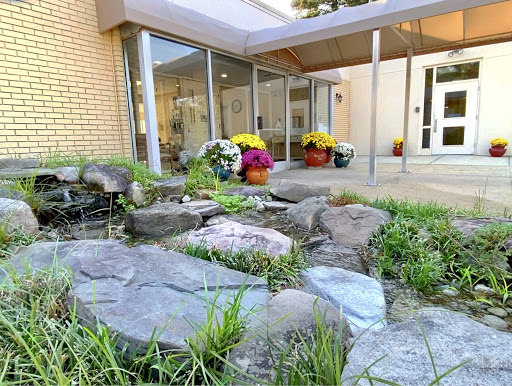
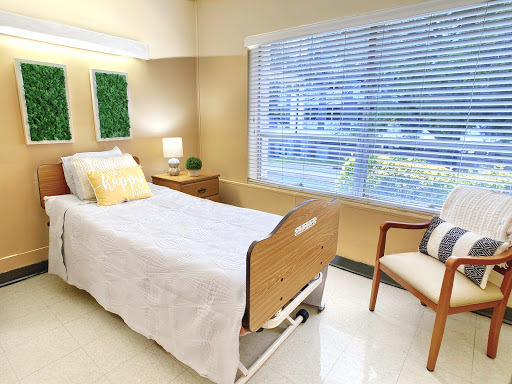
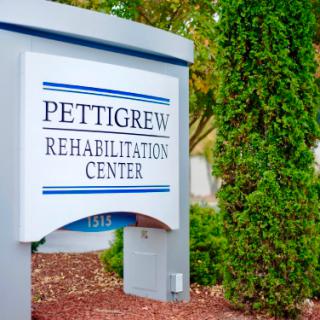
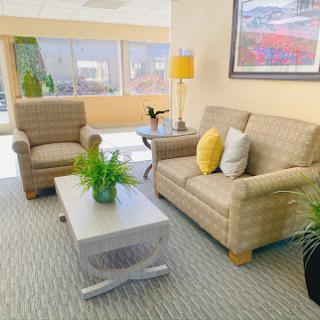
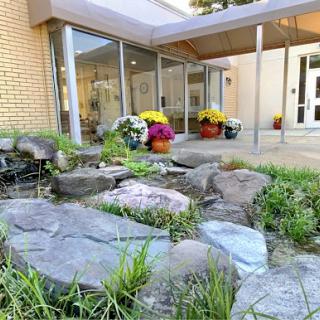
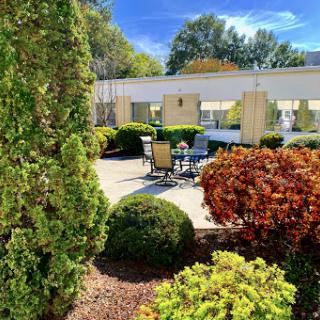
Pettigrew Rehabilitation Center on seniors.fyi includes 7 photos including images showing landscaping, garden, dining, windows, decor, outdoor, facility, outdoors, and more.
Nearby Communities
Hillcrest Convalescent Center
Durham, NC
4.5 from 135 reviews
Home-like atmosphere with spacious, well-maintained spaces, restaurant-style dining, and accessible rehabilitation services.
Lattimore Health Care, LLC
Durham, NC
4.8 from 119 reviews
Convenient location with nearby amenities and pet-friendly policy.
Learning Services
Durham, NC
$2,280 to $3,465 / month
Affordable pricing with convenient access to healthcare, parks, pharmacies, restaurants, and other amenities.
Golden Horizon's Adult Daycare Center
Durham, NC
4.2 from 10 reviews
On-site devotional services with social spaces and meals
Council For Senior Citizens
Durham, NC
3.6 from 17 reviews
Proximity to amenities (cafes, parks, pharmacies, doctors, restaurants, worship, and hospitals).
Coble Health Care Ctr
Durham, NC
3.4 from 110 reviews
Convenient access to dining, pharmacies, physicians, parks, places of worship, and hospitals nearby.
Veranda at Whitted School
Durham, NC
4.1 from 15 reviews
$569 to $759 / month
Welcoming atmosphere with responsive maintenance.
Pruitthealth – Carolina Point, LLC
Durham, NC
3.3 from 123 reviews
$5,580 to $5,745 / month
Some families hope for reliable care and compassionate treatment for their loved ones.
The Addison
Durham, NC
3.6 from 45 reviews
$4,850 to $6,400 / month
Friendly, attentive staff; clean, updated facility with memory-care activities and on-site amenities.
The article clarifies common misconceptions about Powers of Attorney (POA), highlighting the necessity of the principal's consent, the limitations on an agent's authority, and the importance of mental capacity when signing. It also distinguishes between various types of POAs, addresses concerns about potential abuse, and emphasizes the need for legal consultation to ensure valid and up-to-date documents.
Senior move management provides specialized support for older adults relocating by assisting with logistics, emotional challenges, and downsizing decisions to ensure a smooth transition to new living environments. These services address the unique needs of seniors and have become increasingly important as baby boomers retire and seek to downsize.
Weight training is vital for seniors to maintain muscle mass, bone density, and overall health, combating age-related declines through customized resistance exercises that enhance balance and well-being. Safe routines should start with realistic goals and proper form, while emphasizing gradual progress and consultations with healthcare providers to ensure safety and effectiveness.
Exercise Equipment, Rehabilitation, Physical Therapy, Fitness, and Staircase
Indoor Plants
Get PricingAsk A QuestionSchedule A TourContact Senior Advisor
By clicking submit, you agree to our Partner's Terms of Use. You
also consent to receive calls and texts, which may be autodialed, from our Partner. Your consent is not a condition to
using our Partner's service. Please visit our Partner's Privacy Policy for information about their privacy practices.

 96 resident community capacity
 Skilled Nursing Facility
 Air-conditioning
 Beauty salon
 Cable or satellite TV
 Computer center
 Dining room
 Fitness room
 Fully furnished
 Gaming room
 Garden
 Housekeeping services
 Kitchenette
 Move-in coordination
 Outdoor space
 Private bathrooms
 Restaurant-style dining
 Small library
 Telephone
 Wellness center
 Wi-Fi/high-speed internet available
 Raleigh-Durham International (12 miles away)
 Community operated transportation
 12-16 hour nursing
 24-hour call system
 Activities of daily living assistance
 Assistance with bathing
 Assistance with dressing
 Assistance with transfers
 Diabetes diet
 Medication management
 Mental wellness program
 Special dietary restrictions
 Concierge services
 Planned day trips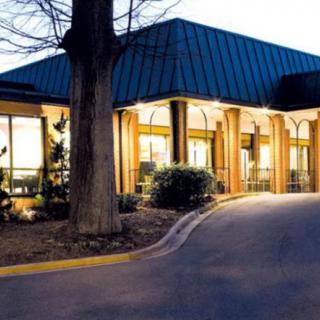
 Home-like atmosphere with spacious, well-maintained spaces, restaurant-style dining, and accessible rehabilitation services.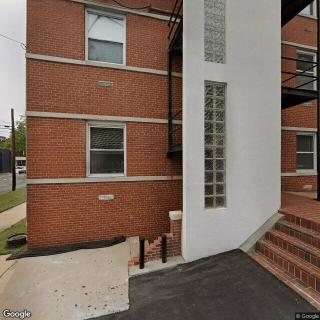

 A Comprehensive Exploration of Common Misunderstandings about Powers of Attorney
 Senior Move Management: Understanding the Role, Value, and Associated Costs
 Weight Training for Seniors: Building Strength and Vitality