
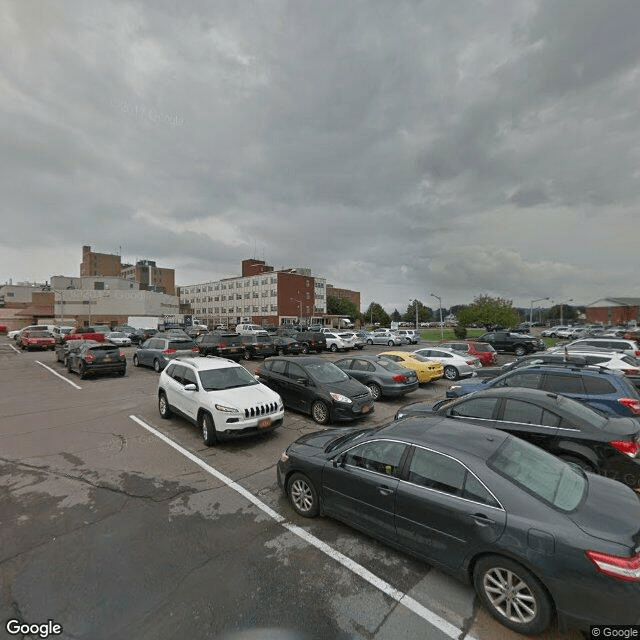
1656 Champlin Ave, Utica, NY 13502
To contact a resident: (315) 798-6093
For more information about senior living options: (866) 208-4318
Overall Review of Allen-Calder Skilled Nursing
Pros
 She has had a very positive experience here.
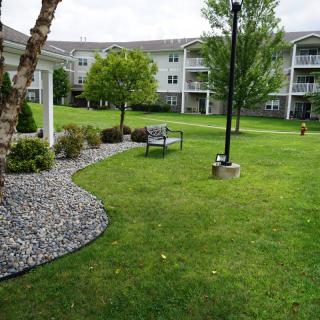
- The facility is clean and well maintained.
- The staff have been wonderful and attentive, with timely responses.
- OT and PT staff are among the best.
- They make residents feel comfortable, relaxed, and laughing in no time.
- The rehab therapy is excellent and the therapists are kind and compassionate.
- The nursing staff is terrific and aides are helpful and kind.
Cons
 They failed to administer insulin for two days, leading to a high blood sugar reading and hospital admission.
- The nursing staff were described as garbage and unprofessional, with attempts to justify neglect.
- The patient’s meals and medications were not correctly transferred from the hospital, resulting in an improper diet and incorrect medications.
- The patient was left on the toilet without help for an extended period, and a shift change left her unattended.
- Call lights were turned off and not answered promptly.
- The floor in the patient’s room had not been mopped, indicating poor upkeep.
- Doctors did not check on the patient despite concerns, delaying care.
- The facility was described as a disgusting excuse for a nursing home and should be shut down.
- There were reports of abuse and mistreatment of dementia patients, with a lack of dignity.
- Staff reportedly rolled their eyes when compassionate, responsible care was requested.
Review
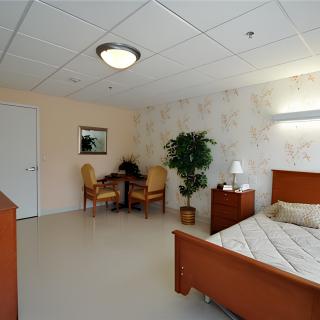
Allen-Calder Skilled Nursing in Utica is best suited for families prioritizing strong rehabilitation services and a consistently clean, well-maintained environment, with the understanding that daily nursing coverage can vary. For residents who need skilled rehab after a setback, hip or stroke recovery, for example, the therapy team can be a major asset, delivering focused PT/OT that yields tangible gains. The facility’s clean appearance, reliable transportation to appointments, and responsive dining adjustments when a resident has a preference point to a practical, person-centered approach in many sessions. In short, this community serves as a solid option for rehab-forward care where therapists drive measurable progress and everyday comforts are well managed.
However, several review themes warrant careful consideration. Families should think twice if consistent, attentive nursing care is non-negotiable. Multiple accounts describe delays, gaps in med management, and moments when aides or nurses did not respond promptly to needs. Instances of call-light neglect, missed medications during transfers, and insufficient supervision reveal a pattern that can undermine safety and peace of mind for residents with higher acuity or cognitive challenges. Alternately, facilities with stronger nurse staffing continuity may be preferable for those who require steady, around-the-clock oversight.
The contrasting experiences with therapy versus nursing care are central to the decision. The rehab side, particularly OT/PT, receives repeated praise for expertise, patience, and results; therapists are lauded for addressing mobility, balance, and functional independence, often with dramatic improvements. These strengths Tuesday through Friday can offset some concerns for families prioritizing rehabilitation outcomes. Yet the same reviews caution that gains on the rehab floor do not automatically translate into consistently high nursing quality, especially on evenings and weekends when staffing pressure is more evident.
On balance, the pros align well with residents who arrive primarily for targeted rehabilitation and who value a clean, comfortable setting with reliable therapy teams. The ability to tailor meals and accommodate dietary needs is another practical plus that enhances daily life for individuals who are managing medical conditions or restrictive diets. Still, the repeated calls for better nurse coverage and more consistent med management can erode confidence for anyone facing complex daily care needs or those who require frequent medical input throughout the day. For families where oversight and advocacy are feasible, Allen-Calder can deliver meaningful rehab progress without sacrificing routine comfort.
Practical next steps should focus on the specifics of daily care delivery. Prospective families should ask for a transparent plan on nurse staffing levels by shift, the process for medication transfers from hospital to rehab, and how quickly medical concerns are escalated to a physician or nurse practitioner. Clarify who will oversee diabetes management, pain control, and toileting assistance, and request concrete examples of how dietary requests are implemented. Also, request to meet the rehab team and tour both the acute rehabilitation and subacute areas to observe how each unit operates and what the environment feels like during a typical day.
In the end, Allen-Calder stands out for rehab-focused residents who prize a clean, accommodating setting and strong PT/OT performance. It is less compelling for those who require unwavering nursing consistency, real-time medical oversight, or highly reliable med management across all shifts. Families should align their expectations with the capacity for attentive nursing care and plan to engage advocates or alternative options if daily oversight proves essential. If rehabilitation progress and a well-kept environment are the top priorities, this community warrants serious consideration; otherwise, exploring facilities with a more uniformly staffed nursing model may be the prudent path.
 Skilled Nursing Facility




 Is a Geriatric Care Manager the Right Choice for Your Family?
 Compassionate Conversations: How to Comfort Someone Who Is Grieving
 Home Health Care Aides: Understanding Their Role and Supporting Your Family