
2920 Tibbits Avenue, Troy, NY 12180
For more information about senior living options: (866) 208-4318
Overall Review of Eddy Heritage House Nursing And Rehabilitation Center
Pros
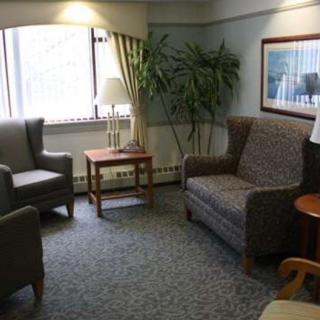
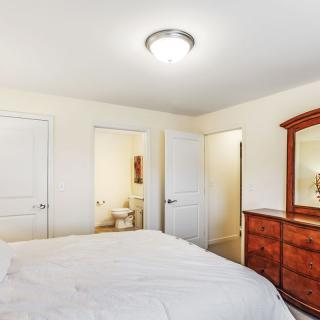
 The rehab is beautiful, clean, with large rooms, sunshine, and loving care.
- The staff are friendly, helpful, and professional.
- Activities are engaging, including events like manicure day that bring smiles.
- Dining is like a nice restaurant, with attentive service from the staff.
- It feels home-like, and safety and quality of life are prioritized.
- The facility is clean, well-kept, and residents are happy.
- Nurses and aides are caring and attentive, ensuring residents are not left unattended.
- The food is good.
Cons
 The reviewer notes that policies on the Rehab floor are not adhered to, medications are not given or watched, and residents go 14 days without showers.
- Rehab services are described as minimal unless someone complains repeatedly.
- Staff are said to tell residents to “shut up,” and admin meetings are deemed useless, with documentation used to deny insurance.
- There is no communication with family, and when approached, staff are defensive and condescending.
- The facility is characterized as horrible, with insufficient staff, poor cleanliness, and a lack of services for residents.
- Call lights go unanswered, leading to repeated falls and injuries without timely assistance.
- The place is described as terrible, with repeated claims that there is never any staff and families would be better off elsewhere.
- There are allegations of medical negligence and disorganized discharge papers, including bleeding sutures and bloodied clothing.
- The care environment is portrayed as rude, money-driven, and slow to respond to pain management or basic needs (ice, water, pain meds).
Review
This community is best suited for families that prize a home-like atmosphere, clean surroundings, and a steady rhythm of social activities. Eddy Heritage House can be a good fit for residents who respond well to organized programming, pleasant dining, and days that emphasize safety, cleanliness, and a calm environment. It is less appropriate for those whose loved ones require aggressive rehab, consistent medication management, and rigorous clinical oversight. Families should consider alternatives if a loved one needs reliable 24/7 support, rapid response to call lights, or dementia care with staffing levels that ensure prompt attention and comprehensive daily care.
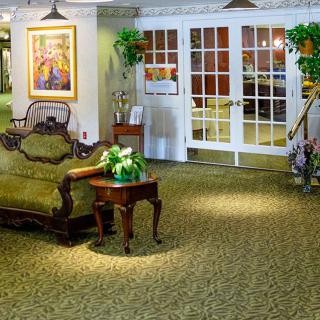
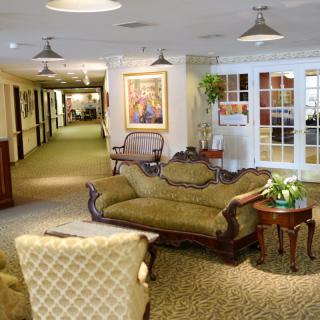
On the positives, several accounts describe a facility that looks and feels kept up: spacious rooms, a welcoming atmosphere, and a dining experience that resembles a restaurant service rather than institutional dining. The environment is repeatedly depicted as home-like, sunny, and conducive to social engagement. Staff are frequently described as friendly, approachable, and professional in non-clinical moments, with activity programming and organized events that keep residents occupied. When those conditions hold, residents can enjoy meaningful interactions and a sense of normalcy that supports morale and overall mood, which matters for quality of life even when medical needs are modest.
Yet the negatives loom large and cannot be dismissed. The most troubling themes center on staffing and responsiveness: reports of insufficient staff to properly supervise residents, delays in call-light response, and inconsistent availability of essential care. Rehab services are described as minimal unless families push back, and there are credible claims of unsafe incidents, including multiple falls with delayed assistance. Communication with families is repeatedly cited as weak or defensive, and administrative follow-through, such as discharge planning or returning phone calls, reads as unreliable. Medical management issues surface in several reviews, with delays in timely pain medication and instances of basic daily needs being neglected, such as showers and consistent hydration.
These significant drawbacks tend to overshadow the visible strengths. The home-like environment and engaging activities can improve daily life, but not when safety and clinical care are inconsistent. When resistance to call lights, slow med administration, or insufficient rehab support intersect with a risk profile that includes falls or inadequate wound and infection oversight, the value of the pleasant atmosphere diminishes quickly. Dementia care, in particular, appears to suffer from staffing gaps, making it risky for families seeking steady cognitive support and predictable routines. In such cases, the positives become less relevant than fundamental safety and reliability concerns.
For families weighing Eddy Heritage House against other options, the decision hinges on core priorities. If the priority is a sociable, pleasant setting with good dining and active programming, and if strong family involvement and vigilant oversight are possible, this community can deliver a reasonable day-to-day quality of life. If, however, the loved one requires dependable rehab, timely medication administration, rapid call-light responses, consistent staffing, and robust safety protocols, alternatives should be pursued aggressively. The gaps highlighted in reviews are not minor irritants; they speak to fundamental care delivery that directly affects health outcomes and peace of mind.
Practical next steps are essential. Arrange a thorough on-site tour focusing on rehab capacity, nurse and aide availability, and real-time call-light response times. Request to review recent inspection results, staffing rosters, and a sample schedule for therapy sessions to verify that rehabilitation is proactive and not purely contingent on family advocacy. Speak with current residents and families about night and weekend coverage, ice and hydration access, and how pain management is handled, especially overnight. Finally, treat this as a trial decision: negotiate a short-term stay or monitored period to observe actual responsiveness, cleanliness, and care delivery. If those signals align with the positive facets found in reviews, Eddy Heritage House can be appropriate; if not, seek facilities with demonstrated consistency in safety, communication, and rehab efficacy.
 122 resident community capacity
 Skilled Nursing Facility
 Air-conditioning
 Beauty salon
 Cable or satellite TV
 Computer center
 Dining room
 Fitness room
 Fully furnished
 Gaming room
 Garden
 Housekeeping services
 Kitchenette
 Move-in coordination
 Outdoor space
 Private bathrooms
 Restaurant-style dining
 Small library
 Telephone
 Wellness center
 Wi-Fi/high-speed internet available
 Albany Cty (7 miles away)
 Community operated transportation
 12-16 hour nursing
 24-hour call system
 Activities of daily living assistance
 Assistance with bathing
 Assistance with dressing
 Assistance with transfers
 Diabetes diet
 Medication management
 Mental wellness program
 Special dietary restrictions
 Concierge services
 Planned day trips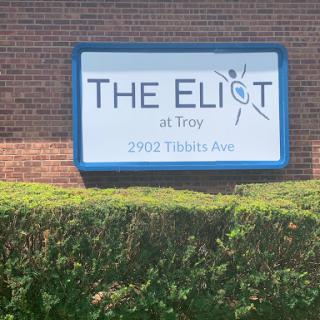



 Financing Long-Term Nursing Home Care Through Social Security: A Thorough Exploration
 Essential Knowledge on Pneumonia in Older Adults
 Exploring Palliative Care in the Home: A Comprehensive Overview