



2256 Burdett Ave, Troy, NY 12180
To contact a resident: (518) 274-9890
For more information about senior living options: (866) 208-4318
Overall Review of Hart Community
Pros
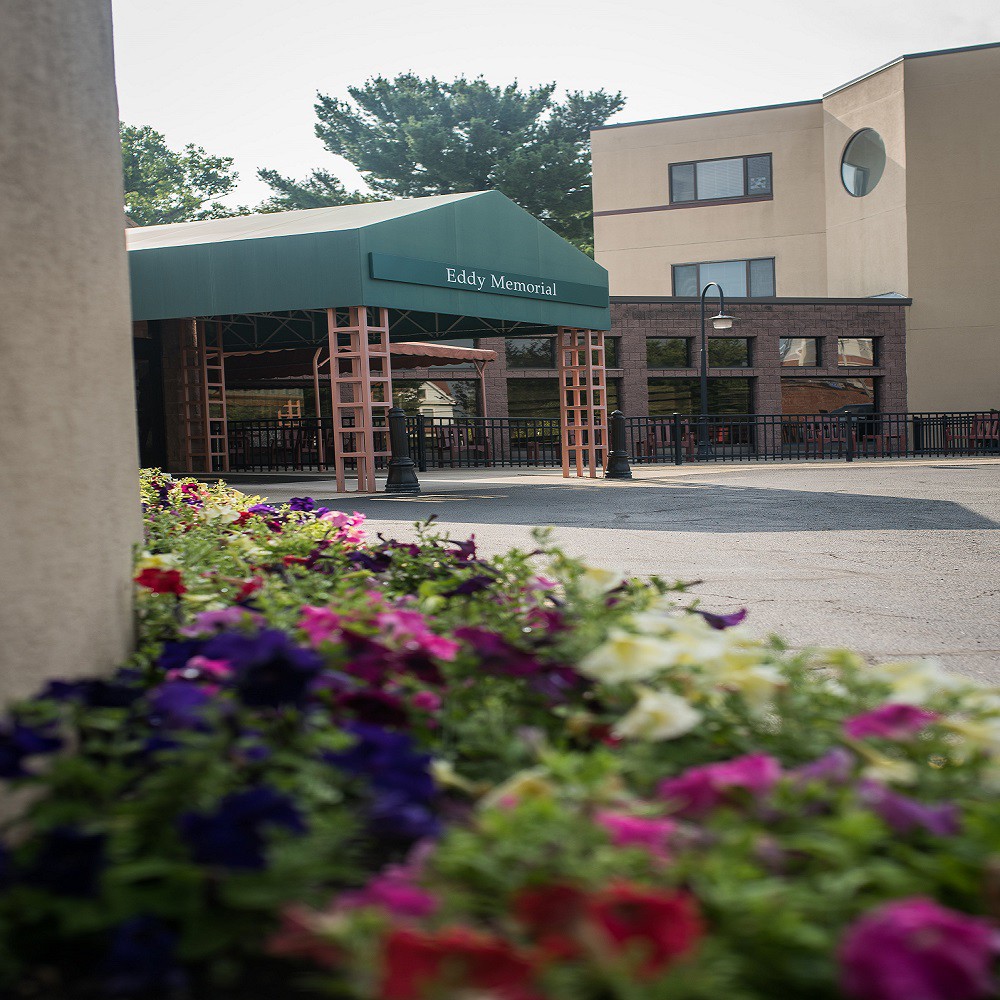
 Terrace At Eddy Memorial was very pleasant.
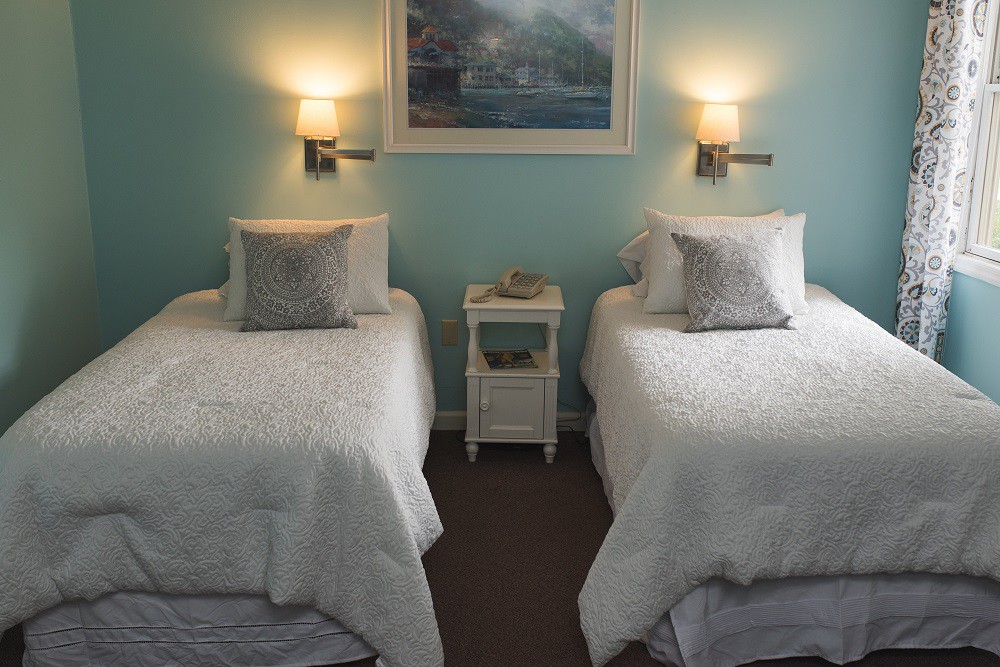
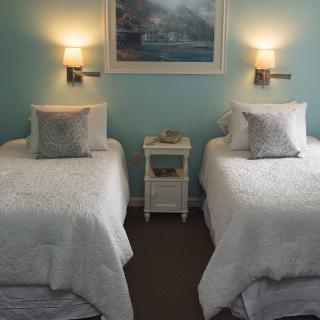
- The room was bigger.
- The lady that I dealt there with was excellent.
- They are associated with St. Peter's Hospital Services, and that seems to work well for them.
- The staff during the tour was very helpful.
- The Terrace at Eddy Memorial Assisted Living is a great community and offers seniors an active lifestyle without having to care for a home.
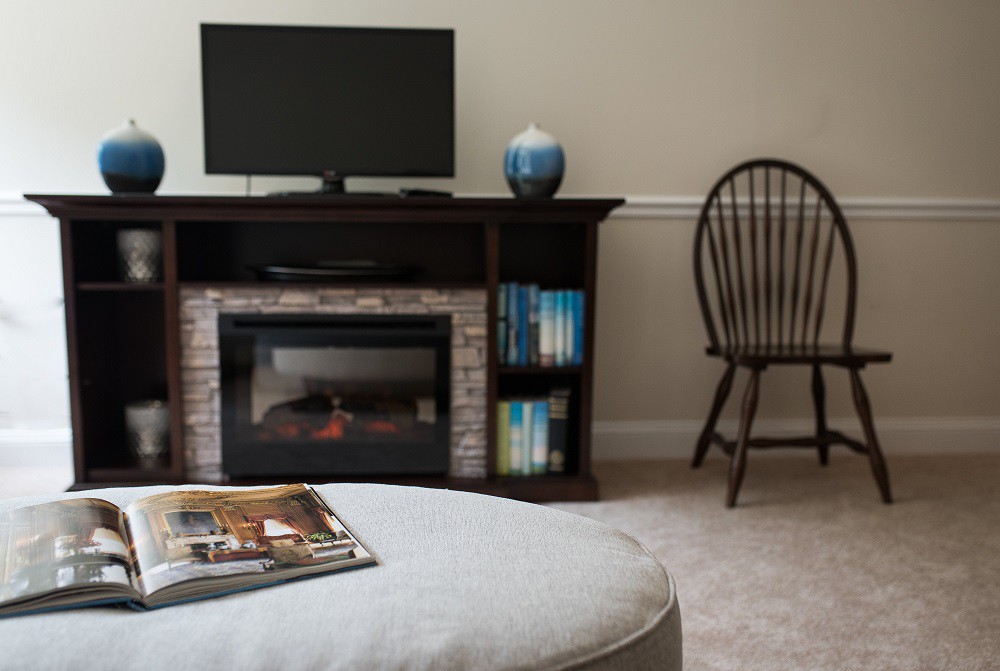
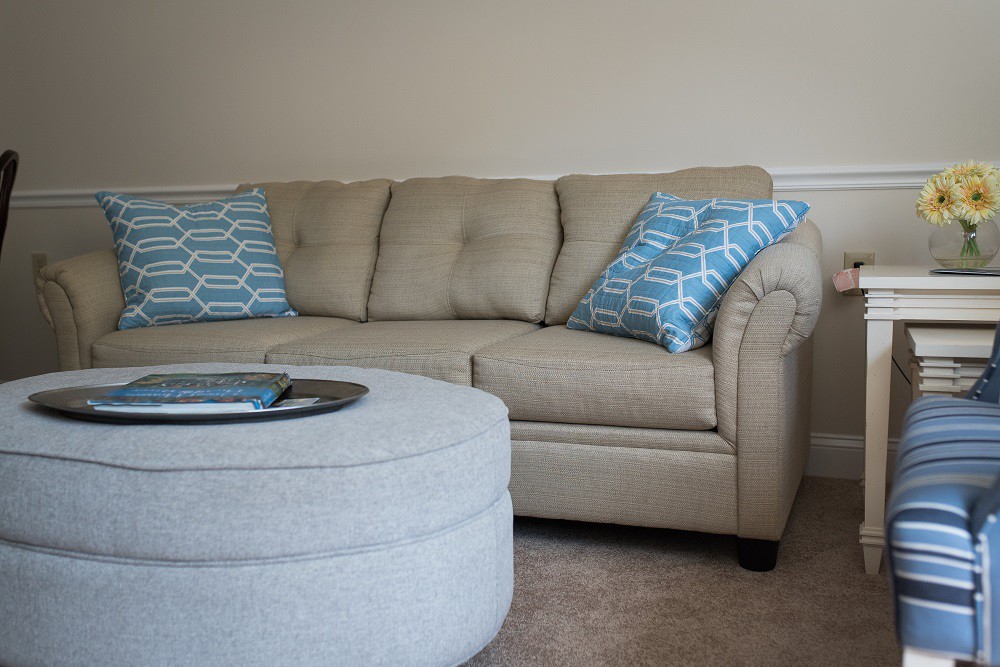
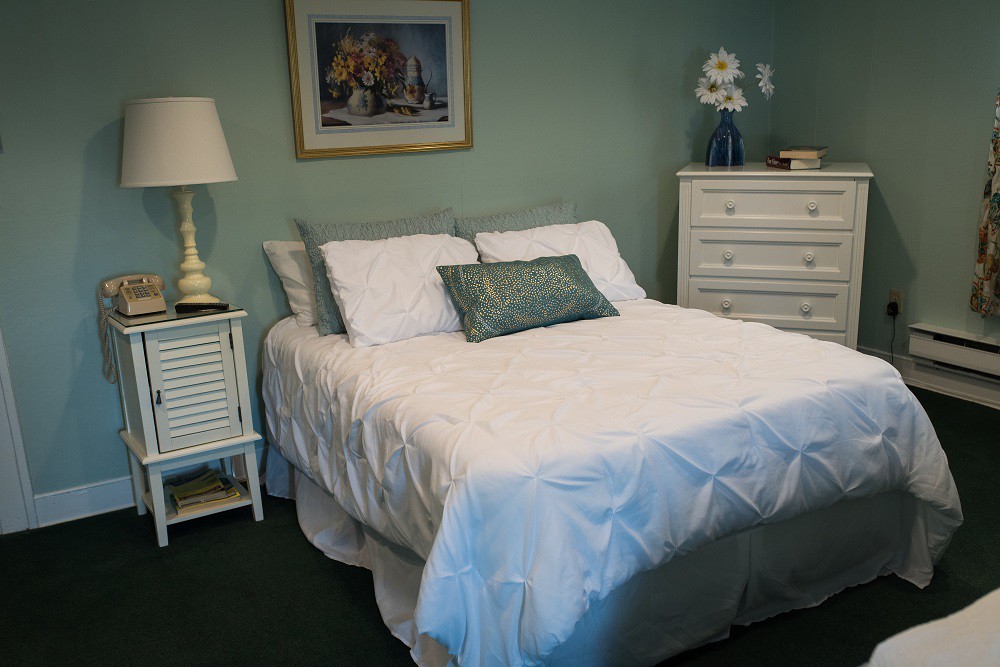
- The apartment is very clean and very up-to-date.
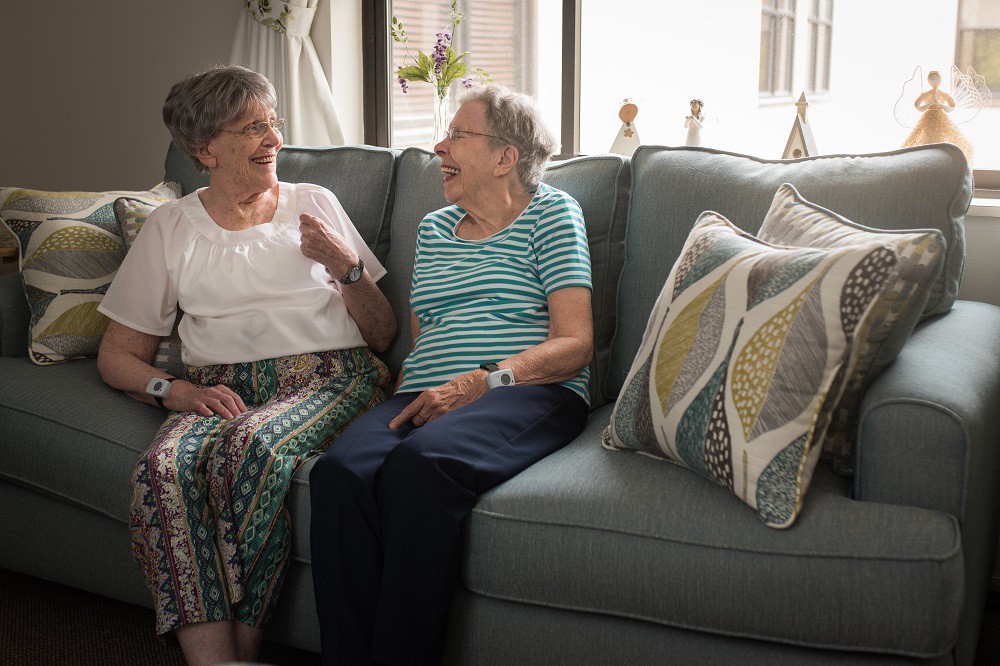
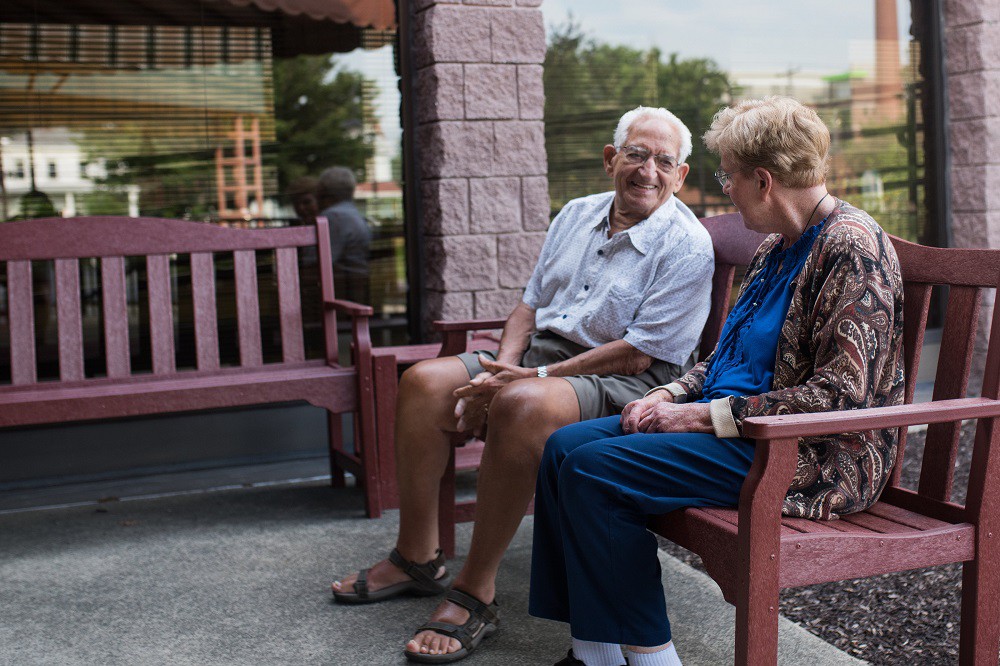
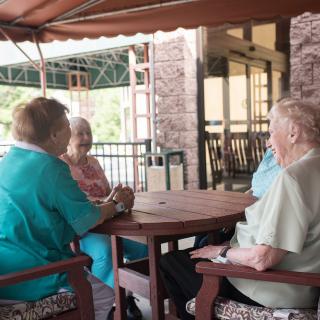
- The atmosphere is very friendly and very clean.
Cons
 It was not as up-to-date as the other place.
- It was a little outdated.
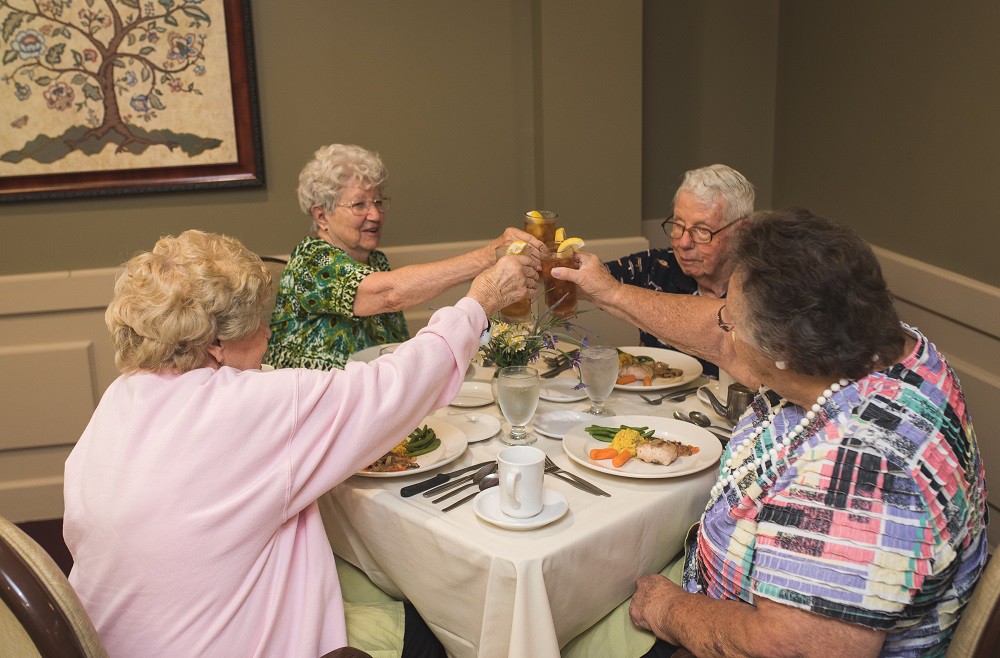
- The food is not too good.
- They are having trouble getting her to go to dinner.
Review
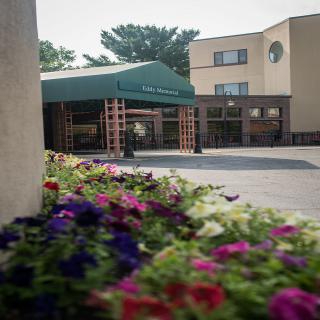
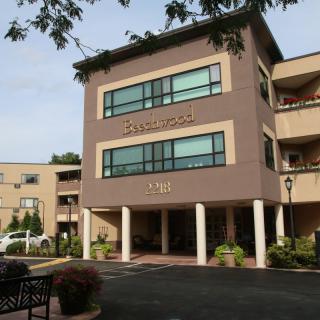
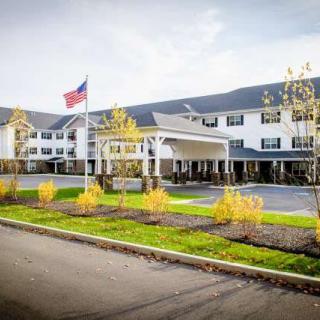
Hart Community’s Terrace at Eddy Memorial is best suited for seniors who want a warm, home-like setting with reliable access to medical services and straightforward, comfortable living. The layout emphasizes practicality: larger rooms, a dining area nearby, and easy access to common spaces such as an activity room and outdoor patios. Families repeatedly note helpful, responsive staff and an atmosphere that feels welcoming rather than clinical. The hospital connection to St. Peter’s facilities matters, smoothing care coordination when health needs shift. For residents who prize safety, daily routine, and social engagement over cutting-edge interiors, this community delivers steady value in a well-kept, navigable package.
Those who should consider alternatives are seniors seeking a splashier aesthetic, top-tier dining, or advanced memory-care capabilities. Several observations describe parts of the property as dated, which can clash with expectations for modern design. Dining experiences are not universally praised, and some residents resist meals, which matters for long-term satisfaction. Tour experiences were sometimes uneven, one visit could be limited by an inspection, with a follow-up showing spaces not visible earlier. For families with high-acuity needs or the anticipation of frequent medical attention, it’s wise to compare other communities that market stronger culinary programs or more specialized care. A second look elsewhere may confirm fit more quickly.
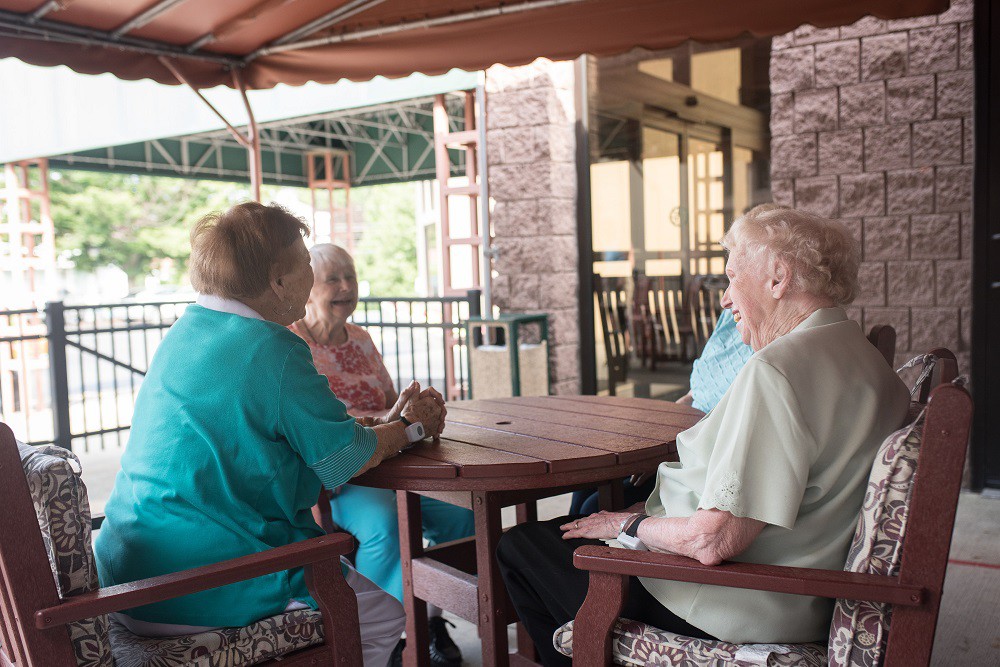
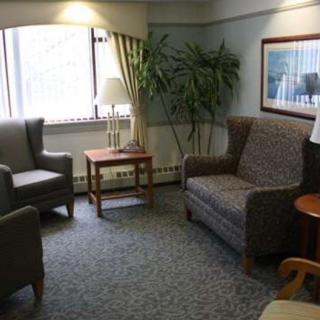
Yet the strongest positives soften those concerns. The hospital tie-in simplifies care coordination, and staff consistently come across as patient, kind, and attentive. Cleanliness and upkeep are evident in rooms and shared areas, reducing anxiety about transitions. The setting feels homey, not institutional, with accessible outdoor spaces, a bright activity room, and a layout that keeps essential routes near the dining room. These elements support daily resilience for residents who value independence with a reliable safety net. For families, the combination of ease of access to medical services, a welcoming staff, and a straightforward footprint represents practical reliability.
Another clear advantage is the emphasis on an active lifestyle without home maintenance. The community appears to offer regular social programs and opportunities for involvement that help sustain routines and purpose. The sense of being in a friendly, low-stress environment appeals to seniors who fear overly clinical settings. While interiors may not be the newest, the overall ambiance still feels fresh, well-kept, and approachable. The proximity to medical facilities adds a tangible reassurance for families. Taken together, the mix of social engagement, easy navigation, and dependable care resources makes the Terrace a sensible choice for those who prioritize practical daily living over premium finishes.
When evaluating, focus on concrete details: request a tour of first-floor rooms closest to dining, confirm current meal options and accommodations for guests, and ask how the hospital affiliation translates into day-to-day care. Review the activity calendar and speak with current residents about meal reliability and social programming. Clarify how nursing and personal-care services scale if health needs change, and verify what the hospital relationship means for on-site visits or emergencies. If possible, schedule visits on different days to gauge consistency in staffing and energy. A thorough, multi-visit assessment will reveal whether the environment aligns with long-term expectations.
In sum, this community fits seniors who value a homey, socially active environment with dependable medical access and a straightforward, well-kept footprint. It may not be ideal for those chasing cutting-edge interiors, gourmet dining, or highly specialized memory care. For those leaning in, prioritize first-floor layouts near dining, verify dining routines, and test the staff during a detailed tour. If these factors align with the resident’s preferences and anticipated care needs, Hart Community offers a practical, steady option that balances comfort, accessibility, and coordinated care.
 1-bedroom apartments
 Assisted Living
 Independent Living
 Memory Care
 Skilled Nursing Facility
 Activities on-site
 Devotional services off-site
 Indoor common areas
 Respite or short term stays offered
 Albany Cty (7 miles away)
 Ambulatory care
 Diabetic care
 Meals provided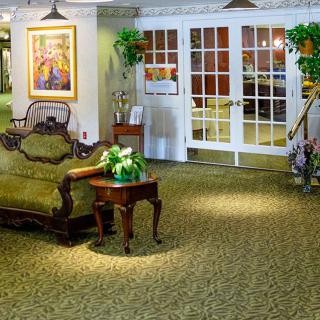



 8 Important Indicators That Memory Care May Be Necessary
 Delving into the Inner World of Dementia: Insights into Thoughts and Awareness
 Five Subtle Dementia Indicators to Observe: An In-Depth Guide to Understanding “Does My Mom Have Dementia?”