
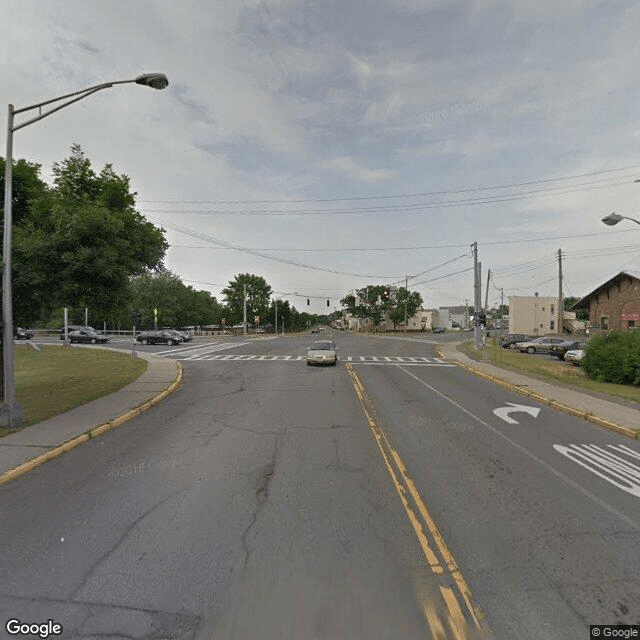
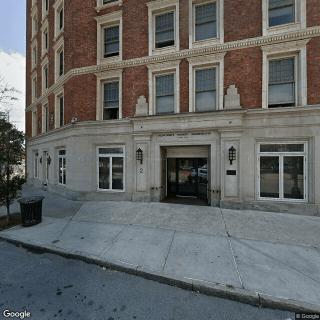
4 George St, Troy, NY 12183
To contact a resident: (518) 266-9111
For more information about senior living options: (866) 208-4318
The Cornerstone Costs & Pricing
The Cornerstone offers a range of competitive pricing for various room types, positioning itself as an affordable option compared to both Albany County and the broader New York state. For studios, residents can expect to pay between $900 and $2,700, which is significantly lower than the county average of $3,873 and the state average of $4,532. Similarly, one-bedroom units at The Cornerstone are priced from $995 to $2,800, again undercutting the Albany County rate of $3,440 and New York state's higher average of $4,307. Even for two-bedroom accommodations - priced from $995 to $3,700 - The Cornerstone remains cost-effective compared to regional norms where Albany County averages at $3,409 and New York state reaches as high as $4,786. This pricing strategy not only enhances accessibility for potential residents but also underscores The Cornerstone's commitment to offering quality living spaces that cater to a diverse range of budgets.
| Floor plans | The Cornerstone | Albany County | New York |
|---|---|---|---|
| Studio | $900 to $2,700 | $3,873 | $4,532 |
| 1 Bedroom | $995 to $2,800 | $3,440 | $4,307 |
| 2 Bedrooms | $995 to $3,700 | $3,409 | $4,786 |
Senior living communities with a similar price nearby
-
About the same

Brook Pointe
$900 / month12.8 miles away -
from -$85 / mo
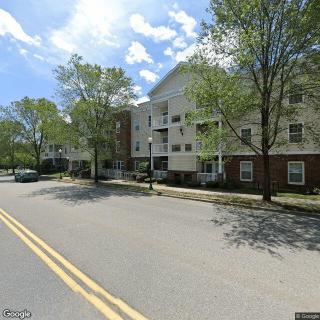
Westview Apartments
$815 to $975 / month23.7 miles away -
from -$53 / mo
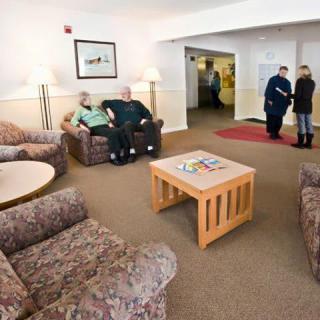
Diamond Rock Terrace
$847 to $1,009 / month2.7 miles away
Overall Review of The Cornerstone
Pros
 It is her favorite apartment to date.
- The location is great, on a bus route and close to activities and Dinosaur BBQ.
Cons
 She notes there are no grounds to walk.
Review
The Cornerstone in Troy is best suited for active, independent seniors who prize practical, apartment-based living with exceptionally easy access to transportation and local activities. The neighborhood setup matters here: the community sits on a major bus route and is clearly positioned to keep residents connected to outings, errands, and social events without the friction of arranging private transport. In this setting, residents can stay engaged with nearby dining options and community happenings, while enjoying the privacy and simplicity of a well-designed apartment. One resident highlighted the apartment quality as a standout feature, describing it as her favorite to date, which underlines the comfort and thoughtful layout that can make day-to-day living feel familiar and manageable.
Those weighing alternatives should consider whether an outdoor-focused or more service-rich setting is essential. A notable caveat from the available impressions is the lack of grounds to walk. For residents who equate well-being with expansive outdoor space, gardens, or scenic pathways right on campus, The Cornerstone may fall short. Similarly, if a family is prioritizing robust on-site care options, memory-support, or a broader range of amenities and continuums of care, it’s wise to compare with communities that foreground those features. In short, this option rewards independence and mobility, but it may not satisfy expectations for a campus with extensive grounds or deeper on-site care services.
The strongest positives center on location and the resulting freedom those logistics provide. Being on a bus route means effortless access to a broader activity calendar, social opportunities, and transportation for off-site excursions, clear advantages for residents who want to stay active without constant family coordination. The proximity to local activities and to a recognizable dining option like Dinosaur Bar-B-Que offers convenient social dining and planned outings, which can sustain an appealing routines-and-rewards cycle. Coupled with appealing apartment setups, these elements create a living environment that supports autonomy while keeping daily tasks straightforward.
However, the primary drawback, the absence of walkable grounds, narrows the appeal for anyone who values outdoor spaces as a daily stimulant or exercise outlet. The two reviews that praise location simultaneously imply that engagement comes more from off-site opportunities than from on-site amenities. This can be a meaningful trade-off: residents can still pursue activity and social life, but those who crave built-in outdoor strolls, campus gardens, or on-site fitness-focused design may feel a gap. The offsetting factor remains the efficient transit access; it can partially compensate by enabling easy, independent exploration of neighborhood parks, shops, and social venues.
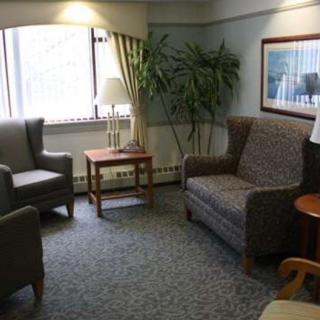
For families evaluating The Cornerstone, a practical checklist helps translate the high-level positives into a decision. Inspect apartment layouts for light, storage, and ease of accessibility; confirm the availability of common areas that support gatherings, crafts, or low-key social events; ask about on-site staff coverage, meal options, and any wellness programming that aligns with independent living goals. Verify transportation options beyond the bus route, timing, reliability, and ride-share compatibility can influence weekday routines. Finally, compare what is most important to the resident: immediate outdoor access and on-site activities, or the flexibility to venture out freely and remain integrated with the broader community.
Bottom line: The Cornerstone is a strong fit for seniors who want a comfortable apartment, straightforward maintenance, and the practical advantage of transit-rich living that keeps them connected to activities and dining nearby. Those who prioritize abundant on-site outdoor spaces, expansive grounds, or deeper on-site care options should consider alternatives that foreground those features. For families seeking independence-forward living with accessible transportation and a steady rhythm of social opportunities, this community offers a clear, confident path to a settled, active lifestyle in Troy.
 Active Adult Communities (55+)
 Cats allowed
 Dogs allowed
 Albany Cty (6 miles away)

 A Detailed Exploration of Living Wills and Advance Directives
 Comprehensive Guide to Medicare Coverage for Hospice Care
 Caring for Those Who Care: Recognizing, Understanding, and Overcoming Caregiver Burnout